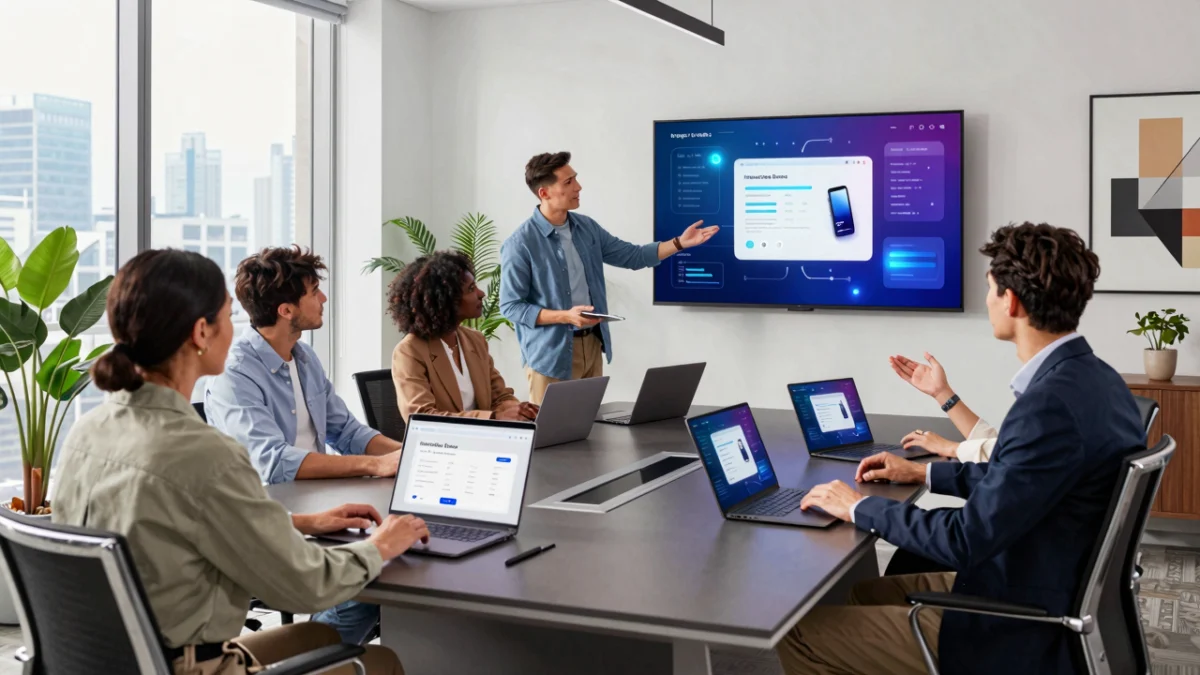








As the modern workplace continues to permanently pivot toward hybrid and fully distributed models, organizational leaders face a shifting set of operational priorities. Managing remote staff is no longer a temporary contingency plan; it is a core competency required for enterprise longevity and talent retention.
While distributed work offers undeniable benefits—such as expanded talent pools, reduced overhead, and enhanced employee autonomy—it also introduces complex operational obstacles. Without intentional leadership frameworks, remote environments can breed social isolation, communication silos, and burnout.

To maintain high performance and safeguard organizational culture, modern managers must implement a structured, empathetic, and technologically empowered approach to oversight.
Main Facts: The Core Pillars of Remote Leadership
Effective remote team management rests on a foundation of clarity, trust, and structural adaptability. When physical proximity is removed, leaders cannot rely on passive supervision or casual hallway conversations. Instead, management must be deliberate.

- Role Clarity: Clearly defining roles and responsibilities from day one eliminates ambiguity, ensuring that remote workers understand their deliverables and key performance indicators (KPIs).
- Structured Communication: Regular, predictable check-ins track progress, surface roadblocks, and maintain alignment between individual efforts and broader company goals.
- Psychological Safety: Encouraging open dialogue builds organizational trust, allowing team members to voice concerns, share innovative ideas, and navigate personal challenges without fear of professional reprisal.
- Operational Flexibility: Accommodating diverse schedules and home environments acknowledges individual human needs, directly correlating with elevated engagement and job satisfaction.
Chronology: Navigating the Remote Work Lifecycle
Successfully integrating and managing remote staff requires a phased approach that spans from initial onboarding to long-term performance optimization.
1. Phase One: Understanding Remote Work Challenges and Setting the Stage
To set the stage for success, leaders must first diagnose the unique friction points inherent to distributed teams. Reduced direct supervision and restricted access to institutional knowledge can rapidly degrade performance. Furthermore, social isolation and domestic distractions constantly threaten employee morale.

Mitigating these factors requires early intervention. Organizations must establish a structured framework that breaks down departmental silos and encourages cross-team collaboration. Utilizing video calls for routine check-ins restores a vital layer of non-verbal communication, humanizing the digital workspace.
2. Phase Two: Streamlining the Onboarding Journey for New Hires
The remote employee lifecycle begins the moment an offer is accepted. An effective onboarding process is essential for integrating new hires into the company’s operational and cultural ecosystem.

Leaders should prioritize pre-boarding preparation, ensuring hardware, software licenses, and security credentials are delivered prior to day one. Pairing new employees with a designated mentor or "buddy" accelerates cultural integration and provides an immediate resource for informal questions. Regular, weekly check-ins during the first month ensure that new staff feel supported, valued, and completely aligned with their core duties.
3. Phase Three: Long-Term Performance Monitoring and Constructive Feedback
Once a team is operational, management shifts toward continuous evaluation. Monitoring remote performance should rely on output-based metrics rather than "presence-based" tracking.

Managers should schedule consistent review cycles, offering timely, specific, and actionable feedback. Publicly recognizing individual and team milestones in shared communication channels boosts morale, while private coaching sessions provide a safe space to address performance gaps and career development trajectories.
Supporting Data: Best Practices for Remote Collaboration
Implementing the right protocols and toolsets can drastically reduce friction in a distributed environment. Below is a foundational reference guide for deploying effective management actions:

| Management Action | Strategic Purpose | Recommended Implementation Tool / Method |
|---|---|---|
| Open Communication | Encourage transparency and reduce email overload | Slack, Microsoft Teams, or specialized chat environments |
| One-on-One Check-Ins | Build rapport and monitor well-being | Bi-weekly scheduled video sessions (Zoom, Google Meet) |
| Public Recognition | Enhance morale and reinforce value | Weekly company-wide shout-out channels or newsletters |
| Feedback Mechanisms | Invite operational input and validate employees | Anonymous surveys, pulse checks, or dedicated suggestion boxes |
| Project Tracking | Maintain absolute accountability on deliverables | Asana, Trello, or Jira management dashboards |
Official Perspectives: The Psychology of Cross-Cultural and Distributed Teams
Management experts and organizational psychologists emphasize that remote leadership requires a fundamental shift from control to enablement. In executive seminars and industry analyses—such as discussions surrounding cross-cultural remote team dynamics—leadership specialists consistently highlight that high-performing remote teams are built on asynchronous clarity and deep-seated autonomy.
According to workplace strategists, micromanagement in a remote setting is counterproductive; it signals a lack of trust and accelerates employee burnout. Instead, leadership must focus on establishing crystal-clear guardrails while giving employees the freedom to navigate how and when the work gets done, provided milestones are met.

Furthermore, combating digital exhaustion—commonly known as "Zoom fatigue"—has become a regulatory and operational priority. Forward-thinking enterprises are enforcing "meeting-free" blocks, limiting standard video calls to 30 minutes, and championing written documentation over unnecessary synchronous meetings.
Implications: The Future of Organizational Culture and Work-Life Integration
The strategies deployed today in managing remote staff will dictate enterprise resilience for decades to come. The implications of these management methodologies stretch across multiple business domains:

1. The Redefinition of Company Culture
Company culture is no longer anchored by a physical office space featuring ping-pong tables or catered lunches. Culture is now defined by digital behaviors: how quickly leadership responds to inquiries, how transparently information is shared across the cloud, and how genuinely employees’ personal lives and boundaries are respected. Organizations that fail to cultivate a digital-first culture will face severe attrition, losing top-tier talent to more adaptable competitors.
2. Operational Efficiency and Technological Integration
The successful management of remote teams forces organizations to audit and refine their technological stacks. Relying on an interconnected ecosystem—such as cloud storage solutions (Google Drive, Dropbox), time-tracking platforms (Clockify, Toggl), and interactive whiteboards (Miro)—ensures that operational knowledge remains accessible, centralized, and transparent.

3. Mental Health, Boundaries, and Work-Life Balance
One of the most profound implications of remote work is the blurring of lines between professional duties and personal life. Without a physical commute to signal the end of the workday, remote employees frequently experience chronic overwork. By embracing structural flexibility—such as accommodating non-traditional hours and encouraging the strict enforcement of workspace boundaries—leaders can protect their workforce from burnout, securing sustainable, long-term productivity.
Conclusion
Managing remote staff effectively demands a conscious departure from legacy, office-centric management styles. By setting clear expectations, fostering radical transparency, leveraging the right technological tools, and embracing individual flexibility, organizational leaders can transform distributed challenges into competitive advantages. Ultimately, a well-managed remote team is not merely productive—it is deeply engaged, resilient, and primed for sustained success in an evolving global economy.