







Main Facts: The Return of the Taxable Forgiveness Era
For millions of Americans striving to achieve freedom from mounting student debt, the light at the end of the tunnel may come with a surprisingly hefty price tag. While securing student loan forgiveness can erase a massive financial burden, it can simultaneously trigger an unexpected and aggressive tax liability commonly referred to by financial planners as a "tax bomb."
At the heart of this financial hazard is a major policy shift: the temporary federal tax exemption for student loan forgiveness—originally established under the American Rescue Plan Act (ARPA) of 2021—officially expired on December 31, 2025.
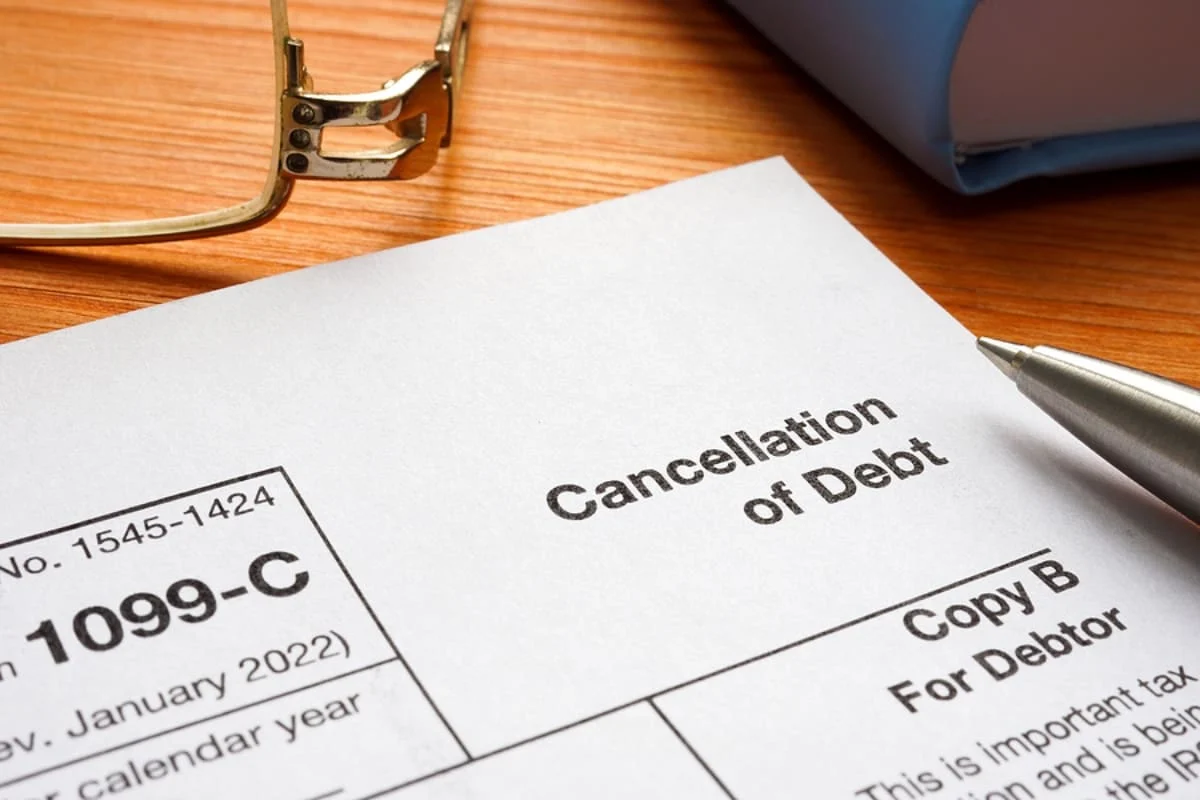
Because this vital safety net has lapsed, any federal student debt forgiven through an income-driven repayment (IDR) plan in 2026 or later is generally treated by the Internal Revenue Service (IRS) as taxable, ordinary income. When a borrower receives debt forgiveness under these plans, the issuing creditor or loan servicer is legally required to issue Form 1099-C (Cancellation of Debt). This form reports the exact amount of discharged debt to both the borrower and the IRS, treating the cancelled balance as if it were cold, hard cash earned during the tax year.
Consequently, unsuspecting borrowers could face thousands of dollars in new tax obligations, potentially pushing them into higher marginal tax brackets and creating a financial crisis just as they thought their debt struggles were finally over.
Chronology: The Timeline of Student Loan Taxation and Forgiveness
To understand how the current landscape evolved, it is essential to look at the legislative and regulatory timeline governing student loan forgiveness and its changing tax implications.
- Pre-2021 (The Historical Standard): Historically, under the Internal Revenue Code, any debt that was forgiven, cancelled, or discharged for less than the full amount owed was treated by the IRS as taxable income. While targeted programs like Public Service Loan Forgiveness (PSLF) were statutorily exempt, borrowers utilizing Income-Driven Repayment (IDR) plans faced a significant tax bomb after 20 or 25 years of payments.
- March 2021 (The American Rescue Plan Act): In response to the economic devastation of the COVID-19 pandemic, Congress passed the American Rescue Plan Act. A lesser-known provision of this legislation temporarily made all student loan forgiveness tax-free at the federal level, regardless of whether the relief came from IDR plans, borrower defense, or institutional closures. This exemption applied to tax years 2021 through 2025.
- December 31, 2025 (The Exemption Expires): The temporary federal tax relief established by ARPA reached its sunset date. Lawmakers did not renew the provision, meaning the pre-2021 tax rules automatically sprang back into effect for any forgiveness processed starting January 1, 2026.
- Early 2026 and Beyond (The Post-ARPA Reality): Borrowers who complete their required IDR payment periods in 2026 or later are once again subjected to federal income taxes on their forgiven balances. However, an important nuance remains: if a borrower met all statutory requirements for forgiveness by or before December 31, 2025, their discharged balance remains federally tax-free, even if administrative processing delays push the actual paperwork issuance into early 2026.
Supporting Data: Understanding the Math Behind the "Tax Bomb"
The financial impact of a Form 1099-C cannot be overstated. When the IRS counts cancelled debt as "other income," it aggregates that amount with your standard wages, salary, and investment earnings. This artificial inflation of your gross income can drastically shift your tax bracket.
A Real-World Example of Bracket Creep
Consider a single filer with a modest annual taxable salary of $40,000, placing them comfortably within the 12% federal income tax bracket under historical tax tables. Now, suppose this same borrower receives $50,000 in student loan forgiveness through an IDR plan.
- Original Gross Income: $40,000
- Forgiven Debt Added (Form 1099-C): +$50,000
- New Adjusted Gross Income (AGI): $90,000
Because of this influx of "phantom income," the borrower’s tax bracket surges from 12% to the 24% marginal tax bracket.
- Estimated Tax Bill Without Forgiveness: ~$4,598
- Estimated Tax Bill With Forgiveness: ~$15,442
- The Net Tax Bomb: An additional $10,844 owed directly to the IRS in a single tax season.
While standard tax deductions and credits can sometimes cushion the blow, many middle- and lower-income borrowers do not have liquid savings sufficient to absorb a sudden five-figure tax bill.
Official Responses and Exemptions: Who is Safe from the Tax Bomb?
Fortunately, not all forms of student loan relief trigger a Form 1099-C or a federal tax bill. Federal regulators and statutory guidelines carve out specific exceptions where forgiven debt remains entirely tax-free at the federal level:
- Public Service Loan Forgiveness (PSLF): Borrowers who work in qualifying public service—such as government agencies, 501(c)(3) non-profits, or public education—and complete 120 qualifying monthly payments under the PSLF program enjoy a statutory exemption. PSLF forgiveness is 100% tax-free at both the federal and state levels.
- Total and Permanent Disability (TPD) Discharge: Individuals whose federal student loans are discharged due to a total and permanent disability do not owe federal income tax on the relief. Furthermore, the IRS explicitly mandates that loan servicers should not issue a Form 1099-C for TPD discharges. Borrowers who erroneously receive a 1099-C for disability discharge must contact their loan servicer immediately to have the form amended.
- Borrower Defense to Repayment: Discharges granted because a school misled a student or violated state consumer protection laws are generally not treated as taxable income.
Implications and Strategic Solutions for Borrowers
For the millions of borrowers currently enrolled in IDR plans who anticipate reaching their 20- or 25-year forgiveness milestone in 2026 or beyond, proactive planning is no longer optional—it is critical for financial survival.
If you receive a Form 1099-C, or if you know a tax bomb is in your future, consider the following strategies:
1. Verify the Accuracy of Form 1099-C
Never assume a tax form issued by a servicer is infallible. Cross-reference the amount listed in Box 2 of your 1099-C with your own historical records, payment history, and official loan payoff statements. Ensure that duplicate reporting or administrative errors have not inflated your liability.
2. Check State-Level Tax Laws
While federal rules dictate income taxation, state tax laws vary wildly. Some states automatically conform to federal tax codes (meaning if it’s taxable federally, it’s taxable locally), while others maintain independent exemptions for student loan forgiveness. Consult a certified public accountant (CPA) who understands your specific state’s tax code.
3. Leverage the IRS Insolvency Exception
If the tax bill threatens to overwhelm your finances, you may be able to utilize the IRS insolvency rule. Under tax law, if your total liabilities (debts, mortgages, credit cards, medical bills) exceed the total fair market value of your assets immediately before the debt is cancelled, you are considered insolvent. The IRS allows you to exclude forgiven debt from your taxable income up to the exact amount by which you were insolvent.
4. Establish an IRS Payment Plan
If you do not qualify for insolvency and cannot pay your lump-sum tax bill, the IRS offers structured relief. Borrowers who owe less than $50,000 in combined taxes, penalties, and interest can set up a long-term installment agreement (payment plan). While this incurs setup fees, interest, and late penalties, it spreads out the financial shock compared to relying on high-interest commercial credit cards or personal loans.
5. Plan Ahead with Financial Modeling
Waiting until the year of forgiveness to address the tax bomb is a recipe for disaster. Utilize dedicated student loan calculators and consult with fee-only financial planners who specialize in student debt navigation. By estimating your future tax liability years in advance, you can open a dedicated high-yield savings account and systematically siphon away small amounts each month, neutralizing the tax bomb long before it detonates.