







In the rarified world of ultra-premium aviation, the distinction between "Business Class" and "First Class" is usually defined by a chasm of service, privacy, and tangible amenities. However, Starlux Airlines, the ambitious Taiwanese carrier founded by Chang Kuo-wei, is challenging these traditional boundaries. By deploying its flagship Airbus A350-1000s on short-haul routes between Taipei and Tokyo, Starlux has created a unique, if somewhat perplexing, premium tier.
While the airline offers a "true" first-class experience on its long-haul transpacific flights, the regional iteration presents a curious case study in brand positioning. Is this a genuine luxury product, or merely a "Business Class Plus" offering masked by a First Class label?
The Strategic Deployment: Why First Class on Short-Haul?
Starlux’s operational strategy is dictated by the realities of its fleet utilization. Because its A350-900 and A350-1000 aircraft arrive at Taipei (TPE) from transpacific journeys in the early morning and depart late at night, the airline possesses a large "gap" in the middle of the day. To maximize asset utilization, these widebody jets are deployed on high-demand regional "turns" to hubs like Tokyo Narita (NRT).

This scheduling quirk provides a rare opportunity for passengers to experience a long-haul hard product on a flight of under three hours. Yet, the question remains: does the product translate well to a sub-three-hour window, or does the lack of long-haul accoutrements diminish the brand’s promise of exclusivity?
A Chronology of the Experience: From LAX to Tokyo
To understand the nuance, one must compare the two environments. My journey began with a transpacific crossing from Los Angeles to Taipei in Starlux’s A350-900 first class. The experience was defined by meticulous attention to detail: full caviar service, high-end pajamas, and an expansive amenity kit.
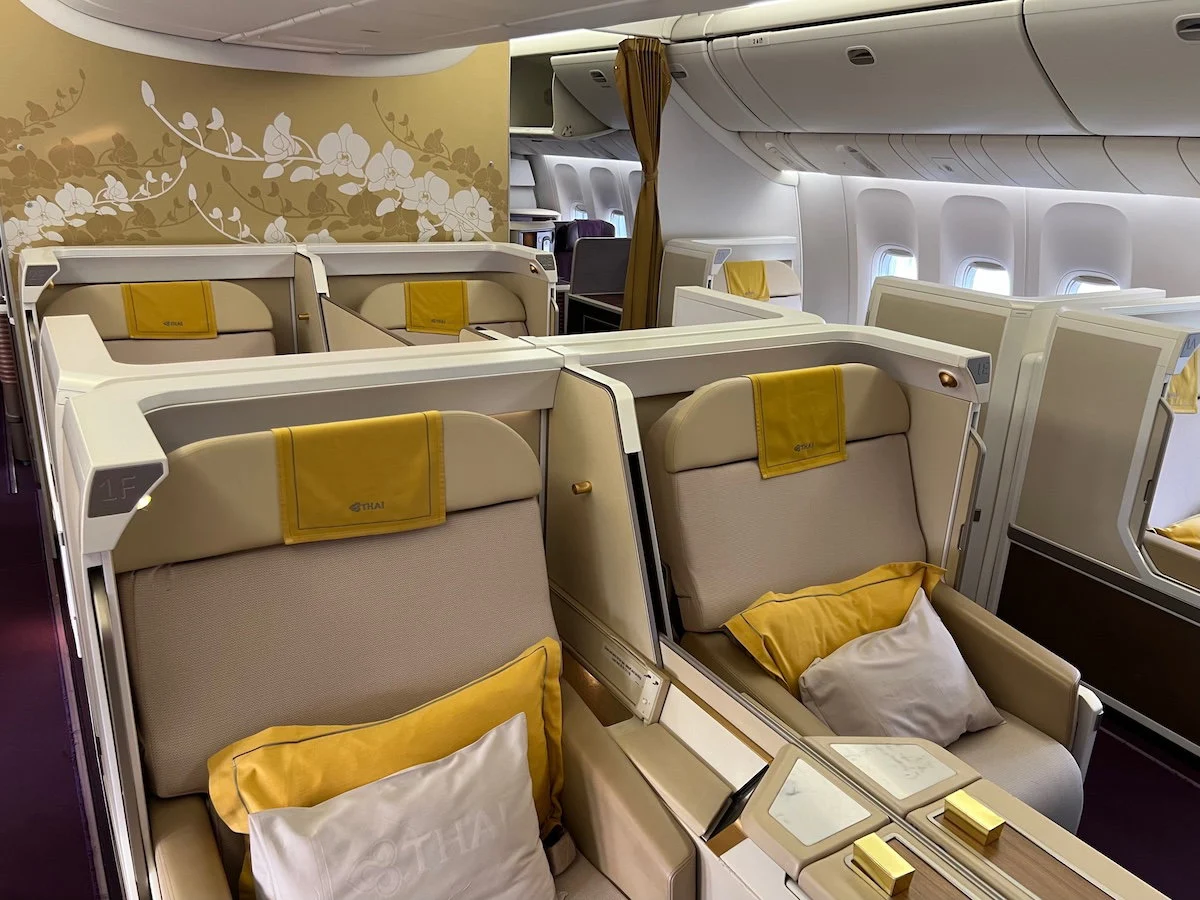
Upon connecting in Taipei, I transitioned to the A350-1000 for the short leg to Tokyo. The transition highlighted the stark contrast in service tiers. While the hard product—the seat itself—remained identical, the atmosphere shifted. The cabin, which is configured for long-haul comfort, felt strangely vast and empty during the short hop to Japan.

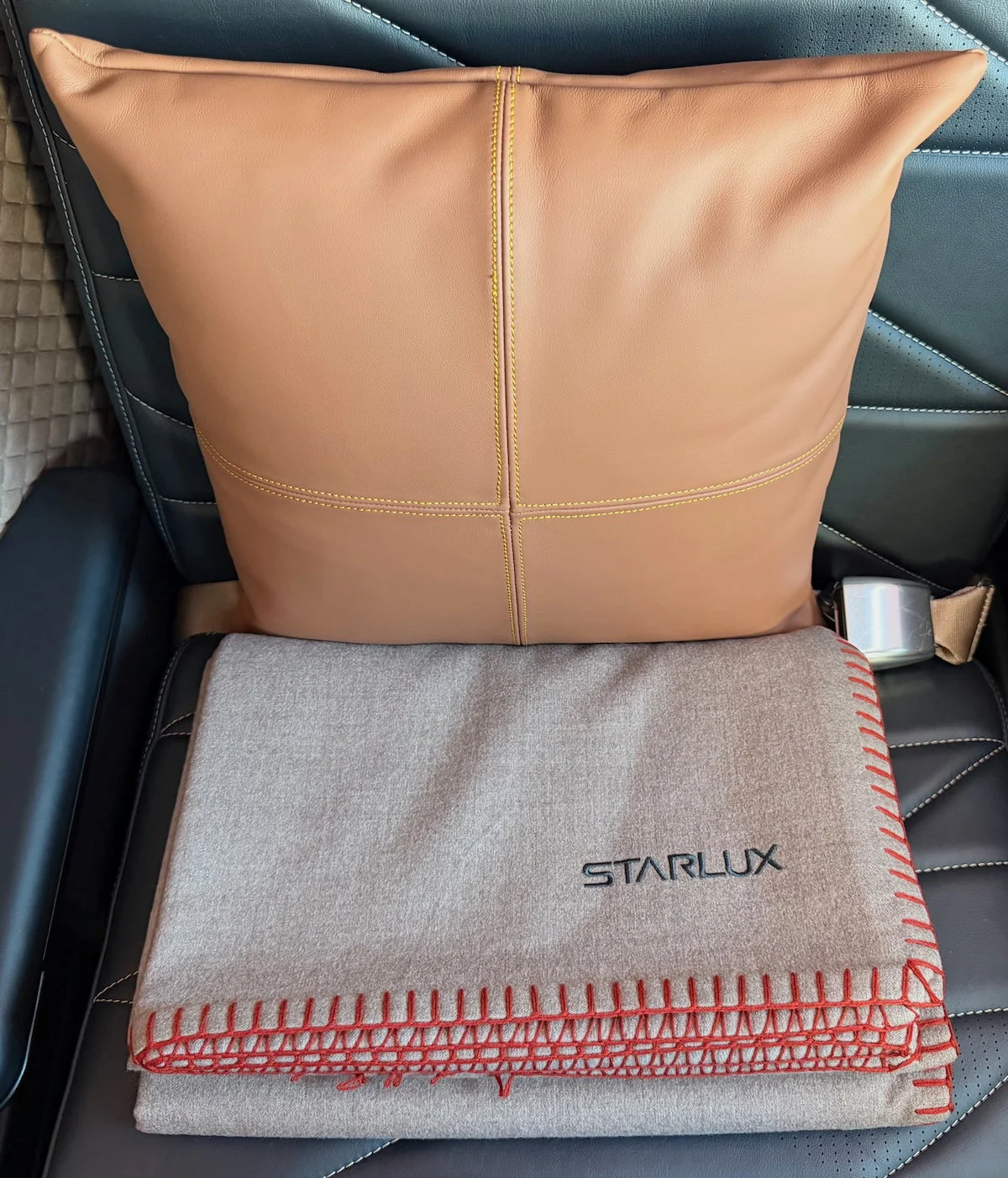
The service flow was compressed. Upon boarding, the absence of traditional first-class "gifts"—no pajamas, no amenity kits, no high-thread-count bedding—was immediately apparent. While the airline maintained its premium wine list, the ritualistic indulgence of a long-haul first-class flight was replaced by a more streamlined, albeit high-quality, business-class-style service.
Supporting Data: The Value Proposition
Starlux’s pricing strategy serves as the clearest indicator of how they view these products. A one-way transpacific first-class ticket typically retails for approximately $9,000, while the regional first-class product is priced around $2,500.
Comparative First-Class Availability (Short-Haul)
| Airline | Strategy |
|---|---|
| Emirates | Consistently offers full first-class service on regional widebody routes. |
| Singapore Airlines | Offers first class on select, high-demand short-haul routes. |
| Cathay Pacific | Maintains limited first-class regional operations. |
| Starlux Airlines | Utilizes existing long-haul hardware for regional utilization. |
While $2,500 for a three-hour flight is undeniably a luxury price point, the value proposition is heavily weighted toward the ground experience rather than the onboard "soft" product.

The Gold Standard: Ground Experience and Logistics
If the onboard experience felt like a "Business Class Plus" hybrid, the ground experience was undeniably world-class. Starlux has mastered the art of seamless logistics, particularly at Tokyo Narita.
Upon arrival in Tokyo, the level of service was exemplary. I was met by a dedicated escort who facilitated a private, "behind-the-partition" immigration clearance, whisking me from the aircraft door directly to the Narita Express platform.
Furthermore, Starlux’s checked baggage protocol is arguably the most sophisticated in the industry. First-class luggage is housed in specialized, branded crates, ensuring they are the first items off the aircraft and processed with the care of high-value cargo. This level of ground handling suggests that Starlux recognizes the importance of the "total journey" for its top-tier clientele, even when the flight time does not justify a full-service culinary experience.

Implications of an Empty Cabin
A persistent point of confusion regarding Starlux’s strategy is the occupancy rate of the first-class cabin. On both the long-haul and regional segments of my trip, I was the sole occupant of the first-class cabin.
This raises significant questions about the commercial viability of the cabin. While having two dedicated flight attendants for a single passenger is a dream for the traveler, it is a logistical and financial paradox for the airline. If the cabin is consistently empty, the airline is essentially burning premium square footage that could be better monetized as an expanded business-class section.
The industry implication is clear: Starlux is playing a long game. By maintaining a first-class cabin, they are establishing a brand identity as a luxury boutique carrier. However, without a more robust strategy to fill these seats—perhaps through more aggressive marketing or loyalty program integration—the cabin risks becoming a vanity project rather than a profit center.

Conclusion: Is it Worth the Splurge?
The verdict on Starlux’s regional first class is binary. If you are looking for the "true" first-class experience—the one that justifies the $9,000 price tag—the short-haul flight is not the place to find it. The absence of long-haul amenities strips the product of its luster, leaving behind a hard product that, while excellent, lacks the "wow" factor of a full-service international flight.
Conversely, for those who value the ground experience—the expedited immigration, the logistical efficiency, and the feeling of exclusivity—the regional product is a masterclass in efficiency.
Ultimately, Starlux has created a unique product that sits uncomfortably between classes. It is an elevated experience that will delight those who enjoy the novelty of a widebody seat on a regional hop, but it stops short of being a destination in itself. For the traveler, the best advice remains: save the splurge for the transpacific journey, where the airline’s vision of true luxury is finally allowed the time and space to breathe.

As Starlux continues to expand its reach and fleet, the airline faces a defining moment: will it refine its first-class strategy to better align with the realities of regional travel, or will it double down on this "Business Class Plus" hybrid, banking on the idea that in the world of luxury, even a shorter, quieter cabin is better than the alternative? Only time—and future passenger demand—will tell.