






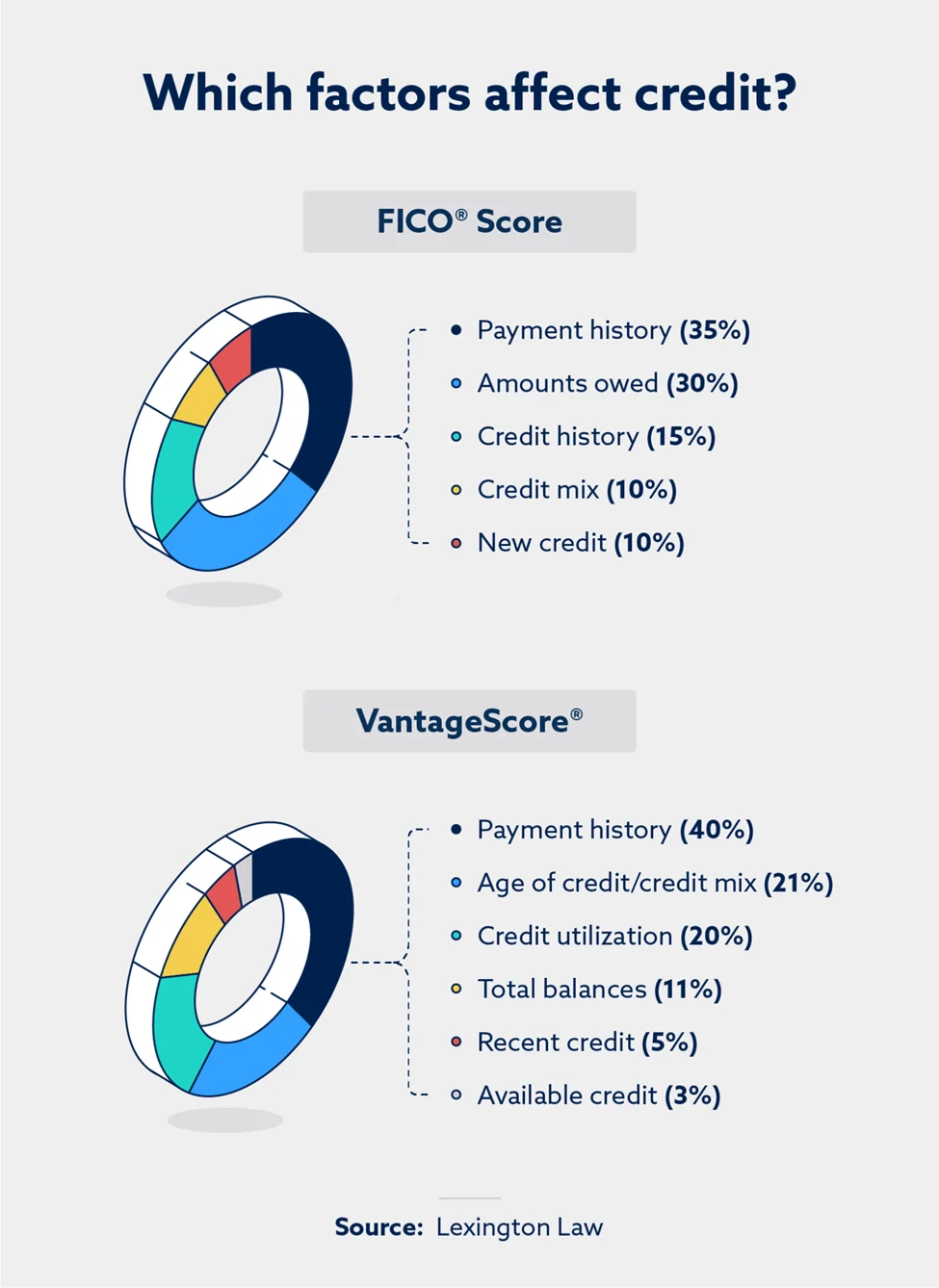
In the intricate world of personal finance, few concepts are as misunderstood as "credit mix." While the average consumer is well-versed in the importance of making on-time payments and maintaining a low credit utilization ratio, the composition of one’s credit file often remains a mystery. Credit mix, defined as the variety of credit accounts an individual maintains, acts as a crucial, albeit secondary, pillar in the calculation of your FICO® and VantageScore ratings. Accounting for roughly 10 percent of your total score, this metric provides lenders with a window into your ability to manage diverse financial obligations.
The Fundamentals of Credit Diversity
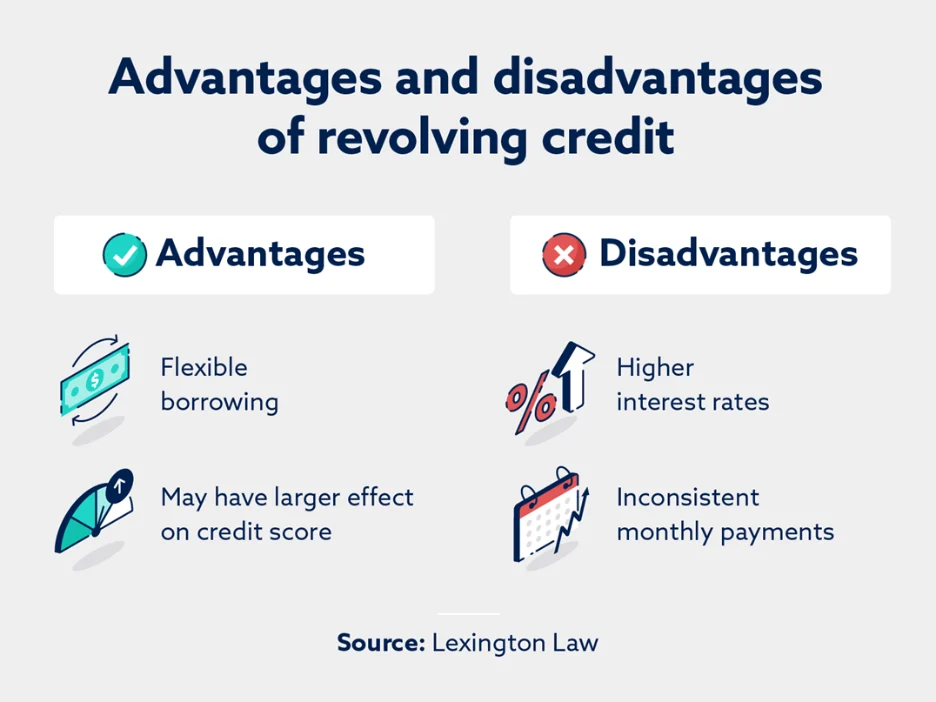
At its core, your credit report is a narrative of your financial reliability. Lenders do not merely look at whether you pay your bills; they scrutinize how you handle different types of debt. A credit profile that demonstrates an ability to juggle both revolving accounts—like credit cards—and installment loans—like auto or mortgage debt—suggests a higher level of financial sophistication and lower risk.
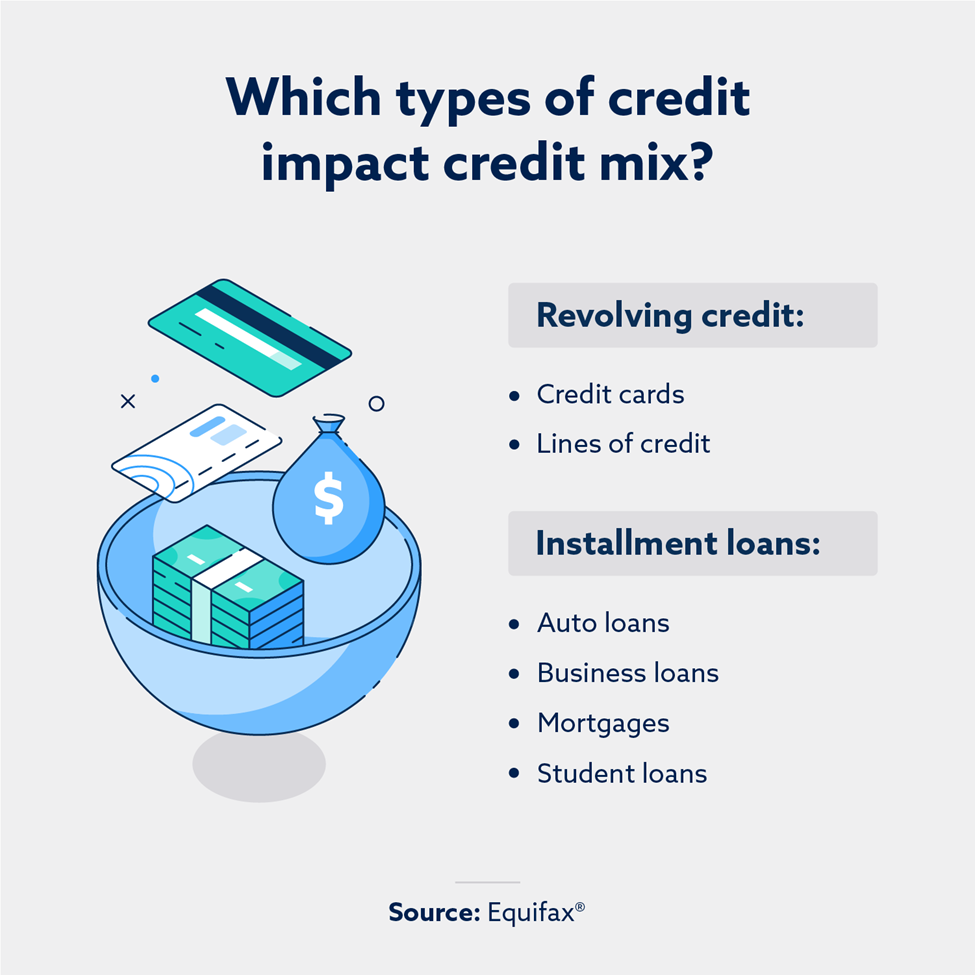
For the uninitiated, the credit ecosystem is bifurcated into two primary categories:
- Revolving Credit: These accounts allow you to borrow against a predetermined limit repeatedly. As you pay down the balance, the available credit replenishes. Credit cards and home equity lines of credit (HELOCs) are the most common examples.
- Installment Credit: This involves a fixed sum of money borrowed, typically for a specific purchase, which is repaid over a set term with fixed monthly payments. Common examples include student loans, auto loans, and mortgages.
The Significance of the "10 Percent" Rule
While 10 percent might seem negligible compared to the 35 percent weight of payment history, credit mix is frequently the deciding factor for consumers with "thin" or "borderline" credit files. When an application for a loan or a credit increase is evaluated, a healthy mix can serve as a tie-breaker. Conversely, a profile that relies exclusively on one type of credit—for instance, a consumer who holds ten credit cards but has never managed an installment loan—may be viewed as less experienced, potentially limiting their access to favorable interest rates.

A Chronological Evolution of Your Credit Profile
Building a credit mix is not a sprint; it is a gradual evolution that should mirror your life’s milestones.
Phase 1: The Foundation (Early Years)
Most individuals begin their journey with a single revolving account, such as a secured credit card or an entry-level student credit card. During this phase, the primary goal is to establish a consistent, positive payment history. Diversification is rarely the priority here, as the risk of overextension is high.
Phase 2: The Expansion (Young Professional)
As one moves into early adulthood, life events often naturally introduce installment debt. Purchasing a first vehicle or taking out a student loan provides the first opportunity to diversify. This is the stage where the credit mix begins to take shape organically.
Phase 3: The Consolidation (Establishing Stability)
As consumers enter their prime earning years, they often acquire a mortgage or home equity loan. This represents the pinnacle of credit mix, as the borrower is now managing a complex portfolio of revolving and long-term installment debt. At this stage, the focus shifts from "building" to "maintaining" as the borrower demonstrates the discipline required to handle long-term financial commitments.

Supporting Data: Why Variety Matters to Lenders
Statistical models used by major credit bureaus (Equifax, Experian, and TransUnion) are designed to identify patterns. Data suggests that individuals who demonstrate success across multiple categories of debt are statistically less likely to default.
It is important to note what does not contribute to this mix. Despite common misconceptions, the following do not count toward your credit mix:
- Debit and Prepaid Cards: Because these draw from existing funds rather than borrowed credit, they do not establish a repayment history.
- Utility and Telecom Bills: While some modern "alternative credit" platforms (like Experian Boost) allow these to be reported, they are not standard revolving or installment accounts and do not carry the same weight as traditional loans.
- Rental Payments: Similar to utilities, these are contractual obligations but are not classified as credit accounts in traditional scoring models.
Official Industry Perspectives and Expert Guidance
Financial institutions and credit reporting agencies emphasize that the quality of the account is vastly more important than the mere presence of it. According to industry experts, "chasing" a credit mix by opening unnecessary accounts is a dangerous fallacy.
"The goal is not to have one of everything," says one credit analyst. "The goal is to demonstrate that you can handle the credit you currently have, regardless of its type."

Lenders are specifically looking for a "thin file" versus a "thick file." A thin file has very few accounts, making it difficult for a lender to predict future behavior. A thick file, even one with a diverse mix, provides a wealth of data points. However, if that thick file contains multiple late payments, the "mix" becomes irrelevant. The hierarchy of credit scoring remains firm: Payment history and utilization ratios will always supersede the composition of your accounts.
Strategic Implications for the Consumer
For those looking to optimize their credit profile, the following strategies are recommended:
1. Avoid "Credit Chasing"
Never open a new account solely for the purpose of diversification. Opening an account that you do not need leads to two immediate negative impacts: a "hard inquiry" which can temporarily lower your score, and a decrease in the average age of your accounts. The marginal benefit of adding a new installment loan does not outweigh the damage caused by a rash, unnecessary application.
2. Prioritize Longevity
If you have a mix of credit, keep it. Closing old accounts—even those you rarely use—can shorten your credit history and potentially increase your utilization ratio. If you have an installment loan that is nearly paid off, letting it run to completion is often better for your score than paying it off early, as it maintains the account’s history on your report.
3. The "Free Assessment" Approach
If you are uncertain about the state of your credit mix, utilizing a professional credit assessment service can be highly beneficial. Many consumers are unaware of inaccuracies on their reports, such as closed accounts that are still listed as active, or debt that was paid off but failed to update. Organizations like Lexington Law provide tools to review these reports, allowing consumers to identify and dispute discrepancies that could be dragging down their credit standing.
Navigating the Future: Common FAQs
Can having too much credit hurt my mix?
No. Credit mix measures variety, not total volume. However, having an excessive number of accounts can lead to a fragmented profile that suggests "credit seeking" behavior, which may cause lenders to pause.
Do I need a mortgage to have a good score?
Absolutely not. A "good" mix can be achieved with as little as one credit card and one auto loan. You do not need to take on massive, long-term debt to satisfy the credit scoring algorithms.
If I pay off my car, will my score drop?
It is common to see a slight dip when an installment loan is closed. This occurs because the total number of open accounts has decreased and the "mix" of your file has changed. However, this is usually temporary. As long as your payment history remains perfect, your score will stabilize.
Conclusion: The Holistic View
Credit mix is not a shortcut to a perfect score. It is a subtle component of your financial identity that rewards patience and responsible stewardship. By focusing on the fundamentals—paying your bills on time, keeping your balances low, and letting your credit history grow naturally through life’s necessary milestones—you will inherently build a robust and healthy credit mix.
As you navigate your financial journey, remember that your credit report is a long-term project. The "mix" is simply the byproduct of a life lived with financial intention. Should you encounter roadblocks, such as inaccurate reporting or the need for professional guidance in cleaning up your credit file, resources are available to help you advocate for the accuracy you deserve. Ultimately, the best way to improve your credit mix is to focus on being the type of borrower that lenders are eager to compete for—reliable, consistent, and prudent.