








Dealing with debt collectors is an experience that often ranks among the most stressful financial encounters an individual can face. When a debt remains unpaid for an extended period—typically three months or more—the original creditor often offloads the account to a third-party collection agency. Suddenly, the silence of your inbox is replaced by persistent phone calls, ominous letters, and a growing sense of anxiety.
However, it is crucial to understand that being in debt does not strip you of your legal protections. The financial landscape is governed by stringent regulations designed to prevent predatory behavior. By arming yourself with knowledge, verifying the legitimacy of claims, and employing strategic negotiation tactics, you can transform a chaotic situation into a manageable path toward financial recovery.
The Landscape of Debt Collection: Main Facts and Legal Protections
At the heart of consumer protection in the United States is the Fair Debt Collection Practices Act (FDCPA). Enacted to eliminate abusive, deceptive, and unfair debt collection practices, the FDCPA serves as the primary shield for consumers. It mandates how collectors must behave, what they must disclose, and, perhaps most importantly, what they are strictly forbidden from doing.
Understanding the Regulatory Framework
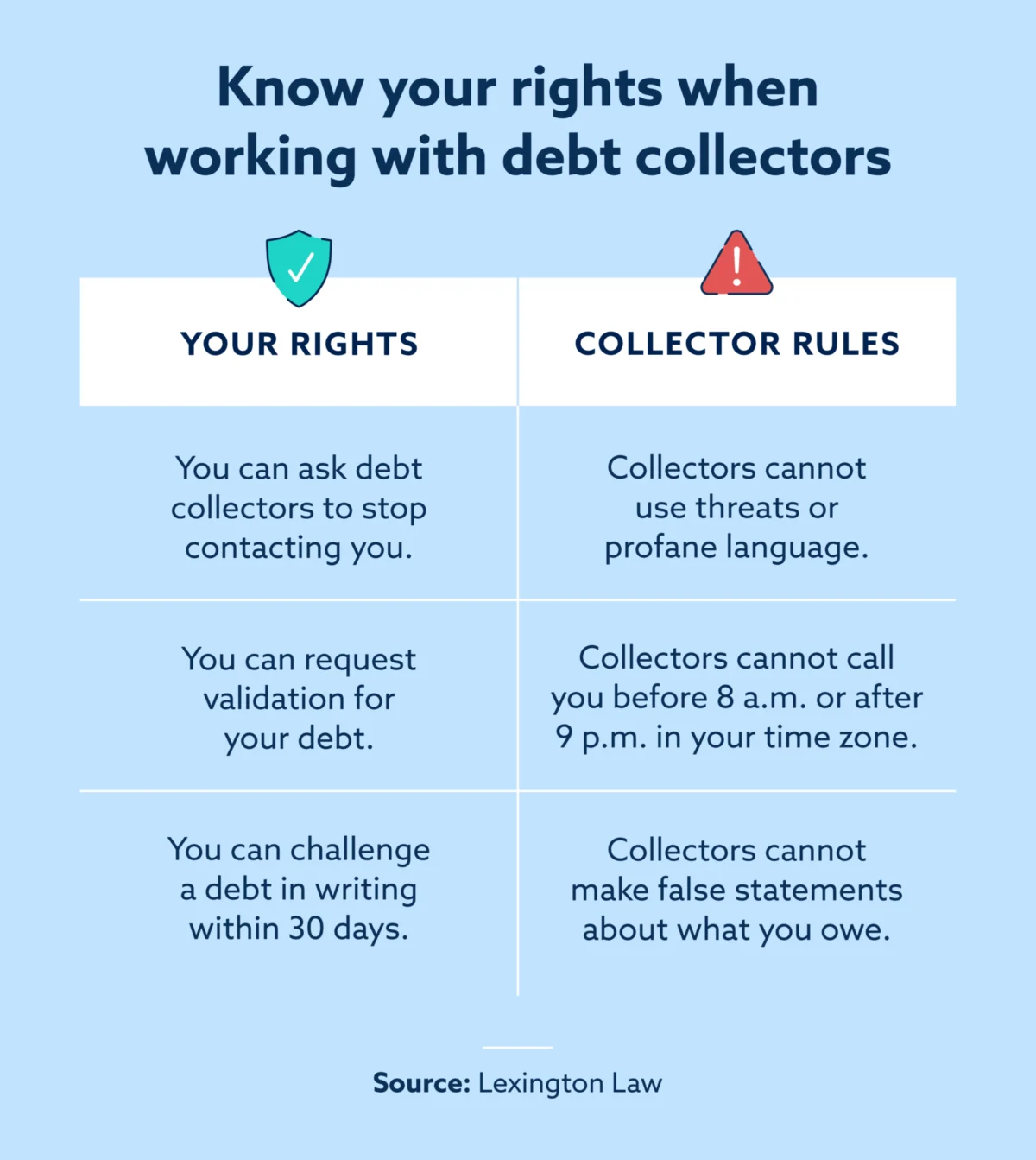
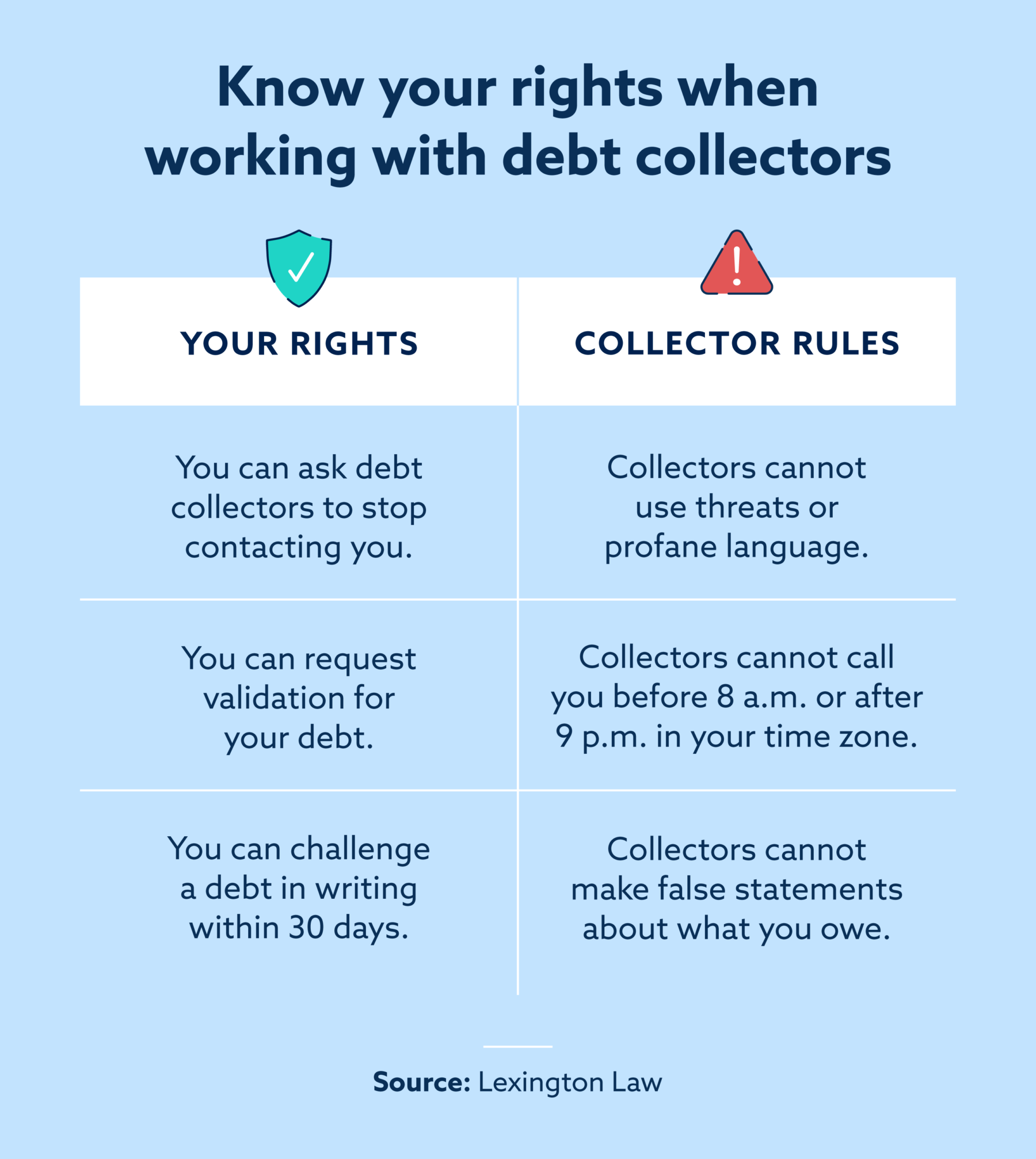
Under the FDCPA, debt collectors are prohibited from using harassment or intimidation. They cannot threaten physical violence, use profane language, or repeatedly call with the intent to annoy or abuse. Furthermore, they are barred from making false representations, such as pretending to be law enforcement or threatening legal action that they do not intend to take—or do not have the authority to take.
Key Communication Restrictions
The law sets clear boundaries regarding the "when" and "where" of communication:

- Time Limits: Collectors may not contact you before 8 a.m. or after 9 p.m. in your local time zone.
- Workplace Rules: If you inform a collector—verbally or in writing—that your employer does not allow you to receive such calls, they are legally obligated to cease calling your place of employment.
- Third-Party Privacy: Collectors are generally prohibited from discussing your debt with third parties, including family members, friends, or neighbors, except to obtain your contact information.
Chronology: What Happens When a Debt Goes to Collections?
The transition from a standard account to a collection account follows a predictable timeline. Understanding this progression allows you to stay ahead of the curve.
Phase 1: The Delinquency Period
Before a collection agency enters the picture, your account with the original creditor becomes delinquent. During this time, the creditor will typically send notices and attempt to collect payment themselves.
Phase 2: The Charge-Off
After roughly 90 to 180 days of non-payment, the original creditor will "charge off" the debt. This is an accounting designation indicating that the creditor no longer expects to collect the full amount and is moving the debt to their internal bad-debt ledger or selling it to a third-party debt buyer.
Phase 3: The Initial Contact
Within five days of their initial communication, the collection agency is legally required to send you a written "validation notice." This document must explicitly state:
- The amount of money you owe.
- The name of the original creditor.
- Your right to dispute the debt within 30 days.
Phase 4: The Validation and Dispute Period
If you receive a notice for a debt you do not recognize, the clock starts ticking. You have 30 days to request "debt validation." During this time, the collector must pause collection efforts until they provide proof that the debt is yours and that the amount is accurate.

Supporting Data: Why Diligence Matters
The impact of debt collection on the American consumer is significant. According to reports from the Consumer Financial Protection Bureau (CFPB), tens of thousands of complaints are filed annually against debt collectors for issues ranging from "attempting to collect a debt not owed" to "communication tactics."
In one fiscal year, the CFPB processed over 75,000 complaints related to debt collection. The high volume of reports underscores the necessity of verifying every claim. Many consumers fall victim to "zombie debt"—debts that are past the statute of limitations or have already been paid but remain on credit reports due to clerical errors. By verifying the debt, you prevent the risk of paying for errors or fraudulent claims that have no legal standing.
Step-by-Step Strategy: How to Respond Effectively
1. Verify the Debt Immediately
Never pay or promise to pay a collector without proof. Request a formal validation letter. Verify the following:
- The Creditor: Is this a company you actually did business with?
- The Amount: Does the math reflect your records?
- The Statute of Limitations: Check your state’s laws regarding the timeframe for legal collection. If the debt is "time-barred," the collector may not be able to sue you, though they can still ask for payment.
2. Communicate Wisely
Treat every interaction as a formal business negotiation.
- Do: Keep a detailed log of every call, including the date, time, the agent’s name, and what was said.
- Do: Request all communication in writing.
- Don’t: Give them access to your bank account or provide sensitive personal information beyond what is strictly necessary to identify the account.
- Don’t: Admit liability or make a partial payment until you have verified the debt, as this could reset the statute of limitations in some jurisdictions.
3. Negotiate the Settlement
If the debt is legitimate, you may be able to settle for less than the full amount. Collectors often buy debt for pennies on the dollar; therefore, they may be willing to accept a lump-sum payment of 40% to 60% of the total balance to close the account.

- Pro Tip: Always get the settlement agreement in writing before sending a single cent. Never send money until you have a document stating that the payment will be considered "payment in full" or "settlement of account."
Implications: The Long-Term Credit Impact
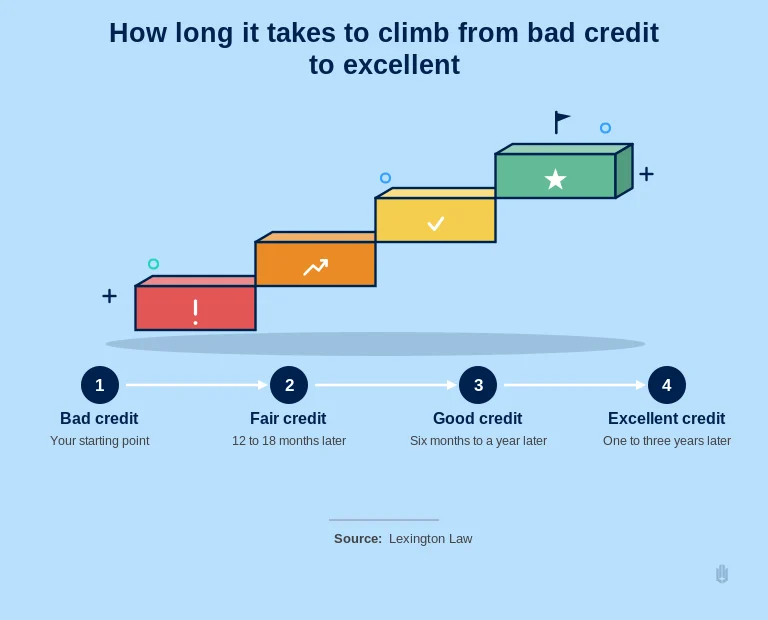
The most lasting consequence of a collection account is the damage it inflicts on your credit score. A collection item can remain on your credit report for up to seven years from the date of the original delinquency. Even after you pay the debt, the "collection" status remains visible, which can hinder your ability to secure loans, rent apartments, or even land certain jobs.
Rebuilding Your Financial Standing
Once the immediate crisis of the collector is addressed, the focus must shift to credit repair. This involves:
- Disputing Inaccuracies: If you find errors on your credit report (e.g., the debt is listed twice or the balance is wrong), file a dispute with the three major credit bureaus (Equifax, Experian, and TransUnion).
- Consistency: Establishing a track record of on-time payments for your other accounts.
- Professional Assistance: If the process feels overwhelming, consider consulting with a reputable credit repair organization. These professionals specialize in navigating the complex dispute processes mandated by the Fair Credit Reporting Act (FCRA).
Official Responses and Recourse
If a collection agency persists in harassment or violates the FDCPA, you are not powerless. You have the right to escalate the issue:
- File a CFPB Complaint: The Consumer Financial Protection Bureau is the primary federal watchdog for consumer finance. A complaint filed here forces the collector to respond to the bureau, which often results in a swift resolution.
- Report to the FTC: The Federal Trade Commission monitors patterns of fraud. Reporting incidents helps the agency build cases against predatory firms.
- State Attorney General: Most states have their own consumer protection laws that are often even stricter than federal regulations. Contacting your state’s Attorney General can provide another layer of defense.
Final Thoughts: Taking Control
Debt collection is not a moral failing; it is a common, albeit difficult, financial hurdle. By treating the process with the same level of professional detachment as you would a business contract, you can protect your rights and mitigate the damage to your credit.
Remember, the goal is to resolve your debt obligations while ensuring that you are not being coerced into paying more than you owe or being subjected to illegal intimidation. If you find yourself in over your head, remember that credit repair is a marathon, not a sprint. Take it step by step, keep meticulous records, and don’t hesitate to lean on legal or professional resources when necessary.
Disclaimer: The information provided in this article is for general informational purposes only and does not constitute legal, financial, or credit advice. Laws regarding debt collection vary by jurisdiction and are subject to change. Always consult with a qualified professional regarding your specific financial situation before making major decisions.