








That book of checks that just arrived from your credit card issuer might appear to be a financial windfall—a sudden infusion of liquid capital tucked away in your mailbox. However, financial experts warn that using these "convenience checks" without a rigorous strategic plan is a recipe for a fiscal disaster. While these checks allow you to tap into your credit limit using paper instead of plastic, they are fundamentally different from standard credit card purchases. They often carry immediate interest, steep transaction fees, and a complete absence of the consumer protections that shield cardholders during routine transactions.
Understanding exactly what a convenience check is—and the rare instances where it might be mathematically sound to use one—is essential before you sign on the dotted line. This guide provides a deep dive into the mechanics of these instruments, the true cost of their use, and the long-term impact they can have on your credit health.
The Mechanics of Convenience Checks: What Are They?
A convenience check, often referred to as a "credit card check," is a paper instrument issued by your credit card company that draws funds directly against your available credit line rather than your personal checking account. When you write one of these checks, you are essentially initiating a loan from your credit card issuer.
While the physical act of writing the check mirrors that of a standard personal check, the backend processing is vastly different. In the eyes of your credit card issuer, convenience checks are almost universally processed as "cash advances." This distinction is the most critical factor for borrowers to grasp. A standard credit card purchase typically offers a "grace period"—usually 21 to 25 days—during which you can pay your balance in full without incurring interest. Convenience checks rarely offer this luxury. Interest begins accruing from the very moment the check clears, and a significant transaction fee is triggered instantly.

The Chronology of a Convenience Check Transaction
To understand why these instruments are so often described as "financial landmines," it is helpful to look at the timeline of a typical transaction:
- The Issuance: The credit card company sends a solicitation containing the checks, often touting them as a way to "unlock" your credit limit for home repairs, large purchases, or debt consolidation.
- The Execution: You write the check to a vendor or yourself and deposit it.
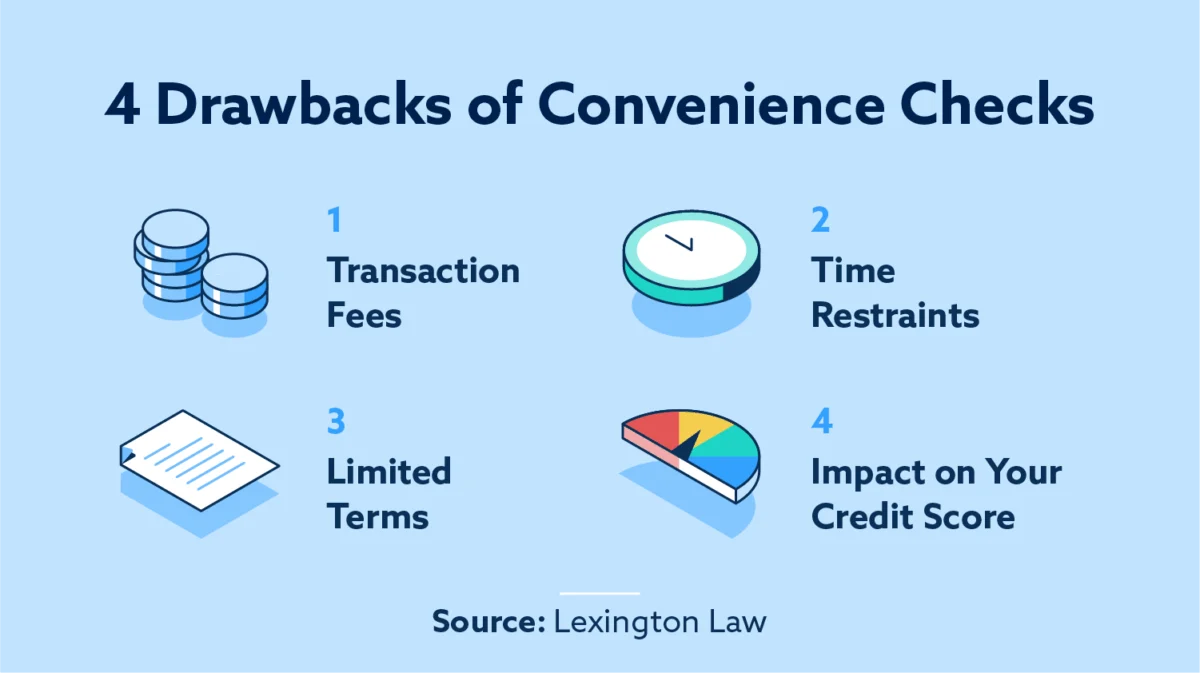
- The Immediate Fee: The moment the bank processes the check, a transaction fee (typically 3% to 5% of the total amount) is applied to your balance. If you write a $1,000 check with a 5% fee, you owe $1,050 immediately.
- Day One Interest: Unlike a standard purchase, the clock on interest starts ticking immediately. There is no grace period.
- The Impact on Utilization: The transaction is reported to credit bureaus as a high-utilization event, which can lower your credit score significantly within the next billing cycle.
- The Repayment Phase: Because interest is compounding daily from the date of the transaction, any payment you make is first applied to interest and fees before touching the principal, potentially keeping you in a debt cycle for years.
Supporting Data: The Real Cost of Borrowing
When you analyze the math behind convenience checks, the cost of capital becomes clear. If a consumer writes a $5,000 convenience check for a home renovation, they might face an immediate 5% fee—a $250 penalty just for accessing the funds. If that card has a 25% APR, and the borrower takes six months to pay off the balance, they will end up paying significantly more than the original $5,000.
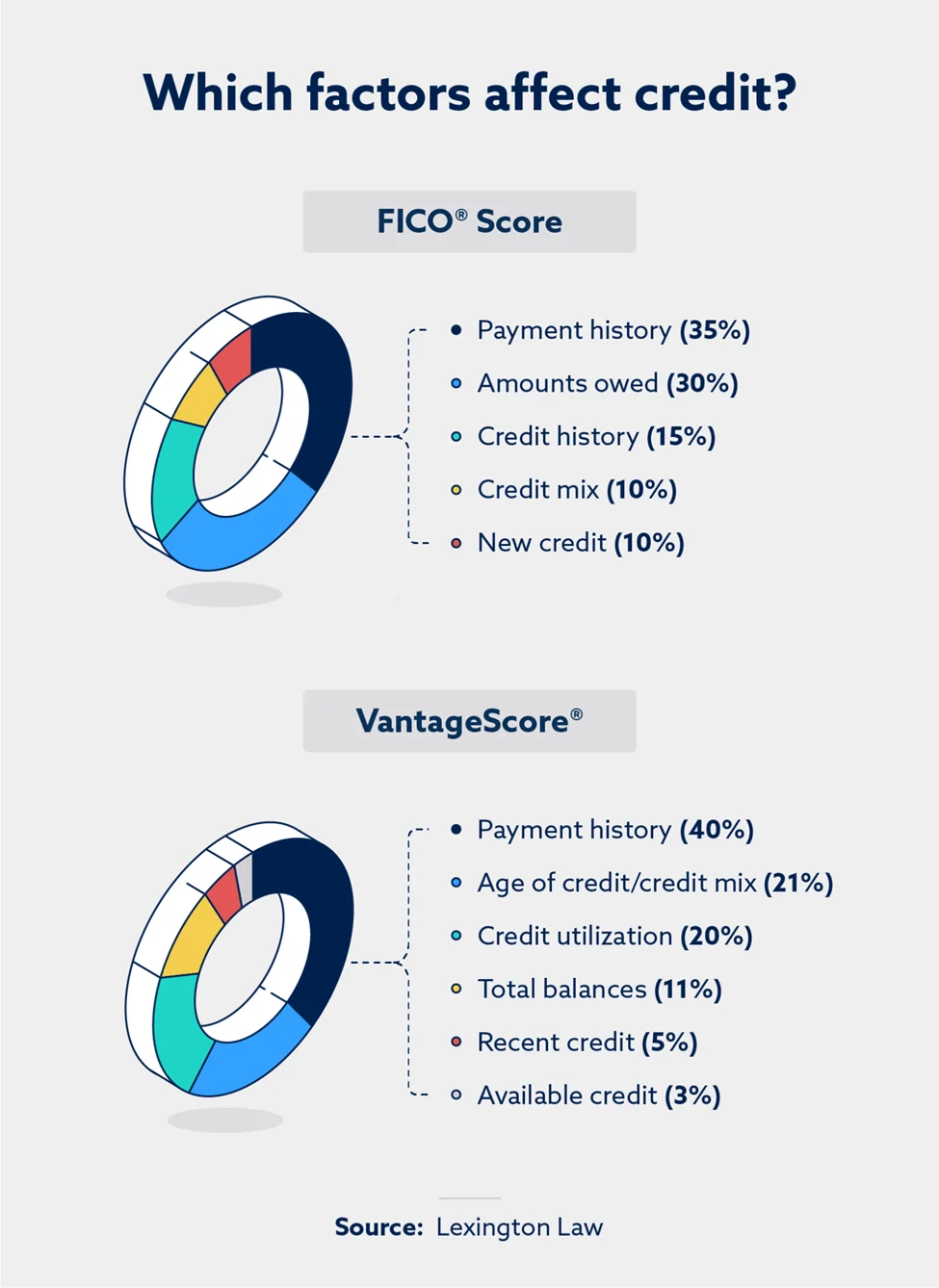
Furthermore, data from credit bureaus suggests that consumers who utilize convenience checks often experience a sharp, sudden drop in their credit scores. This is primarily due to the "Credit Utilization Ratio." If your total credit limit across all cards is $20,000 and you write a $5,000 check, you have suddenly utilized 25% of your total available credit. If you have other balances, this move can easily push you over the 30% utilization threshold, which is widely considered the danger zone by FICO scoring models.
Strategic vs. Reckless Use: When Does It Make Sense?
There are only a few scenarios where a convenience check might be considered a legitimate financial tool, and even then, the consumer must be highly disciplined.

Paying Non-Card-Accepting Vendors
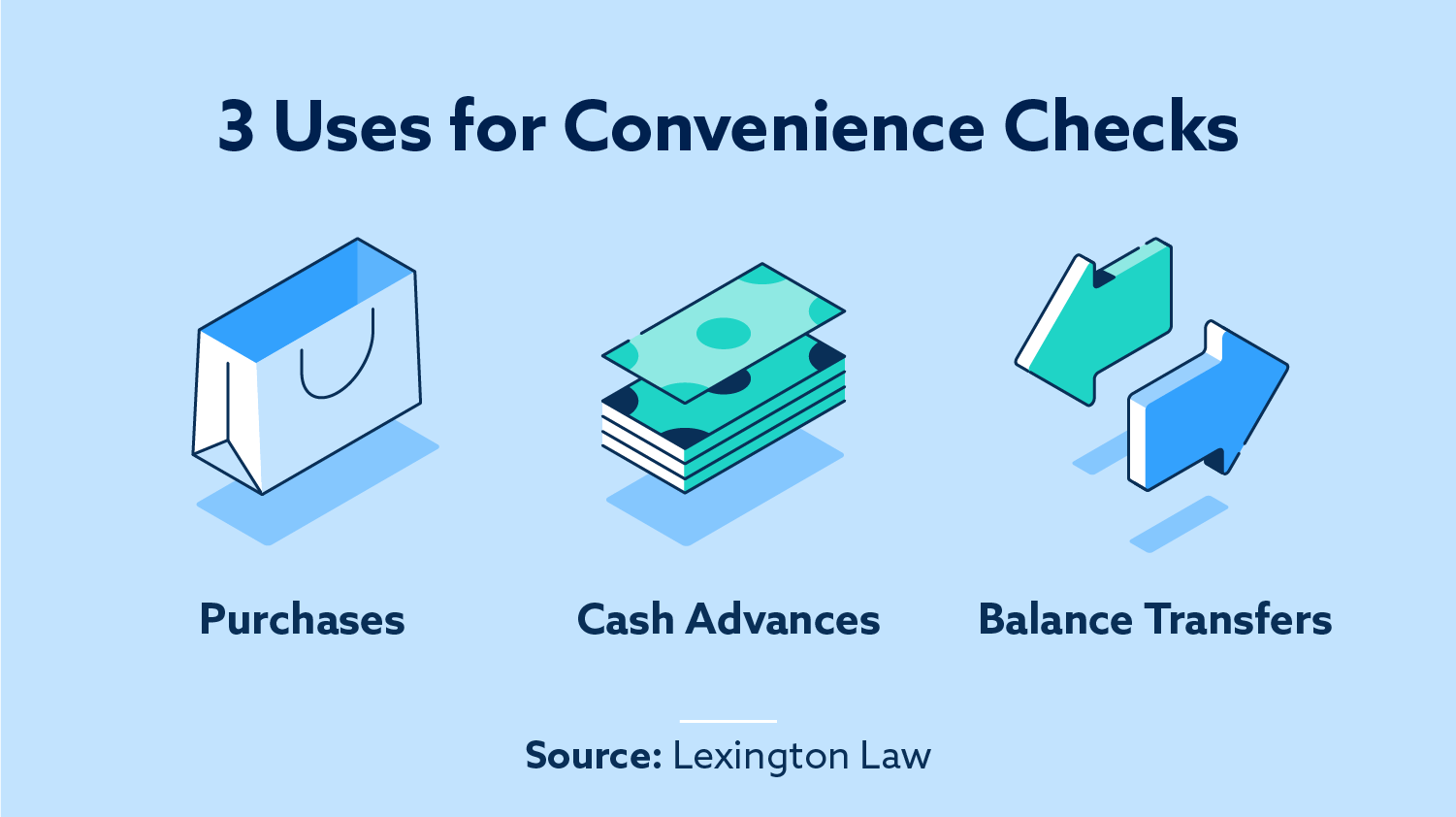
Some service providers—such as small-scale contractors, landlords, or specialized mechanics—do not have the infrastructure to accept credit cards. In these instances, a convenience check allows you to pay for essential services. However, this should be treated as a last resort. If you find yourself needing to use these checks frequently for services, it is a sign that you need to prioritize building a "rainy day" cash fund instead of relying on high-interest credit instruments.
Strategic Balance Transfers
This is the only scenario that can potentially provide a financial benefit. If your issuer sends a promotional check with a 0% APR offer for a specific duration, you could theoretically use it to pay off a high-interest credit card on a different account. However, you must perform a strict cost-benefit analysis. If the upfront transfer fee (3% to 5%) is higher than the interest you would save over the promotional period, the move is a net loss. Furthermore, you must ensure the offer is a true 0% APR and not a "deferred interest" plan, which can retroactively apply years of interest if the balance is not cleared by the deadline.
Accessing Liquid Cash
Using a convenience check to deposit cash into your bank account is arguably the most expensive way to borrow money. With cash advance APRs often reaching 25% or higher, plus the transaction fee, this method is rarely advisable. It is usually a red flag indicating that a household’s liquid savings are depleted.
The Significant Drawbacks: Why Caution is Required
Beyond the immediate costs, there are structural risks that many consumers overlook:

- Lack of Consumer Protections: When you pay for goods or services with a standard credit card, you are protected by the Fair Credit Billing Act. If a contractor performs shoddy work or a product never arrives, you can dispute the charge. Convenience checks offer no such protection; once the check clears, the money is gone.
- The Interception Risk: Unlike a digital credit card transaction, these checks exist as physical documents. If one is stolen or intercepted in the mail, your signature and account details are exposed, making you highly vulnerable to identity theft.
- Deferred Interest Traps: Some promotional offers are structured with "deferred interest." This means that if you fail to pay the balance in full by the end of the promotional period, the bank can charge you for all the interest that would have accrued since day one. This can result in a "bill shock" of hundreds or even thousands of dollars.
Official Perspectives and Industry Standards
Financial regulatory bodies and consumer protection agencies, including the Consumer Financial Protection Bureau (CFPB), have long cautioned against the aggressive marketing of convenience checks. Because these checks are often sent to consumers without a formal request, they are viewed by many as a predatory marketing tactic designed to generate fee revenue from cardholders who may not fully understand the "cash advance" classification.
Industry experts emphasize that if you decide not to use these checks, they should never be thrown in the trash. The most secure method is to shred them, ideally using a cross-cut shredder, and to contact your credit card issuer to request that they stop sending these solicitations to your home.
Implications for Your Credit Profile
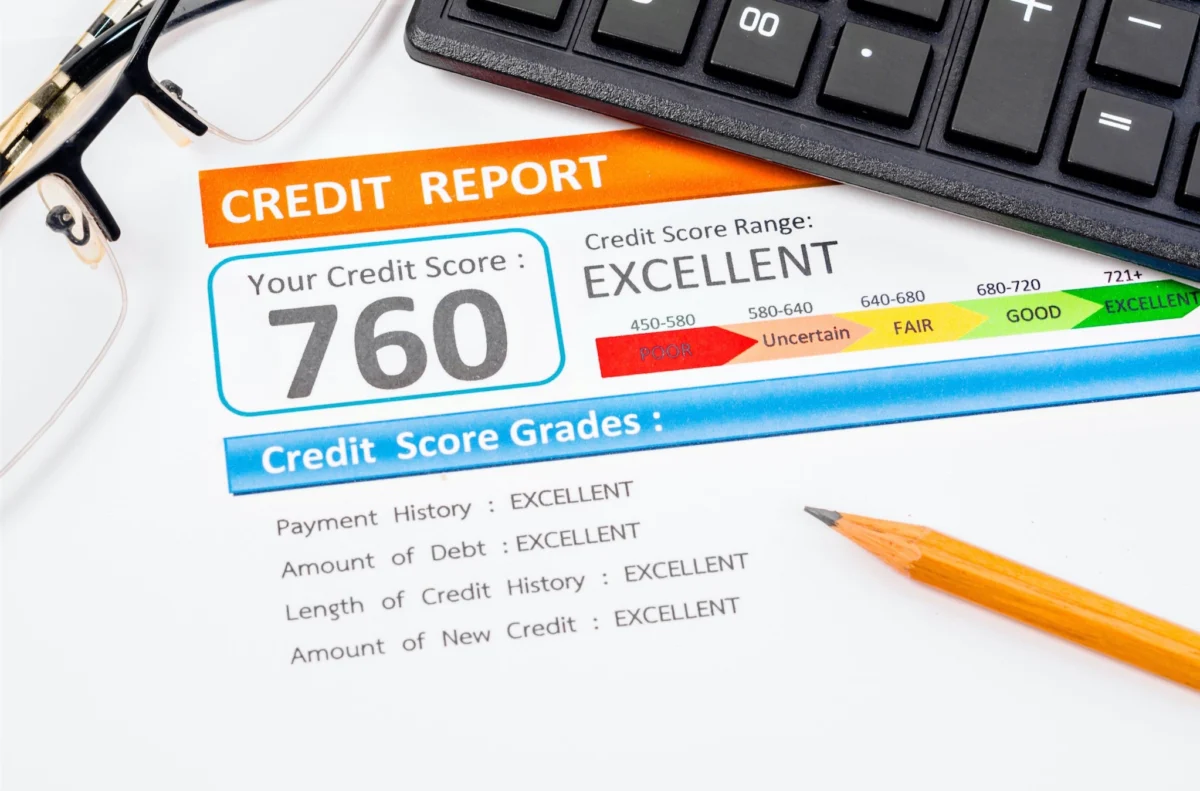
The impact of a convenience check on your credit score is both immediate and long-lasting. Credit scoring models are sensitive to sudden changes in debt levels. By increasing your balance overnight, you signal to lenders that you may be experiencing financial distress.
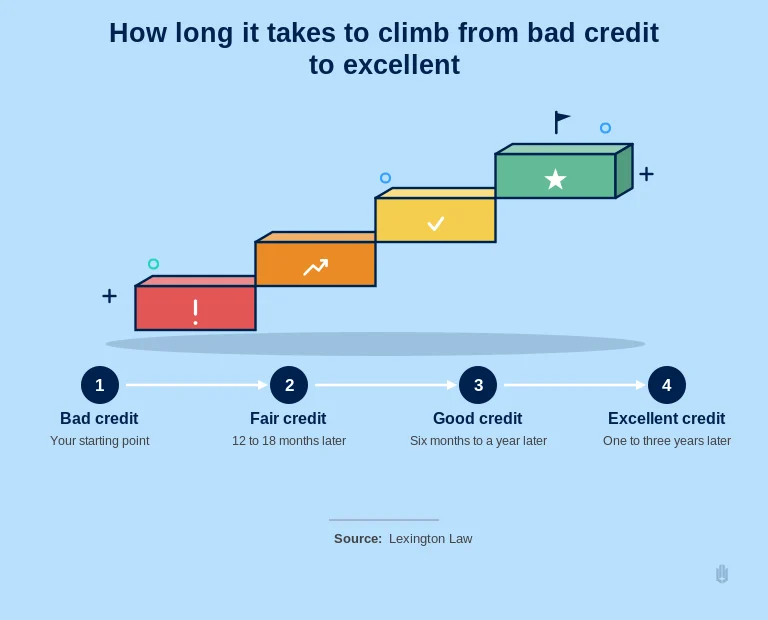
For those already working to rebuild their credit, a convenience check can be devastating. Because recovery from a high-utilization event can take several months, the "convenience" of the check often results in a long-term inability to qualify for lower interest rates on mortgages, auto loans, or future credit lines.
Navigating Your Financial Future
Managing your credit effectively requires a move away from reliance on high-cost, high-risk tools. If you are struggling with high utilization or feel that your credit report does not accurately reflect your financial habits, it is important to seek professional guidance.
Lexington Law Firm offers services designed to help individuals review their credit reports, identify potential inaccuracies, and dispute unfair entries with the credit bureaus. Understanding the nuances of credit products—and avoiding traps like convenience checks—is the first step toward reclaiming your financial independence. By remaining vigilant and informed, you can navigate your credit journey with confidence, ensuring that your financial tools work for you, rather than against you.
Disclaimer: The information provided in this article is for general informational purposes only and does not constitute legal, financial, or credit advice. For specific guidance regarding your financial situation, consult with a qualified professional. See the editorial disclosure for further details.