







When reviewing a credit report, few terms trigger as much anxiety as “charged off as bad debt.” For many consumers, the discovery of this status is the first indication that a period of financial hardship has evolved into a long-term credit crisis. While the term sounds final, understanding its mechanics, legal standing, and potential for resolution is critical for anyone looking to rebuild their financial health.
Main Facts: Defining the Charge-Off
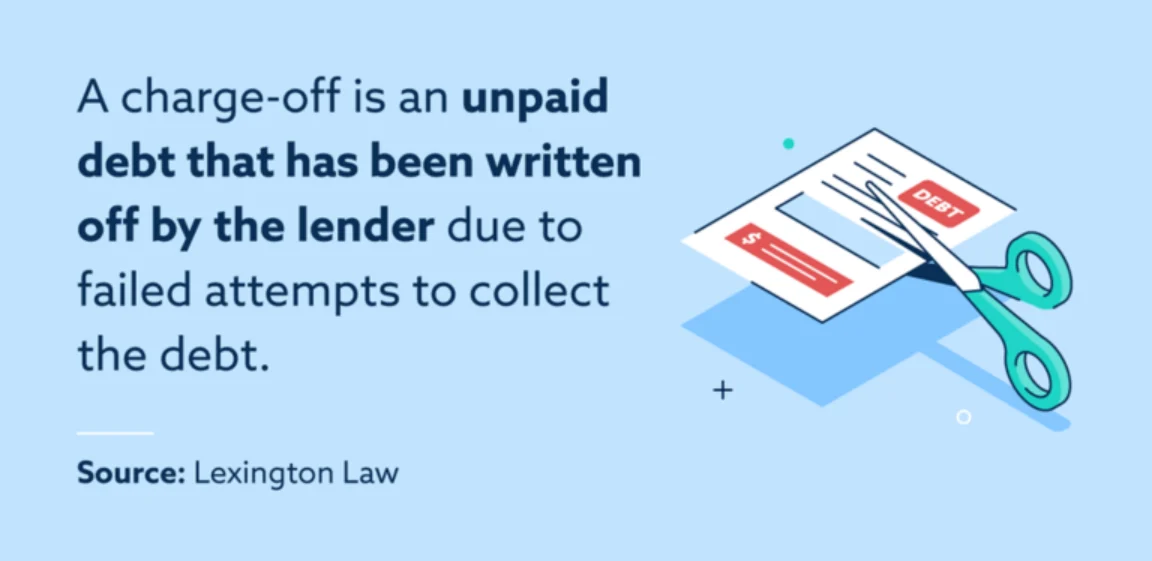
A charge-off is not a form of debt forgiveness. Instead, it is an internal accounting maneuver. When a consumer fails to make payments on an account for a period typically ranging from 120 to 180 days, the lender determines that the debt is unlikely to be collected. To balance their own financial ledgers, the creditor classifies the debt as a loss.
Once this designation is applied, the lender removes the account from their "assets" column and reports the delinquency to the three major credit bureaus—Equifax, Experian, and TransUnion. While the original creditor may cease their own collection efforts, the debt does not vanish. It often remains on the books, where it can be sold to third-party collection agencies, or it remains as a legal liability for which the borrower is still fully responsible.
Chronology: The Lifecycle of a Default
To grasp how a charge-off occurs, it is essential to view the timeline of a standard delinquent account:
- The Initial Delinquency: The process begins with a single missed payment. While a late payment notification is a warning, it is not yet a charge-off.
- The Grace Period: Most lenders provide a window of 30 to 90 days of non-payment, during which they will attempt to contact the borrower via phone, email, and mail.
- The Internal Write-Off: Between the fourth and sixth month (120–180 days) of total non-payment, the lender’s accounting department initiates the “charge-off” process. At this point, the account is officially closed to further charges.
- Credit Reporting: The status is transmitted to credit bureaus, causing an immediate and often severe drop in the consumer’s credit score.
- The Collection Phase: The debt may remain with the original lender, but it is frequently sold for pennies on the dollar to debt buyers or assigned to third-party agencies. These entities then begin their own, often more aggressive, collection cycles.
- The Seven-Year Statute: Under the Fair Credit Reporting Act (FCRA), the charge-off is slated to remain on the consumer’s credit report for seven years from the date of the original first delinquency, regardless of when the account was actually charged off.
Supporting Data and Scoring Impacts
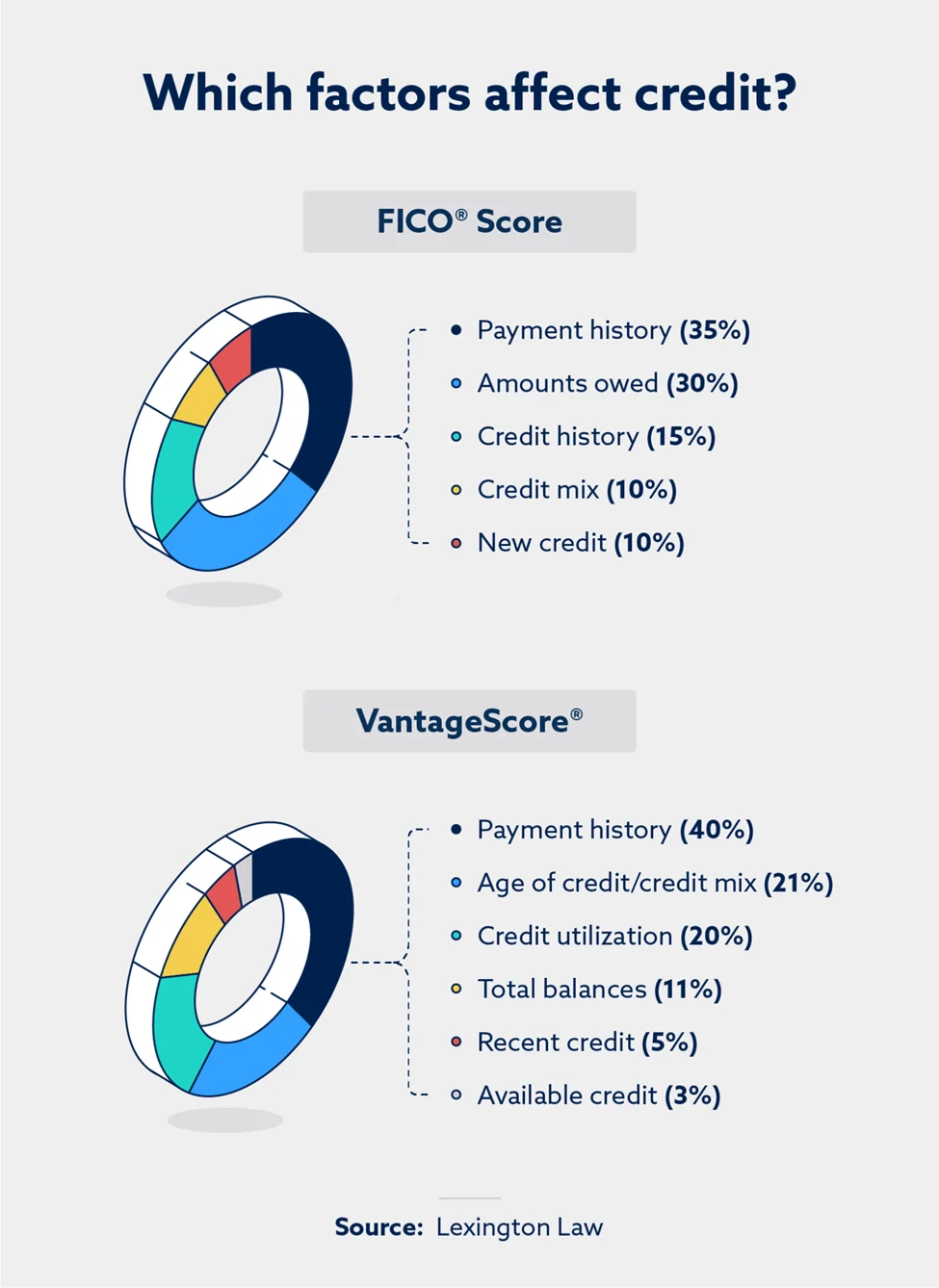
The impact of a charge-off on a FICO score is profound. Because payment history accounts for 35% of a consumer’s credit score, a charge-off acts as a major red flag for underwriters.

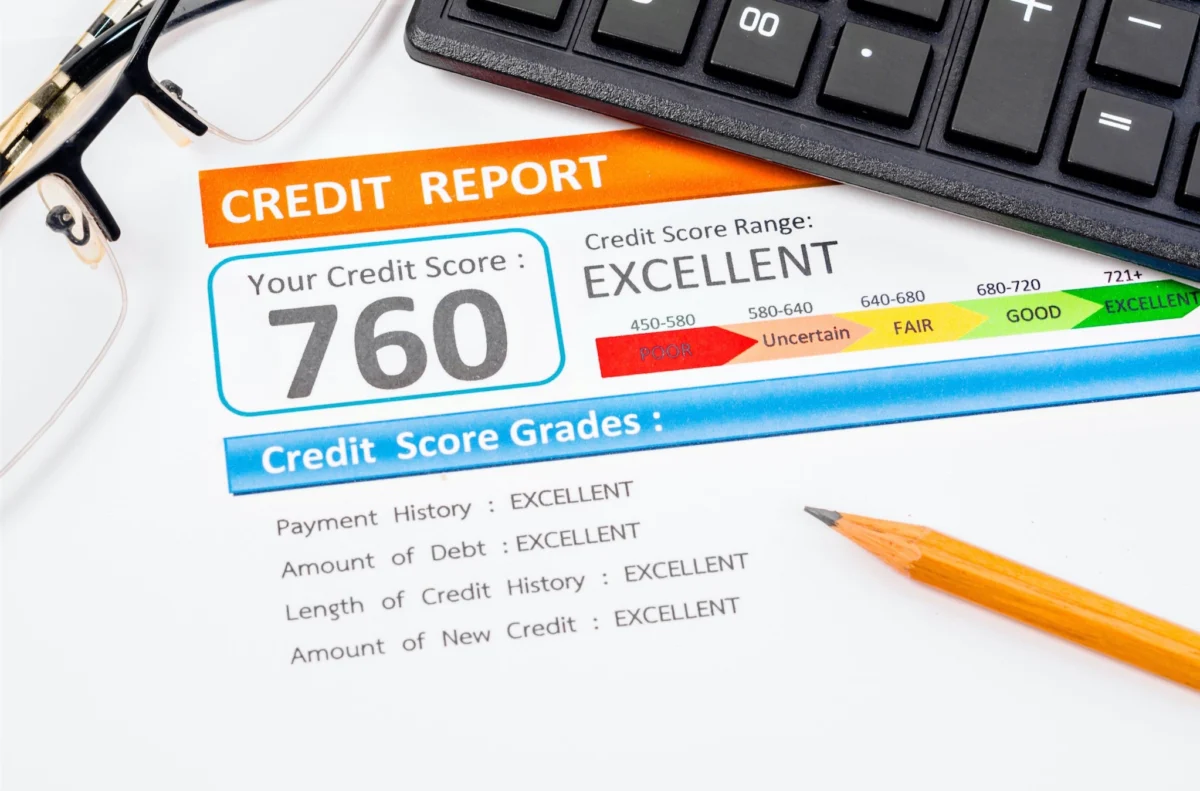
Data from credit scoring models suggests that a consumer with a previously high credit score—often in the "excellent" range—can see a drop of 100 points or more following a major delinquency. When that delinquency culminates in a charge-off, the damage is compounded. It signals to future lenders that the consumer has defaulted on their contractual obligations, making it significantly harder to secure mortgages, auto loans, or even rental housing.
Furthermore, the "age" of the charge-off matters. While a recent charge-off is a catastrophic event for one’s credit profile, its weight diminishes over time. However, as long as the account remains marked as an "unpaid charge-off," it acts as a persistent anchor on the borrower’s credit score.
Implications for the Consumer
The implications of a charge-off extend far beyond the numbers on a credit report.
- Legal Risks: The most significant implication is the potential for litigation. Even after a charge-off, the creditor or a debt buyer retains the legal right to sue the borrower to recover the debt. If the lender wins a judgment, they may be granted the right to garnish wages or levy bank accounts, depending on state laws.
- Employment Barriers: In certain industries, particularly finance, law, or government roles requiring security clearances, a history of unpaid charge-offs can be a disqualifying factor during background checks.
- Borrowing Costs: For those who are still able to secure credit, the presence of a charge-off almost guarantees higher interest rates, as lenders view these individuals as high-risk borrowers.
Strategic Steps for Resolution
If you discover a charge-off on your report, it is vital to approach the situation with a structured plan.
1. Verification of Debt
Before acknowledging the debt or making any payments, confirm the accuracy of the entry. Request a debt validation letter from the current holder of the debt. Ensure the amount, the original creditor, and the dates are accurate. If the debt is past the statute of limitations for your state, you may be under no legal obligation to pay it, though the entry may remain on your report until the seven-year mark.

2. The Dispute Process
If the information is inaccurate, incomplete, or unverifiable, you have the right under the FCRA to dispute the item with the credit bureaus. Professional credit repair services, such as Lexington Law, often assist consumers in identifying these inaccuracies and drafting the necessary documentation to challenge them.
3. Negotiating Payment
If the debt is verified as accurate, you have three primary options:
- Full Payment: This results in a status update to "Paid Charge-Off." While this doesn’t remove the negative mark, it shows future creditors that you fulfilled your obligation.
- Settlement: You may negotiate a lower amount to settle the debt. While this clears the liability, it will be marked as "settled for less than full balance," which is sometimes viewed less favorably than a full payoff.
- Pay-for-Delete: This involves negotiating with the creditor to remove the entry from your report in exchange for payment. Note that this is becoming increasingly rare and difficult to secure under modern banking regulations.
Official Guidance and Best Practices
When navigating the complexities of credit repair, consumers are encouraged to rely on established legal frameworks like the Fair Credit Reporting Act.
Preventing Future Charge-Offs
The best way to handle a charge-off is to prevent it. If you find yourself slipping into financial difficulty:
- Communicate Early: Contact your creditors before you miss a payment. Many lenders have hardship programs that allow for deferred or reduced payments.
- Prioritize Debts: Focus on keeping essential accounts—such as your mortgage or car loan—current while negotiating with credit card issuers.
- Budgeting: Use the 120-day "buffer zone" to reallocate funds or consult with a non-profit credit counseling agency.
Conclusion: Rebuilding After the Mark
A charge-off is a serious financial event, but it is not the end of your financial life. While the seven-year period of reporting may feel like a long time, consistent effort to maintain positive credit habits on other accounts will eventually mitigate the damage.

By verifying the accuracy of your debts, understanding your legal rights under the FCRA, and proactively communicating with creditors, you can move from a state of financial distress toward stability. Whether you choose to settle a debt or dispute an error, the goal remains the same: taking control of your financial narrative and laying the groundwork for a more secure future.
Note: The information provided in this article is for educational purposes only and does not constitute professional legal or financial advice. Always consult with a qualified professional regarding your specific financial situation.