





September 2, 2026 — For years, the "Buy Now, Pay Later" (BNPL) industry was marketed as a seamless way to upgrade a smartphone or refresh a wardrobe without the immediate sting of a credit card bill. But as of late 2026, the landscape has shifted dramatically. Financial technology firms are increasingly pivoting toward a more precarious market: the financing of life’s absolute essentials.
In a recent interview with CBS News, Ariel Nelson, a senior attorney at the National Consumer Law Center (NCLC), highlighted a disturbing trend that has economists and consumer advocates on high alert. BNPL providers are now aggressively pushing their short-term installment products to cover rent, electricity bills, grocery costs, and even emergency medical procedures. This evolution marks a departure from the "discretionary spending" model of the past, signaling a deeper crisis in American household stability.
The Main Facts: A Shift in Financial Architecture
The core of the BNPL model is the "Pay-in-Four" structure—four interest-free installments typically spaced two weeks apart. Historically, these loans existed in the periphery of consumer credit, often avoiding the rigorous oversight applied to traditional credit cards.
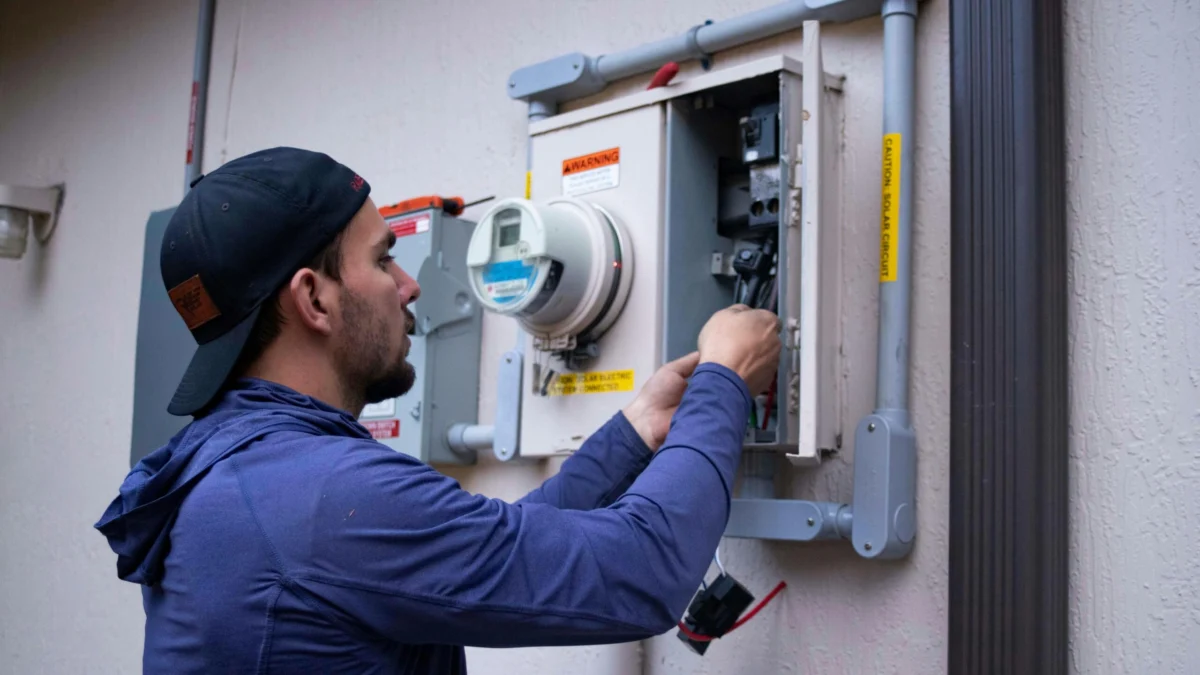
However, the current economic climate has turned these platforms into makeshift payday lenders. When a consumer uses a BNPL service to pay their utility bill, they are effectively taking on a high-velocity debt obligation to keep the lights on. Because these loans are often structured as non-revolving credit, they lack the transparent disclosure requirements that come with federal lending regulations, leading to a "shadow" debt crisis that is difficult for regulators to track and for consumers to manage.
Chronology: The Evolution of the BNPL Phenomenon
Phase 1: The Retail Boom (2020–2022)
During the pandemic, BNPL surged as digital retail exploded. Services like Affirm, Klarna, and Afterpay became household names. During this period, the industry focused on consumer electronics, fashion, and home goods. It was presented as a "tech-forward" alternative to traditional revolving credit cards.
Phase 2: The Inflationary Squeeze (2023–2025)
As inflation eroded purchasing power, the usage of BNPL began to drift. By 2024, data began to suggest that consumers were no longer using these tools just for luxury items. Instead, they were using them to bridge the gap between paychecks for essential groceries and gasoline.
Phase 3: The "Essential" Pivot (2026–Present)
By mid-2026, major fintech players formally integrated features allowing users to pay rent, municipal utility bills, and medical copays via installment plans. This marked the institutionalization of debt-based survival. As Ariel Nelson noted, this shift serves as a stark barometer of the nation’s economic health, revealing that the "Band-Aid" of short-term credit is now being applied to systemic affordability issues.
Supporting Data: The Rising Cost of Survival
The data paints a sobering picture of the American consumer. According to recent reports from the Consumer Financial Protection Bureau (CFPB) and independent analysts, the reliance on BNPL for non-discretionary expenses has climbed steadily:
- Utility Delinquencies: Utility companies have reported a 14% increase in customers utilizing third-party installment apps to prevent service disconnections compared to 2024.
- Medical Debt Financing: With medical costs rising, hospitals have partnered with fintech firms to offer "patient financing," which often carries hidden fees and aggressive late-payment penalties, differing significantly from traditional low-interest hospital payment plans.
- The "Debt Stacking" Effect: Consumer advocates have identified a trend called "debt stacking," where individuals take out multiple BNPL loans simultaneously to cover a single month’s rent, leaving them with a fragmented, high-pressure repayment schedule that can trigger a domino effect of overdraft fees.
The NCLC’s research underscores that the primary demographic for these loans is low-to-middle-income families who have already exhausted their traditional credit lines or lack access to traditional banking products.
Official Responses and Regulatory Outlook
The regulatory response has been characterized by a tension between encouraging financial innovation and protecting vulnerable consumers.
The NCLC Perspective
Ariel Nelson’s testimony to CBS News serves as a warning to regulators: "The most helpful thing about them is what they reveal about the state of affordability — or unaffordability — in our country. People are struggling to pay rent and utilities on time and in one amount. At best, [BNPL loans] can act as a temporary Band-Aid. Even then, they are not risk-free."
The Industry Stance
Fintech companies argue that they are providing "financial inclusion." Their narrative suggests that by offering flexible payment options, they are preventing consumers from facing the "predatory" interest rates of traditional payday lenders or the harsh reality of utility shut-offs. They contend that their algorithms are better at assessing risk and that they provide a lifeline that did not exist previously.
Regulatory Efforts
The CFPB has begun taking steps to bring BNPL providers under the same regulatory umbrella as credit card issuers. However, the legal battles are complex. Because BNPL providers often operate in the "fintech gray zone," they frequently challenge the application of the Truth in Lending Act (TILA), arguing that their products—which are often marketed as interest-free—do not fall under the same legal definitions as standard loans.
Implications: The Long-Term Economic Fallout
The transition of BNPL into a primary vehicle for essential survival has profound implications for the American economy.
1. The Erosion of Household Resilience
When a household relies on short-term debt to pay for rent, they are essentially borrowing from their future income to pay for today’s shelter. This reduces the household’s ability to save, invest, or absorb future financial shocks. If an emergency arises—such as a car breakdown or a health crisis—there is no remaining "cushion," often forcing the individual into deeper, more predatory forms of debt.
2. Market Distortions
The widespread availability of BNPL for essentials may artificially inflate the prices of goods and services. If landlords and utility providers know that customers can access immediate "payment plans" through third parties, there may be less pressure to keep costs aligned with stagnant wage growth.
3. The "Hidden" Debt Crisis
Unlike credit card debt, which is tracked extensively by major credit bureaus, BNPL usage is often opaque. Many providers do not report payment behavior to the three major credit bureaus (Equifax, Experian, and TransUnion) in a consistent manner. This creates a "blind spot" in the national economy. A consumer could be severely over-leveraged via six different BNPL apps, and a bank considering them for a mortgage or an auto loan might never see those obligations.
4. Psychological Impact
The gamification of BNPL—which often includes user-friendly interfaces, "unlockable" spending limits, and rewards—can mask the psychological stress of living in debt. By making the payment of rent feel like a routine digital transaction, the industry risks desensitizing consumers to the severity of their financial situation.
Conclusion: A Call for Transparency
As we look toward the remainder of 2026 and beyond, the BNPL industry stands at a crossroads. While proponents celebrate the democratization of credit, critics like Ariel Nelson remind us that the innovation is not necessarily solving the root cause of poverty—it is merely repackaging it.
The path forward requires a multi-faceted approach. First, there must be absolute transparency in pricing; if a "no-interest" loan carries late fees that effectively function as high-APR interest, that must be clearly stated. Second, credit reporting agencies must integrate BNPL data to provide a holistic view of consumer debt. Finally, the broader economic conversation must shift from "how do we help people pay for the cost of living?" to "why is the cost of living becoming fundamentally incompatible with current wage structures?"
For now, the "Band-Aid" remains in place. But as the wounds of inflation continue to fester, the financial system may soon find that the bandage is no longer enough to stop the bleeding. The American consumer, caught in the middle, remains the one paying the price.