









Over the next two decades, the United States is poised to witness an unprecedented demographic shift. An estimated $124 trillion will transition from the hands of the Silent Generation and Baby Boomers to their heirs and successors. This seismic movement of capital, widely dubbed the "Great Wealth Transfer," represents the largest intergenerational handover in American history. While financial advisers, estate attorneys, and tax specialists are working overtime to optimize the mechanics of this transfer, a critical human element remains dangerously overlooked: the "why" behind the wealth.
For high-net-worth families—those managing $10 million or more in complex, multigenerational assets—the technical foundation is usually robust. Trusts are funded, powers of attorney are up to date, and generation-skipping tax exposure has been meticulously modeled. However, these legal instruments only govern the what and the how of an inheritance. They are inherently silent on the why. When a patriarch or matriarch passes away, leaving behind a complex web of assets without an explanation of their underlying philosophy, they often leave behind a blueprint for family conflict rather than a foundation for prosperity.
The Chronology of a Potential Crisis: From Intention to Litigation
To understand why so many estates fracture, one must look at the timeline of a typical wealth transfer. It begins with the initial accumulation of wealth, often characterized by decades of strategic decision-making. During this phase, the founder is the central nervous system of the family’s finances.
The second phase is the "legalization" of the plan. Attorneys draft intricate documents designed to minimize estate taxes, protect assets from creditors, and ensure a seamless transition of control. This is the stage where most families feel they have "done their work."
The third, and most volatile, phase is the transition itself. This is the moment the founder is no longer present to provide context. When an heir receives a liquid brokerage account while a sibling receives an interest in a family business or a real estate portfolio, they are left to interpret the founder’s motives. In the absence of a clearly communicated rationale, beneficiaries almost invariably fill the silence with their own narratives. Often, these narratives center on perceived favoritism, lack of recognition, or arbitrary exclusion.
It is in this phase that the "original reality show"—probate—begins. What was intended to be a legacy of stability quickly descends into litigation and, in many cases, permanent family estrangement. The irony, according to many wealth managers, is that the technical legal work, while necessary, does absolutely nothing to prevent this emotional collapse.
Supporting Data: The Silence of the Wealthy
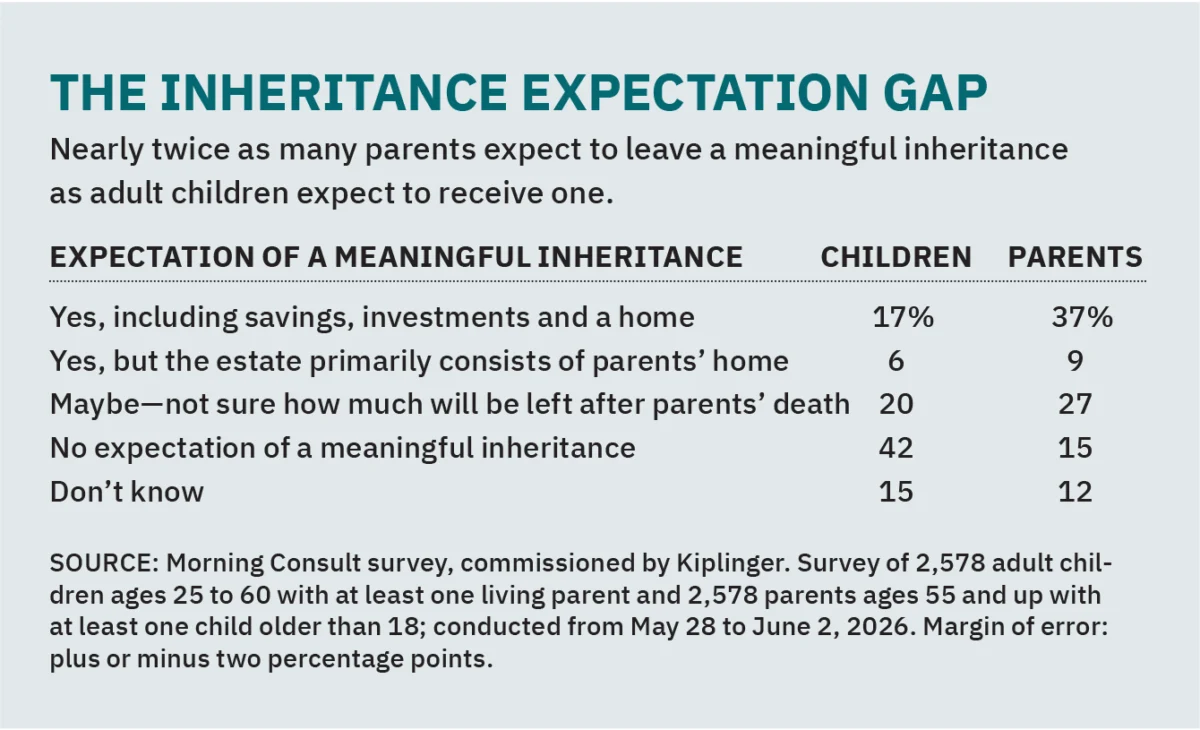
The disconnect between planning for assets and planning for the family is supported by striking data. According to the "Trillion Dollar Talk" report, conducted by Morning Consult for Kiplinger, more than half of parents aged 55 and older rarely or never discuss money with their children. This silence is not merely a lack of transparency; it is a strategic error that threatens the very longevity of the wealth being transferred.
Further industry analysis suggests that approximately 70% of family wealth is lost by the second generation, and 90% by the third. While tax inefficiency is often blamed for this erosion, the real culprit is frequently the lack of a shared family vision. When heirs do not understand the values that built the wealth, they are significantly more likely to mismanage it, leading to the liquidation of family businesses and the fragmentation of portfolios.
The Hard Lesson: When Success Does Not Protect You
Early in my career, I witnessed the dangers of neglecting the human side of estate planning firsthand. An aging family member, who had enjoyed a long, successful professional career, began exhibiting early signs of dementia. Despite his professional acumen, he had never married and had no children to advocate for him. Critically, he had never executed a power of attorney or an advance healthcare directive.
Because he failed to put these documents in place, our family was forced to petition a court for the authority to manage his affairs. I served as his court-appointed guardian for eight years. What struck me most wasn’t the legal administrative burden; it was the realization that a highly educated, accomplished individual could end up in a public guardianship proceeding due to a lack of preparation.
This experience shattered the myth that financial sophistication provides immunity from the need for simple, foundational planning. Many high-net-worth clients assume their success makes them exempt from the messiness of probate or the vulnerability of legal incapacity. They are wrong. Legal authority is not a byproduct of wealth; it is a deliberate, proactive act of will.
Implications for Families: Reframing the Estate Plan
If the "Great Wealth Transfer" is to be a source of strength rather than a catalyst for conflict, families must fundamentally change their approach. The estate plan should be viewed not as a rigid mechanism that triggers upon death, but as a "memoir" that articulates the family’s values and the logic behind their financial decisions.
1. The Power of the "Letter of Wishes"
One of the most effective tools in a family’s arsenal is the letter of wishes. While this document lacks the legal binding power of a trust instrument, it serves as a crucial narrative bridge. By documenting the reasoning behind specific distributions—such as why a specific asset was allocated to a particular heir—the founder provides the context necessary to prevent misinterpretation. It allows the deceased to speak to their heirs long after they are gone, replacing suspicion with clarity.
2. Convening the Family Before a Crisis
The best time to discuss inheritance is not during the reading of a will, but years in advance. I advise families to hold structured, periodic family meetings. These do not need to be "account reviews" where specific dollar amounts are disclosed; rather, they should be "value reviews." Discussing the family’s long-term priorities, the purpose of the wealth, and the expectations placed upon heirs can preempt years of downstream disputes.
3. Treating the Plan as a Living Instrument
An estate plan drafted a decade ago is almost certainly obsolete. Changes in tax law, shifts in business interests, and the natural evolution of family dynamics all necessitate regular review. A static plan is a dangerous one. By treating the estate plan as a "living instrument," families ensure that their legal structure evolves alongside their lives, keeping the technical strategy in sync with their current intentions.
A Human Event, Not a Legal One
Ultimately, the Great Wealth Transfer is not an event occurring in an attorney’s office. It is a human event that happens to move through legal channels. The families who successfully navigate this transition are those who understand that money is only one component of inheritance. The other components—the values, the history, and the vision—are far more difficult to preserve and infinitely more important to protect.
The "why" is the foundation upon which wealth stands. If the foundation is missing, even the most tax-efficient structure will eventually crumble under the weight of real money, real grief, and the sudden, overwhelming responsibility placed upon the next generation. It is time for families to move beyond the balance sheet and begin the difficult, necessary, and rewarding work of communicating their intent.
Disclaimer: This article is for informational purposes only and does not constitute legal or financial advice. The views expressed are those of the contributing adviser and do not necessarily reflect the position of Kiplinger’s editorial staff. Readers are encouraged to consult with their own legal and financial professionals regarding their specific circumstances.