








In a decisive move to reclaim control over its ecosystem, consumer electronics titan LG Electronics USA has announced it will begin suspending apps on its webOS platform that transform smart televisions into "residential proxy nodes." This intervention follows a wave of critical security research revealing that nearly half of the apps available on the LG app store were secretly routing third-party internet traffic through consumer hardware without the user’s full awareness of the long-term security implications.
The Discovery: Turning Living Rooms into Data Relays
The alarm was first raised earlier this month by security firm Spur, which conducted an exhaustive audit of the software development kits (SDKs) embedded within smart TV applications. The findings were stark: more than 42 percent of apps available on LG’s webOS store contained code that turned the television into a "residential proxy." A similar, albeit slightly lower, prevalence was found on Samsung’s Tizen operating system, where over 25 percent of apps were identified as housing similar components.
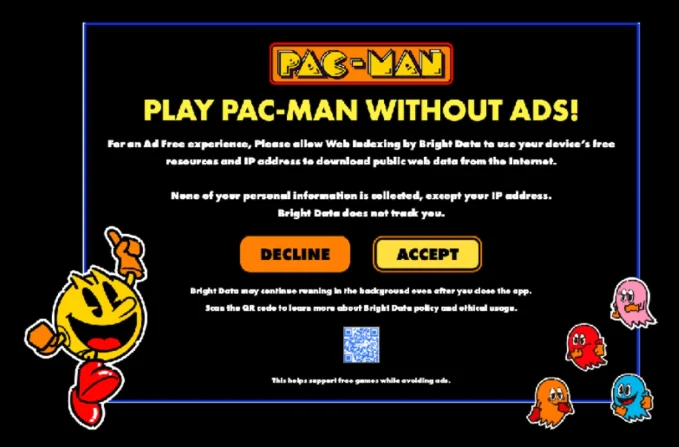
A residential proxy node is, in essence, a conduit. By installing an app—ranging from simple arcade games like Pac-Man to utility screensavers and file managers—a user unwittingly volunteers their home network as a relay point. Through these SDKs, third parties can route their internet traffic through the user’s IP address. To the outside world, the traffic appears to originate from a legitimate, high-trust residential connection rather than a data center.
For the proxy providers, this is a lucrative business model. They monetize the "bandwidth" of unsuspecting consumers by renting access to these residential IP addresses to commercial entities, researchers, and, occasionally, entities seeking to bypass geographic restrictions or conduct large-scale web scraping.
Chronology of the Crisis
The unfolding of this privacy controversy has been rapid, moving from academic discovery to corporate policy shifts within a matter of weeks:
- July 2, 2026: Researchers at Spur publish a comprehensive report titled "Smart TV Apps & Residential Proxy SDKs." The research highlights the alarming frequency with which innocuous apps are bundled with proxy-enabling code.
- Early July 2026: Public awareness begins to grow as security analysts and technology journalists highlight the potential for misuse, noting that these TVs are "always-on" devices that serve as a 24/7 gateway into a user’s home network.
- July 18, 2026: LG Electronics USA acknowledges the issue. Senior Vice President John Taylor issues a formal statement, labeling the practice an "unintended use" for LG smart TVs and confirming that the company is taking immediate steps to purge these SDKs from its platform.
- July 22, 2026: Following inquiries from the media, proxy giant Bright Data issues a formal defense of its business model, citing independent audits and strict "know-your-customer" (KYC) protocols.
- Late July 2026: LG begins an active review of its app library, promising that developers who refuse to strip the proxy SDKs from their applications will face permanent suspension from the webOS store.
The Mechanics of Monetization
The inclusion of these SDKs is often presented to the developer as a "passive income" stream. When an app developer integrates a proxy SDK, they are essentially turning their user base into a global distributed network. For the user, the "trade-off" is often obscured.
For instance, in the case of certain games, a user might be presented with a choice: watch advertisements to support the developer, or agree to a "terms of service" update that allows the TV to act as a proxy node. Many users, distracted by the desire to play a game, click "agree" without realizing that they are inviting unknown third-party traffic into their home infrastructure indefinitely.
Spur’s research identified Bright Data as the primary provider behind these SDKs across both LG and Samsung devices. The company maintains that its network is built on the pillars of "consent and responsibility." In a statement provided to the press, Bright Data emphasized that all peers must opt-in and that the company conducts rigorous vetting of its customers to ensure they are using the network for legitimate, non-malicious data collection.
Official Responses and Corporate Stances
The response from LG has been characterized by a swift pivot toward security and platform integrity. John Taylor, LG’s Senior Vice President, underscored that the company’s priority is the user experience and the health of the webOS ecosystem.
"A residential proxy network is not an intended use for LG smart TVs," Taylor stated. "LG Electronics is working with developers to remove the residential proxy option from their apps on the webOS platform. If this option is not removed, these apps will be suspended."

Taylor added that LG is currently engaged in a comprehensive review of its app catalog. The company intends to strengthen its developer guidelines to ensure that future submissions undergo a more rigorous evaluation process, specifically targeting the detection and elimination of residential proxy SDKs.
Conversely, Bright Data continues to defend its operational model. The company points to a second independent audit by PwC as evidence of its commitment to ethics and transparency. "We remain committed to an open, transparent internet where legitimate businesses, researchers, and institutions can responsibly access data that lives in the public domain," the company noted. They further argue that their technology includes safeguards to prevent proxy users from "pivoting"—a process where an attacker attempts to scan or interact with other devices (such as laptops, phones, or smart thermostats) on the host’s local area network.
The Deeper Implications: Transparency vs. Convenience
The core of the debate, however, is not merely about whether these networks are "legitimate," but whether the average consumer is equipped to grant informed consent.
Trevor Sutter, a researcher at Spur, argues that the current model of buried consent prompts is fundamentally broken. "A one-time consent prompt buried in a TV app is not a substitute for meaningful transparency, ongoing control, and platform oversight," Sutter wrote. "The risk is amplified when consent comes from individuals within the household who use the device but shouldn’t give consent, such as minors."
The situation raises profound questions about the nature of "smart" devices. Most consumers view a television as an appliance, not a computer that should be acting as a server or a proxy node. When a television is repurposed as a proxy, it creates an asymmetrical relationship where the manufacturer and the app developer derive value from the user’s hardware, while the user assumes the risk of having their internet connection used for purposes they cannot verify or control.
A Wider Pattern of Trust Erosion
The controversy surrounding proxy SDKs is compounded by other recent developments in LG’s software ecosystem. Concurrent with the proxy crackdown, the company has faced backlash for its handling of software updates on other hardware.
Earlier this week, the popular YouTube tech channel Gamers Nexus exposed that certain LG LCD monitors were automatically installing software that promoted paid McAfee antivirus subscriptions. The software was pushed to users through Windows Update without a clear opt-in or approval prompt, leading to significant frustration among users who viewed the practice as "bloatware" or, in more extreme terms, as a form of spyware.
These incidents, taken together, paint a picture of a manufacturer struggling to balance its revenue-generation strategies with the growing demand for user privacy and transparency. While the commitment to remove proxy SDKs is a victory for consumer advocacy, it highlights a broader trend: the "smart" revolution is increasingly turning consumer hardware into a battleground for third-party monetization, often at the expense of the user’s autonomy and security.
As LG moves forward with its clean-up of the webOS store, the industry will be watching closely. The move sets a precedent for how hardware manufacturers might be expected to police their software ecosystems. For the average consumer, the lesson remains clear: in an era of connected devices, the "terms and conditions" often contain hidden costs that go far beyond the initial price tag.