







The landscape of airline loyalty programs is shifting dramatically. Following its high-profile Investor Day presentation, Atmos Rewards—the joint loyalty ecosystem uniting Alaska Airlines and Hawaiian Airlines—has announced a sweeping series of structural updates set to take effect throughout 2027 and 2028. Designed to modernize the program and cater to a rapidly evolving demographic of travelers, these changes touch every aspect of the loyalty experience.
From flexible point-earning structures and brand-new financial products to massive investments in premium cabin retrofits and flagship airport lounges, members will soon have a vastly different relationship with the program. As loyalty programs industry-wide face pressure to balance profitability with member value, Atmos Rewards is charting a distinct course that blends traditional perks with contemporary financial flexibility.
Main Facts: What Is Changing in the Atmos Rewards Ecosystem?
The announcements made by Atmos leadership outline a profound evolution for the program, which originally launched its unified platform in August 2025. The upcoming updates are designed to give members unprecedented control over how they earn, spend, and experience travel.
The primary pillars of the 2027–2028 roadmap include:
- A Customizable Earning Scheme: Members can finally choose how they accumulate points and status, opting between distance traveled, price paid, or flight segments flown.
- Bank of America Transfer Partnership: In 2027, eligible Bank of America credit cardholders will gain the ability to transfer points directly into Atmos Rewards, bridging a long-standing gap in the issuer’s travel ecosystem.
- Expanded Financial Products: A new debit card tailored for the program will launch in early 2027, while the Atmos Rewards Visa Signature Business card will receive a comprehensive refresh in late 2026.
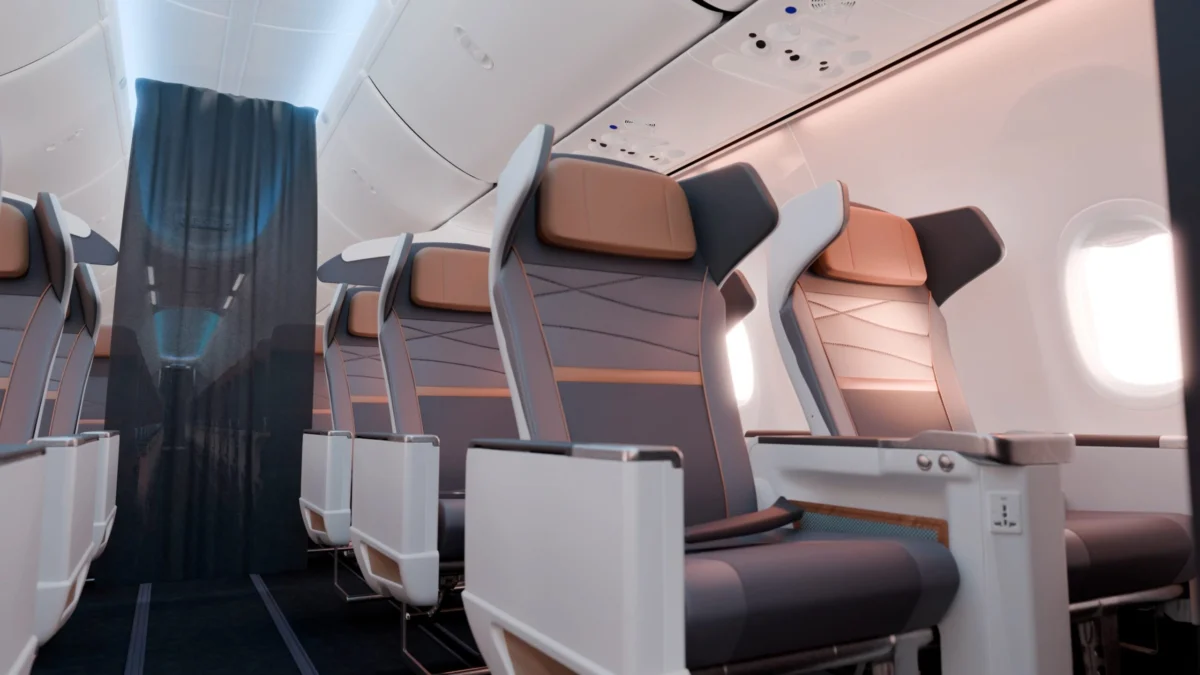
- Enhanced Cabin Configurations: Between 2028 and beyond, both Alaska and Hawaiian Airlines will introduce high-end lie-flat business class products (Aurora Suites and Leihōkū Suites) alongside a dedicated premium economy cabin, "Premium Reserve."
- Lounge Expansions: Flagship investments in Seattle, San Diego, and Honolulu will drastically increase lounge capacity, featuring luxury amenities such as outdoor patios, pizza ovens, and dedicated international business class lounges.
Chronology: A Timeline of Upcoming Atmos Rewards Updates
Travelers trying to map out their loyalty strategies over the next few years will want to pay close attention to the rollout schedule. The transition occurs in distinct phases, beginning in late 2026 and culminating in major physical infrastructure overhauls by 2028.
Late 2026: Business Cards and Earning Selections Begin
- September 29, 2026: Atmos Rewards officially announces its upcoming roadmap during its Investor Day presentation.
- October 1, 2026: Current Atmos Rewards members are given the ability to select their preferred earning method for all flights departing on or after January 1, 2027.
- Late 2026: The Atmos Rewards Visa Signature Business card undergoes a product refresh, introducing lounge passes, free same-day confirmed flight changes, and an elevated 10x points category.
2027: New Ways to Pay and Transfer
- January 1, 2027: The new flexible point-earning frameworks officially go live for eligible flights. Members who do not proactively select a method will default based on their account status (existing members default to distance, while new 2027 sign-ups default to price paid).
- Throughout 2027: Eligible Bank of America cardholders gain the capability to transfer points directly into the Atmos Rewards program.
- Early 2027: The new Atmos Rewards debit card launches, offering everyday spenders a way to earn points and status without opening a credit line.
- Late 2027: A massive expanded Alaska Lounge in Concourse C opens in Seattle, featuring 500 seats in the main lounge and an exclusive 200-seat Aurora Lounge for international business class passengers.
2028: Cabin Retrofits and Ground Infrastructure
- 2028: Alaska Airlines begins rolling out its 12-seat, lie-flat Aurora Suites on select 737-10 MAX aircraft operating transcontinental routes. Hawaiian Airlines simultaneously begins transforming its A330 fleet to include 22 Leihōkū Suites.
- 2028: Both airlines introduce the "Premium Reserve" premium economy cabin across updated aircraft.
- Early 2028: A brand-new Hawaiian Airlines lounge opens in Honolulu with a 200-guest capacity, complete with a full bar and private work stations.
- 2028: A sprawling, 14,000-square-foot Alaska Lounge opens in San Diego.
Supporting Data: Understanding the New Earning Options
For decades, the dominant trend among major domestic U.S. carriers has been a strict revenue-based model—awarding miles strictly based on the cash price of a ticket. Alaska Airlines stood as the final major holdout, maintaining a distance-based accumulation method that favored frequent flyers covering massive geographic footprints.
With the implementation of the long-awaited choose-the-way-you-earn scheme, Atmos Rewards is accommodating multiple travel styles simultaneously. Members will be able to select their earning preference once per calendar year, allowing them to adapt if their travel habits shift.
The Three Earning Pathways
- Distance Traveled:
- Who it is best for: Economy flyers and those taking long-haul flights where physical mileage outpaces the ticket cost. This remains the most lucrative option for the vast majority of budget-conscious leisure travelers.
- Price Paid:
- Who it is best for: Business travelers and luxury passengers who frequently purchase high-cash-fare premium cabins. This method will also be the mandatory default for any new members who sign up for the program in 2027 without making an active selection.
- Segments Flown:
- Who it is best for: Regional commuters and business flyers taking frequent, short-hop flights—such as island-hopping between the Hawaiian Islands or high-frequency business shuttles like Los Angeles (LAX) to San Francisco (SFO).
Official Responses and Strategic Insights
Atmos Rewards leadership has framed these sweeping updates as a direct response to member feedback and changing demographic trends. During the Investor Day presentations, executives highlighted the program’s unique appeal to younger demographics, noting that more than half of all new status members belong to Generation Z.
This young, highly engaged cohort heavily influenced the decision to introduce products like the upcoming Atmos Rewards debit card. Traditionally, debit cards are dismissed by frequent flyer enthusiasts due to low reward yields and high fees. However, by packing the upcoming Atmos debit card with perks like onboard purchase discounts, free point-sharing capabilities, and zero foreign transaction fees, the program hopes to capture aspiring travelers who may not yet qualify for traditional rewards credit cards.
Furthermore, the introduction of Bank of America point transfers addresses a critical competitive disadvantage. While issuers like Chase, American Express, Capital One, and Citi have long dominated the travel rewards conversation thanks to flexible transfer currencies, Bank of America cardholders have historically been siloed. Allowing Bank of America points to flow into Atmos Rewards dramatically elevates the value proposition of the bank’s broader travel card portfolio.
Implications for Travelers: Cabins, Lounges, and Strategy
Beyond point balances and credit cards, the physical transformation of Alaska and Hawaiian Airlines aircraft will fundamentally alter the flying experience for award bookers and cash passengers alike.
The Rise of Premium Seating
U.S. carriers are rapidly dedicating more square footage to premium experiences, and Atmos is no exception. By outfitting select 737-10 MAX aircraft with the private, lie-flat Aurora Suites and transforming Hawaiian A330s with Leihōkū Suites, the airlines are bridging the gap between domestic and international luxury.
Additionally, the rollout of Premium Reserve—featuring a generous 38 inches of seat pitch compared to standard 31-inch economy seats—will create a comfortable middle tier for travelers who want extra legroom without paying business-class prices. Because updated aircraft are projected to feature between 40% and 46% premium seating, award availability for premium cabins could become noticeably more accessible for savvy points enthusiasts.
Expanded Ground Comforts
The physical lounge investments in Seattle, Honolulu, and San Diego signal a major upgrade to the airport experience. The introduction of the Aurora Lounge in Seattle—reserved exclusively for international business class flyers—demonstrates an ambition to compete directly with global legacy carriers. With amenities ranging from outdoor fireplaces and pizza ovens to dedicated shower suites and coffee labs, holders of premium cards like the Atmos® Rewards Summit Visa Infinite® credit card (which grants quarterly lounge day passes) will have access to vastly superior ground facilities when navigating key hub airports.
Strategic Recommendations for Members
- Act Before Year-End: Current members who prefer the Price Paid or Segments Flown earning methods must log into their accounts and make their selection before the end of the year. Failing to do so will lock accounts into the default distance-based tracking.
- Re-evaluate Business Card Applications: Business owners eyeing the Atmos® Rewards Visa Signature® Business card may want to pause applications until the late 2026 refresh debuts, as card revamps traditionally coincide with lucrative elevated sign-up bonuses.
- Monitor Bank of America Developments: Keep a close eye on upcoming announcements regarding transfer ratios and eligible cards to determine if Bank of America products should play a larger role in your long-term points strategy.