








By Staff Financial Correspondent
Published: October 2023
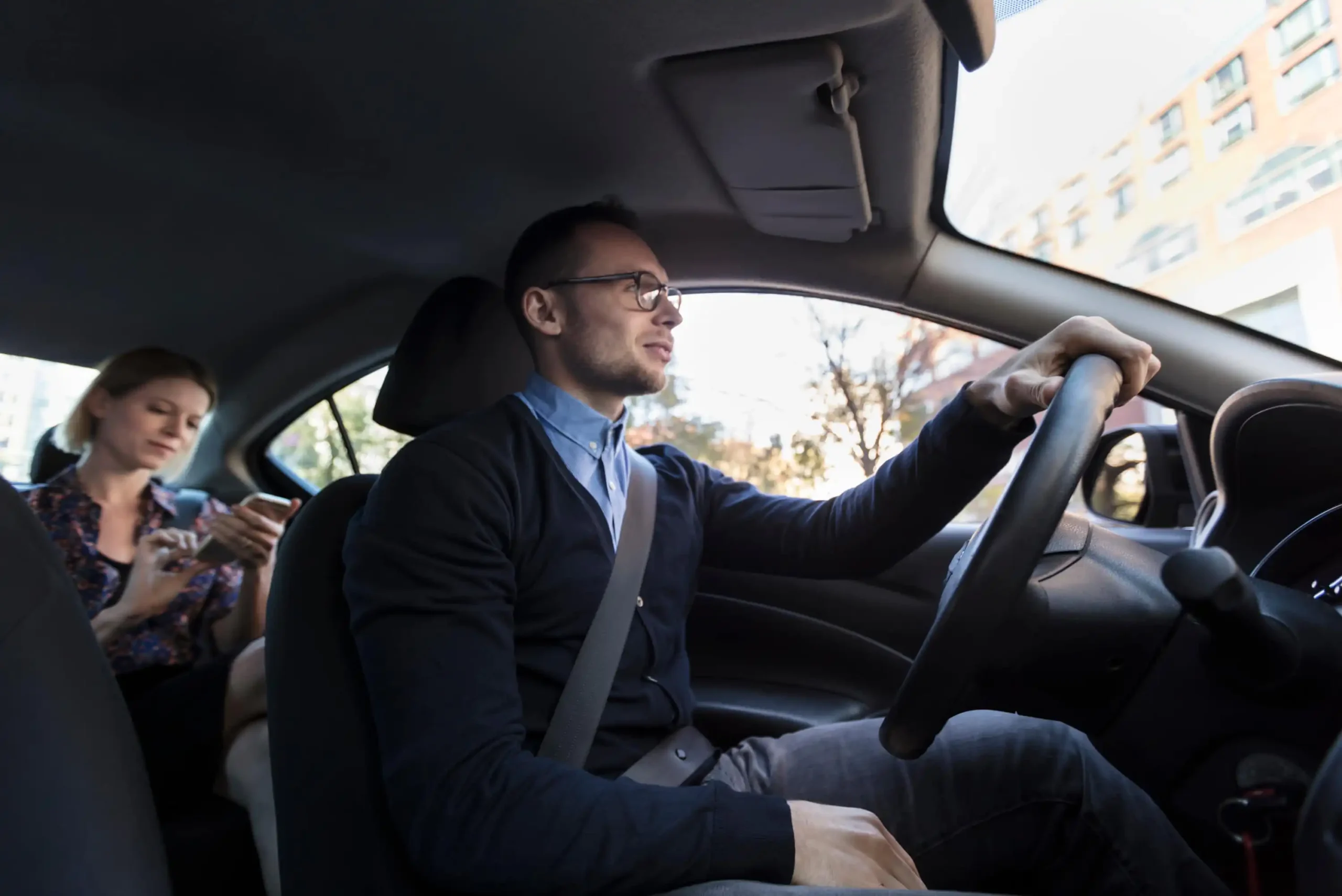
Driving for ridesharing and delivery platforms has firmly established itself as a cornerstone of the modern American gig economy. For millions of people, turning a personal vehicle into a mobile income generator through platforms like Uber, Lyft, DoorDash, and GrubHub offers an unmatched level of schedule flexibility. Whether used as a full-time career or a reliable side hustle to offset inflation and rising living costs, gig driving provides an accessible entry point into entrepreneurship.
However, beneath the surface of this flexible income stream lies a complex web of insurance liabilities that many drivers fail to comprehend until it is too late. A prevalent misconception among rideshare drivers is that their app’s corporate insurance policy acts as an all-encompassing shield, protecting them from the exact second they log into the app until they log off for the day.
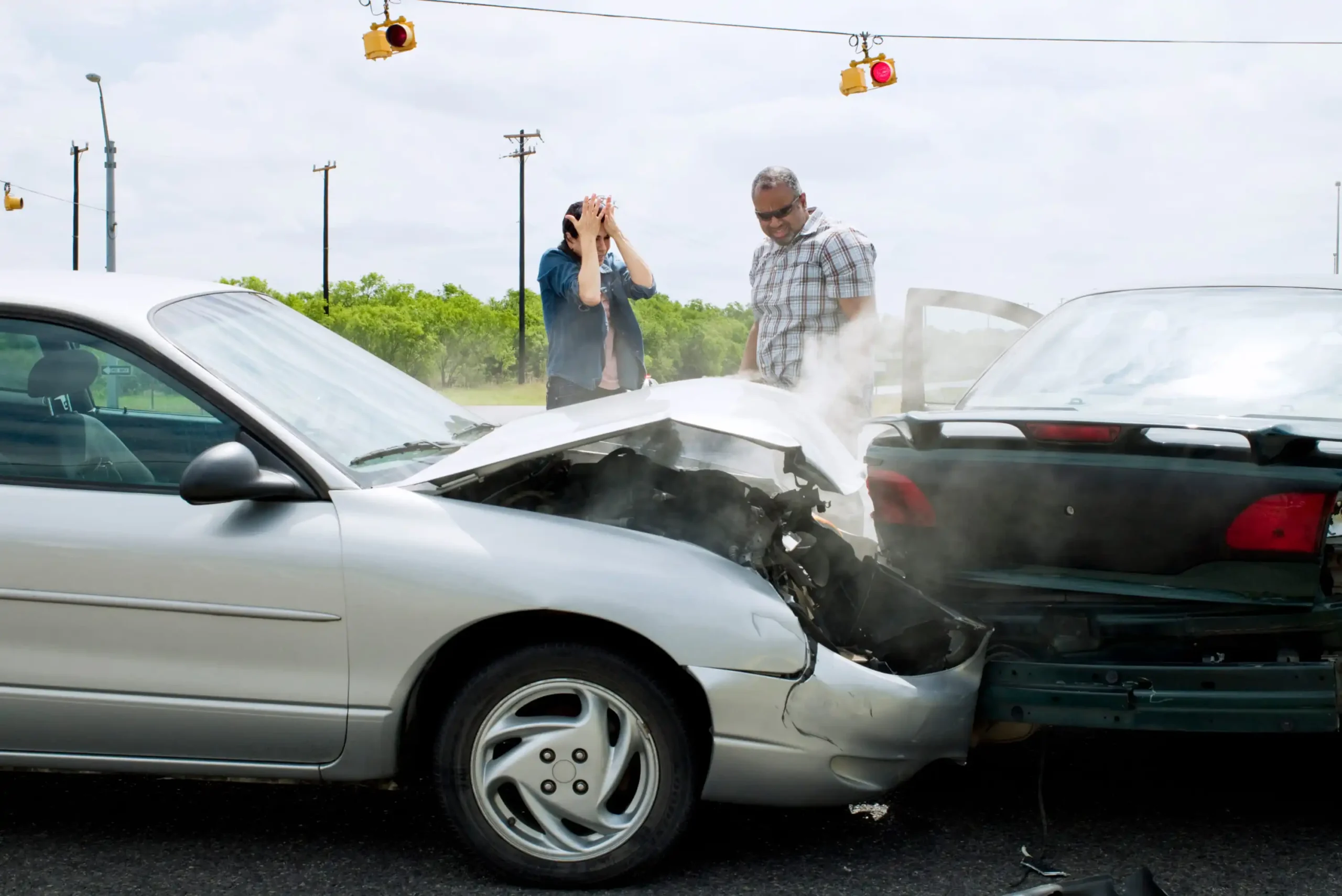
In reality, significant gaps in coverage leave drivers financially and legally vulnerable during specific phases of a shift. Failing to bridge these gaps can result in denied claims, exorbitant out-of-pocket expenses, or even the cancellation of a driver’s personal auto insurance policy. To safeguard their assets, drivers are increasingly turning to specialized private rideshare insurance.
The Evolution of Rideshare Insurance: Main Facts
The fundamental conflict in rideshare insurance stems from a mismatch between personal auto policies and commercial liabilities. When an individual purchases a standard auto insurance policy, the contract is written for personal use—commuting to work, running errands, or taking road trips. Using that same vehicle to transport paying passengers or commercial goods fundamentally changes the risk profile, a factor that traditional insurers have been quick to penalize.
The Anatomy of the Rideshare Insurance Gap
To understand why specialized rideshare insurance is necessary, one must look at how coverage operates across a typical driving shift, commonly divided into three distinct periods:
- Period 1 (Waiting for a Request): The driver is logged into the app and waiting for a ride request or food delivery order. During this window, standard personal auto insurance often denies coverage because the vehicle is being used for commercial purposes. Meanwhile, ridesharing companies typically provide minimal, contingent liability coverage (often limited to basic bodily injury and property damage) with zero comprehensive or collision protection.
- Period 2 (En Route to a Passenger): A ride request has been accepted, and the driver is navigating to pick up the customer. At this stage, Transportation Network Company (TNC) insurance policies usually kick in, offering higher liability limits, but often accompanied by steep deductibles—frequently ranging from $1,000 to $2,500.
- Period 3 (Transporting a Passenger): The passenger is in the car, or the food order is in transit, until the trip is completed. TNC insurance is fully active during this phase, providing robust liability coverage (often up to $1 million). However, the driver’s personal deductible remains unaligned with the corporate policy, creating a financial penalty if an accident occurs.
Chronology of the Industry Shift
- 2010–2014 (The Wild West Era): As Uber and Lyft rapidly expanded across major metropolitan areas, rideshare driving operated in a legal and financial gray area. Traditional auto insurers routinely denied claims if an accident occurred while the app was open, and early TNC insurance policies were sparse, leaving victims and drivers in prolonged legal battles over fault and liability.
- 2014–2016 (Legislative Pressure and Corporate Reform): Following high-profile accidents and mounting pressure from state insurance commissioners, state legislatures began passing laws requiring TNCs to provide baseline insurance coverage during all active phases of a trip. Insurers began recognizing the market demand and introduced the first generation of "rideshare endorsements."
- 2016–2020 (Mainstream Adoption of Endorsements): Major insurance carriers—including Progressive, Geico, and Allstate—developed flexible policy add-ons designed specifically for Period 1 gaps. These low-cost extensions provided seamless transitions between personal and commercial driving states.
- 2020–Present (The Delivery Boom and Hybrid Models): The explosive growth of food and grocery delivery apps during the COVID-19 pandemic broadened the scope of rideshare insurance. Insurers adapted their policies to cover multi-app couriers, introducing hybrid commercial options in select states in direct partnership with companies like Uber.
Supporting Data and Financial Risks
Driving for a ridesharing app is rarely pure profit. Behind every dollar earned lies a matrix of overhead expenses, with insurance representing one of the most critical variables.
According to industry data compiled across major insurance platforms, the financial risks break down into three core categories:
- Policy Cancellation Risks: In many jurisdictions, operating a vehicle for commercial purposes without declaring it to your insurance provider is considered material misrepresentation. If a driver gets into an accident while logged into an app and lacks rideshare coverage, their personal insurer has the legal right to deny the claim and retroactively cancel or non-renew the policy, making future insurance exceptionally expensive.
- The Deductible Disparity: While TNC policies boast impressive $1 million liability caps, their collision and comprehensive coverages carry high deductibles. For a driver living paycheck-to-paycheck, absorbing a sudden $1,000 to $2,500 deductible out of pocket can be devastating. Private rideshare endorsements often act as gap coverage, lowering these out-of-pocket costs to match the driver’s personal policy deductible (e.g., $500).
- Cost vs. Benefit: Private rideshare coverage is surprisingly affordable. Depending on the carrier, location, and driving record, endorsements typically range from an extra $5 to $30 per month—or as low as under $1 per day, as advertised by carriers like Mercury Insurance. When weighed against the cost of a single uncovered accident, the endorsement is widely viewed by financial planners as an essential overhead cost.
Official Responses and Carrier Landscape
Major auto insurance providers have adopted varying approaches to the rideshare market, ranging from simple policy endorsements to comprehensive hybrid commercial packages.
1. Progressive
Progressive offers a seamless rideshare policy extension that attaches directly to a personal auto policy. It provides customized coverage levels—down to state-mandated minimums—while waiting for a fare. Notably, Progressive reimburses the difference between a driver’s personal deductible and their TNC deductible. Where permitted by state law, this coverage extends to food and goods delivery apps like DoorDash and Postmates.
2. Geico
Geico provides a competitive rideshare insurance product that is particularly advantageous for Lyft drivers, often featuring specialized partnership perks. Geico’s policy replaces personal auto coverage entirely on any vehicle designated for ridesharing, covering all points in the rideshare cycle, including the waiting period. It also accommodates light commercial uses like courier services.
3. Allstate
Allstate takes a dual approach, offering a traditional endorsement called "Ride for Hire" as well as a hybrid personal-commercial policy developed in partnership with Uber. The Ride for Hire endorsement bridges the gap during waiting periods and deductible discrepancies. The hybrid policy, available in select states like New York, New Jersey, and Illinois, replaces both personal policies and TNC policies entirely.
State Farm and Farmers Insurance
Both State Farm and Farmers Insurance lean heavily on their extensive networks of local agents, making them ideal for drivers who prefer human consultation over digital-only platforms. State Farm extends medical liability, roadside assistance, and rental car reimbursement to ridesharing activities, acting as primary coverage throughout the entire TNC cycle to spare drivers from dealing directly with corporate claims departments. Farmers offers both personal policy add-ons and hybrid commercial policies tailored for full-time drivers.
Regional Carriers (Erie, Mercury, American Family)
- Erie Insurance: Utilizes a broad "business use" clause added to personal policies, covering everything from ridesharing to food delivery across all TNC phases, though it must be purchased through a local agent.
- Mercury Insurance: Offers budget-friendly add-ons starting as low as $0.90 per day, though availability is restricted to a handful of key states, including California and Texas.
- American Family Insurance: Provides affordable rideshare endorsements in approximately 15 states, though it notably omits deductible gap coverage during active passenger transport in exchange for exceptionally low baseline rates.
Implications for the Future of Gig Work
As regulatory frameworks surrounding gig work continue to evolve at both the state and federal levels, the intersection of insurance and ridesharing will remain a critical battleground.
1. The Blurring Lines Between Employee and Contractor
While TNCs fiercely guard their status as technology platforms rather than traditional employers, mounting legal scrutiny regarding driver benefits may eventually force a reevaluation of corporate-sponsored insurance obligations. Until sweeping federal reform occurs, however, the financial burden of risk management rests squarely on the shoulders of the individual driver.
2. Expansion of Multi-Apping and Gig Diversification
Modern gig workers rarely rely on a single platform. A typical driver might toggle between Uber, Lyft, DoorDash, and Instacart within the span of a single hour. This "multi-apping" behavior complicates traditional insurance models further, making flexible, all-encompassing private endorsements essential for legal protection. Insurers that can seamlessly cover cross-platform activities without penalizing drivers will capture the lion’s share of the market.
3. Premium Volatility and Inflationary Pressures
As vehicle repair costs, advanced driver-assistance systems (ADAS) technology, and medical inflation drive up the cost of auto insurance nationwide, rideshare endorsements are also seeing pricing adjustments. Drivers must actively shop around using quote aggregators to ensure their side hustle remains profitable after factoring in rising insurance overhead.
Final Word
Driving for a Transportation Network Company remains one of the most accessible and flexible ways to generate supplemental income. However, treating a personal vehicle as a commercial asset without the proper insurance framework is a high-stakes gamble.
Rideshare insurance is not a luxury; it is a fundamental overhead expense—akin to fuel, tires, and routine maintenance—required to operate sustainably in the gig economy. By understanding the distinct phases of rideshare coverage, recognizing the limitations of corporate policies, and investing in a private rideshare endorsement, drivers can protect their personal finances, safeguard their driving records, and achieve true peace of mind on the road.