








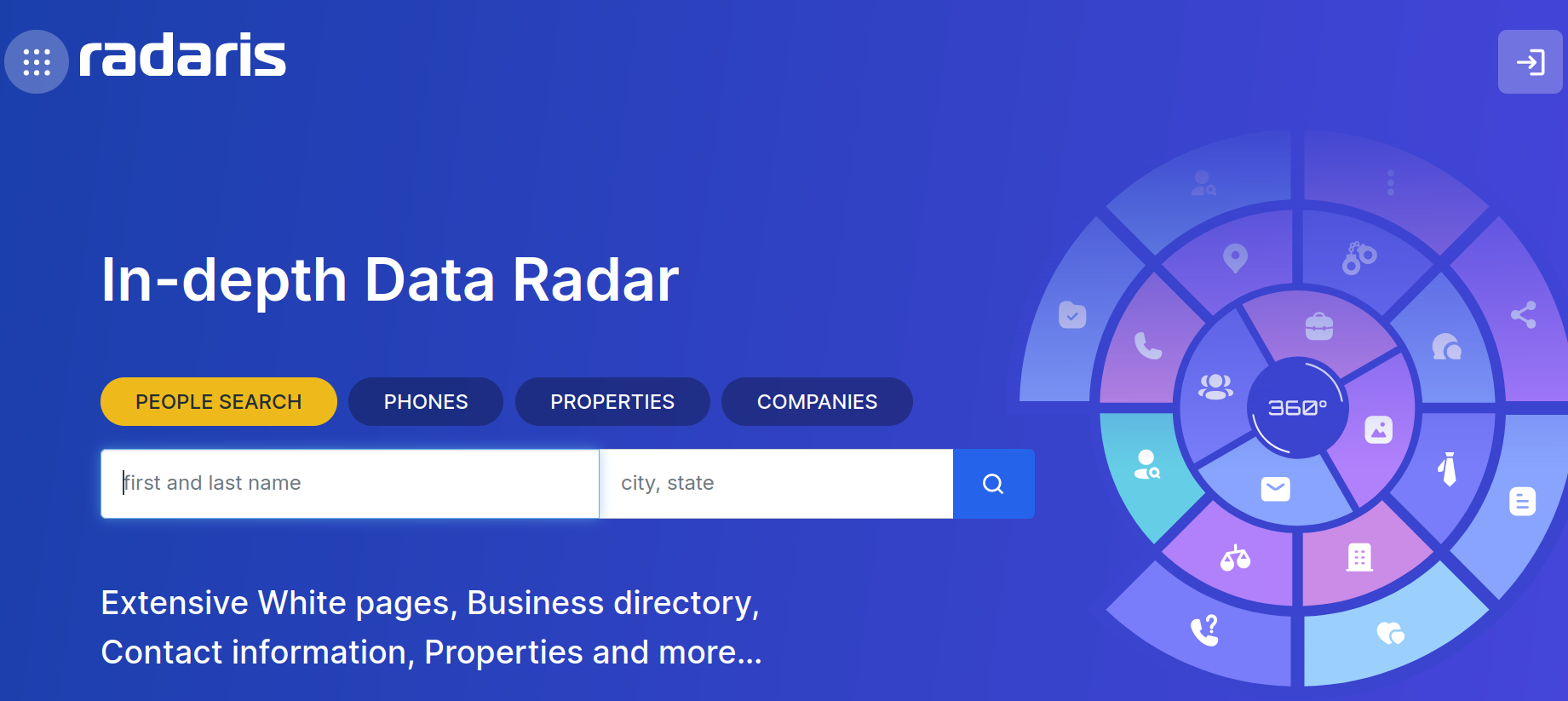
For years, Radaris.com operated as a titan of the "people-search" industry, a sprawling digital warehouse that profited from the aggregation and sale of sensitive personal information. Its business model was built on a foundation of unyielding opacity: ignoring removal requests, obfuscating ownership, and deploying a revolving door of shell companies to evade accountability. However, a landmark legal battle in New Jersey has finally punctured this shroud of secrecy, resulting in a court-ordered seizure of the Radaris domain—a move that marks a significant shift in the power dynamic between privacy advocates and the predatory data brokerage industry.
The Genesis of the Conflict: Daniel’s Law
The legal offensive against Radaris was spearheaded by Atlas Data Privacy Corp, a firm dedicated to enforcing “Daniel’s Law.” Named in memory of Daniel Anderl, the son of a U.S. District Court judge who was murdered by an aggrieved attorney, the New Jersey statute is a direct response to the dangers posed by the unrestrained availability of personal information.
Daniel’s Law empowers state law enforcement officials, judicial personnel, and their families to demand the total removal of their personal data from commercial brokerage sites. Crucially, it provides for significant financial penalties—$1,000 per violation—against entities that ignore these legal mandates. When Radaris repeatedly stonewalled removal requests, Atlas took the matter to the New Jersey courts, setting the stage for a protracted, high-stakes confrontation.
Chronology of a Corporate Shell Game
The history of Radaris is marked by a deliberate, decade-long strategy of "island-hopping" and procedural obfuscation.
The 2017 Precedent
The battle began in earnest years ago when Radaris failed to contest a class-action lawsuit, resulting in a $7.5 million default judgment. When the plaintiffs attempted to collect, the court ordered the domain registry Verisign to transfer the radaris.com domain. Radaris’s legal counsel, Val Gurvits, successfully intervened, arguing that the true owner was a Cyprus-based entity, "Bitseller Expert Limited," and that the transfer violated due process. The court halted the seizure, and the plaintiffs failed to refile. Radaris, emboldened by this narrow escape, continued its operations, eventually migrating its management to an entity formed in the Marshall Islands, "Andtop Company," in October 2020.
The 2024-2025 Escalation
In February 2024, Atlas Data Privacy Corp reignited the fight. The litigation quickly became a "cat and mouse" game. As Atlas pressed its claims, Radaris attorneys repeatedly delayed proceedings, claiming that Atlas had failed to serve the "real" owners of the company.
The investigative work of KrebsOnSecurity proved pivotal during this phase. Reports exposed that the company was managed by Russian-born brothers Igor and Dmitry Lubarsky, operating out of Massachusetts. The investigation further uncovered that Radaris had been using a fabricated CEO, "Gary Norden," to court investors and manage public relations. When faced with these revelations, the defense attorneys resorted to threats of defamation litigation, only to later admit in court that the CEO was, indeed, a fiction.
By June 2025, Atlas had refiled its lawsuit, broadening its scope to include a massive network of sister domains. Matt Adkisson, CEO of Atlas, described the defense strategy as a classic shell game: “Defense lawyers told the court that certain entities merely operated the domains and were the proper parties to sue. But by the time a judgment neared, those entities would be discarded and new entities would appear.”
The Final Ruling
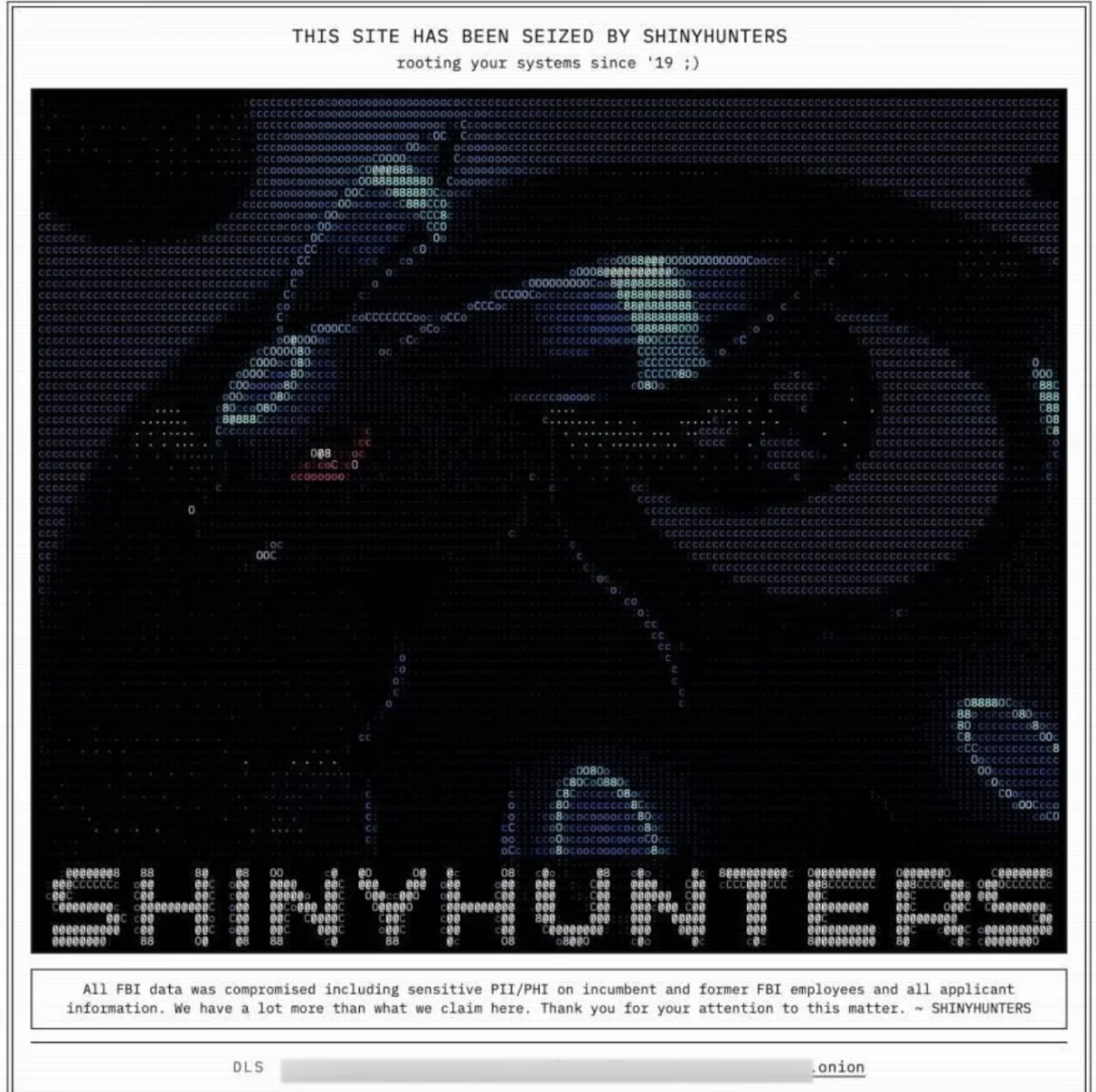
On August 26, 2026, the New Jersey court reached a breaking point. Finding that the defendants had been given ample opportunity to contest the claims and had consistently failed to do so in good faith, the judge ordered the transfer of Radaris.com and over a dozen associated domains to the plaintiffs. As of today, the radaris.com homepage no longer displays personal dossiers; it serves as a portal for the court-ordered notice of the transfer.
Supporting Data: Unmasking the Network
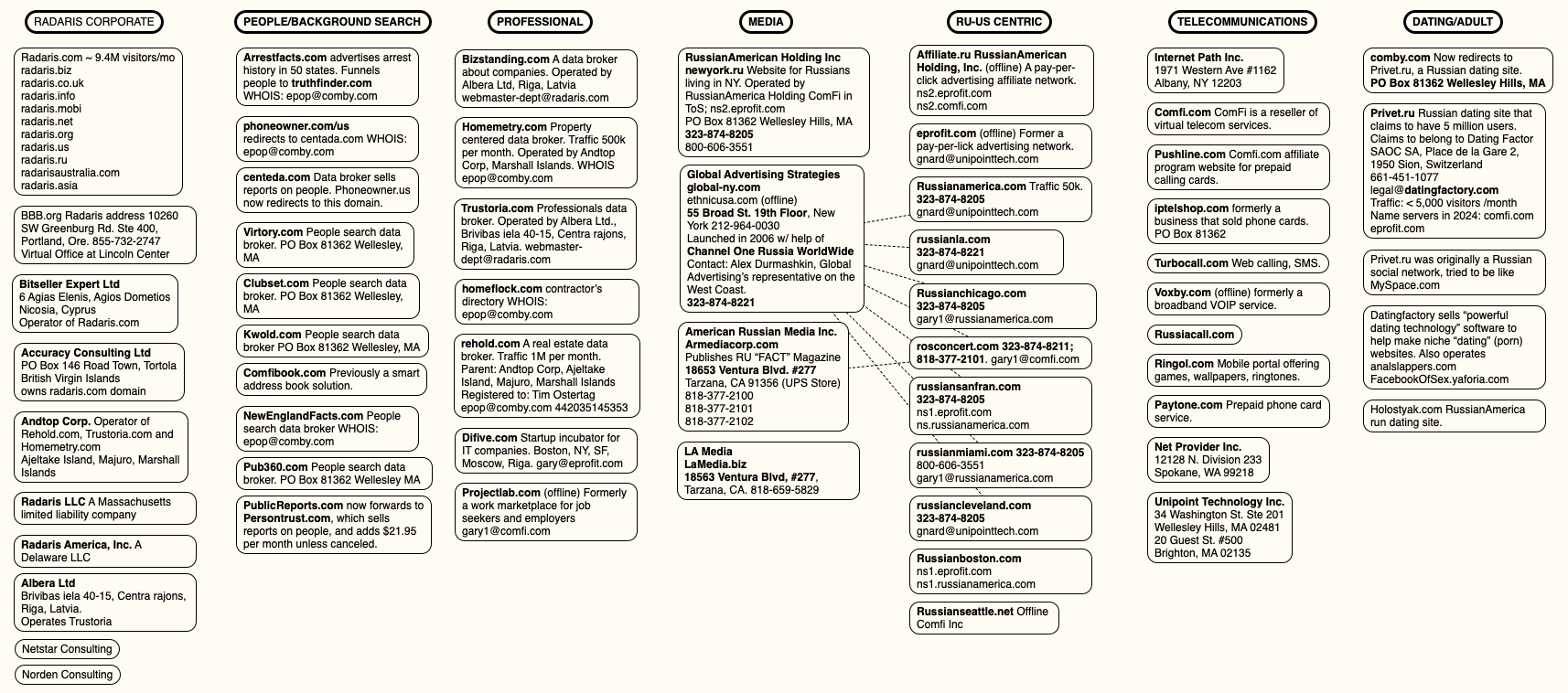
The discovery process during the litigation provided a rare, behind-the-scenes look at the mechanics of the people-search industry. Atlas reported obtaining over 10,000 internal documents, including emails and financial records, that link a wide array of seemingly independent entities—including Radaris America, Bitseller Expert Limited, Digital Orbit Corp, and Virtura Corp—to a single, centralized operation.
The evidence confirms that these numerous brands share the same administrative staff, financial payment processors, and virtual office addresses. The internal communications reveal a lucrative enterprise:
- Radaris.com: Generates approximately $42,000 in monthly revenue.
- Veripages.com: Nets roughly $45,000 monthly, aided by partnerships with marketing firms like the Lifetime Value Company.
- The "Cure" Scam: Perhaps most startlingly, the documents indicate the Radaris family of sites earns $25,000 monthly through a partnership with Onerep—a company that markets itself as a privacy service to help people remove their data from the very sites that are part of the Lubarsky brothers’ network. This "selling the disease and the cure" model highlights the perverse incentives baked into the current data economy.
Official Responses and Legal Maneuvering
The legal team representing the Radaris interests remains defiant. Victor Worms, the attorney now handling the case, has moved to vacate the default judgment. His argument rests on a technicality: that "Radaris.com" is a domain name, not a legal entity, and therefore lacks the capacity to be sued.
"We intend to pursue all appropriate appeals," Worms stated, characterizing the transfer as a forfeiture that violates fundamental constitutional principles. Conversely, the plaintiffs remain confident. Raj Parikh, a partner at PEM Law, noted that while the industry has historically won by "attrition"—waiting for plaintiffs to run out of time and resources—the stakes for public officials were too high to allow for such an outcome in this instance.
Implications: The Constitutional Tug-of-War
The downfall of Radaris is not the end of the war; it is a single battle in a much larger constitutional conflict. Currently, roughly 150 data brokerage firms are fighting Daniel’s Law in federal courts. These companies argue that the statute is an unconstitutional violation of the First Amendment, asserting that they have a right to publish "public" information.
The legal landscape is fragmented. While states like New Jersey push for greater protection, federal district courts in other jurisdictions—such as West Virginia—have ruled similar laws facially unconstitutional. The issue is destined for the U.S. Supreme Court.
Privacy expert Justin Sherman, author of The Middlemen, emphasizes that this crisis is a result of a massive regulatory void. "We’ve had eight million wake-up calls already on the need for better privacy laws," Sherman notes. He points out that the vast majority of state-level privacy legislation contains massive loopholes that exempt records deemed "public" or "government" documents, such as marriage certificates, motor vehicle records, and court filings.
Because these documents form the backbone of the people-search industry, current laws do little to stop the fundamental practice of scraping and selling data. The recent IDScan.net breach, which exposed the driver’s license data of 153 million Americans, serves as a grim reminder that without a comprehensive federal privacy law, the personal information of every citizen remains essentially "public property."
As the Radaris case moves toward the appellate level, it stands as a testament to the fact that while the legal system can occasionally hold individual bad actors accountable, the structural problem of digital surveillance remains largely untouched. The question remains: will the seizure of a few domains be the spark that forces Congress to act, or will the data broker industry continue to operate in the shadows of the 21st century?