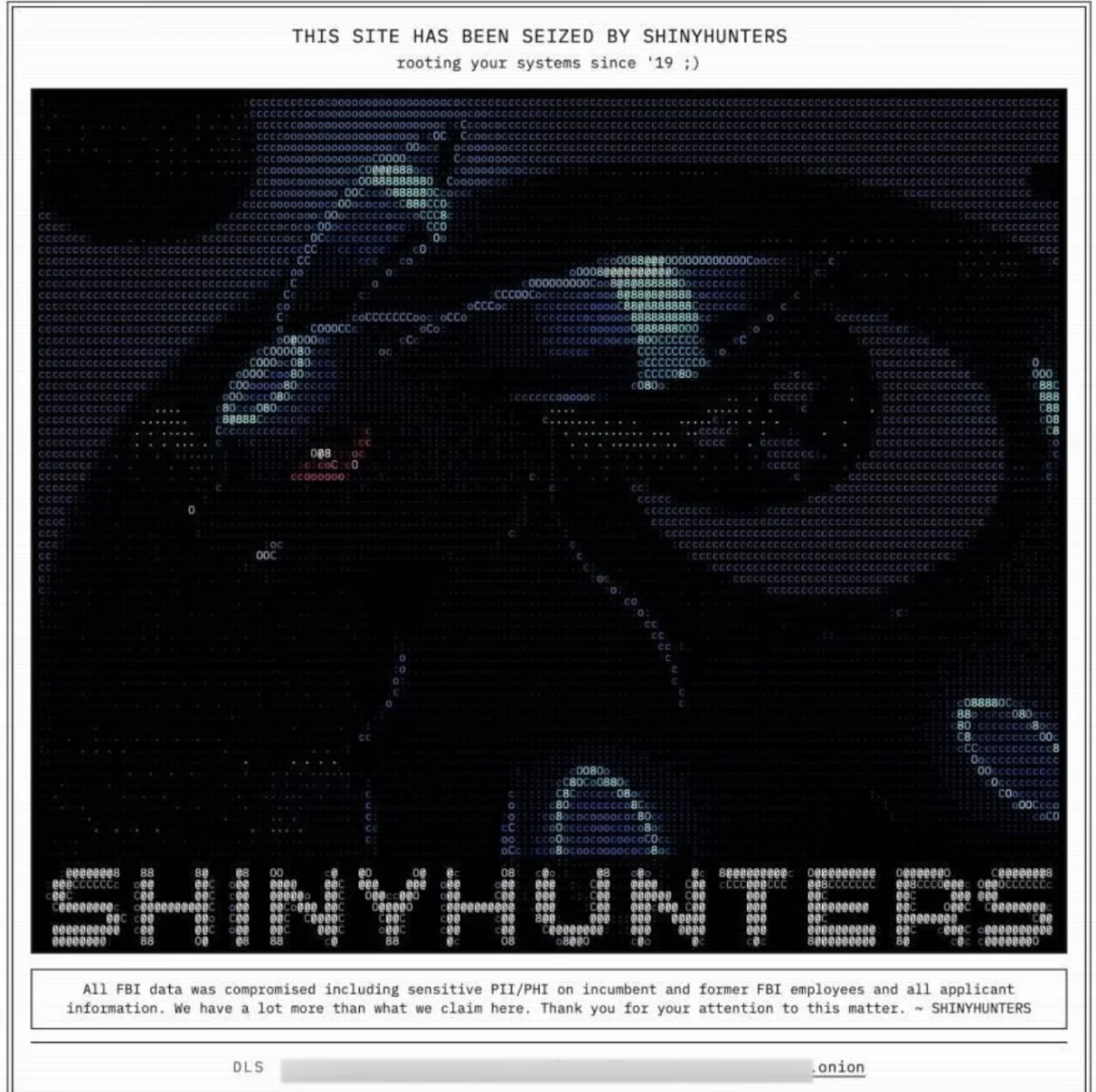









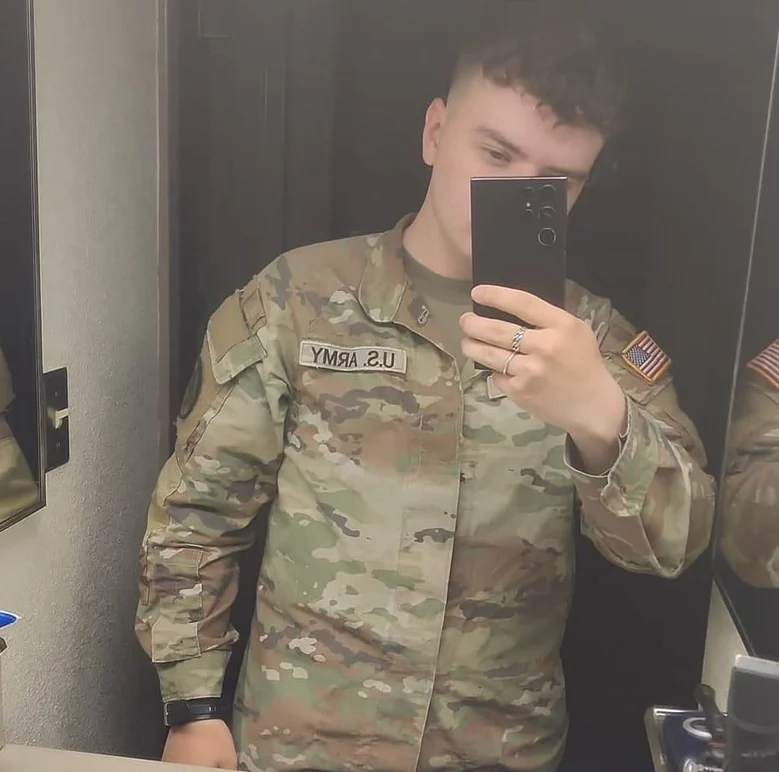
In a case that has sent shockwaves through the U.S. military and the cybersecurity industry, 22-year-old U.S. Army soldier Cameron John Wagenius has been sentenced to 70 months in federal prison. Once a trusted service member stationed in South Korea, Wagenius—who operated under the menacing digital alias “Kiberphant0m”—became the architect of a massive data theft and extortion scheme that targeted major telecommunications providers, including AT&T and Verizon.
The sentence, handed down by a federal court in Seattle, also mandates that Wagenius pay nearly $300,000 in restitution. The case stands as a sobering example of the “insider threat” phenomenon, where an individual with legitimate security clearance leverages their access and technical acumen to facilitate criminal activity that spans international borders.
Chronology of a Cyber-Insurgency
The rise and fall of Kiberphant0m is a story of rapid escalation. Operating from the constraints of a military base, Wagenius did not act alone. He integrated himself into a sophisticated ecosystem of cybercriminals, collaborating with three primary co-conspirators to exploit weaknesses in the cloud-based data storage infrastructure provided by Snowflake.
The Snowflake Exploitation
The primary vector for the breaches was not a direct assault on the telecom giants themselves, but rather the exploitation of poorly secured credentials within the Snowflake environment. By targeting third-party partners who had failed to implement multi-factor authentication (MFA), Wagenius and his cohorts were able to gain unauthorized access to vast repositories of sensitive customer data.
The Public Extortion Phase
By October 2024, the scope of the theft became clear. Wagenius began advertising his access on illicit cybercrime forums, boasting that he had successfully exfiltrated call and text metadata—including source numbers, destination numbers, timestamps, and call durations—for more than 100 million AT&T customers. His tactics were brazen; he engaged in public extortion, threatening to leak the data unless the victimized corporations met his financial demands.
Detection and Arrest
The turning point for Wagenius came in late 2025, when KrebsOnSecurity published investigative reporting suggesting that the entity known as Kiberphant0m was likely a U.S. soldier stationed in South Korea. The scrutiny triggered a multi-agency response, including the FBI, the Army Criminal Investigative Division (CID), the U.S. Secret Service, and the Defense Criminal Investigative Service (DCIS). Within a month of the public revelation, Wagenius was in custody, facing a flurry of federal indictments to which he eventually pleaded guilty.
The Web of Co-conspirators
Wagenius was merely one node in a larger, fractured network of digital mercenaries. Federal prosecutors have highlighted several key figures who supported his efforts:
- Kenneth Schuchman: A 28-year-old from Vancouver, Washington, with a notorious history in the cyber-underground. Schuchman is best known for his 2019 conviction regarding the operation of the “Satori” botnet, which hijacked thousands of Internet-of-Things (IoT) devices to launch massive DDoS attacks.
- Conor Riley Moucka (a.k.a. “Judische”): A resident of Kitchener, Ontario, Moucka played a central role in the Snowflake-related thefts. He was arrested in 2024 and entered a guilty plea in August 2026.
- John Erin Binns: An American expatriate currently residing in Turkey, Binns remains a figure of intense interest for federal investigators. Beyond the current case, he is a primary suspect in the 2021 T-Mobile data breach, which compromised the personal records of at least 76 million people.
Official Responses: A National Security Crisis
The involvement of an active-duty soldier with a secret clearance turned what might have been a standard cybercrime investigation into a high-priority national security matter.
Paul Russell, a resident agent in charge at the Defense Criminal Investigative Service (DCIS), expressed the gravity of the situation during a debriefing. "We don’t often get leads where there’s an active-duty soldier with a secret clearance who’s creating hacking tools and trafficking in data," Russell remarked. "It was very serious from jump street, just because it was unique, it was an insider threat, and we weren’t sure what we were dealing with."
The concern was not merely the theft of commercial data. Kiberphant0m eventually escalated his threats to include the potential disclosure of classified U.S. national security schematics. In a particularly volatile moment following the arrest of co-conspirator Conor Moucka—and despite AT&T having already paid a $370,000 Bitcoin ransom—Wagenius posted what he claimed were the call logs of President-elect Donald Trump and Vice President Kamala Harris. This act signaled a shift from purely financial extortion to a direct challenge to the U.S. government’s intelligence and security apparatus.
The Inmate Hacker: Continued Deviance
Perhaps the most startling aspect of the case occurred while Wagenius was incarcerated and awaiting his sentencing. A sentencing memo filed by federal prosecutors in September 2026 revealed that the soldier’s penchant for hacking had not abated behind bars.
Using the email accounts of fellow inmates, Wagenius attempted to perform “prompt injection” attacks against commercial artificial intelligence tools. His goal was to bypass the safety guardrails of these AIs to obtain actionable information on privilege escalation, Windows 10 vulnerabilities, and even instructions on how to construct a radio antenna from commissary items to potentially assist in a prison escape.
While the government noted there was no evidence he successfully deployed these vulnerabilities against the Bureau of Prisons (BOP) network, the attempts underscore a compulsion that persisted even in the face of a lengthy prison sentence. Wagenius defended his queries as research for a book he was writing, a common, if thin, veil used by those attempting to manipulate AI systems.
Implications: The High Cost of Minimal Returns
Despite the global scale of his intrusions, the financial reality of Wagenius’s criminal career was surprisingly dismal. Prosecutors noted that despite the massive volume of data exfiltrated, he generated only about $1,500 in total profit from the direct sale of stolen information.
This discrepancy highlights the changing nature of modern cybercrime: the value is not always found in immediate liquidation, but in the chaos, leverage, and reputational damage inflicted upon global infrastructure.
The Lessons for Industry
The saga of Kiberphant0m offers several critical lessons for the corporate and public sectors:
- The Necessity of MFA: The breach would have been largely impossible had Snowflake and its clients mandated robust multi-factor authentication from the start.
- Insider Threat Mitigation: The military’s challenge in identifying a rogue actor within its own ranks highlights the need for better behavioral analytics and tighter monitoring of access for those with secret clearances.
- The AI Threat Vector: The ease with which Wagenius attempted to weaponize AI to exploit computer systems shows that developers must remain vigilant against “prompt injection” techniques, as these tools are increasingly used as force multipliers for malicious actors.
As Wagenius begins his 70-month sentence, the case remains a stark reminder of the fragile state of digital security. A single individual, operating from a desk in South Korea, was able to destabilize the privacy of millions and command the attention of the highest levels of the U.S. government. While the threat has been neutralized for now, the incident leaves behind a legacy of exposed data and a permanent shift in how the military and federal agencies approach the vetting and monitoring of personnel in the digital age.