








In the modern American economy, credit is the lifeblood of personal finance. From mortgages and auto loans to credit cards and medical expenses, the ability to borrow has become a cornerstone of daily life. However, when the delicate balance of income and expenditure shifts, consumers can find themselves in the precarious position of dealing with debt collection agencies. With total U.S. consumer debt hitting a staggering $17.29 trillion as of Q3 2023, according to Federal Reserve data, the reality of collection activity is a concern for millions of households.
While the number of debt accounts currently in collections has shown a slight downward trend, the average severity of these accounts is climbing. Recent studies indicate that the average debt account in collections now exceeds $1,600, a significant jump from $1,200 in 2022. This surge in individual account balances necessitates a deeper understanding of the laws that govern the industry—and the rights afforded to you as a consumer.
The Legal Framework: Your Shield Against Aggressive Practices
The debt collection industry is not the "Wild West." It is governed by a robust framework of federal statutes designed to prevent the harassment, deception, and abuse that were once rampant in the industry. Understanding these laws is the first step toward reclaiming your financial agency.
The Fair Debt Collection Practices Act (FDCPA)
Enacted in 1977, the FDCPA serves as the primary line of defense for consumers. It explicitly prohibits third-party debt collectors from using abusive, deceptive, or unfair practices. Under the FDCPA, collectors are barred from:
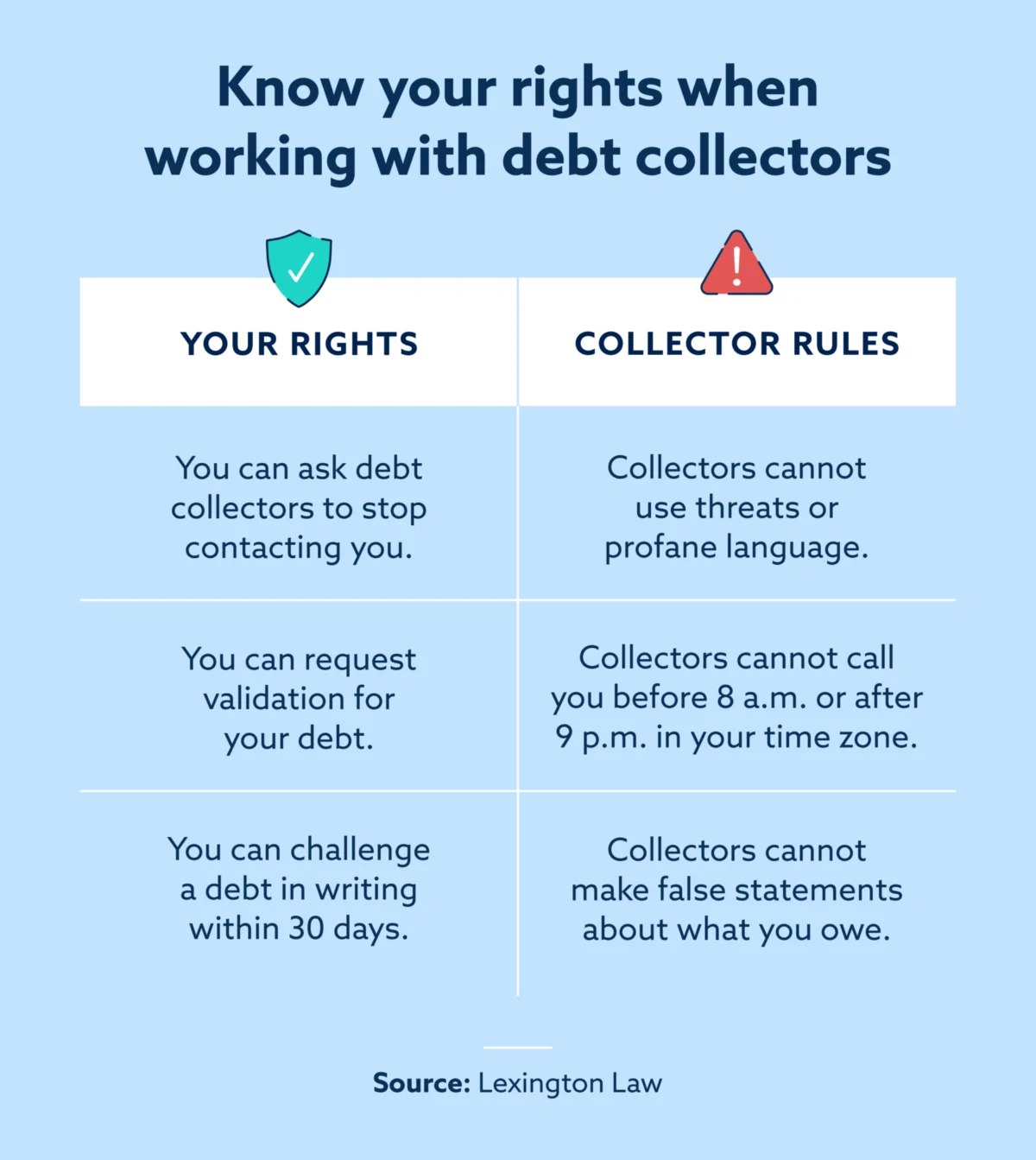
- Harassment: Using threats of violence or profane, obscene language.
- Deception: Misrepresenting the amount of the debt, falsely claiming to be law enforcement, or threatening legal action that they do not intend to take.
- Unfair Practices: Attempting to collect interest or fees not authorized by the original agreement or calling you before 8:00 a.m. or after 9:00 p.m.
The Fair Credit Reporting Act (FCRA)
While the FDCPA regulates collector behavior, the FCRA ensures the accuracy of the information reported to the credit bureaus. If a collection agency reports an incorrect debt or an inaccurate balance, the FCRA gives you the right to dispute that information. Once a dispute is filed, the credit reporting agency must conduct a reasonable investigation. If the collection agency cannot verify the debt’s accuracy, the information must be corrected or deleted from your report.
Unfair or Deceptive Acts or Practices (UDAP)
Beyond specific debt laws, the broader UDAP regulations—enforced by the Consumer Financial Protection Bureau (CFPB)—prohibit any business, including financial institutions and collectors, from engaging in practices that are fundamentally misleading or abusive. This serves as a "catch-all" protection to ensure that consumers are not subjected to predatory tactics that don’t fit neatly into other legislative categories.

Chronology of a Debt: From Default to Collection
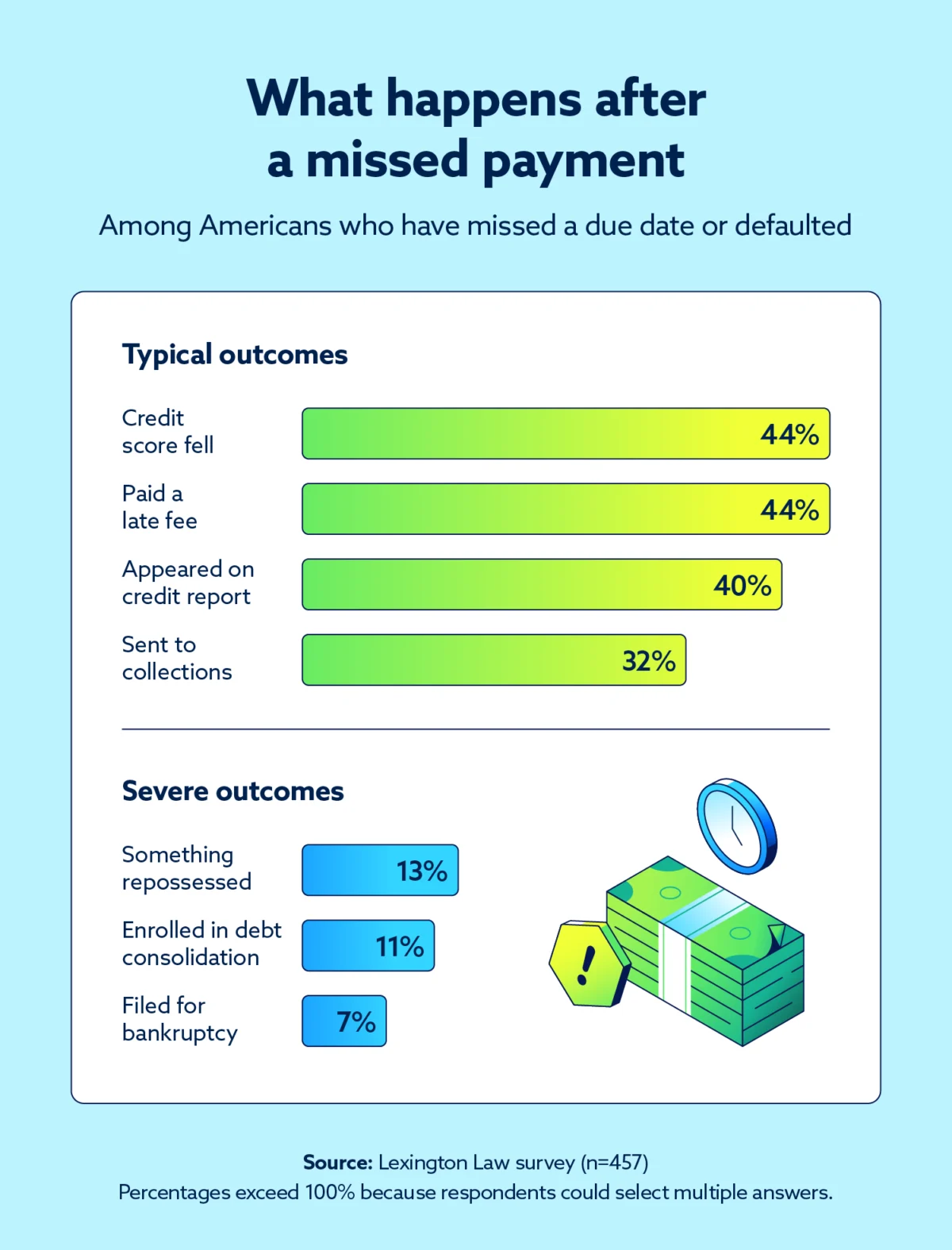
To manage debt effectively, one must understand its lifecycle. Many consumers assume that a missed payment immediately triggers a collections process, but the reality is more nuanced.
- The Initial Default: Technically, a debt can be flagged as "delinquent" the day after a payment is missed. However, most lenders offer a grace period. It is during this early stage that communication is most vital. If you anticipate a missed payment, contact your lender immediately; many are willing to restructure your payment schedule before the debt is charged off.
- Charge-Off: If you fail to pay for an extended period—usually 120 to 180 days—the creditor will "charge off" the debt. This does not mean the debt disappears; it means the original lender has classified it as a loss and will often sell it to a third-party collection agency for a fraction of its value.
- The Collection Effort: Once an agency buys the debt, they become the entity you must deal with. They are still bound by federal law, but they are often more aggressive in their pursuit of payment.
- The Statute of Limitations: This is a crucial legal concept. Every state has a specific timeframe, known as the "statute of limitations," during which a creditor can legally sue you to recover a debt. If this time passes, the debt is considered "time-barred." Caution: Making a partial payment or acknowledging the debt in writing can, in some jurisdictions, "reset the clock," effectively giving the collector a new window to pursue you legally.
Supporting Data and Economic Context
The current economic environment, characterized by higher interest rates and the lingering effects of inflationary pressure, has placed a squeeze on the average American wallet. The rise in average debt collection balances from $1,200 to $1,600 is not merely a number; it reflects the rising cost of essential goods and services that force consumers to rely on credit.
As the total debt load of the nation approaches $18 trillion, the pressure on collection agencies to perform is higher than ever. Investors in "distressed debt" portfolios are pushing agencies to maximize recovery rates, which can lead to increased volumes of phone calls, letters, and digital outreach to consumers. Understanding the data helps shift the perspective: you are part of a massive, systemic economic cycle, and you are not alone in this struggle.
Official Responses and Consumer Protection Resources
The government’s primary response to the growth of the debt collection industry is the expansion of the CFPB’s oversight. The CFPB regularly issues bulletins and guidance to ensure that collectors are not using modern technology—such as automated text messaging or social media—to harass consumers.
If you believe a debt collector has crossed the line, there are established channels for recourse:
- File a Complaint with the CFPB: The Bureau maintains a public portal for consumer complaints, which they use to monitor industry trends and take enforcement action against repeat offenders.
- State Attorney General’s Office: Many states have stricter debt collection laws than the federal government. Your state’s AG office can investigate local collection agencies.
- Better Business Bureau (BBB): While the BBB is a private organization, filing a complaint here can often prompt a faster response from a collection agency that values its public reputation.
Implications for Your Future: Settlement vs. Bankruptcy
When the weight of debt becomes unsustainable, consumers are often forced to choose between two difficult paths: settlement or bankruptcy.

Debt Settlement
Debt settlement is the process of negotiating with a collector to pay a lump sum that is less than the total balance. Collectors often prefer this because it guarantees them a payout without the expense of legal fees. Key Rule: Never make a payment toward a settlement until you have the agreement in writing. Verbal promises from collectors are not legally binding.
Bankruptcy
Filing for bankruptcy is a severe, life-altering step. It triggers an "automatic stay," which forces all collection activity to cease immediately. While it can provide a "fresh start" by discharging unsecured debt, it leaves a significant mark on your credit report for up to 10 years. It should be viewed as a tool of last resort, to be utilized only after consulting with a qualified bankruptcy attorney.
Conclusion: Taking Control
The process of dealing with debt collectors is undeniably stressful, but it is a manageable financial challenge. By staying informed, keeping meticulous records of all communications, and understanding the protections provided by the FDCPA and FCRA, you can prevent debt from dictating your life.
If you find yourself overwhelmed, consider seeking professional guidance. Whether through credit counseling or legal assistance, there are resources available to help you navigate the path toward financial stability. Remember, while you are responsible for your debts, you are also entitled to be treated with dignity and fairness throughout the entire process.
Disclaimer: The information provided on this website does not, and is not intended to, act as legal, financial, or credit advice. It is for general informational purposes only. Use of, and access to, this website or any of the links or resources contained within the site do not create an attorney-client or fiduciary relationship between the reader and the website owner.