







Dealing with debt collectors is an experience that most people hope to avoid, yet it remains a common reality in the modern financial landscape. When personal financial circumstances shift—due to job loss, medical emergencies, or unexpected life events—missed payments can quickly snowball. Once a debt is sold to a third-party collection agency, the dynamic changes from a customer-creditor relationship to a more adversarial one.
However, being contacted by a collection agency does not mean you are powerless. By understanding the legal frameworks governing the industry and employing strategic communication, you can transition from a position of anxiety to one of control. This guide outlines the essential steps to protect your rights, verify your financial obligations, and negotiate a sustainable path forward.
The Landscape of Debt Collection: Main Facts
When a creditor determines that a debt is unlikely to be paid, they often "charge off" the account and sell it to a third-party debt collector for pennies on the dollar. These agencies are profit-driven entities that specialize in recovering these assets.
The primary fact to understand is that debt collectors are strictly regulated. They are not permitted to use intimidation, deception, or harassment to secure payment. Your fundamental right as a consumer is to hold these agencies accountable to the rules established by federal law. Ignoring these communications rarely makes them go away; in fact, it can lead to further credit damage, legal judgments, and even wage garnishment. Therefore, engagement—informed and strategic engagement—is the most effective way to mitigate the impact on your financial health.
Chronology of the Debt Collection Process
Understanding the timeline of a debt’s lifecycle is crucial for anticipating what happens next:

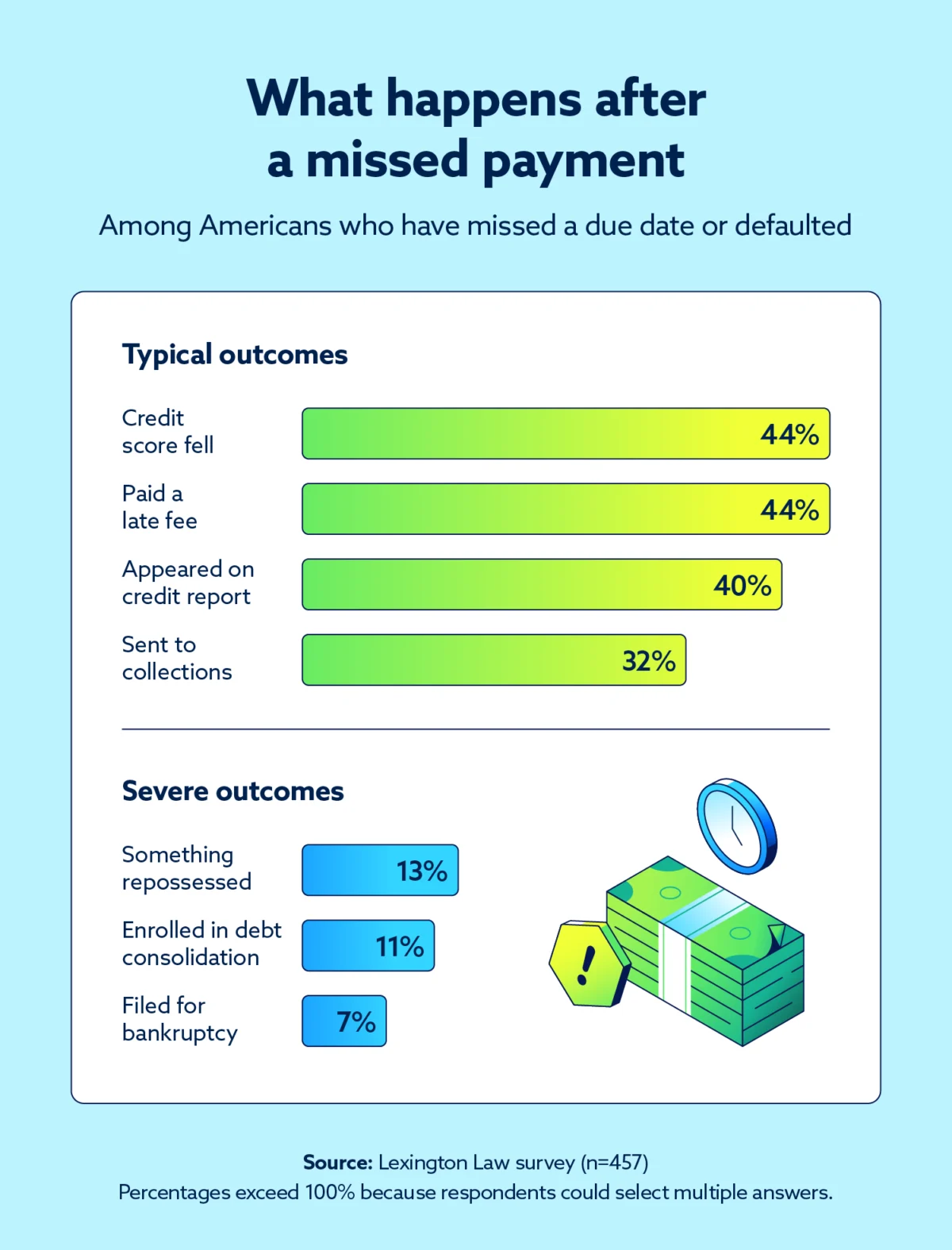
- Delinquency (30–90 days): The original creditor attempts to collect via internal departments. Late fees accumulate, and your credit score begins to reflect the delinquency.
- Charge-Off (120–180 days): The creditor declares the debt a loss. The account is either assigned to an agency or sold to a debt buyer.
- Initial Contact: You receive a collection notice via phone or mail. Under the Fair Debt Collection Practices Act (FDCPA), the collector must provide a written "validation notice" within five days of this initial communication.
- The Validation Window: You have 30 days from the receipt of that notice to dispute the debt or request proof that it belongs to you.
- Resolution or Litigation: If you do not respond, the collector may assume the debt is valid and intensify their efforts, potentially leading to a lawsuit or continued reporting to credit bureaus.
Step 1: Know and Enforce Your Rights
The Fair Debt Collection Practices Act (FDCPA) serves as the bedrock of consumer protection in this space. It was enacted to eliminate abusive, deceptive, and unfair debt collection practices.
Communication Restrictions
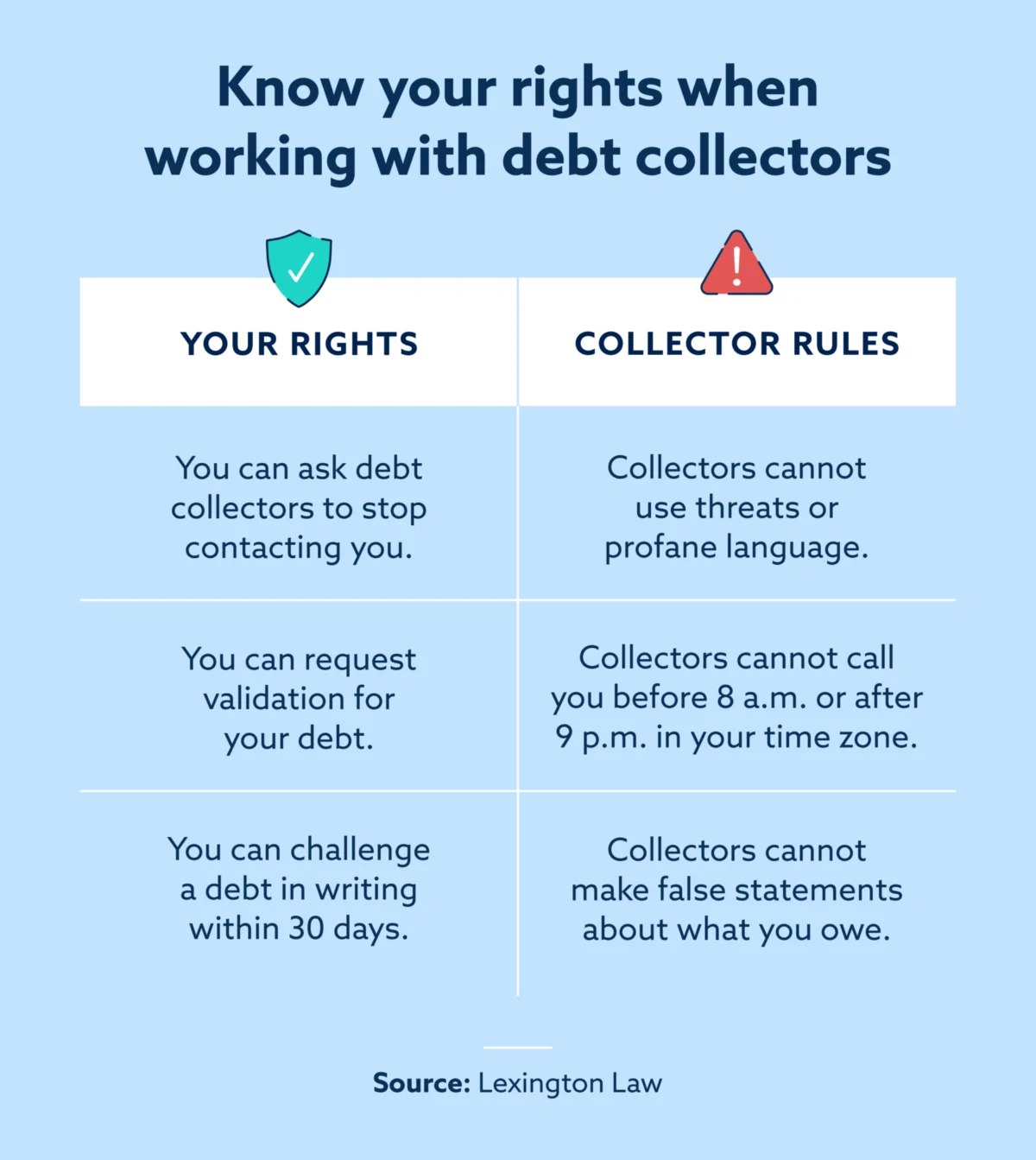
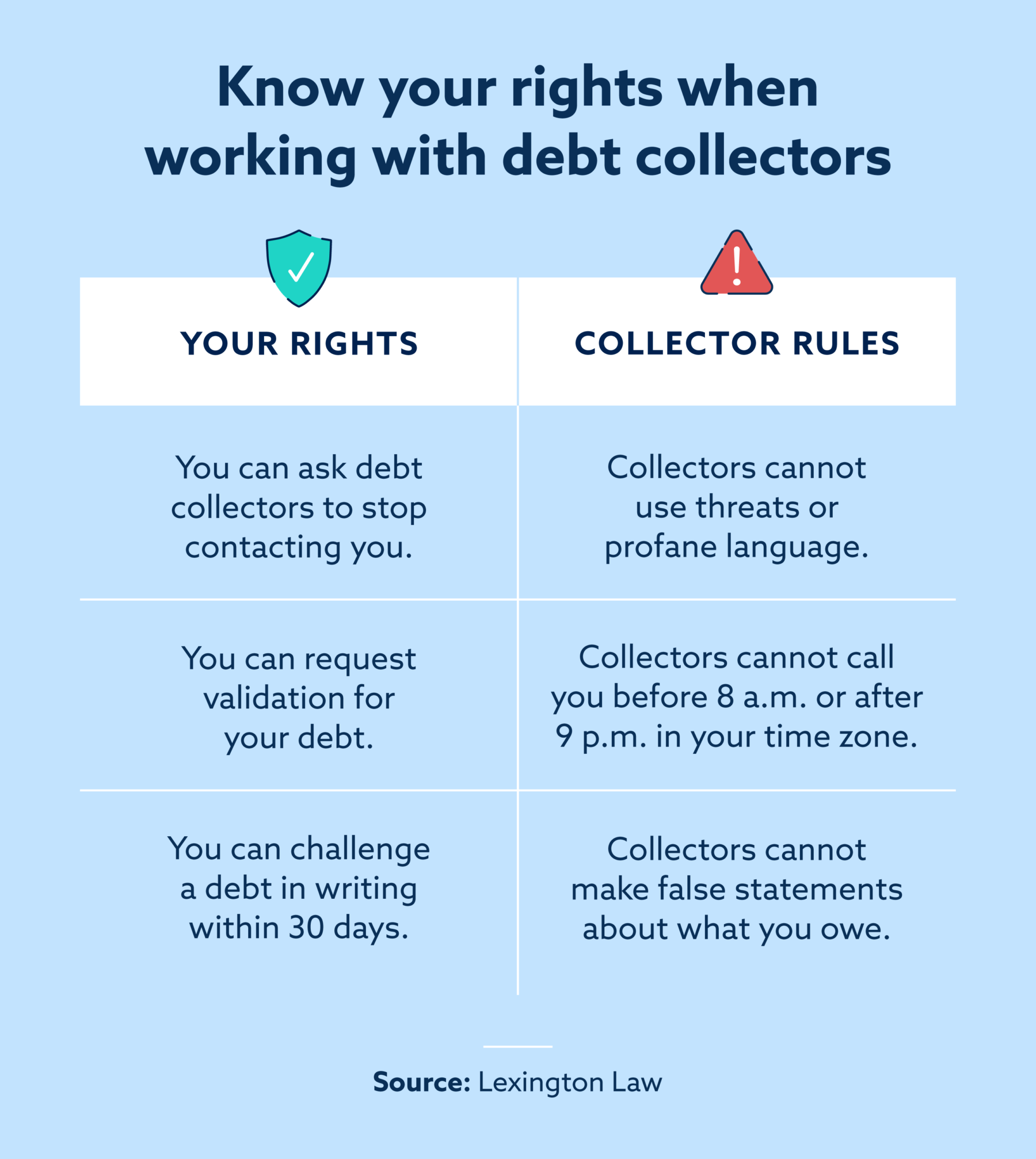
Debt collectors are not allowed to call you at all hours. They are restricted to calling between 8:00 a.m. and 9:00 p.m. local time. Crucially, if you inform a collector—preferably in writing—that your employer prohibits personal calls at work, they are legally required to stop calling that number immediately.
Privacy and Disclosures
Collectors are prohibited from disclosing your debt to third parties, including family members, neighbors, or coworkers. They may contact others only to ascertain your location or contact information, and even then, they cannot reveal that they are debt collectors or that you owe a debt.
Prohibition of Harassment
The FDCPA explicitly forbids the use of profane language, threats of violence, or any behavior meant to intimidate. They cannot lie about the amount you owe, threaten to have you arrested, or falsely claim that they are law enforcement officers.
Step 2: Verify the Debt is Yours
Before paying a single cent, you must perform debt validation. Debt buyers often purchase portfolios of bad debt that contain errors, such as incorrect balances, debts that have already been paid, or accounts belonging to individuals with similar names.

How to Request Validation
You should submit a written request for debt validation within the 30-day window provided by the initial notice. This letter requires the collector to provide:
- The name of the original creditor.
- The current amount owed.
- Evidence that they are legally authorized to collect on this specific debt.
If the agency cannot provide sufficient proof, you are generally not obligated to pay. Furthermore, verify the statute of limitations for your specific state and debt type. If the debt is "time-barred," the collector may no longer have the legal right to sue you for the balance.
Step 3: Communicate Wisely and Effectively
When you must speak with a collector, the way you conduct the conversation can dictate the outcome.
- Keep it in writing: Whenever possible, move the conversation from the phone to the mail or email. Written records provide an audit trail if the collector violates the law.
- Do not admit liability: Be cautious with your phrasing. Avoid saying, "I will pay," or "I know I owe this," until you have fully verified the debt.
- Request specific info: Always ask for the name of the representative, the name of the agency, their physical address, and their license number.
- State your boundaries: Clearly tell the collector, "I prefer to communicate via mail regarding this matter."
Step 4: Negotiate with the Debt Collector
If the debt is verified and legitimate, you are responsible for it. However, this does not mean you must pay the full amount immediately. Many agencies are willing to negotiate.
Strategies for Negotiation
- Lump-sum settlements: Offer a smaller, one-time payment in exchange for the account being marked as "settled in full."
- Pay-for-delete: Attempt to negotiate a written agreement stating that if you pay the debt, they will remove the collection account from your credit reports. While not always successful, it is a common request.
- Payment plans: If you cannot pay a lump sum, propose a structured monthly payment plan that fits your budget.
Important: Never send a payment until you have a written agreement outlining the terms of the settlement. Do not provide access to your bank account via a direct debit authorization; instead, send payments via money order or cashier’s check to protect your financial data.

Official Responses and Regulatory Data
The Consumer Financial Protection Bureau (CFPB) and the Federal Trade Commission (FTC) are the primary watchdogs for debt collection. In recent years, these agencies have processed tens of thousands of complaints annually.
Data from the CFPB consistently shows that the most frequent consumer complaints relate to:
- Attempts to collect debts not owed.
- Communication tactics that involve harassment.
- Failure to provide proper validation of the debt.
If you believe a collector has violated the FDCPA, you should file a formal complaint with the CFPB. These reports are instrumental in identifying bad actors and can provide you with leverage if a collector is attempting to engage in litigation.
Implications: The Long-Term Impact
It is vital to recognize that even after a debt is settled, the original collection account may stay on your credit report for up to seven years from the date of the initial delinquency. This can continue to suppress your credit score, making it harder to secure loans, housing, or favorable insurance rates.
This is where the distinction between "paying the debt" and "repairing your credit" becomes clear. Paying the collector satisfies your legal obligation to the debt holder, but it does not automatically repair the damage to your credit history.
Seeking Professional Assistance
If the process of dealing with collectors feels overwhelming, or if you suspect that your credit report contains inaccuracies, you may want to consult with a credit repair professional. Reputable organizations can help you:
- Identify and dispute inaccurate information on your credit report.
- Draft formal communication to collection agencies.
- Understand the nuances of state-specific statutes of limitations.
While no one can legally erase legitimate, accurate debt, professional assistance can ensure that your rights are respected and that the information appearing on your credit report is handled in strict accordance with the Fair Credit Reporting Act (FCRA).
Final Thoughts: Taking Control
The experience of debt collection is designed to be stressful, but it is a process governed by law. By remaining calm, maintaining written documentation, and exercising your right to verify every claim made against you, you can navigate this challenge with dignity.
Remember: A debt collector’s goal is to maximize their recovery, but your goal is to protect your financial future. Use the tools provided by the FDCPA, stay organized, and do not hesitate to seek help if the situation becomes unmanageable. You have the right to be treated with fairness and respect throughout the process—ensure that you demand nothing less.
Disclaimer: The information provided in this article is for general educational purposes only and does not constitute legal, financial, or credit advice. Laws regarding debt collection can vary by state and individual circumstance. Always consult with a qualified professional before making significant financial decisions.