






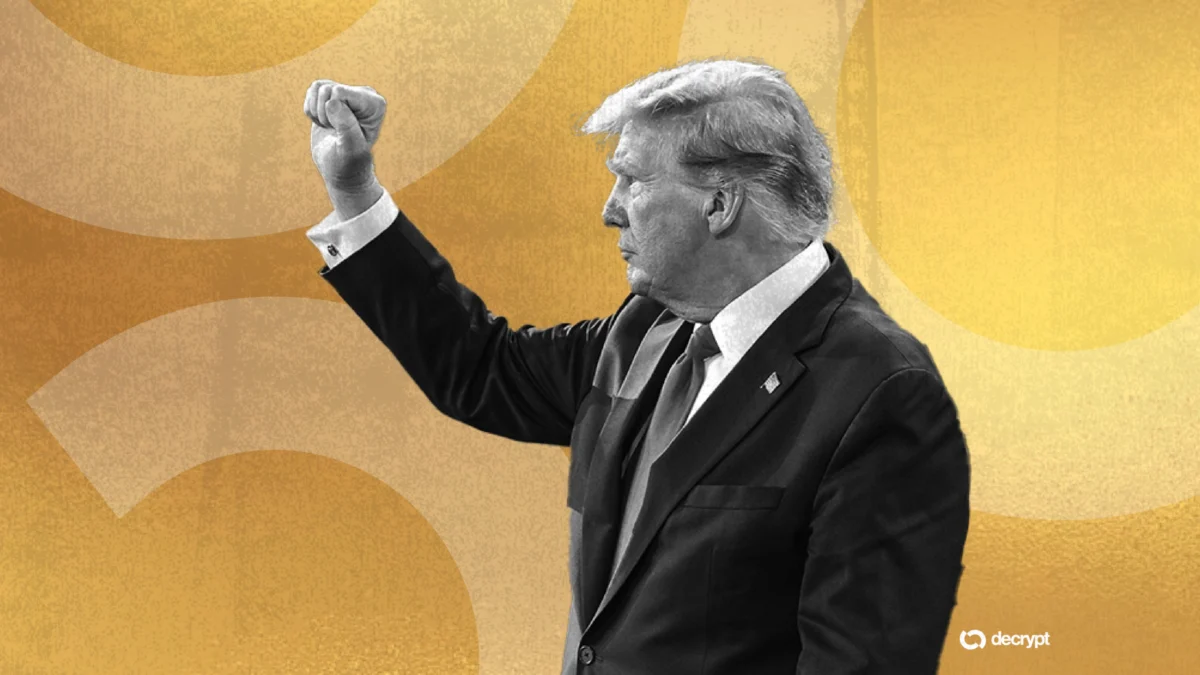
WASHINGTON — President Donald Trump is preparing to break bread once again with his most dedicated digital asset backers. Just weeks after a bitter partisan battle over his personal cryptocurrency interests helped torpedo the digital asset industry’s top legislative priority on Capitol Hill, the official account for the TRUMP meme coin announced that top tokenholders will be treated to an exclusive gala dinner on November 22.
The event, scheduled to take place at Trump National Golf Club—the upscale Washington-area Virginia venue that hosted the token’s inaugural investor dinner last year—comes at a uniquely fraught intersection of presidential politics, high-stakes digital finance, and congressional gridlock.
While the gathering promises high-end perks for the cryptocurrency world’s most loyal speculators, it also highlights the persistent ethical flashpoints surrounding the commander-in-chief’s vast, multi-million-dollar web of digital asset ventures.
Main Facts: The Gala, the Perks, and the Rules
According to the official event landing page managed by Fight Fight Fight LLC—the corporate entity behind the TRUMP token—invitations to the November 22 gala are strictly limited. Only the top 185 registered holders of the digital asset will secure a seat at the table.
Selection is determined not by a simple snapshot of balances, but through a specialized, time-weighted scoring system designed to reward long-term conviction. The formula heavily favors participants who hold larger quantities of the token for extended periods, with the final eligibility snapshot locked in on November 12.
For those who make the cut, the evening promises tiered access:
- General Admission: The top 185 holders gain entry to the gala, where they will dine alongside President Trump and three as-yet-unnamed "superstars" or guest "legends."
- VIP Reception: The elite top 29 ranked holders will enjoy an exclusive pre-event VIP reception with Trump and one of the guest speakers.
- Luxury Hardware: The top four overall holders will receive an exclusive, 18-karat gold Trump-branded watch.
However, the organizers have managed expectations regarding direct, one-on-one access. Explicitly countering the hopes of many heavy investors, the event page carries a blunt disclaimer: "No attendees will be granted a private meet & greet with the President."
The announcement arrives amid a severe downturn for the token itself. TRUMP currently changes hands at approximately $2.04, commanding a market capitalization of $576 million—a staggering drop of more than 97% since its high-profile launch in January 2025.
Chronology: From Launch to Legislative Collapse
To understand the weight of the upcoming November gala, one must trace the timeline of President Trump’s unprecedented integration of meme coin culture with the executive office.
- January 2025: The TRUMP meme coin officially launches, quickly capturing the imagination of retail crypto traders and political speculators alike, though it begins a steep, volatile downward trajectory shortly after inception.
- May 2025: Trump hosts his first exclusive meme coin dinner for top holders. Data from the event reveals that the top 25 VIP attendees had spent an average of $4.8 million apiece to secure their status. While Trump’s appearance lasted roughly an hour—leaving some elite investors feeling shortchanged—the event also drew over 100 vocal protesters to the perimeter of the venue.
- April 2026: A subsequent crypto-focused conference and gathering at Mar-a-Lago demonstrates the wide spectrum of the token’s investor base; one attendee tells reporters he qualified for access with a relatively modest $3,000 investment.
- Early November 2026: The high-stakes legislative battle over the Clarity Act reaches a boiling point in the United States Senate. Months of negotiations over digital asset market structure collapse on the Senate floor as the bill fails a critical procedural vote in a 49-50 deadlock. Restrictions governing President Trump’s personal crypto holdings serve as the primary wedge that sinks the package.
- Mid-November 2026: Fight Fight Fight LLC officially drops the announcement for the November 22 gala, reigniting conversations regarding the intersection of executive ethics and presidential monetization of digital tokens.
Supporting Data: The Staggering Scale of Presidential Crypto Wealth
The economic footprint of President Trump’s digital asset ventures is immense, dwarfing traditional post-presidential revenue streams and raising unprecedented conflict-of-interest questions.
According to Trump’s latest federal financial disclosures, the TRUMP meme coin alone generated just over $635 million in revenue for the president throughout 2025. The vast majority of these funds poured in through licensing royalties—an arrangement where the sitting president’s image and brand power are directly tied to the valuation and trading volume of a volatile speculative asset.
When calculated alongside his broader portfolio of decentralized finance (DeFi) projects, non-fungible tokens (NFTs), and direct holdings in major cryptocurrencies like Bitcoin, Trump’s total crypto-related income for the year topped $1.2 billion. Independent industry audits and market trackers place that figure even higher, with some estimates crossing the $1.4 billion threshold.
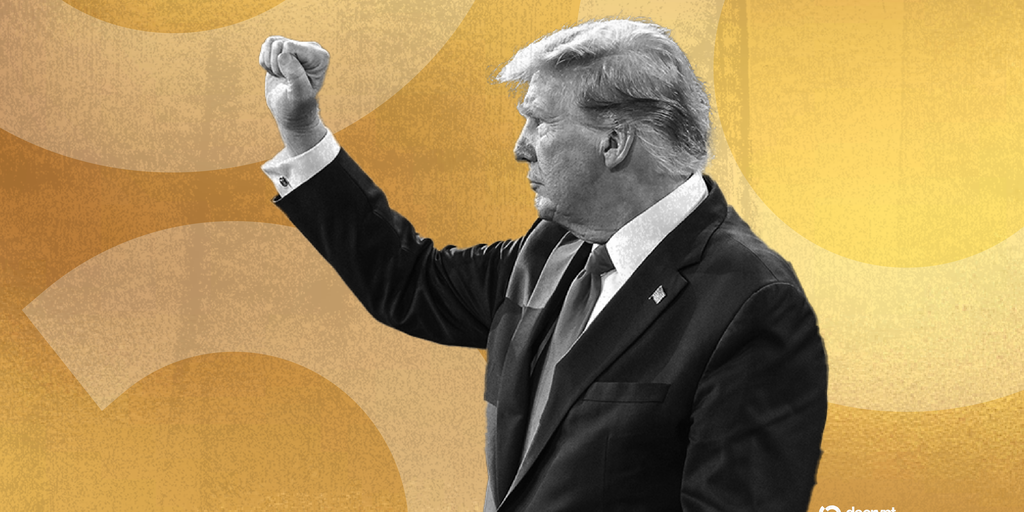
These numbers illustrate why the token dinners, despite carrying steep entry costs or high capital requirements for attendees, represent only a fraction of the broader financial ecosystem surrounding the presidential brand. Yet, they remain the most visible—and performative—manifestation of the relationship between Trump and his retail crypto base.
Official Responses and Political Fallout
The timing of the November 22 dinner is particularly sensitive, coming directly on the heels of the legislative derailment of the Clarity Act—the cryptocurrency industry’s premier legislative push aimed at establishing comprehensive federal regulations for digital commodities and exchanges.
When the bill hit the Senate floor, it was widely expected to pass, providing regulatory certainty to an industry that has long complained of regulatory overreach by the SEC and CFTC. Instead, it cratered over ethics language designed to police the executive branch.
The final iteration of the ethics provisions—which Trump had initially signed off on—mandated that covered federal officials either completely divest their cryptocurrency holdings or place them into a qualified blind trust managed by independent third parties.
However, Democratic lawmakers argued that the framework left glaring loopholes. Hours before the decisive roll call, Democrats pushed for significantly tighter restrictions that would have clamped down on large crypto wallets, holdings belonging to dependent children, and paid promotional activities involving digital assets.
Prominent progressive lawmakers, including Sen. Elizabeth Warren (D-MA), led the charge against the bill. Warren argued on the Senate floor that the text was deliberately written to allow the president to continue profiting handsomely from his existing digital asset ventures, insulating his personal balance sheet while appearing to offer regulatory compliance.
Republicans and industry lobbyists countered that the eleventh-hour goalpost shifts were a politically motivated attempt to sabotage the bill and penalize the president’s successful private business ventures. The resulting stalemate broke the fragile bipartisan consensus, leaving the Clarity Act dead in the water and the digital asset market searching for a legislative path forward.
Implications: A Precarious Precedent for Executive Ethics
The convergence of exclusive elite dinners, massive royalty streams, and failed federal legislation highlights a profound governance challenge for modern American politics.
For the cryptocurrency community, events like the upcoming gala at Trump National represent an unprecedented level of access. Holders of a digital token can, through decentralized market mechanisms and loyalty thresholds, buy their way into the physical orbit of a sitting U.S. president. To supporters, this is the ultimate democratization of access—a populist bypassing of traditional Washington gatekeepers, lobbyists, and elite donor classes in favor of digital-native speculators.
Critics and ethics watchdogs, however, view the arrangement with deep alarm. They argue that tying a president’s personal net worth directly to the performance and promotion of a speculative meme coin creates an untenable conflict of interest. When foreign nationals, anonymous whales, or domestic speculators pump millions of dollars into a token that directly enriches the head of state, questions of foreign influence, domestic corruption, and regulatory capture inevitably follow.
Furthermore, the collapse of the Clarity Act demonstrates that these private digital asset ventures are no longer isolated financial novelties; they are shaping—and occasionally breaking—major federal policy. As long as the executive branch remains financially tethered to the cryptocurrency markets, legislative efforts to regulate the space will remain deeply politicized and uniquely personal.
As the top 185 holders pack their bags for Virginia on November 22, the broader political and financial world will be watching closely. Whether the evening serves as a celebratory victory lap for resilient retail investors or another target for ethics watchdogs, it stands as a defining symbol of the intersection between executive power and the wild west of crypto.