










Choosing a place to spend one’s golden years is perhaps the most significant financial and lifestyle decision an individual will ever make. For millions of retirees, the daydream often centers on a simple binary: sun-soaked luxury versus sun-soaked activity. According to recent data from the moving-services platform HireAHelper, more than 2 million Americans aged 65 and older relocated in 2025, many seeking that quintessential "endless summer."
Two cities consistently rise to the top of this search: Naples, Florida, and Palm Springs, California. On the surface, they appear identical—upscale, golf-obsessed, and relentlessly sunny. Yet, a deeper investigation into their economic landscapes, environmental risks, and cultural rhythms reveals two distinct worlds. For the retiree, the choice is not merely about latitude; it is about aligning a retirement strategy with a specific vision of how to live.
Main Facts: The Tale of Two Paradises
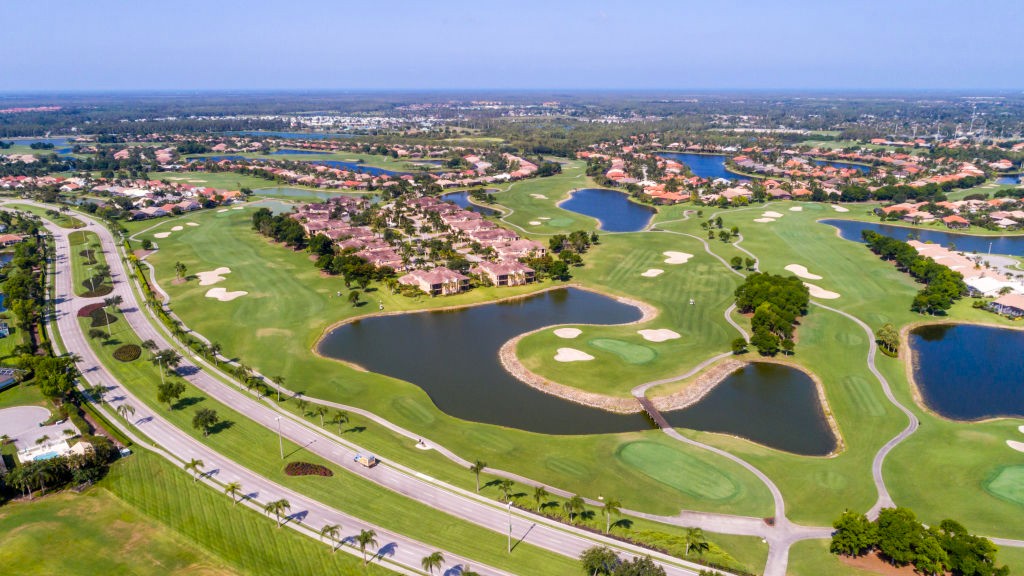
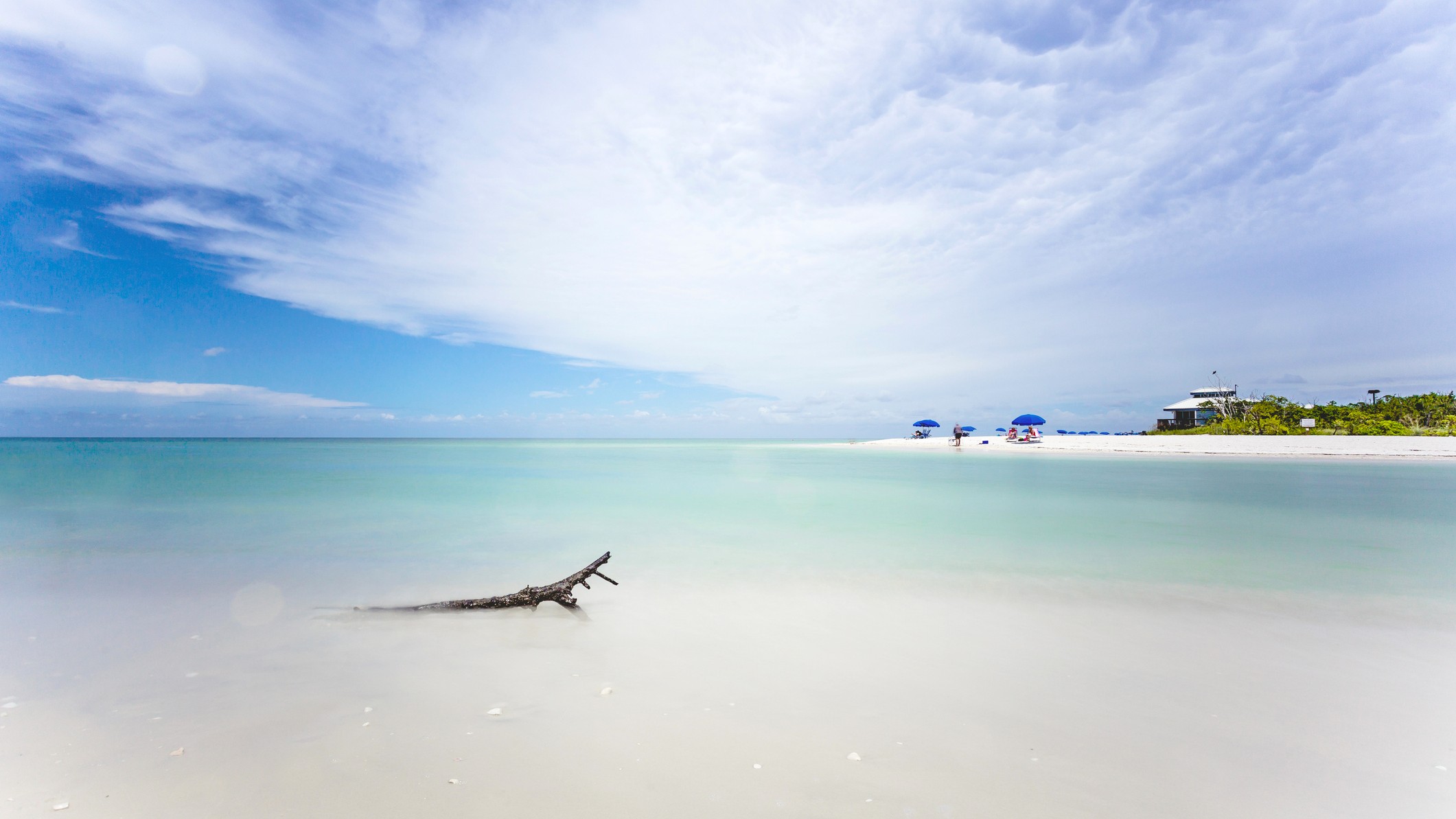
Naples, located on Florida’s Gulf Coast, is the embodiment of traditional, refined affluence. Often dubbed the "Golf Capital of the World," it boasts an astonishing density of golf courses and high-net-worth residents. It is a city that leans into a quiet, orderly, and highly polished aesthetic, characterized by white-sand beaches, sophisticated dining on Fifth Avenue South, and a community demographic that is predominantly older and conservative.

Conversely, Palm Springs, nestled in California’s Sonoran Desert, offers a vastly different energy. A mid-century modern architectural mecca, it remains a glamorous, artistic, and socially progressive enclave. While it shares the golf-course-to-resident ratio that makes it a retiree magnet, it trades the humidity of the Gulf for the dry heat of the desert, fostering an atmosphere that is arguably more eclectic, diverse, and vibrant.
Chronology: The Evolution of Retirement Destinations
The development of these cities as retirement hubs follows distinct historical paths. Naples began its ascent as a quiet fishing village before transforming into a destination for the American elite in the mid-20th century. Its growth was fueled by the expansion of luxury real estate developments and the construction of elite private golf clubs, cementing its reputation as a haven for the wealthy retiree.
Palm Springs, by contrast, emerged from the glitz of the 1940s and 50s. It was the playground of Hollywood royalty—Frank Sinatra, Bob Hope, and Marilyn Monroe—who sought refuge from the coastal fog of Los Angeles. This "Hollywood-in-the-desert" history ingrained a culture of entertainment and design that continues to define the city today. By the 1970s, it had solidified its status as a premier retirement destination, attracting not just the wealthy, but a burgeoning community of artists, activists, and, notably, a thriving LGBTQ+ population that has significantly shaped its social character.
Supporting Data: The Economic Reality Check
When evaluating these two cities, the "sticker price" of retirement reveals a complex divide.
The Cost of Living
According to the Economic Research Institute, both cities hover at roughly 29% above the national average for the cost of living. However, the path to homeownership—the cornerstone of retirement security—differs drastically.
- Naples: The median home sale price sits at approximately $1.2 million. While everyday expenses like groceries and utilities remain competitive, the initial capital required to enter the market is substantial.
- Palm Springs: The median home price is approximately $590,000, roughly half that of Naples. For retirees with a mid-market budget, the desert offers a significantly lower barrier to entry.
The Tax Landscape
The most significant friction point between the two is tax policy. Florida remains a tax haven, with no state income tax and no taxes on Social Security, pensions, or 401(k)/IRA withdrawals. For retirees living on fixed incomes or large distributions, the savings in Florida can equate to tens of thousands of dollars annually.

California is, by contrast, one of the least tax-friendly states for retirees. While Social Security is exempt, pension and investment withdrawals are taxed as ordinary income, with rates reaching as high as 13.3% for top earners. However, as financial planners often note, savvy tax management—such as Roth conversions and strategic withdrawal sequencing—can mitigate these costs, provided the retiree has the right professional guidance.
Professional Perspectives: Strategic Planning
Financial advisors emphasize that taxes are rarely the sole factor in the decision-making process. Patrick Huey, a CFP® and founder of Victory Independent Planning in Naples, notes that clients move to Florida for a "package deal."
"They aren’t just looking for tax relief," Huey explains. "They are buying into a lifestyle—the social infrastructure, the weather, and the security of a community built specifically for them. We test whether the numbers support the lifestyle, but the lifestyle is the primary driver."

Joon Um, an advisor with Secure Tax & Accounting in Beverly Hills, offers a similar perspective on California. "While the tax burden is higher, many retirees find the lifestyle, the proximity to family, and the climate worth the premium," he says. "We work with clients to optimize their tax strategies, but we never advise someone to move somewhere they won’t be happy just for a tax break."
Environmental Risks: The Hidden Asterisk
Every paradise has its compromises. In Florida, the threat is meteorological. Hurricane season is an annual reality, and the low-lying topography of Naples makes it particularly vulnerable to storm surges and flooding. Homeowners insurance costs are astronomical, with the average policy costing nearly $10,000 annually, not including mandatory separate flood insurance.
In California, the risks are geological and climatic. While Palm Springs is shielded from the immediate fire risk of the mountain regions, it is located near the San Andreas Fault, necessitating earthquake insurance. Furthermore, the desert environment brings extreme heat, with triple-digit temperatures persisting for months, and an ongoing concern regarding water security and drought.
Healthcare Infrastructure
Both cities excel in medical support, a critical consideration for the aging population. Naples features the NCH (Naples Comprehensive Health) system, which is consistently ranked among the top 1% of hospitals nationally. It serves as a vital anchor for the community’s healthcare needs.
Palm Springs is equally robust, supported by the Desert Regional Medical Center and, crucially, Eisenhower Health in nearby Rancho Mirage. Eisenhower has earned top marks for patient safety and is widely considered one of the best hospital systems in the Riverside-San Bernardino metro area, ensuring that quality care is never far from reach.
Implications for the Future
The choice between Naples and Palm Springs is ultimately a reflection of a retiree’s personal values.

- Choose Naples if: You prioritize tax efficiency, a traditional and genteel social atmosphere, proximity to the ocean, and a community that is deeply settled into the rhythms of a "rejuvenation-focused" retirement. You must also be prepared to manage the ongoing, escalating costs of property insurance and hurricane mitigation.
- Choose Palm Springs if: You value cultural diversity, a more active and design-forward lifestyle, and a lower initial real estate cost. You must be comfortable with higher state income taxes and the logistical challenges of living in an arid, seismic-active desert environment.
In the final analysis, the "would you rather" game played by millions of retirees serves as a reminder that retirement is not merely the end of a career, but the beginning of a new chapter of personal agency. Whether under the palm trees of the Gulf or the date palms of the desert, the most successful retirements are those where the environment complements the retiree’s inner life. While the math is important, the "vibe check"—the feeling of belonging—is what truly dictates whether a city becomes a home or just another place to wait out the years.
As the data shows, there is no "correct" answer, only the answer that best fits the individual. With such high-quality options, the dilemma of choosing between these two sun-drenched havens is, in the words of many a retiree, "a pretty good problem to have."