







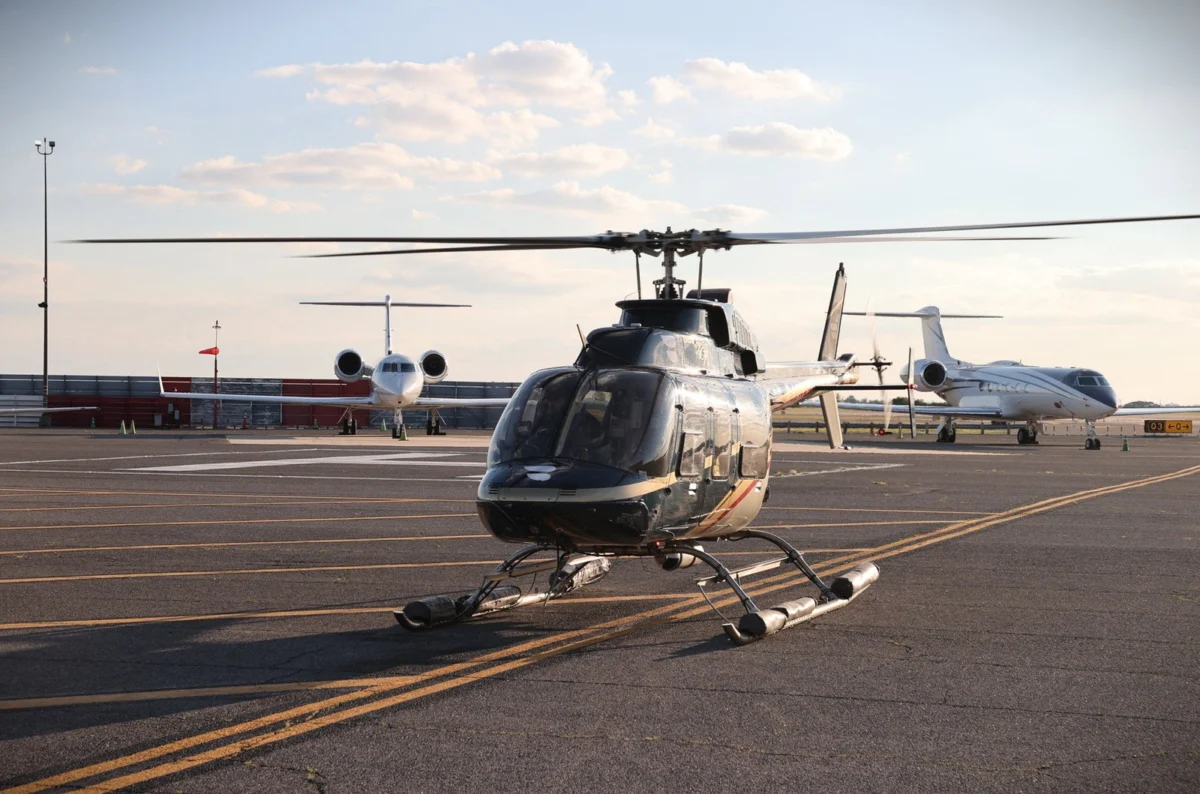
Navigating the labyrinthine transit corridors of New York City is a rite of passage, often defined by the crushing frustration of gridlocked traffic on the BQE or the unpredictable cadence of the AirTrain. For the traveler who views time as their most finite asset, Blade Air Mobility has carved out a niche that transforms the mundane airport commute into an exercise in high-altitude efficiency.
By combining lounge access, a five-minute helicopter flight, and seamless ground transport, Blade offers a departure from the "commuter misery" that characterizes NYC airport transit. While the service is frequently dismissed as an indulgence for the ultra-wealthy, a strategic approach—leveraging loyalty programs and, specifically, the Bilt Rewards ecosystem—can turn this premium helicopter transfer into a zero-dollar, out-of-pocket reality.
The Logistics of Vertical Transit
As of 2026, Blade’s infrastructure has become a highly optimized network. The company operates two primary Manhattan lounges for its scheduled, by-the-seat airport transfers: West 30th Street (JRA) and East 34th Street (6N5). While the Wall Street (JRB) heliport remains a hub for private charters, the by-the-seat service is strictly partitioned to provide maximum efficiency for international and domestic airport connections.
Scheduling Constraints
Blade operates primarily during peak daylight hours. Flights generally run from 7:00 AM to 8:00 PM on weekdays, with a truncated schedule on Sundays and no by-the-seat service on Saturdays. This is a critical factor for international travelers: those relying on red-eye arrivals or early-morning departures will find themselves reverting to traditional chauffeured car services or the subway. The service is designed for the modern business traveler, operating on a schedule that mirrors the high-velocity demands of Manhattan’s corporate workforce.

Chronology of the Experience: From Curb to Cockpit
The Blade experience is designed to be as frictionless as a private jet departure. The process begins with the digital booking platform, where passengers input their weight, flight details, and luggage specifications.
Pre-Flight Protocols
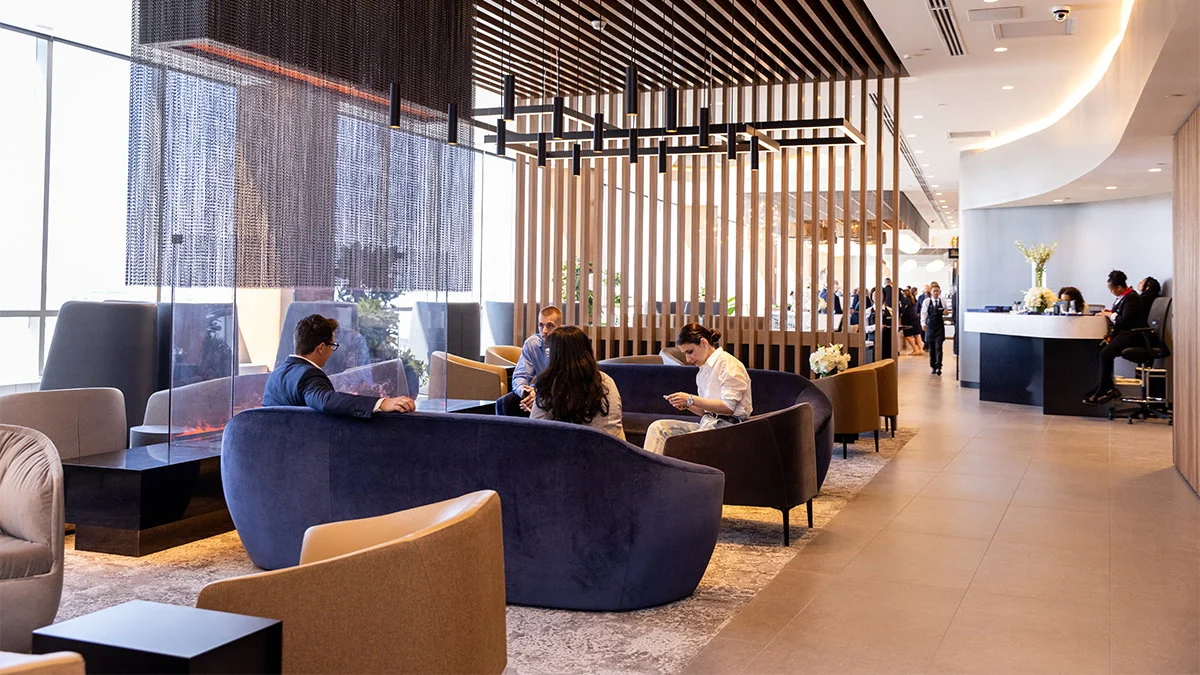
Upon arrival at the lounge—ideally 20 to 30 minutes before departure—passengers are checked in with a simple presentation of a government-issued ID. The lounges themselves serve as a quiet, upscale respite from the city’s cacophony. Here, the atmosphere is curated for calm, offering espresso, light refreshments, and a brief safety briefing. Passengers are issued a color-coordinated wristband, which serves as the "boarding pass" for the ground crew.
The Transit Window
The actual flight time is approximately five minutes. The transition from the heliport to the aircraft is swift and choreographed. As the Bell 407 takes flight, the geography of New York City shifts from a two-dimensional gridlock to a panoramic tableau. Whether you are catching the Statue of Liberty on the horizon or the dense architectural canopy of Midtown, the perspective is unparalleled.
Upon landing at JFK or EWR, the service does not conclude at the tarmac. A chauffeured vehicle—often a luxury sedan like a BMW i7—is positioned to meet the aircraft. Ground crews assist with luggage, escorting passengers from the helicopter directly to the vehicle, which then whisks them curbside to their airline terminal. The entire end-to-end process, from Manhattan check-in to terminal drop-off, typically concludes in under 35 minutes.

Supporting Data: The Economics of the Sky
The barrier to entry for most is the price tag. Standard fares hover between $195 and $300, depending on the tier (Flex, Essential, or Commuter). However, for members of the Bilt Rewards program, these costs can be effectively neutralized.
Strategic Redemptions
Bilt status tiers provide a tiered reduction in cost. Silver and Gold members receive a 10% discount on all airport flights, while Platinum members enjoy the discount plus one annual complimentary flight. The most significant development as of 2026 is the ability to use Bilt Cash. Members can redeem up to $350 in Bilt Cash, twice per calendar year, to cover the cost of their flight directly through the Blade app.
For a traveler booking a $330 Flex fare, the 10% discount reduces the price to roughly $300. By applying $300 in Bilt Cash, the passenger reaches a "zero-dollar" out-of-pocket cost. This shift has successfully moved Blade from the realm of "luxury indulgence" to a viable, tactical travel benefit for savvy points-and-miles enthusiasts.
Baggage and Weight Constraints
Blade maintains a strict 25 lb weight limit for combined carry-on and personal items. This is a non-negotiable safety requirement dictated by the aircraft’s weight-and-balance parameters. Passengers who exceed these limits face significant fees ($150–$175) or, in extreme cases, the risk of their luggage being sent separately. It is a stark reminder that in the world of helicopter travel, precision is paramount.

Official Responses and Safety Standards
Safety remains the most frequent question posed to the operator. Blade operates under rigorous Part 135 safety standards, utilizing turbine-powered aircraft flown by commercially licensed, instrument-rated pilots.
Weather and Contingency Planning
The service is subject to "weather minimums." If visibility, wind speeds, or cloud ceilings drop below safety thresholds, flights are grounded. To mitigate the frustration of a last-minute cancellation, Blade includes a "Blade Back-Up Car" guarantee. In the event of a flight cancellation, the passenger is automatically transitioned to a chauffeured vehicle, and the price difference is reconciled through a credit or refund. This policy ensures that while the speed advantage of flight might be lost, the reliability of the arrival time remains intact.
Implications for Urban Mobility: The eVTOL Future
The most significant implication for the future of Blade is its recent acquisition by Joby Aviation. As an industry pioneer in electric vertical takeoff and landing (eVTOL) aircraft, Joby’s acquisition of Blade’s passenger division is a strategic move to build the infrastructure for the next generation of urban air mobility.
A Greener Horizon
The transition to eVTOL aircraft aims to solve the three primary drawbacks of current helicopter travel: noise pollution, high operating costs, and carbon emissions. By replacing traditional combustion-engine helicopters with quiet, all-electric aircraft, the "commuter air taxi" model could eventually scale, moving from a luxury niche to a mass-market solution for urban congestion. This transition is expected to occur in the late 2020s, potentially lowering costs and increasing the frequency of flights significantly.

Final Assessment: The Utility of the Experience
The "Blade Effect" is best understood not as a replacement for traditional transport, but as a mechanism for reclaiming time. For the traveler facing a high-stakes flight or a short window of time in the city, the ability to bypass the BQE or the Van Wyck Expressway is worth more than the face value of the ticket.
While the service remains a premium offering, the current landscape of loyalty programs like Bilt makes it accessible to a much broader demographic. When analyzed through the lens of efficiency and psychological relief—the sheer absence of stress compared to road travel—the Blade airport transfer stands as one of the most effective uses of loyalty currency available today. As the industry looks toward the electric future, one thing remains certain: the value of the view from 1,000 feet, and the gift of an extra hour in a hectic city, is a luxury that never goes out of style.