







By Gabrielle Saulsbery
Published October 8, 2026
In a sweeping move that signals a fundamental shift in federal oversight of financial institutions, the U.S. Department of Housing and Urban Development (HUD) has launched a formal investigation into the mortgage lending policies of Wells Fargo & Company. The probe centers on the bank’s historic utilization of race-conscious credit programs, which federal officials now characterize as a direct violation of the Fair Housing Act.
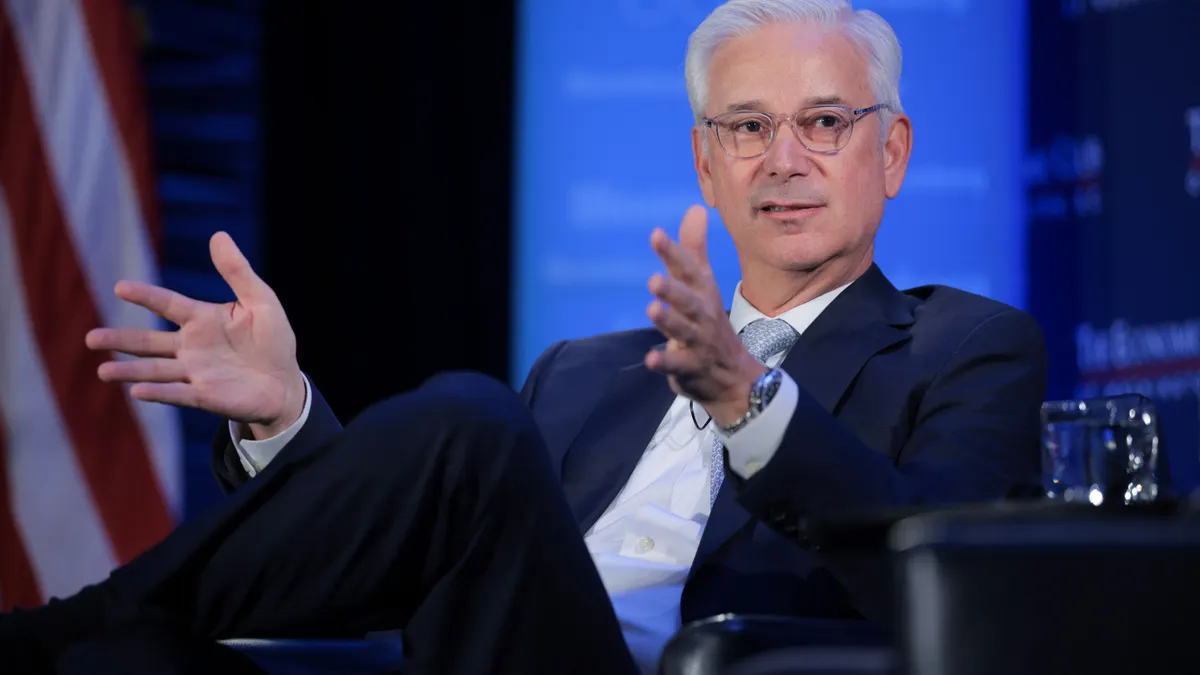
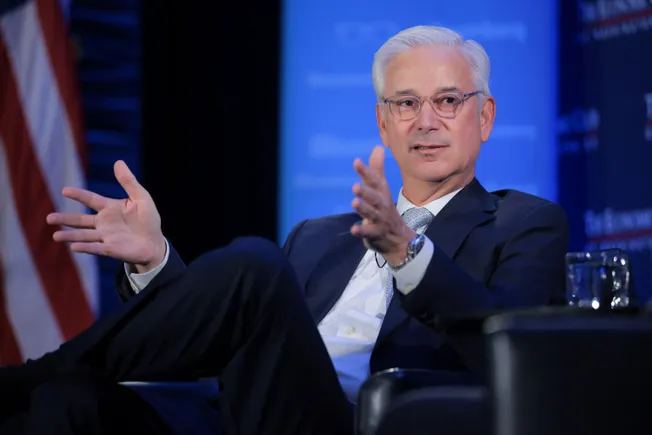
The investigation, announced in a letter addressed to Wells Fargo CEO Charlie Scharf, marks a significant escalation in the Trump administration’s efforts to dismantle diversity-focused initiatives within the private sector. HUD officials have explicitly condemned the bank’s long-standing efforts to bolster Black homeownership, labeling the initiatives as “immoral, unethical, and un-American.”
The Core Allegations: Challenging Special Purpose Credit Programs
At the heart of the conflict are two major initiatives Wells Fargo implemented to address racial disparities in the housing market: a $60 billion lending commitment established in 2017 and a $150 million special purpose credit program (SPCP) launched in 2022.
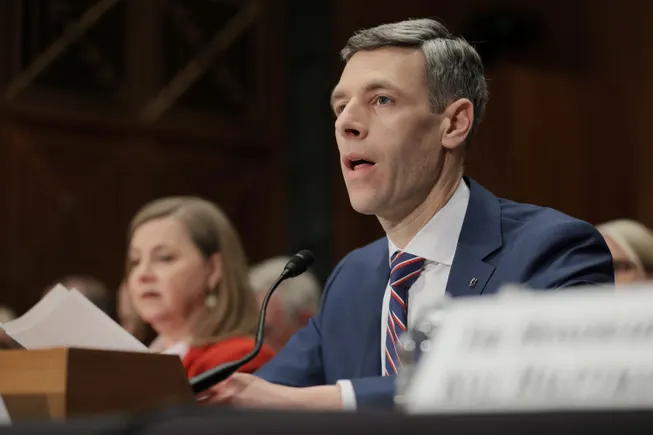
In a sharply worded letter to CEO Charlie Scharf, Craig Trainor, HUD’s assistant secretary for fair housing and equal opportunity, accused the institution of institutionalizing racial discrimination. “Despite the Fair Housing Act’s unambiguous, categorical prohibition on race-based home loans, the previous administration used special purpose credit programs as a vehicle to import racial discrimination into the housing market,” Trainor wrote.
The federal government’s stance represents a radical departure from the regulatory environment of recent years, where such programs were frequently championed as essential tools to rectify historical systemic inequities. By targeting Wells Fargo—the nation’s fourth-largest bank by assets—HUD is setting a precedent that may force a nationwide re-evaluation of how financial institutions approach fair lending compliance.
A Chronology of Conflict: From DEI Expansion to Federal Scrutiny
To understand the current legal friction, one must look at the evolution of Wells Fargo’s lending strategies over the past decade.
2017: The Initial Commitment
During the early stages of the first Trump administration, Wells Fargo announced a $60 billion commitment aimed at creating at least 250,000 new Black homeowners by 2027. At the time, the program was presented as a strategic business decision and a commitment to corporate social responsibility.
2022: The Shift Toward Equity
In 2022, following a damning Bloomberg report that revealed Wells Fargo trailed the industry average for Black mortgage refinancing acceptance rates by 15 percentage points, the bank introduced a targeted special purpose credit program. This initiative was designed to assist eligible Black homeowners in refinancing their mortgages to lower interest rates, theoretically narrowing the racial wealth gap in housing.
2022–2025: Regulatory Encouragement
The 2022 expansion was bolstered by interagency guidance from the FDIC and other federal regulators under the Biden administration, which explicitly encouraged financial institutions to utilize credit programs to better serve "economically disadvantaged" communities. For three years, this guidance provided a regulatory "safe harbor" for banks to engage in race-conscious lending.
2026: The Regulatory Reversal
The political winds shifted dramatically in 2026. In August, the Biden-era guidance was officially rescinded. Shortly thereafter, the current administration began its campaign against these programs. HUD’s investigation into Wells Fargo is the culmination of this policy reversal, signaling that the federal government no longer views race-based outreach as a legitimate tool for community development.
Supporting Data and the "Statistical Gap" Argument
Wells Fargo’s rationale for these programs was rooted in the persistent, measurable disparities in American housing. Data consistently showed that Black applicants were approved for mortgages and refinancing at lower rates than their white counterparts, even when accounting for income and credit scores.

In 2022, the bank justified its special purpose credit program as a necessary “next step” to close the racial homeownership gap. However, the federal government’s current position is that such "statistical gap-filling" is fundamentally illegal.
“Attempting to close statistical racial gaps in homeownership by doling out loans based on race is no way to do business,” Trainor stated in his correspondence. The federal argument rests on the interpretation of the Fair Housing Act, which authorities now contend prohibits any lending decision predicated on the race of the applicant, regardless of the altruistic intent behind the policy.
Official Responses and the "Immoral" Stigma
The response from HUD leadership has been unusually aggressive. In a prepared statement regarding the probe, HUD Secretary Scott Turner bypassed standard regulatory language, focusing instead on the moral implications of the bank’s actions.
“Even if Wells Fargo did not violate the law, its practice of dividing Americans based on race is immoral, unethical and un-American,” Turner remarked. This rhetoric suggests that the investigation is not merely a legal inquiry, but a public rebuke of the bank’s corporate culture.
Wells Fargo, meanwhile, has remained largely silent. A spokesperson for the bank declined to comment on the record regarding the specifics of the investigation. This silence reflects the precarious position of many large financial institutions: caught between the remnants of previous ESG-focused mandates and a new, hostile regulatory environment that views those same mandates as liabilities.
The Broader Implications for the Financial Sector
The investigation into Wells Fargo is unlikely to remain an isolated event. It is part of a wider federal crackdown on Diversity, Equity, and Inclusion (DEI) initiatives that began in 2025. Many banks, including JPMorgan Chase and Citizens Financial, have already begun stripping DEI-related language from their annual reports and websites in an attempt to distance themselves from potential federal litigation.

However, as HUD Assistant Secretary Trainor noted, the government is looking beyond mere branding. “The bank’s obligations under the Fair Housing Act rise or fall based on actual practices, not buzzwords or website aesthetics,” he warned.
Potential Impacts on Mortgage Lending
- Risk Aversion: Banks are expected to significantly curtail or eliminate any lending programs that utilize demographic data as a criteria for approval or preferential pricing. This could lead to a decline in homeownership rates among historically underserved populations.
- Increased Compliance Costs: Financial institutions will likely face intense pressure to audit their automated underwriting algorithms to ensure that no proxies for race are being used, which could lead to more rigid and less inclusive lending standards.
- Litigation Risks: The Wells Fargo investigation serves as a warning shot to any institution that continues to operate under the assumption that the 2022 interagency guidance provides protection. Banks that do not proactively unwind these programs may find themselves the next targets of HUD investigations.
Conclusion: The End of the "Race-Conscious" Era
The probe into Wells Fargo represents a definitive end to the era of race-conscious lending in the United States. While the bank may have viewed its 2017 and 2022 programs as innovative solutions to a systemic problem, the federal government now views them as fundamentally incompatible with the principles of the Fair Housing Act.
As the investigation proceeds, the banking sector will be watching closely to see if HUD follows through with punitive measures. If the agency succeeds in its challenge, the precedent will be set: the federal government will no longer accept race-based initiatives as a valid means to achieve economic equality in the housing market. For Wells Fargo, the coming months will be a defining test of its ability to navigate a shifting regulatory landscape where the social goals of yesterday have become the legal liabilities of today.
The tension between institutionalized equity programs and the current administration’s interpretation of the law ensures that this case will remain at the forefront of the financial industry’s agenda for the foreseeable future. Whether this move will lead to a more "neutral" housing market or simply widen the existing gaps in homeownership remains the subject of intense debate among economists, policymakers, and civil rights advocates. However, from the perspective of the U.S. government, the message is clear: the era of race-conscious lending is over.