






In the competitive landscape of short-haul aviation, the distinction between "true" business class and the standard European-style "economy seat with a blocked middle" has become a major point of contention for premium travelers. Royal Air Maroc (RAM), the flag carrier of Morocco and a proud member of the oneworld alliance, offers a compelling case study on how to bridge this gap. Following a recent 45-minute flight from Malaga (AGP) to Casablanca (CMN), it is evident that while the carrier faces the typical operational challenges of a regional airline, it maintains a level of hard-product integrity that sets it apart from many of its North African and European counterparts.
Main Facts: The Hard Product Advantage
The primary differentiator for Royal Air Maroc on its Boeing 737 fleet is the inclusion of dedicated business class seating. Unlike many short-haul carriers that utilize a "Euro-business" configuration—where a standard economy seat is simply repurposed with an empty seat between passengers—RAM employs a genuine recliner-style seat in a 2-2 configuration.

For the premium traveler, this represents a significant increase in personal space and comfort. On a flight lasting less than an hour, the ability to settle into a wider seat with additional legroom is a noticeable improvement over the industry standard. While the fleet is currently aging—evidenced by some cabin wear and minor mechanical issues, such as faulty lavatory fixtures—the fundamental architecture of the cabin provides a superior foundation for a premium experience.
As of late 2026, the airline is in a state of transition. While passengers currently must contend with a lack of onboard Wi-Fi and the absence of seat-back personal entertainment systems, the carrier has announced a strategic partnership to roll out Starlink connectivity by early 2027. Until that infrastructure is fully deployed, passengers are limited to overhead monitors, which primarily cycle through cartoon programming.

Chronology: The Malaga to Casablanca Experience
The journey from Malaga to Casablanca provides a microcosm of what travelers can expect from the RAM premium experience.
Pre-Departure: The experience begins with the efficiency of the ground operation. Unlike many regional carriers, RAM facilitates a more seamless boarding and deplaning process. A standout feature for business class passengers arriving at remote stands in Casablanca is the provision of a dedicated business class bus. This minor logistical investment significantly enhances the arrival experience, ensuring that premium passengers are not subjected to the overcrowding and delays associated with general terminal transport.

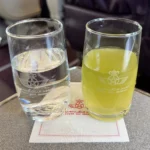
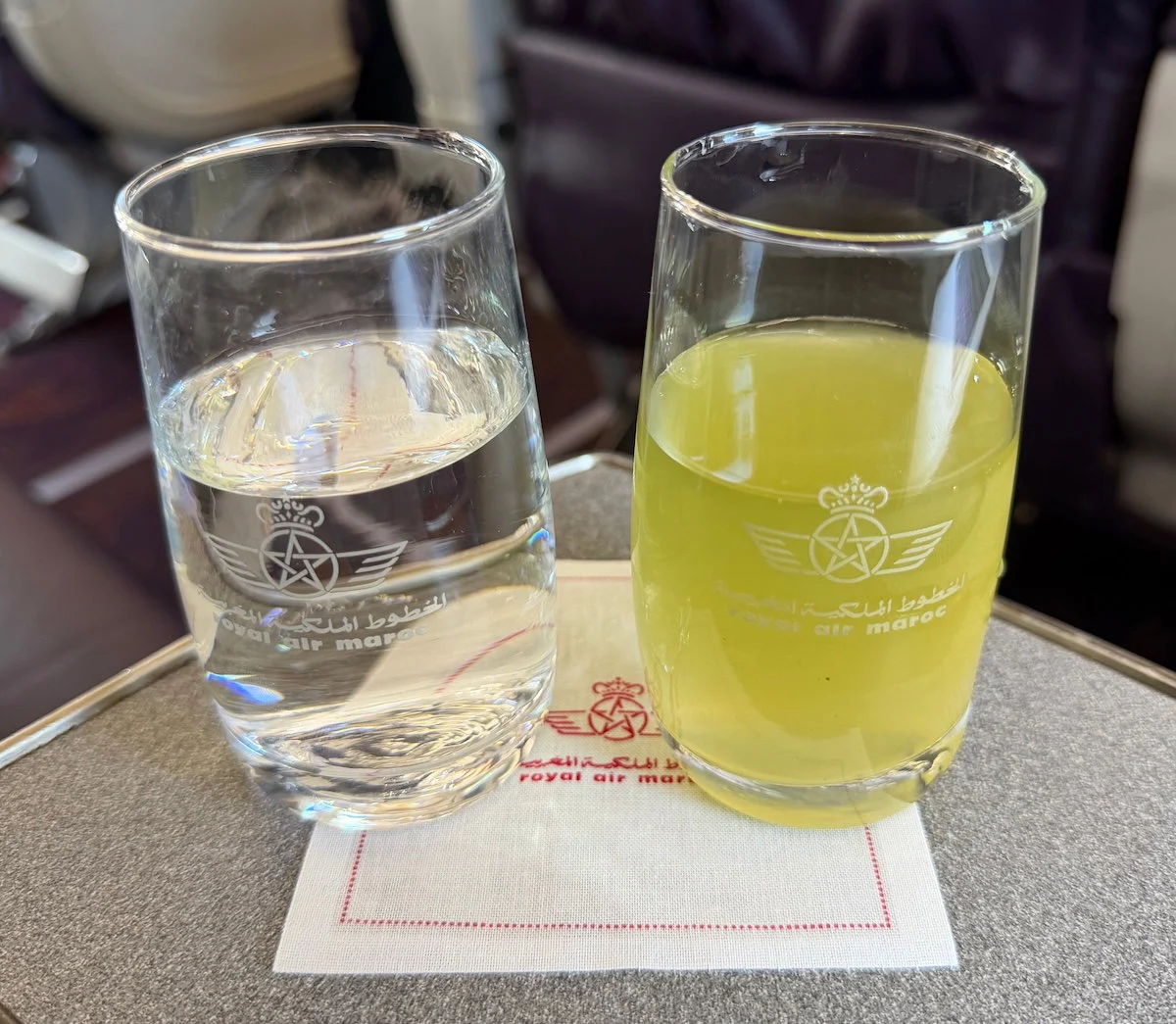
The In-Flight Service: Once airborne, the service flow is rapid, necessitated by the flight’s 45-minute duration. The crew offers pre-departure beverages—a courtesy that has largely vanished from European short-haul routes. Despite the brevity of the flight, the catering remains a highlight. Passengers are presented with a thoughtfully curated snack tray that defies the expectations of a sub-one-hour hop. The menu typically features high-quality items such as fresh burrata, prawns, a variety of seasonal vegetables, a curated cheese selection, and a dessert. The service is rounded off with tea or coffee service, demonstrating a commitment to a full, formal meal service even under significant time constraints.
Supporting Data: The North African Aviation Context
To understand the position of Royal Air Maroc in the regional hierarchy, one must look at its peers. North African aviation is often categorized by a high degree of variability in service quality.

- Regional Benchmarking: When measured against carriers like Air Algerie or Tunisair, Royal Air Maroc consistently ranks higher in terms of cabin maintenance and service delivery. The airline benefits significantly from its status as a oneworld member, which imposes a level of international standard compliance that is occasionally absent in non-aligned regional carriers.
- The "Euro-Business" Contrast: European carriers (such as Lufthansa or British Airways) have largely standardized the "blocked middle" concept for short-haul flights. Royal Air Maroc’s decision to maintain a dedicated business-class cabin suggests a commitment to a premium demographic that prioritizes physical seat space over the operational flexibility of a modular cabin.
- Operational Reliability: While the cabin may show signs of age, the reliability of the flight schedule and the attentiveness of the ground staff—particularly the use of priority transport in Casablanca—provide a level of operational consistency that builds loyalty among frequent flyers.
Official Responses and Strategic Direction
Royal Air Maroc has publicly acknowledged the need for modernization, particularly regarding digital infrastructure. The upcoming integration of Starlink is a cornerstone of their 2027 modernization plan. By prioritizing high-speed, low-latency connectivity, the airline aims to satisfy the demands of the modern business traveler, who views reliable Wi-Fi as a non-negotiable component of the premium travel experience.
Furthermore, the airline is navigating a delicate balance between traditional, personalized hospitality and the logistical realities of high-frequency short-haul flying. While cabin crew service can occasionally feel transactional—a common trait in high-pressure, short-duration flights—the airline’s management emphasizes the "Moroccan hospitality" brand. This is most evident in the effort put into the catering, which serves as an ambassador for the country’s culinary culture.

Implications for the Future of Regional Travel
The experience aboard Royal Air Maroc raises critical questions about the future of short-haul premium travel.
1. The Value of the "Real" Business Seat
As airlines continue to maximize density, the existence of a dedicated business-class seat becomes a premium commodity. RAM has proven that it is possible to provide a differentiated product without moving to a full-flat bed configuration. This suggests that there is a viable market for "middle-ground" premium products that provide comfort without the extreme cost of long-haul configurations.

2. The Role of Cultural Identity in Branding
Royal Air Maroc’s focus on high-quality food and a distinct, localized catering experience provides a template for regional carriers. In an era of homogenized airline service, the ability to offer a unique, destination-based experience is a powerful tool for brand differentiation.
3. The Need for Infrastructure Investment
The current state of the RAM cabin—wear and tear, aging hardware—serves as a reminder that a good seat design is only as effective as its maintenance. To maintain its competitive edge against improving rivals like EgyptAir, the airline must transition from its current "good enough" maintenance cycle to a more rigorous, proactive refurbishment program.

Conclusion: A Balanced Verdict
For the traveler navigating the North African skies, Royal Air Maroc stands out as a reliable and surprisingly refined option. It successfully manages to deliver a "real" business class experience where many of its neighbors offer only a facade of premium service.
While the passenger may occasionally encounter a stiff crew member or a worn-out tray table, the overall package—featuring high-quality catering, a dedicated business-class bus, and a superior seating configuration—makes it a preferred choice for the route. As the airline prepares to integrate modern technology like Starlink, it is well-positioned to maintain its status as the leading carrier in the region. For those traveling between the Mediterranean and Casablanca, Royal Air Maroc does not just offer a flight; it offers a glimpse into a brand that is striving, with measurable success, to elevate the regional standard of air travel.