








Dealing with debt collection agencies is an experience that many Americans encounter, yet it remains one of the most stressful financial situations a person can face. When a debt goes unpaid for an extended period—typically 90 days or more—the original creditor often sells that debt to a third-party collection agency. Suddenly, the consumer is thrust into a high-pressure environment characterized by persistent phone calls, stern letters, and the looming threat of further credit damage.
However, it is crucial to understand that you are not powerless. Federal law, specifically the Fair Debt Collection Practices Act (FDCPA), provides a robust framework of protections designed to prevent predatory behavior. By understanding these protections, verifying the validity of the claims against you, and employing strategic negotiation tactics, you can regain control of your financial narrative.
The Core Facts: Understanding the Collection Landscape
At its heart, the debt collection process is a regulated business. When you are contacted by an agency, it is important to remember that they are often working on a commission basis. This incentive structure can sometimes lead collectors to use aggressive tactics that may cross legal boundaries.
The primary objective for any consumer facing a collection agency should be to pause, assess, and verify. Before you ever offer a payment or acknowledge the debt, you must ensure that the debt is legitimate, that the amount is accurate, and that the agency has the legal right to collect it.
The Fair Debt Collection Practices Act (FDCPA)
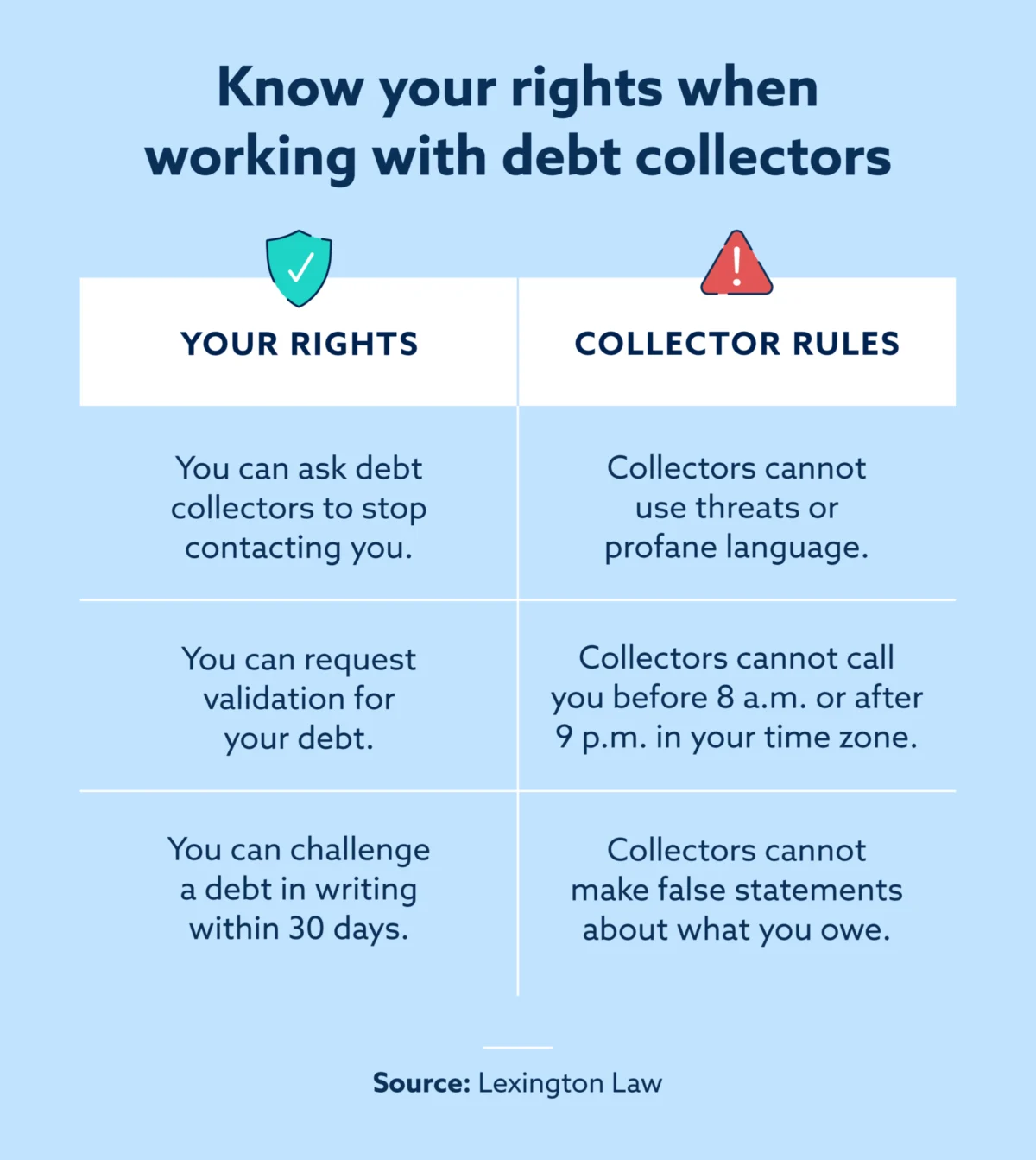
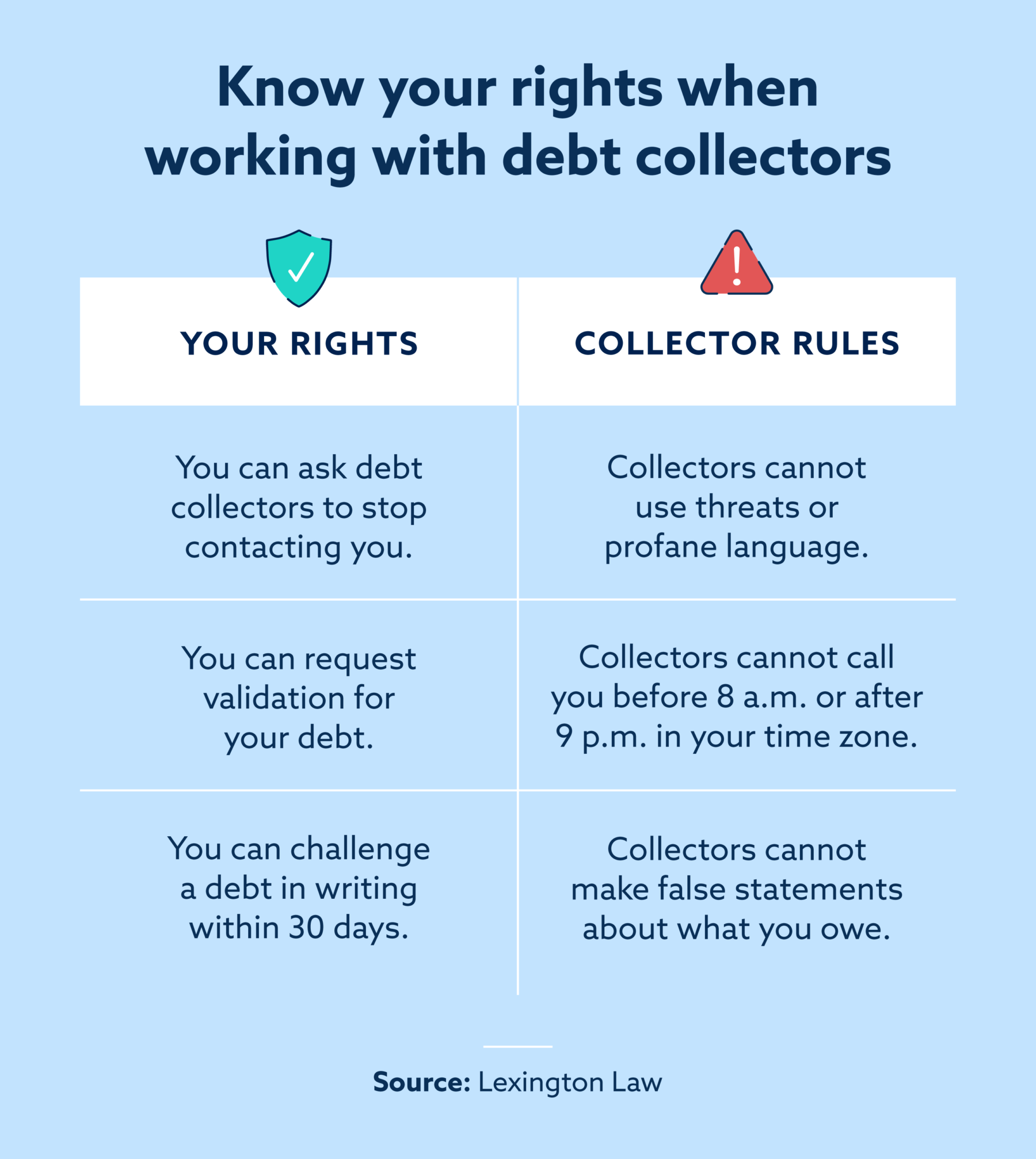
Enacted to eliminate abusive practices, the FDCPA is your primary shield. Under this law, collectors are strictly prohibited from:

- Harassment: They cannot use profane language, threaten violence, or call repeatedly with the intent to annoy or abuse.
- Deception: They cannot lie about the amount owed, misrepresent themselves as law enforcement, or threaten legal actions they do not intend to take.
- Unfair Practices: They cannot charge interest or fees not authorized by the original credit agreement or state law.
Chronology of a Collection Case: What to Expect
The life cycle of a collection account generally follows a predictable pattern. Recognizing where you are in this timeline can help you prepare your defense.
- Delinquency: You miss payments on an account. The original creditor attempts to reach you through internal collections.
- Charge-off: After several months of non-payment, the original creditor "charges off" the debt, meaning they move it off their active books.
- Assignment or Sale: The debt is either assigned to a third-party agency or sold to a debt buyer for pennies on the dollar.
- Initial Contact: The collection agency reaches out to you, legally required to provide a "validation notice" within five days of their first communication.
- The Validation Window: You have 30 days from the receipt of the initial notice to dispute the debt or request verification.
- Resolution or Litigation: Either a payment plan is established, a settlement is reached, or the agency may escalate the matter to a lawsuit.
Supporting Data: The Scope of the Problem
The impact of debt collection on the average American is significant. According to reports from the Consumer Financial Protection Bureau (CFPB), tens of thousands of complaints are filed annually regarding debt collection practices.
In 2019 alone, the CFPB handled over 75,000 complaints, highlighting a systemic friction between consumers and collection agencies. These complaints often center on issues such as:
- Being contacted about a debt that has already been paid.
- Receiving calls regarding a debt that does not belong to the individual.
- Collectors failing to provide necessary documentation to prove the debt is valid.
- Attempts to collect on debts that have passed the legal statute of limitations.
The prevalence of these issues suggests that errors in record-keeping during the sale of debt from creditors to collection agencies are common, making the step of debt validation not just a defensive tactic, but a necessary verification of truth.
Official Responses and Legal Safeguards
When you engage with a collector, your communication should be deliberate and documented. The following steps form the gold standard for managing these interactions.

Step 1: Demand Validation
Never assume the information the collector provides is 100% accurate. Send a written request for debt validation. This forces the agency to provide proof of the original debt, the amount owed, and their legal authority to collect it. If they cannot produce this documentation, they are often legally required to cease collection efforts.
Step 2: Mind the Statute of Limitations
Every state has a "statute of limitations" on debt. This is a window of time during which a creditor or collector can legally sue you to recover the debt. Once this time passes, the debt becomes "time-barred." Warning: In some jurisdictions, making a partial payment or even acknowledging the debt in writing can "reset" the clock, effectively reviving a dead debt. Always consult with a legal or credit professional before discussing the age of a debt.
Step 3: Controlling the Communication Channel
You have the right to request that a collector stop contacting you at work or via telephone. A formal "cease and desist" letter sent via certified mail is the most effective way to force a collector to communicate only through written correspondence, providing you with a paper trail for every interaction.
Implications: The Long-Term Financial Impact
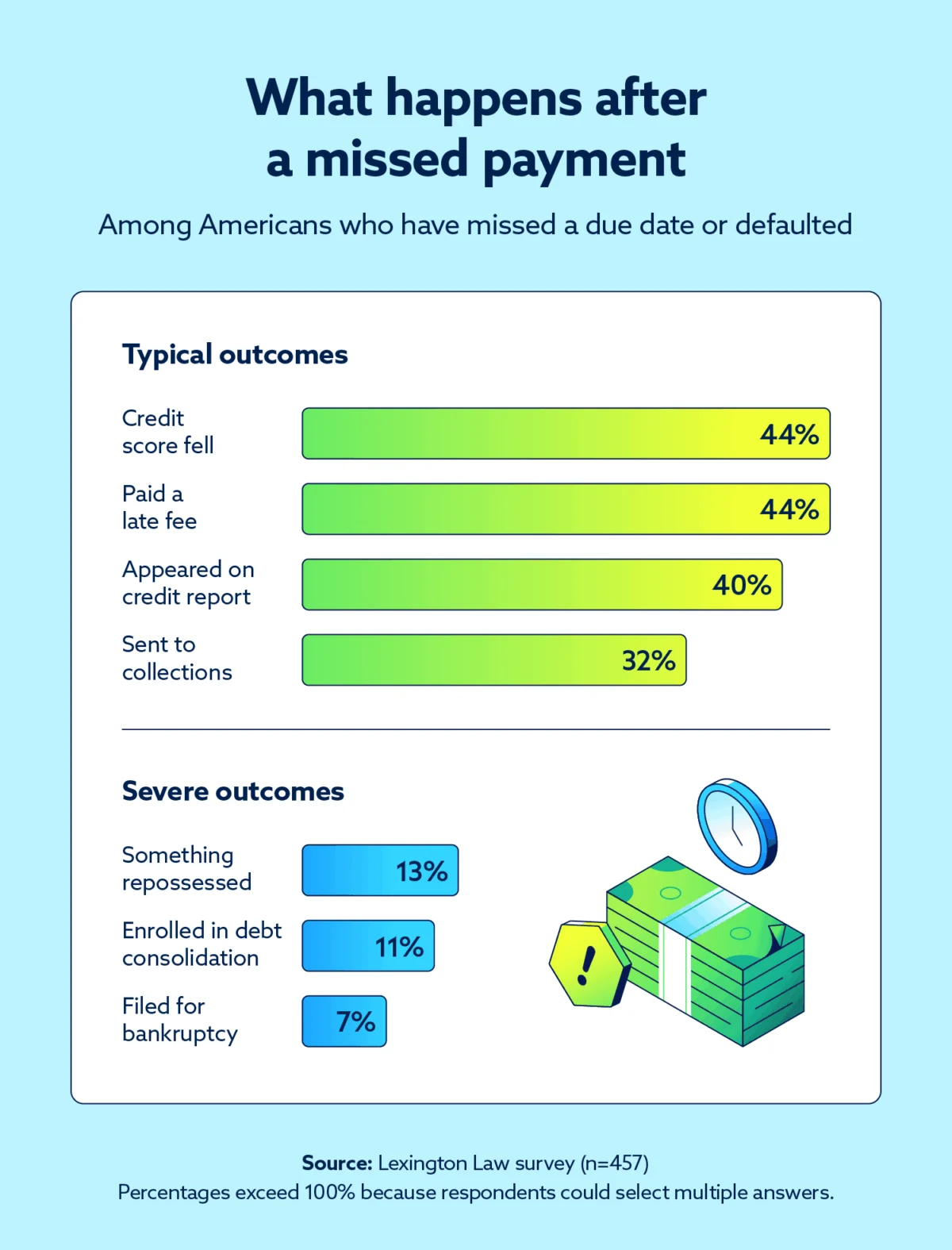
The presence of a collection account on your credit report is a significant "negative item." It can lower your credit score by dozens of points and remain on your report for up to seven years from the date of the original delinquency.
Rebuilding After Collections
Even after a debt is paid, the negative mark does not immediately vanish. This is where the industry of "credit repair" becomes relevant. Credit repair professionals work to:

- Audit Reports: Identifying errors in how the collection was reported.
- Challenge Inaccuracies: Using the Fair Credit Reporting Act (FCRA) to dispute false or unverifiable information with the major credit bureaus (Equifax, Experian, and TransUnion).
- Strategic Planning: Providing guidance on how to build positive credit history to offset the impact of the past delinquency.
While paying off a debt is the right thing to do, it does not guarantee an immediate credit score rebound. A proactive approach—ensuring that the debt is accurately reported and that your other credit habits remain impeccable—is essential for long-term recovery.
Professional Guidance: Why You Might Need Help
Navigating the complexities of the FDCPA and the intricacies of credit bureau reporting is often overwhelming for the average consumer. When you are dealing with multiple agencies or facing legal threats, the stress can cloud your judgment.
The Role of Credit Repair
Credit repair is not about "erasing" debt; it is about ensuring the credit reporting system is fair and accurate. If a collection agency is reporting a balance you have already paid, or if they are reporting a debt that has exceeded the statute of limitations, a credit repair service acts as your advocate. They understand the nuances of the law and can handle the rigorous process of filing disputes with the bureaus.
Final Thoughts on Negotiation
If you determine the debt is valid and you are in a position to pay, remember that you have room to negotiate. Many agencies will accept a "settlement for less than the full balance" because they purchased your debt for a fraction of its value. When negotiating:
- Get it in writing: Never make a payment based on a verbal promise. Require a written agreement that states the amount being paid constitutes "payment in full" or a "settlement" that resolves the account.
- Verify the status: Ensure the agreement includes a promise to update your credit report to reflect a "paid" or "settled" status.
By staying informed, remaining calm, and leveraging the laws designed to protect you, you can move past the shadow of debt collection and begin the process of rebuilding your financial health. If you feel overwhelmed, there is no shame in seeking professional assistance—taking control of your finances is the first step toward a more secure future.
Disclaimer: This article is for informational purposes only and does not constitute legal, financial, or credit advice. Laws regarding debt collection vary by state and individual circumstances. For specific advice regarding your debt or credit report, please consult with a qualified professional or attorney.