







By Global Financial Markets Desk
The friction between traditional equities and decentralized finance is intensifying. The roster of major global corporations formally objecting to the unauthorized tokenization and trading of their shares on the upcoming OKX and ICE Tokenized Securities Venue (OKXICE TSV) continues to expand at a rapid pace.
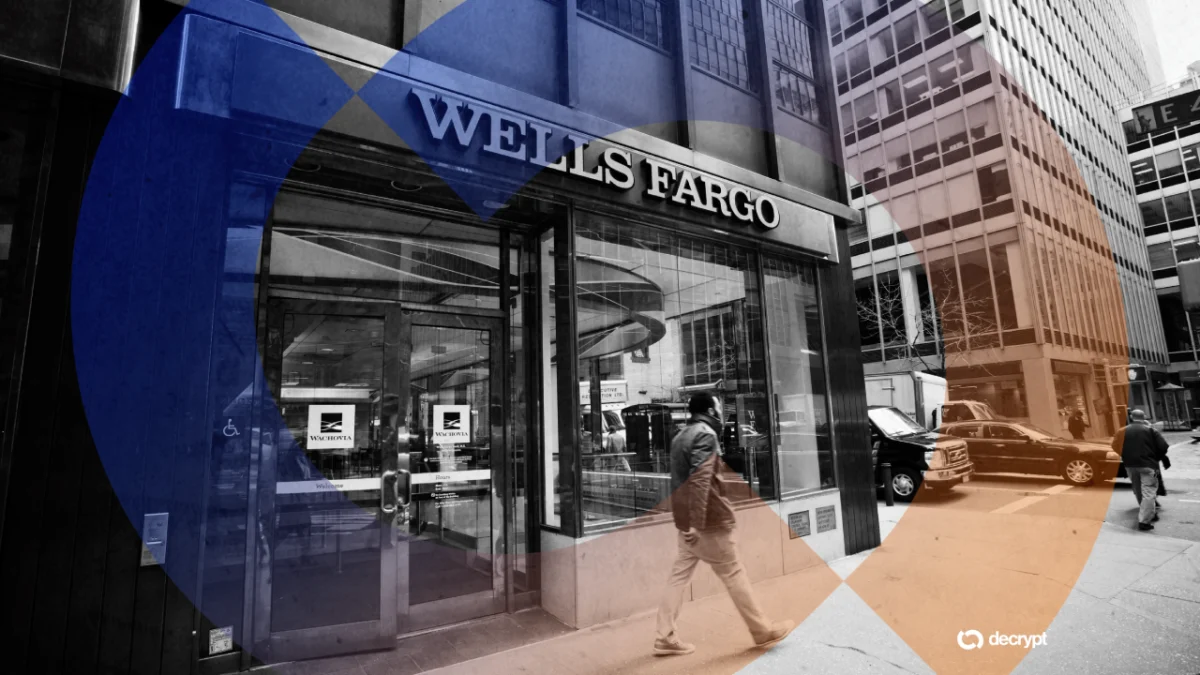
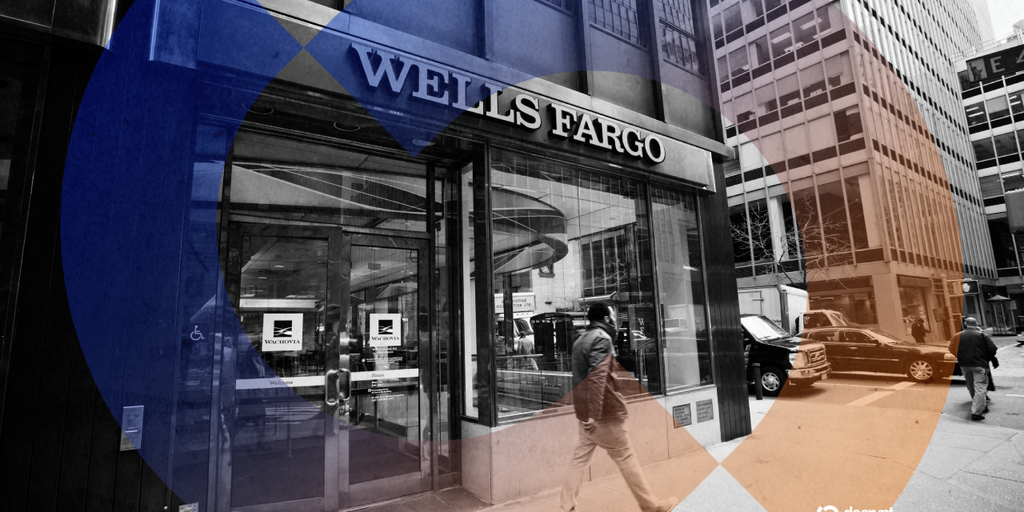
According to an updated public notice released by the platform, six additional prominent corporations—including banking giant Wells Fargo, tech heavyweights Cisco Systems and Arm Holdings, chipmaker Marvell Technology, biotechnology leader Moderna, and financial software titan Intuit—have been added to the exclusion list.
This latest wave brings the total number of objecting corporate issuers to 22, a stark escalation from the 16 companies listed on October 19 and just nine when the registry was initially published on October 15. The growing pushback highlights a deepening corporate reluctance toward blockchain-based secondary markets operating without direct issuer consent or established institutional guardrails.
Main Facts: The Anatomy of the Pushback
The OKXICE TSV is a high-profile 50-50 joint venture established between Intercontinental Exchange (ICE)—the parent company of the New York Stock Exchange (NYSE)—and the U.S. holding company of major crypto exchange OKX. Designed to bridge traditional finance (TradFi) and decentralized finance (DeFi), the venue aims to provide approved users with round-the-clock, 24/7 access to tokenized U.S. equities.
Under the platform’s architectural framework, trades are executed via Uniswap v4 liquidity pools hosted on OKX’s proprietary layer-2 blockchain, XLayer, and settled using stablecoins such as USDC.
Despite the heavyweight institutional backing from ICE and OKX, corporate America is signaling profound caution. The inclusion of Wells Fargo means that two of America’s premier financial institutions—joining Goldman Sachs, which was listed earlier—have formally requested that their shares remain off the platform. Similarly, the additions of Arm Holdings, Cisco Systems, and Marvell Technology swell the ranks of tech and semiconductor giants objecting to the venue, joining prior high-profile holdouts such as Microsoft, Alphabet, Broadcom, Qualcomm, Verizon, and UnitedHealth Group.
Crucially, none of the public notices issued by OKXICE TSV explain the specific legal, operational, or strategic rationales behind the companies’ objections. Furthermore, it remains legally and operationally ambiguous what direct effect a corporate objection has on whether a stock can ultimately be wrapped, tokenized, and traded on the platform—especially given that the venue has noted it can list shares tokenized directly by issuers or by authorized third parties. Thus far, however, no objecting issuer has chosen to tokenize its own securities for the platform.
Chronology of Escalation: From Concept to Corporate Exclusion
The timeline of the OKXICE TSV initiative reveals how quickly both momentum and resistance have built up over the past several months:
- Early 2025: OKX and ICE formally join forces to explore blockchain-based securities infrastructure, laying the groundwork for a regulated crypto-equity hybrid product.
- September 2025: Following the stalling of the Clarity Act in the U.S. Senate, the Securities and Exchange Commission (SEC) unveils a progressive "innovation exemption" framework designed to allow controlled experimentation with tokenized securities.
- Early October 2025: OKX and ICE formally unveil the OKXICE TSV platform, targeting 24/7 tokenized stock trading under the SEC exemption.
- October 15, 2025: The venue publishes its initial public exclusion notice, revealing that nine major companies—including early tech pioneers—have requested that their shares not be traded on the platform.
- October 19, 2025: An updated notice pushes the tally of objecting corporations to 16, drawing intense scrutiny from market analysts and institutional investors alike.
- October 26, 2025: A subsequent regulatory and public notice adds six new issuers—Wells Fargo, Cisco, Marvell, Arm Holdings, Moderna, and Intuit—bringing the total number of protesting companies to 22.
This rapid expansion underscores a widening chasm between crypto-native innovators seeking to unlock off-hours liquidity and legacy corporate boards wary of regulatory exposure, fragmented liquidity, and decentralized trading risks.
Supporting Data and Technical Vulnerabilities
The growing hesitancy among blue-chip issuers is mirrored by detailed risk disclosures outlined in the platform’s own regulatory filings. The latest OKXICE TSV notices lay bare several structural vulnerabilities and technical gray areas that could dampen institutional participation:
- Lack of Advanced Circuit Breakers: While the platform notes that trading will automatically pause if the underlying traditional stock is halted on its primary exchange, the venue lacks independent, platform-wide circuit breakers to manage sudden flash crashes or extreme macro events during off-hours.
- Maximal Extractable Value (MEV): The infrastructure currently features no formal policies or mitigation strategies addressing MEV—the profit miners or validators can extract by reordering, front-running, or inserting transactions within blockchain blocks. This leaves retail and institutional traders vulnerable to predatory on-chain trading tactics.
- Unsettled Regulatory Reporting: Broker-dealers evaluating participation face unresolved compliance questions regarding trade reporting standards and best-execution mandates under federal securities laws. These unresolved legal parameters threaten to limit broker-dealer integration and severely constrain platform liquidity.
- Smart Contract Centralization and Auditing: Platform administrators retain the administrative capability to upgrade underlying smart contracts without advance notice to everyday users. Compounding this, the core smart contract regulating user permissions and access control has reportedly undergone only internal security audits—a potential red flag for institutional risk officers.
Official Responses and Industry Context
The unfolding friction surrounding OKXICE TSV does not exist in a vacuum; it highlights a broader regulatory and competitive tug-of-war across the global financial ecosystem.
Traditional market infrastructure providers are moving cautiously or actively drawing lines in the sand. Notably, the Nasdaq exchange—which successfully secured SEC approval for its own separate tokenized securities pilot program—has publicly announced that it will opt its own corporate shares out of the SEC innovation exemption framework, keeping its stock strictly within traditional, regulated clearing houses.
Meanwhile, regulatory watchdogs and international bodies are closely monitoring the trend. In a recent comprehensive assessment, the International Monetary Fund (IMF) acknowledged that there is genuine, measurable market demand for tokenized stocks—particularly among retail and global investors seeking exposure during off-hours when traditional Wall Street exchanges are shuttered for the weekend or evening. However, the IMF report issued a stern warning, noting that tokenized equity markets remain inherently volatile, fragmented, and prone to severe liquidity crunches.
Representatives for OKX and ICE have consistently maintained that the tokenized venue operates fully within the legal parameters of the SEC’s innovation exemption. Proponents argue that tokenization is the natural evolutionary step for capital markets, offering instantaneous settlement, programmable financial logic, and democratized global access.
Yet, the growing chorus of corporate dissent suggests that corporate legal departments are far from ready to cede control over how their equity is represented, traded, and safeguarded on public distributed ledgers.
Implications: What This Means for the Future of Tokenized Equities
The standoff between major public corporations and blockchain trading venues carries profound long-term implications for the future of digital assets and traditional market structure:
- Corporate Sovereignty vs. Open Finance: The resistance mounted by firms like Microsoft, Alphabet, Wells Fargo, and Cisco demonstrates that issuers view their share registry and secondary market representation as matters of strict corporate governance. If issuers refuse to endorse off-exchange tokenization, platforms may find themselves operating a gray market of "unwrapped" or third-party synthetic tokens that lack issuer cooperation, corporate disclosures, or investor relations support.
- Regulatory Uncertainty: The reliance on the SEC’s innovation exemption highlights the regulatory grey area governing tokenized RWAs (Real-World Assets). As traditional exchanges like Nasdaq opt out while crypto-TradFi hybrids forge ahead, regulatory fragmentation could invite renewed scrutiny from federal lawmakers and enforcement agencies.
- Liquidity Fragmentation: For a tokenized trading venue to succeed, deep and reliable liquidity is paramount. If dozens of the world’s most valuable companies successfully block their inclusion—or if institutional broker-dealers hesitate due to unsettled best-execution and MEV risks—these venues risk becoming illiquid silos rather than seamless bridges between TradFi and DeFi.
As the debate over 24/7 tokenized trading unfolds, the coming months will test whether regulatory exemptions and blockchain innovation can overcome the deeply entrenched caution of corporate boardrooms. For now, the ledger of objecting companies serves as a powerful barometer of corporate America’s skepticism toward uninvited financial decentralization.