






As the 2026 midterm elections approach, healthcare costs remain a paramount concern for American voters. Economic anxieties consistently dominate voter polling, and navigating medical expenses is at the absolute forefront of these worries. In this second installment of NerdWallet’s election series breaking down prominent political catchphrases, we examine the rhetoric shaping campaign advertisements, debates, and town halls across the country.
Current political messaging relies heavily on populist themes. Candidates are not merely debating whether citizens have medical access; they are forcefully asking who can afford care and who profits from systemic inefficiencies and high costs. To fully grasp what candidates mean when they use terms like "Medicare for All," "lowering healthcare costs," and "taking on Big Pharma," voters must look past the catchy headlines and understand the policy mechanics, historical context, and real-world implications behind these phrases.
Main Facts: The Healthcare Landscape of 2026
Healthcare policy in the United States remains a complex web of private insurance, employer-sponsored plans, government-subsidized programs, and pharmaceutical pricing structures. Against this backdrop, political campaigns have adopted a trio of dominant slogans to capture voter attention.
1. "Medicare for All"
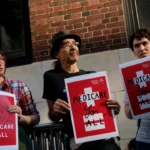
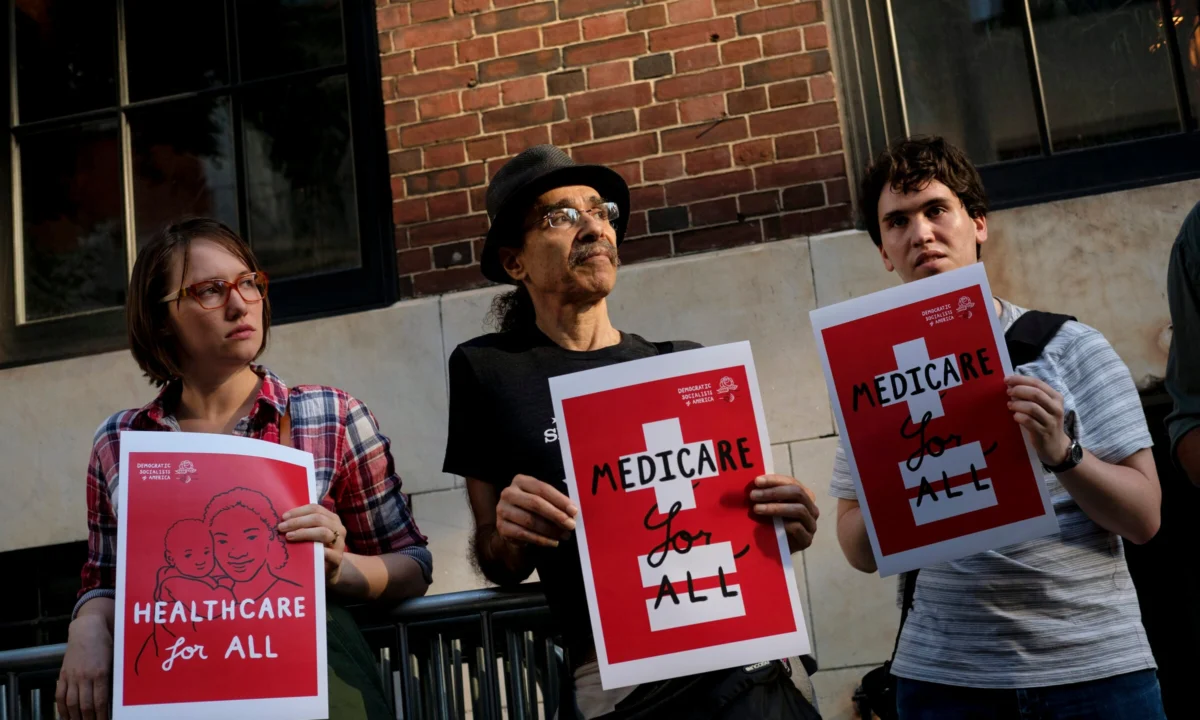
This slogan represents the pinnacle of progressive health policy reform. It refers to a single-payer, government-sponsored healthcare model that replaces the fragmented multi-payer private market with a universal public program modeled after Medicare. While traditional Medicare primarily serves Americans aged 65 and older, a "Medicare for All" system would extend comprehensive coverage to all U.S. residents.
2. "Lower Healthcare Costs"
A far broader and more bipartisan-friendly slogan, this allows candidates to campaign on affordability without demanding an immediate dismantling of the existing private insurance infrastructure. Proposals nested within this catchphrase range from premium stabilization and price transparency initiatives to expanding health savings accounts (HSAs) and reigning in administrative bloat.
3. "Take on Big Pharma"
This shorthand phrase targets the immense financial and political influence of large pharmaceutical manufacturers. It encapsulates proposed legislative actions designed to lower prescription drug prices, curb aggressive corporate lobbying, and empower regulatory agencies to negotiate drug costs directly.
Chronology: The Evolution of Healthcare Rhetoric in Modern Politics
To understand how these catchphrases became central to the 2026 political lexicon, it is helpful to trace the modern evolution of healthcare debates over the last decade and a half:
- 2010: The Patient Protection and Affordable Care Act (ACA) is signed into law, fundamentally altering the American health insurance landscape by introducing state marketplaces, pre-existing condition protections, and subsidies. Healthcare immediately becomes a central partisan battleground.
- 2016: Progressive movements push single-payer solutions into the national spotlight. Around this time, health tracking organizations like KFF (Kaiser Family Foundation) begin tracking public sentiment regarding concepts like "Medicare for All."
- 2020: The COVID-19 pandemic highlights deep disparities in medical access and economic security. Healthcare affordability and systemic resilience become primary themes in the presidential election cycle.
- 2024: Incremental legislative reforms, such as the implementation of certain federal drug price-negotiation powers, set the stage for fiercer debates over corporate accountability and out-of-pocket costs.
- 2026: Populist messaging takes center stage in the midterm elections. Rather than debating abstract policy frameworks alone, campaigns focus heavily on corporate greed, supply chain transparency, and the direct financial burden on everyday households.
Supporting Data: What Voters Are Saying
Statistical insights from polling data underscore why healthcare remains a winning (or losing) issue for political campaigns. According to an October KFF Health Tracking Poll, healthcare costs rank among the most severe economic anxieties for the electorate.
- Widespread Anxiety: Approximately 6 in 10 voters report that they are genuinely worried about their ability to afford basic healthcare services and medications.
- A Priority for Candidates: Nearly 50% of surveyed voters state that addressing healthcare costs is "extremely important" when deciding which candidate to support at the ballot box.
- Record Support for Universal Care: The KFF poll revealed that 66% of Americans express support for a "Medicare for All" model—representing an all-time high since KFF began tracking the metric in 2016.
- Partisan Divides Persist: While public backing is high overall, sharp ideological differences remain. Support for Medicare for All stands at 84% among Democrats, 72% among political independents, and 34% among Republicans.
Official Responses and Perspectives
Candidates and policy experts across the political spectrum interpret these slogans through vastly different lenses.
The Proponent View
Proponents of single-payer systems and aggressive pharmaceutical regulations argue that the current market-driven approach is fundamentally broken.
- Advocates of Medicare for All contend that eliminating private insurance overhead and streamlining billing will drastically reduce administrative waste, providing comprehensive care with low or zero premiums, deductibles, and copays.
- Supporters of "Taking on Big Pharma" emphasize that American consumers pay exponentially more for prescription drugs than citizens in other developed nations. They argue that government intervention is the only way to break corporate monopolies and save lives.
The Opponent View
Critics of sweeping healthcare overhauls warn against unintended economic consequences.
- Opponents of Medicare for All argue that a single-payer system would necessitate massive federal tax hikes, effectively eliminate private health insurance options, and potentially introduce long waiting lists for specialized medical procedures, mirroring challenges seen in other universal healthcare nations.
- Skeptics of aggressive price controls suggest that heavy-handed government intervention in pharmaceutical markets could stifle medical research and development, ultimately slowing down the creation of life-saving breakthrough medications.
Implications: What This Means for Your Ballot
As voters evaluate candidates leading up to election day, understanding the substance behind the slogans is essential for making an informed choice. Slogans like "lower healthcare costs" sound universally appealing, but the policy mechanisms proposed to achieve them—ranging from free-market deregulation and health savings accounts to government price caps and single-payer transitions—carry profoundly different economic outcomes.
How to Research Your Ballot
To cut through the campaign rhetoric and understand where local and national candidates truly stand, voters can utilize official, nonpartisan resources:
- State and Local Election Offices: Visit your state’s official election website to view sample ballots and review specific ballot measures.
- U.S. Election Assistance Commission (EAC): The EAC provides centralized directories linking citizens directly to official state election resources (eac.gov).
- Can I Vote: Maintained by the National Association of Secretaries of State, this platform helps voters locate registration status and local polling offices (nass.org/can-I-vote).
- VOTE411: Created by the League of Women Voters, this tool allows users to compare candidate platforms side-by-side on healthcare and other critical economic issues (vote411.org).
By looking beyond the political soundbites, voters can better navigate the complexities of healthcare reform and select candidates whose actual legislative proposals align with their financial and medical needs.