








Introduction
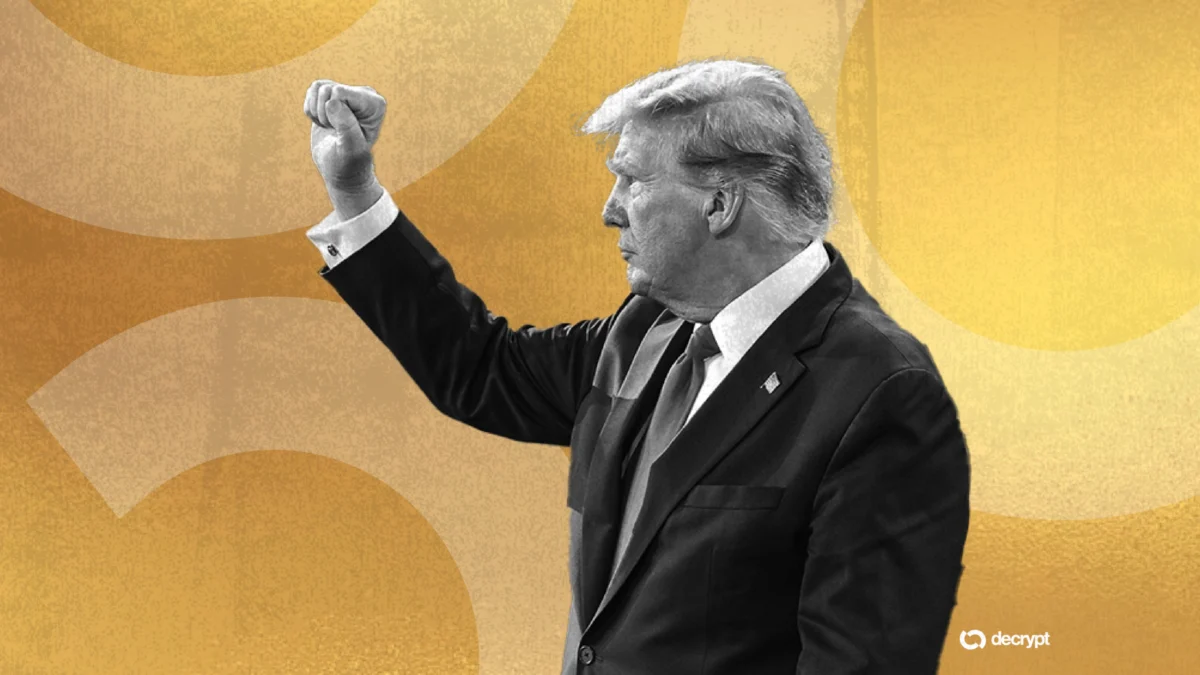
The intersection of high-stakes American politics and the volatile world of digital assets has reached a flashpoint. Following the disclosure that President Donald Trump generated over $1.2 billion in earnings from his crypto-related endeavors over the past year, Senator Kirsten Gillibrand (D-NY) has intensified her legislative crusade. The Senator is now spearheading a renewed push to implement a federal ban on the issuance, promotion, and trading of digital assets—specifically targeting meme coins—by sitting politicians and their immediate family members.
This call to action arrives at a moment of profound uncertainty for the broader cryptocurrency industry. As Congress grapples with the "Clarity Act"—a landmark market structure bill intended to provide regulatory certainty—the moral hazard presented by the President’s personal financial gains has become a central point of contention. For critics, the figures are not merely earnings; they are evidence of a conflict of interest that threatens to undermine the integrity of the nation’s financial oversight.
Main Facts: The $1.2 Billion Disclosure
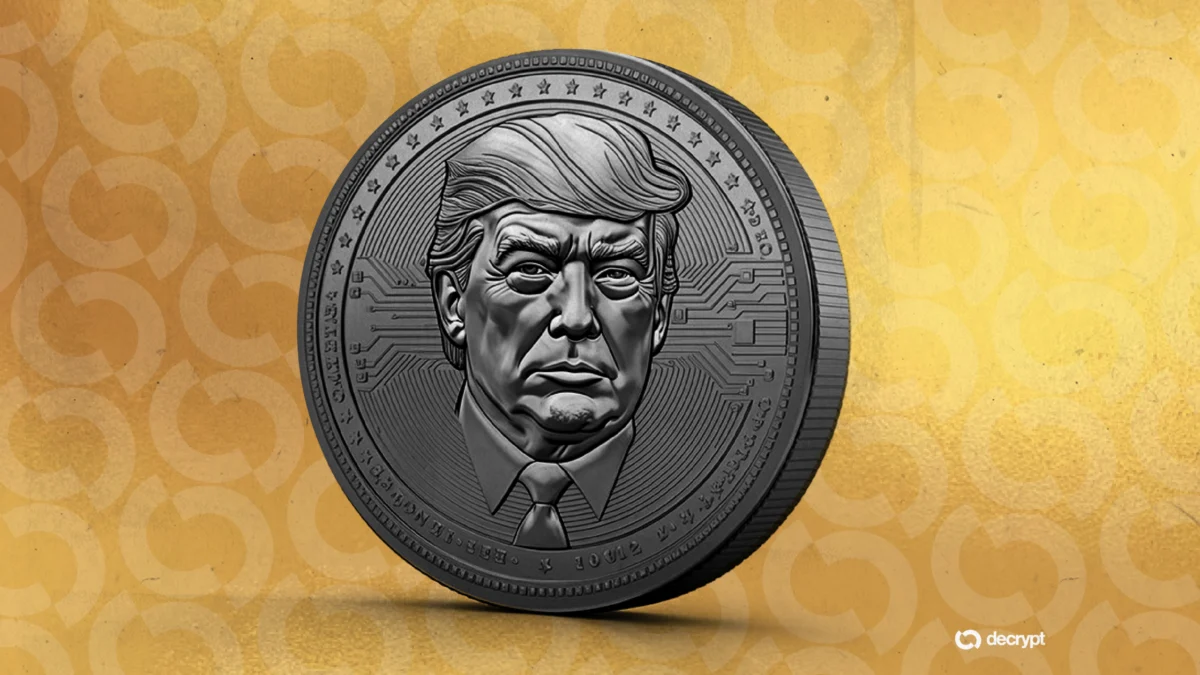
The catalyst for this legislative friction is a financial disclosure filing revealing that President Donald Trump’s crypto portfolio yielded more than $1.2 billion in personal income over the last twelve months. The figure is staggering, even by the standards of presidential wealth, and is largely attributed to a high-profile, Solana-based meme coin project that saw massive market volatility and retail investor participation.
Senator Gillibrand’s proposed ban is sweeping, intended to encompass not just traditional crypto-assets like Bitcoin, but specifically the "wild west" of meme coins. These tokens, often characterized by extreme speculation and lack of underlying utility, have become a focal point for the Senator’s ethics campaign. She argues that when the President or his spouse, First Lady Melania Trump, engage in the issuance of these assets, they are essentially leveraging the power of the Oval Office to "pump" markets, creating an uneven playing field for everyday investors.
Chronology: A Pattern of Ethical Advocacy
Senator Gillibrand’s current stance is not an isolated reaction, but the latest chapter in a long-term effort to restrict the financial activities of public servants.
- Early 2026: Amidst growing reports of congressional staff and members of Congress engaging in high-frequency trading, Gillibrand emerged as a vocal advocate for the "STOCK Act 2.0," which sought to ban members of Congress and senior government officials from trading individual stocks while in office.
- April 2026: In a bipartisan effort, Gillibrand teamed up with Senator McCormick to introduce legislation aimed at curbing the use of prediction markets by public officials. The move was prompted by mounting scrutiny over "insider betting," where officials were alleged to have profited from sensitive non-public information.
- May 2026: During the legislative drafting of the Clarity Act, Gillibrand drew a "red line," publicly stating that the crypto market structure bill would not receive her support unless it included strict ethics provisions preventing the President and members of Congress from profiting from their own digital asset ventures.
- Late 2026: Following the disclosure of the President’s $1.2 billion windfall, Gillibrand formally renewed her demand for an outright prohibition on the issuance of meme coins by public officials, positioning it as a non-negotiable requirement for any future financial regulatory framework.
Supporting Data: The Volatility of Power
The sheer scale of the profits involved—specifically the $635 million linked to a single Solana-based token—highlights the unique danger posed by "celebrity-backed" crypto projects. Market analysts note that when a public figure issues a token, the asset’s value is often inextricably linked to the issuer’s influence rather than technical or economic fundamentals.
According to researchers at Galaxy, the current regulatory climate is increasingly skeptical. While the Clarity Act was initially seen as a slam-dunk for the crypto industry, its prospects have dimmed significantly. As of mid-2026, the probability of the bill passing into law has slipped to 50-50. The primary hurdle is no longer the technical language of the bill, but the political impasse created by the lack of enforceable "ethical guardrails."
Critics of the current system point out that the lack of disclosure requirements for crypto-wallets—compared to traditional brokerage accounts—makes it nearly impossible for the public to track whether an official is "front-running" the market or using their policy-making power to artificially inflate the value of their holdings.
Official Responses and Political Rhetoric
Senator Gillibrand’s language has been pointed and uncompromising. In a recent press release, she labeled the ban a "commonsense requirement" that should transcend partisan lines.
"We cannot let self-dealing destroy an opportunity to strengthen consumer protections, crack down on illicit finance, and expand economic opportunity for the millions of Americans our financial system has left behind," Gillibrand stated. She emphasized that the integrity of the financial system relies on the public’s trust—a trust that she believes is currently being eroded by the appearance of "cashing in on the office."
The White House has remained largely silent on the specific accusations of self-dealing, maintaining that the President’s financial activities are conducted through legitimate private entities. However, the optics of the situation have left many of the President’s traditional allies in the crypto space in a difficult position. Some industry lobbyists have argued that while they support the Clarity Act, they worry that tethering the bill to strict ethics provisions might kill the legislation entirely, leaving the industry in a state of regulatory limbo.
Implications: The Future of Crypto Regulation
The implications of this standoff are far-reaching. If Gillibrand’s ethics provisions are successfully codified, it would set a precedent that could drastically alter how public officials interact with the digital economy.
1. Market Transparency
A ban on the issuance of tokens by officials would act as a massive deterrent against "rug pulls" and market manipulation. If a politician cannot own or issue a token, the incentive to manipulate market sentiment via public policy disappears.
2. The Survival of the Clarity Act
The Clarity Act is arguably the most significant piece of financial legislation for the tech sector in decades. If the bill fails because of a disagreement over ethics, it will likely delay federal oversight for years, leaving the U.S. in a disadvantaged position compared to the European Union and Asian markets that have already adopted comprehensive regulatory frameworks like MiCA.
3. The Trust Deficit
Perhaps the most significant implication is the impact on public perception. In an era of record-low trust in government institutions, the sight of a President earning over a billion dollars in the volatile, largely unregulated crypto market—while simultaneously influencing the legislation that governs that market—creates a profound ethical crisis.
Senator Gillibrand’s push serves as a reminder that financial technology is not just about code and decentralization; it is about the power dynamics of the people who oversee the system. As she noted, "The time to act is now—and that must include ethics reforms that prohibit members of Congress, the president, and their spouses from cashing in on their office."
Conclusion
As the 2026 legislative session draws to a close, the fate of the Clarity Act—and the broader question of ethical standards for digital asset ownership among the political elite—hangs in the balance. Whether Congress can find a middle ground that protects the industry’s growth while satisfying the public’s demand for accountability remains the defining question of the year. For now, Senator Gillibrand remains the loudest voice in the room, insisting that the digital future of the United States must be built on a foundation of integrity rather than the speculative whims of those in power.