







The familiar refrain echoes through kitchens and living rooms across America: "Stop ordering takeout. Make your lattes at home. Buy only essentials. Pick up a side hustle to boost your income." These well-intentioned directives, often dispensed by financial experts and repeated across various media platforms, have become the mantra of navigating the current economic climate. Yet, for many, these repeated suggestions are no longer a source of practical guidance but a trigger for a pervasive sense of exhaustion and resignation. This widespread feeling, aptly termed "inflation fatigue," is a growing concern, as persistent price increases erode purchasing power and challenge the very notion of financial stability.
The relentless pressure of rising costs, from the pump to the grocery store, is not merely an inconvenience; it is a significant drain on household budgets, forcing individuals and families to make difficult and often unsustainable trade-offs. When basic necessities become luxuries and discretionary spending is slashed to the bone, the cumulative effect can be demoralizing, leading to a desire to simply disengage from the constant struggle.
The Unrelenting Grip of Rising Prices
The core of inflation fatigue lies in the fundamental reality that for many, the recommended strategies for coping are either insufficient or simply impossible to implement. As Elizabeth Renter, a senior economist at NerdWallet, points out, "Higher and higher gas and food prices impact households in a dramatic way – these are things we can’t easily cut out of our budgets, or even reduce." This is particularly true for households that were already operating on tight financial margins. For those meticulously adhering to a strict budget, there is little to no room for further adjustments. Every dollar saved in one area must be immediately reallocated to cover the increased cost of another essential, creating a perpetual cycle of scarcity.
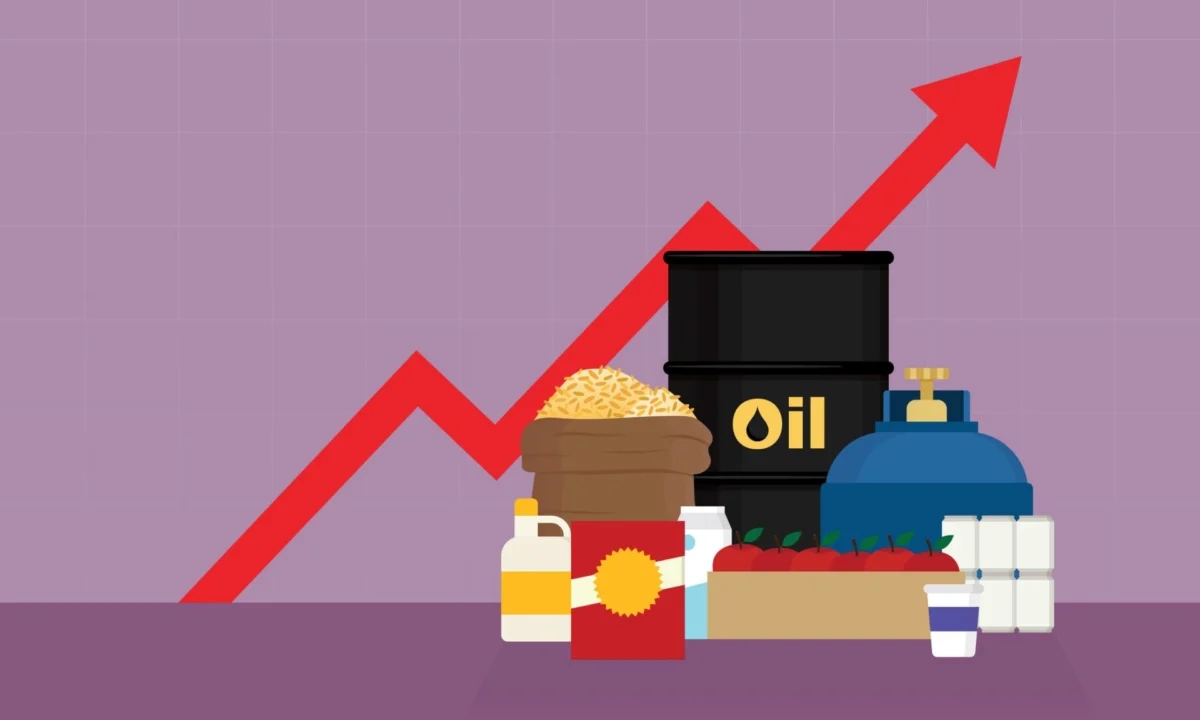
The economic landscape has been characterized by a sustained period of elevated inflation. The annual inflation rate, a key indicator of the pace at which prices are rising, reached a concerning 4.2% in May, marking a three-year high. While this figure may seem abstract to some, for the average American, it translates into tangible increases in the cost of everyday life. The cumulative effect of these price hikes over time is what truly grinds down financial resilience and fosters the sentiment of fatigue.
A Chronology of Economic Strain
The current economic environment, marked by persistent inflation, is not an overnight phenomenon. Its roots can be traced back to a confluence of factors that began to emerge in the wake of the COVID-19 pandemic.
-
Early 2020: The Initial Shock and Stimulus Response: The onset of the pandemic triggered widespread economic shutdowns. Governments globally responded with significant fiscal stimulus packages, injecting trillions of dollars into economies to prevent collapse. In the United States, this included direct payments to individuals, expanded unemployment benefits, and business support programs. While crucial for immediate relief, the sheer volume of money injected into the system began to lay the groundwork for future inflationary pressures.
-
Late 2020 – Early 2021: Supply Chain Disruptions Intensify: As economies began to reopen, a complex web of supply chain disruptions emerged. Lockdowns, labor shortages, port congestion, and a surge in consumer demand for goods (as services remained limited) created bottlenecks. The cost of shipping goods skyrocketed, and the availability of many products dwindled, leading to price increases.
-
2021: The Emergence of Persistent Inflation: Inflation began to tick upwards noticeably throughout 2021. Initially, many economists attributed this to "transitory" factors, believing that supply chain issues and pent-up demand would eventually resolve. However, the inflation rate continued to climb, surprising many. Energy prices, in particular, began a steady ascent.
-
Early 2022: The War in Ukraine and Energy Shocks: Russia’s invasion of Ukraine in February 2022 had a profound and immediate impact on global energy markets. Russia is a major exporter of oil and natural gas, and sanctions imposed on the country, along with market uncertainty, sent energy prices soaring. This had a ripple effect across the economy, increasing the cost of transportation, manufacturing, and ultimately, almost all goods and services. Food prices also saw significant increases due to the disruption of grain and fertilizer exports from the region.
-
Mid-2022 – Present: Sustained Inflation and Monetary Policy Tightening: Inflation remained stubbornly high throughout 2022 and into 2023, prompting central banks, including the U.S. Federal Reserve, to embark on an aggressive path of interest rate hikes. The goal was to cool down the economy and curb inflation by making borrowing more expensive, thereby reducing demand. While these measures have shown some signs of slowing inflation, the process is gradual, and the impact on consumers continues to be felt. The persistent nature of these price increases has cemented the feeling of "inflation fatigue" for many households.
Supporting Data: The Tangible Impact on Wallets
The abstract concept of inflation is best understood through its concrete impact on household budgets. Data from various sources paints a stark picture of the challenges Americans are facing:
-
Consumer Price Index (CPI): The CPI, a widely watched measure of inflation, consistently shows significant year-over-year increases across a broad basket of goods and services. While headline inflation may fluctuate, "core" inflation (excluding volatile food and energy prices) has also remained elevated, indicating broad-based price pressures. For example, data from the Bureau of Labor Statistics (BLS) frequently highlights double-digit percentage increases in categories like food at home, gasoline, and used cars at various points in the recent past.
-
Real Wage Growth: While nominal wages may have increased for some workers, the pace of inflation has often outstripped wage gains. This means that in "real" terms, purchasing power has declined. A worker earning 5% more in salary might find their ability to buy goods and services has actually decreased if inflation is running at 7%. This erosion of real wages is a primary driver of financial strain.
-
Household Savings Rates: Many households depleted their savings during the initial phases of the pandemic to cover expenses or take advantage of stimulus measures. As inflation has taken hold, rebuilding those savings has become significantly more difficult. Data from the Federal Reserve and other financial institutions often indicates a decline in household savings rates or an increase in household debt as individuals struggle to maintain their standard of living.
-
Consumer Sentiment Surveys: Surveys conducted by organizations like the University of Michigan and the Conference Board consistently reveal a decline in consumer confidence. Consumers express worries about their personal financial situations and the overall economic outlook, directly correlating with their experiences of rising prices and the perceived inability to cope.
-
Food Security Concerns: The rising cost of groceries has exacerbated food insecurity for millions of Americans. Reports from food banks and anti-poverty organizations indicate an increased demand for assistance, as families struggle to afford nutritious meals. The price of staples like eggs, milk, and bread has seen dramatic spikes, making it harder for low-income households to make ends meet.
Official Responses and Their Limitations
Governments and central banks have not been passive observers of the inflationary surge. Their responses have primarily focused on two main levers: monetary policy and, to a lesser extent, fiscal policy.
-
Monetary Policy (The Federal Reserve): The primary tool for combating inflation in the United States rests with the Federal Reserve. The Fed’s main strategy has been to raise the federal funds rate, the benchmark interest rate that influences borrowing costs throughout the economy.
- Interest Rate Hikes: Beginning in early 2022, the Fed embarked on an aggressive series of interest rate increases. The rationale is to make borrowing more expensive for businesses and consumers, thereby slowing down demand and cooling inflationary pressures. Higher mortgage rates, car loan rates, and credit card interest rates are direct consequences of these hikes.
- Quantitative Tightening (QT): In addition to raising rates, the Fed has also begun to reduce the size of its balance sheet by allowing its holdings of Treasury bonds and mortgage-backed securities to mature without reinvesting the proceeds. This further withdraws liquidity from the financial system.
-
Fiscal Policy (Government Spending and Taxation): While the primary responsibility for inflation control lies with the Fed, fiscal policy can also play a role.
- Targeted Relief: Governments have implemented various forms of targeted relief to help households cope with specific price increases, such as gas tax holidays or subsidies for energy costs. However, these measures are often temporary and can sometimes add to overall demand if not carefully designed.
- Debate over Spending: There has been ongoing debate about the role of government spending in contributing to inflation. Some argue that large-scale stimulus packages during the pandemic, combined with ongoing spending commitments, may have overstimulated demand. Others contend that supply-side issues have been the more significant driver.
Limitations of Official Responses:
Despite these efforts, the effectiveness of official responses in alleviating "inflation fatigue" is debatable for several reasons:
- Lagged Effects: Monetary policy operates with a significant time lag. It can take months, or even over a year, for the full impact of interest rate hikes to be felt throughout the economy. This means that consumers continue to experience the pain of high prices even as the Fed is actively working to combat it.
- Global Factors: Many of the inflationary pressures, particularly those related to energy and supply chains, are global in nature. U.S. monetary policy can only do so much to influence these international dynamics.
- Erosion of Purchasing Power: Even if inflation eventually moderens, the loss of purchasing power that has already occurred can be difficult to recoup. Wages may not keep pace with the accumulated price increases, leaving households in a permanently weaker financial position.
- Impact on Borrowers: While higher interest rates are intended to curb inflation, they also increase the cost of borrowing for individuals and businesses, potentially slowing economic growth and impacting job creation.
Implications: The Long-Term Scars of Inflation Fatigue
The pervasive feeling of inflation fatigue carries significant implications for individuals, households, and the broader economy:
-
Diminished Financial Well-being: The most direct implication is a decline in the financial well-being of households. When more income is spent on necessities, there is less available for savings, investments, discretionary spending, and unexpected emergencies. This can lead to increased debt, delayed major purchases (like homes or cars), and a reduced ability to plan for the future, including retirement.
-
Mental Health Toll: The constant stress and anxiety associated with managing finances in an inflationary environment can take a significant toll on mental health. Feelings of powerlessness, frustration, and hopelessness can arise from the inability to control one’s financial situation, even when making diligent efforts. This can manifest as increased stress, sleep disturbances, and even depression.
-
Reduced Consumer Spending and Economic Growth: As consumers become more cautious and cut back on discretionary spending, this can lead to a slowdown in economic growth. Businesses that rely on consumer demand may experience reduced sales, potentially leading to hiring freezes or layoffs. This creates a feedback loop where inflation-induced caution can contribute to economic stagnation.
-
Increased Inequality: Inflation disproportionately affects lower-income households, who spend a larger percentage of their income on essential goods and services that are most susceptible to price hikes. This can exacerbate existing economic inequalities, widening the gap between the wealthy and the poor.
-
Shifting Consumer Behavior: The prolonged period of high prices may lead to lasting changes in consumer behavior. People may become more price-sensitive, more inclined to shop for deals, and more willing to embrace alternative consumption patterns (e.g., secondhand goods, DIY solutions). There may also be a greater demand for products and services that offer tangible value and affordability.
-
Political and Social Ramifications: Persistent economic hardship and a widespread feeling of being left behind can have significant political and social ramifications. Public dissatisfaction can lead to shifts in voting patterns and increased demands for government intervention or policy changes.
In conclusion, while the advice to "cut back and earn more" is practical in theory, the reality of persistent inflation has created a deep-seated "inflation fatigue" among American households. The relentless upward march of prices, coupled with the limitations of current coping strategies and official responses, is creating a sustained period of financial strain and emotional exhaustion. Addressing this fatigue requires not only continued efforts to bring inflation under control but also a deeper understanding of its human cost and a commitment to policies that foster genuine economic security and resilience for all. The challenge ahead is to navigate this economic landscape in a way that rebuilds confidence and offers a sustainable path towards financial stability, rather than simply enduring the ongoing erosion of purchasing power.