







In a move that marks a definitive new chapter for Hawaii’s oldest and largest financial institution, Honolulu-based First Hawaiian Bank (FHB) has announced a definitive agreement to acquire TriCo Bancshares, the parent company of Tri Counties Bank, in an all-stock transaction valued at approximately $2 billion. This strategic pivot represents a bold return to the U.S. mainland for First Hawaiian, effectively bridging the geographic gap between the Hawaiian Islands and the robust economic landscape of Northern California.
The merger, which was announced on Monday, is slated to close by the end of the year, pending customary regulatory approvals and shareholder consent. Upon completion, the deal will more than double First Hawaiian’s physical footprint, creating a powerhouse regional financial institution with approximately $34 billion in total assets and $29 billion in deposits. The acquisition is not merely a horizontal expansion but a calculated effort to diversify the bank’s portfolio and reclaim a mainland presence that was lost following its separation from the French banking giant BNP Paribas.
Chronology of a Rebound: From Global Network to Independent Growth
To understand the significance of this acquisition, one must look at the historical trajectory of First Hawaiian Bank over the last quarter-century. For decades, FHB operated under the umbrella of BNP Paribas, a relationship that began in 1998. During this period, First Hawaiian was sister-banks with Bank of the West, a major player in the Western United States. This partnership provided First Hawaiian with an indirect but vital link to mainland markets, allowing for a shared infrastructure and a broader reach for client services.
However, the landscape shifted in 2019 when BNP Paribas began a phased divestment of its stake in the Hawaiian lender. This move culminated in First Hawaiian becoming a fully independent, publicly traded entity. The separation was further emphasized when BNP Paribas sold its entire U.S. retail franchise, Bank of the West, to BMO Financial Group in a blockbuster deal.
While independence brought autonomy, it also created a strategic vacuum. Without its former ties to Bank of the West, First Hawaiian found itself confined to the island geography, lacking the mainland branch network necessary to service clients with trans-Pacific business interests or to tap into the higher-growth markets of the continental United States.
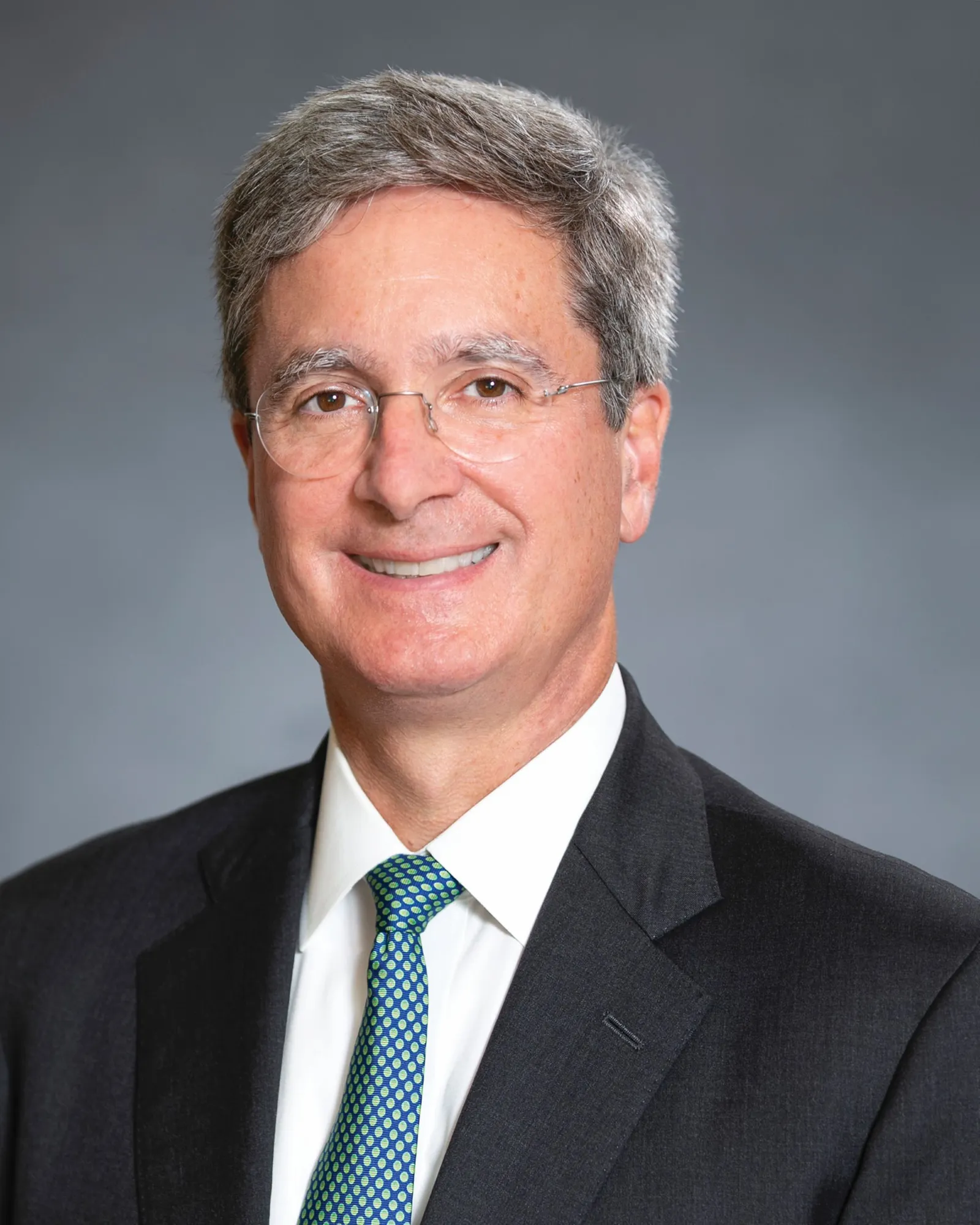
"What we’ve lacked since our separation from Bank of the West is a branch network to expand client relationships and offer a full suite of product offerings," First Hawaiian CEO Bob Harrison admitted during a conference call following the announcement. The acquisition of Tri Counties Bank is the direct answer to this strategic deficiency, marking a "next phase" of growth that has been years in the making.
The Data Behind the Deal: Valuation, Assets, and Market Impact
The financial mechanics of the merger reflect a premium valuation for TriCo Bancshares, signaling First Hawaiian’s confidence in the Northern California market. Under the terms of the agreement, TriCo shareholders will receive 2.095 shares of First Hawaiian stock for each share they own. Based on First Hawaiian’s closing stock price as of the Friday preceding the announcement, the transaction is valued at approximately $63.12 per TriCo share.
The pro forma company will see a significant shift in its ownership structure and asset base:
- Ownership Split: Once the transaction is finalized, current First Hawaiian shareholders will own approximately 65% of the combined entity, while TriCo shareholders will hold the remaining 35%.
- Asset Growth: First Hawaiian, which reported assets of $24.3 billion as of March 31, 2026, will absorb TriCo’s nearly $10 billion in assets, pushing the combined total to the $34 billion mark.
- Branch Network: The deal is a transformative event for FHB’s physical presence. The bank currently operates 53 branches, primarily in Hawaii. By acquiring Tri Counties Bank, it adds approximately 75 branches across California, effectively shifting the majority of its physical locations to the mainland.
- Projected Synergies: In a presentation to investors, First Hawaiian leadership projected cost savings of roughly 25%. These efficiencies are expected to stem from the integration of back-office operations, technology platforms, and administrative functions, though both banks have pledged to keep all existing branches open.
Furthermore, the timing of the announcement coincided with a positive earnings preview from First Hawaiian. The bank signaled strong internal momentum, projecting a second-quarter net income of $73.4 million—a notable increase from the $67.8 million reported in the previous quarter. The bank also highlighted a healthy return on average tangible common equity (ROTCE) of 16.3%, up from 15.3%, providing a stable financial foundation from which to launch this massive acquisition.
Official Responses: A Partnership of Shared Values
Leadership from both institutions has framed the merger as a "natural fit," emphasizing cultural alignment over mere financial gain. For Bob Harrison, the CEO of First Hawaiian, the choice of Tri Counties Bank was deliberate. He characterized TriCo as an "ideal partner," citing its disciplined credit culture and its deep-seated commitment to local communities in Northern California.
"Together, we will preserve what has made both companies successful while creating a stronger and more diversified bank," Harrison stated. He was careful to reassure the Hawaiian market that the bank’s roots remain firmly planted in the islands. "Hawaii is still home. It is still the core of what we’re doing on a combined basis," he noted, emphasizing that the bank will now have two engines of growth rather than one.
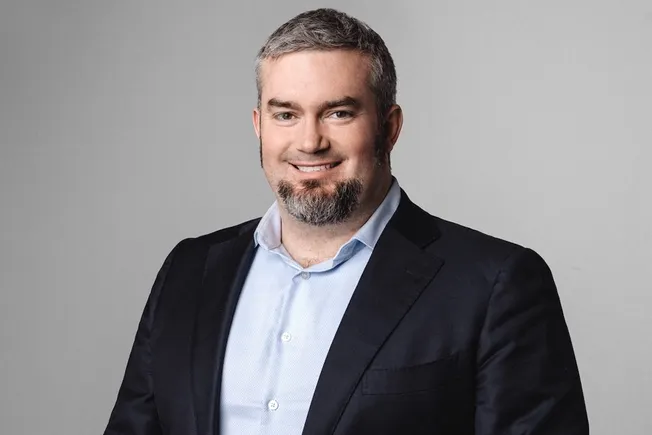
Rick Smith, the CEO of Tri Counties Bank, echoed these sentiments, focusing on the benefits for customers and employees. On the conference call, Smith highlighted the importance of branch retention—a key component of the deal that ensures no TriCo branches will be closed as a result of the merger.
"Those things really matter when you talk about retention of key people to make the organization go forward," Smith said. He noted that while TriCo has built its reputation on local decision-making and relationship banking, First Hawaiian brings the "scale, capital strength, and broader product capabilities" necessary to compete in an increasingly digital and consolidated banking environment.
As part of the governance agreement, the transition will be supported by the addition of four TriCo directors to the boards of First Hawaiian Bank and its parent company. Rick Smith will be one of these directors, ensuring that the mainland perspective is represented at the highest levels of the new organization.
Strategic Implications: Diversification and the Future of Regional Banking
The acquisition of Tri Counties Bank carries significant implications for the regional banking sector, particularly in the Western United States. By expanding into Northern California, First Hawaiian is effectively insulating itself against the geographic concentration risk inherent in being an island-based lender.
1. Geographic and Economic Diversification
Hawaii’s economy is heavily reliant on tourism and federal spending. By acquiring a foothold in Northern California—specifically in the Chico and Sacramento regions—First Hawaiian gains exposure to a diverse array of industries, including agriculture, healthcare, and technology. This geographic "hedge" allows the bank to balance economic cycles that may affect the islands differently than the mainland.
2. Brand Preservation as a Growth Strategy
In a notable move, First Hawaiian announced it would retain the Tri Counties Bank branding on the mainland. This decision reflects a sophisticated understanding of brand equity. Tri Counties Bank has spent decades building trust in Northern California; by keeping the name, First Hawaiian avoids the friction often associated with "out-of-state" takeovers and maintains the "local bank" feel that is crucial for retaining small business and retail clients.
3. The "Mid-Tier" Consolidation Trend
This deal is emblematic of a broader trend in the U.S. banking industry where mid-sized regional banks are merging to achieve the "scale" necessary to fund expensive technological upgrades and navigate complex regulatory environments. At $34 billion in assets, the combined First Hawaiian-TriCo entity moves into a higher tier of regional banks, giving it more leverage to compete with national giants while remaining small enough to offer personalized service.
4. Trans-Pacific Business Opportunities
With a substantial presence in both Hawaii and California, the new First Hawaiian is uniquely positioned to capture business flows between the two regions. This includes everything from real estate investment and construction lending to servicing the banking needs of individuals who split their time between the mainland and the islands.
Conclusion: A New Horizon for First Hawaiian
The $2 billion acquisition of Tri Counties Bank is more than just a merger; it is a statement of intent. For First Hawaiian Bank, it marks the end of its post-independence "island phase" and the beginning of a new era as a diversified, trans-Pacific financial powerhouse.
By doubling its branch count and significantly increasing its asset base, First Hawaiian is positioning itself to be a dominant force in the Western U.S. banking market. While the integration of two distinct corporate cultures and the realization of 25% cost savings will present challenges in the coming year, the strategic logic of the deal is clear. As Bob Harrison noted, the bank is now ready to "invest in two places," ensuring that while its heart remains in Honolulu, its reach now extends firmly across the Pacific to the golden hills of California.
Investors and industry analysts will be watching closely as the deal moves toward its year-end close, looking for signs that this "ideal partnership" can deliver on its promise of long-term growth and enhanced shareholder value. For now, the message from Honolulu is clear: First Hawaiian is back on the mainland, and it plans to stay.