








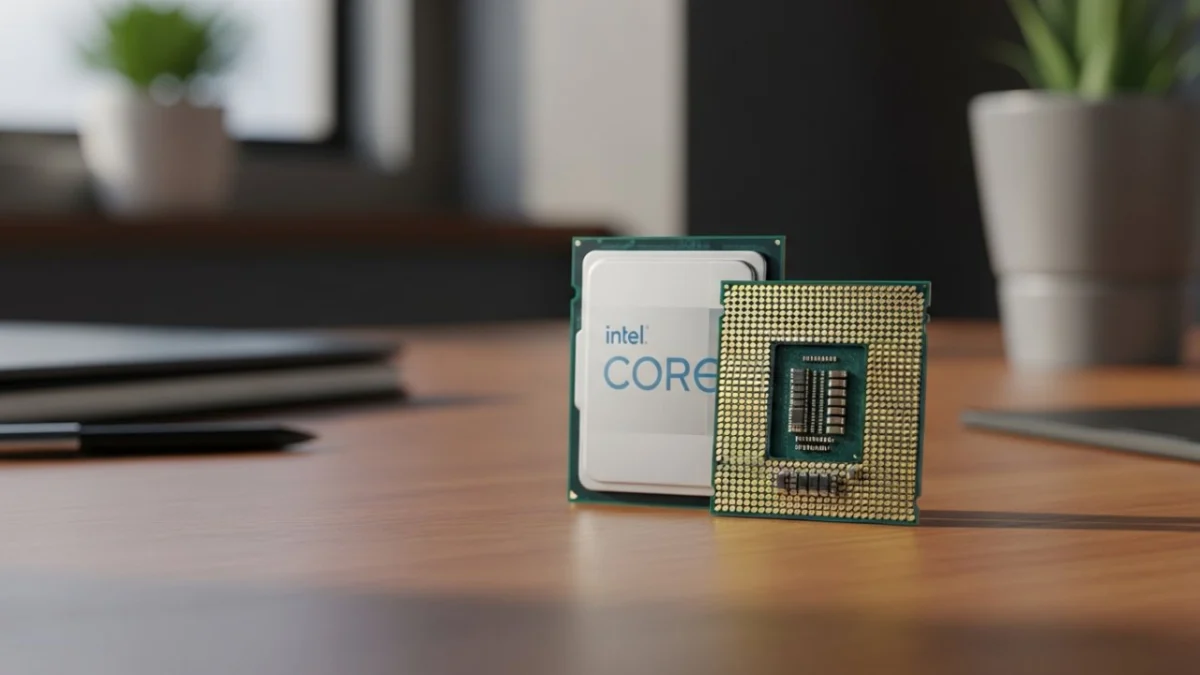
TAIPEI, TAIWAN – As the digital landscape for small and medium-sized enterprises (SMEs) continues to evolve, the demand for hardware that balances raw power with extreme portability has reached a fever pitch. At Computex 2026, Intel Corporation addressed this shift head-on, taking the stage to introduce the Intel® Core™ Series 3 processor family. Designed specifically to bridge the gap between heavy-duty workstation performance and the mobility requirements of modern entrepreneurs, these new chips are set to redefine the standard for the small business workspace.
With six distinct "thin and light" designs unveiled at the event, the industry’s top manufacturers—including Acer, ASUS, and Dell—have already signaled their commitment to the architecture. These machines are not merely hardware upgrades; they represent a strategic push to integrate high-end connectivity and AI-driven efficiency into the professional toolkit of the modern small business owner.
Main Facts: The Core Series 3 Advantage
The Core Series 3 processors represent a significant leap forward in Intel’s silicon roadmap. Built to address the pain points of the modern professional—namely, the need for uninterrupted workflows, rapid data transfer, and seamless virtual collaboration—these processors are optimized for efficiency.
At the heart of the Series 3 architecture is a tripartite focus: improved power management, expanded connectivity, and the integration of dedicated Neural Processing Units (NPUs). By offloading AI-heavy tasks to the NPU while maintaining a robust GPU for everyday graphics-intensive work, Intel has created a platform that remains cool and quiet even during taxing operations.
Key technical specifications include:
- Next-Generation Connectivity: Native support for Thunderbolt 4, Wi-Fi 7, and Bluetooth 6.
- Extended Battery Architecture: Optimized power consumption allowing for up to 17 hours of 4K video streaming.
- Rapid Charging: Capability to restore 50% of battery capacity in under 30 minutes.
- AI-Ready Infrastructure: A capable NPU designed to handle localized AI tasks, enhancing privacy and speed for data analysis and creative software.
Chronology: From Concept to Computex 2026
The trajectory leading to the launch of the Core Series 3 was marked by a shift in consumer behavior during the post-pandemic era.
Early 2025: Intel begins shifting its focus toward "Efficiency-First" architecture. Market research indicated that SME owners were moving away from bulky desktop replacements in favor of ultra-portable machines that could survive a 12-hour workday without being tethered to a wall outlet.
Late 2025: Beta testing of the Series 3 silicon begins with key OEMs (Original Equipment Manufacturers). During this period, the focus was placed on optimizing the thermal envelopes of thin-chassis designs, ensuring that manufacturers like Acer and ASUS could house these powerful chips without compromising on the aesthetics of their flagship laptops.
June 2026 (Computex): Intel officially pulls the curtain back on the Series 3 family. The event highlights the collaborative nature of this launch, showcasing six distinct designs that cater to different business sectors—from creative designers using the Acer Swift Air 14 to consultants and sales professionals utilizing the lean, durable frames offered by Dell and ASUS.
Supporting Data: Efficiency in Action
The performance benchmarks shared by Intel and its partners paint a clear picture of why this transition is significant for the bottom line of a small business.
The Battery Life Revolution
One of the most persistent frustrations for the mobile entrepreneur is "battery anxiety." The new Series 3 processors utilize a sophisticated power management system that intelligently shifts tasks between performance and efficiency cores. During internal testing, the 17-hour 4K streaming benchmark confirmed that these devices are capable of supporting back-to-back virtual meetings, cross-country travel, and remote work sessions without a single charge.
The Connectivity Edge
Connectivity is the lifeblood of modern commerce. With the introduction of Wi-Fi 7, businesses can expect lower latency and higher throughput in crowded environments, such as coffee shops, airports, or shared office spaces. When combined with the high-speed data transfer rates of Thunderbolt 4, the ability to offload large creative files or sync massive cloud-based databases becomes near-instantaneous.
Acer Swift Air 14 Case Study
As a flagship example, the Acer Swift Air 14 demonstrates the synergy between hardware and user experience. Gary Chuang, associate marketing manager at Acer, noted that the device offers up to 19 hours of battery life for "everyday use." This figure is vital for SMEs where time is currency; the ability to charge for just 30 minutes and regain half the battery life allows for a level of operational agility that was previously limited to higher-end, enterprise-only hardware.
Official Responses and Industry Sentiment
The reception at Computex 2026 was largely positive, with industry analysts and OEM representatives praising Intel’s focus on the SME sector.
Joseph Broderick, Intel’s technical marketing engineer, emphasized that the Series 3 was built for the "everyday user who refuses to compromise." During his keynote address, Broderick highlighted the importance of the integrated NPU:
"With the all-new Series 3 processor family, you get the latest connectivity features including Thunderbolt 4, WiFi 7, and Bluetooth 6 technologies, along with an extremely capable NPU and GPU. We aren’t just building chips for gamers or data scientists; we are building them for the business owner who needs their machine to be as reliable as their business model."
OEM partners shared this sentiment, noting that the demand for "all-day" battery life is no longer a luxury but a requirement for the modern workforce. "Collaborating with Intel on these all-new Core Series 3 laptops has allowed us to push the boundaries of what a slim chassis can do," added Gary Chuang of Acer.
Implications: The Strategic Impact on Small Business
The arrival of this new hardware carries both opportunities and responsibilities for business owners.
Boosting Productivity
For teams reliant on video conferencing, data analysis, and design, the Series 3 machines offer a "seamless" environment. By removing the lag associated with hardware bottlenecks, employees can maintain their "flow state" for longer periods. Enhanced collaboration tools and cloud-based management become more effective when the underlying hardware can support them without stuttering.
The Investment Challenge
However, for startups and budget-conscious firms, the transition to Series 3 technology is not without hurdles. The capital expenditure (CapEx) required to upgrade a fleet of laptops can be significant. Decision-makers must weigh the cost of the hardware against the potential gains in billable hours and employee retention.
Infrastructure and Training
Beyond the hardware itself, organizations must be prepared for the "infrastructure tax." To fully utilize the benefits of Wi-Fi 7, for instance, a business may need to upgrade its internal network routers and access points. Furthermore, introducing new technology often requires a period of training. While the interface of a new laptop is intuitive, mastering the workflows enabled by advanced AI-integrated tools and high-speed peripherals can take time, potentially causing a temporary dip in productivity during the transition phase.
Conclusion: A Balanced Outlook for Entrepreneurs
Intel’s introduction of the Core Series 3 at Computex 2026 is a milestone for small business hardware. By focusing on the intersection of longevity, connectivity, and intelligence, Intel has provided a roadmap for how modern work should feel.
For the entrepreneur, the path forward is clear: the benefits of these devices—namely, the ability to work from anywhere with enterprise-grade stability—are substantial. However, the decision to upgrade should be strategic. Small business owners are encouraged to assess their current workflow bottlenecks, evaluate their existing network infrastructure, and consider a phased approach to hardware replacement.
As the industry moves toward a future dominated by localized AI and ubiquitous, high-speed connectivity, the Intel Core Series 3 represents the next logical step in the evolution of the professional workspace. Those who choose to embrace these advancements will likely find themselves better equipped to handle the complexities of a fast-paced, globalized market.
For those interested in the deep technical specifications or looking to explore how these processors can be integrated into their specific business operations, Intel’s full announcement serves as a comprehensive resource for planning the next hardware refresh cycle.
Image credit: Generated via Google Gemini
Tags: Intel News, Small Business Technology, Computex 2026, Hardware Innovation