










By Holly Welles
Updated: July 23, 2026
Main Facts: The Reality of Drained Savings and the Path Forward
Life is inherently unpredictable. Whether it is a sudden vehicle transmission failure, an unexpected medical emergency, a family crisis, or an abrupt job loss, financial emergencies have a way of completely upending even the most meticulously planned budgets. When these events occur, watching years of disciplined savings evaporate in a matter of days or weeks can be deeply demoralizing.
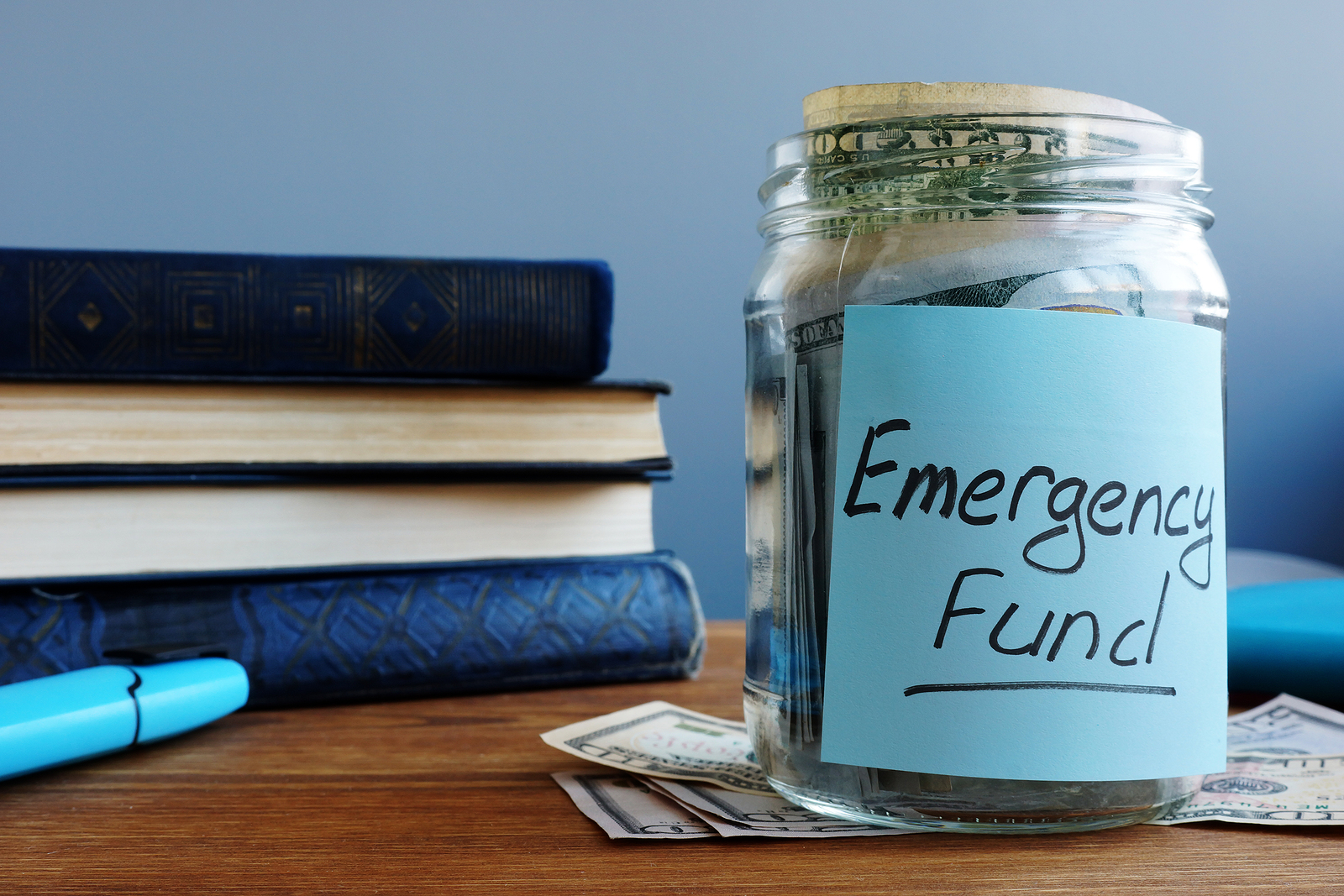
However, financial experts emphasize a fundamental truth: seeing your emergency fund vanish is not a failure of financial management; it is proof that the system worked. That money was never meant to sit indefinitely as a decorative balance in a bank account—it was accumulated specifically to absorb the shock of life’s unavoidable crises.
Now that the dust has settled and the immediate emergency has passed, the critical question is what comes next. Rebuilding an emergency savings account from scratch can feel like an insurmountable mountain, but financial recovery is entirely achievable through systematic, deliberate steps. You do not need to replace your entire safety net overnight. Instead, a structured approach involving budget realignments, income adjustments, and temporary lifestyle shifts can set you firmly back on the path toward financial security and peace of mind.
Chronology: Understanding the Financial Recovery Lifecycle
To successfully navigate the aftermath of a financial crisis, it helps to understand the chronological phases of financial recovery. Moving from crisis mode to long-term stability requires a step-by-step transition.
Phase 1: The Immediate Aftermath and Triage (Weeks 1–2)
Immediately following a financial emergency, the primary objective is stabilization. This involves ensuring that immediate debts are categorized, creditors are communicated with if payments are delayed, and no new high-interest debt (such as credit card balances or payday loans) is unnecessarily accumulated. During this phase, panic often sets in, but focusing on simple accounting—knowing exactly what remains in your accounts—is paramount.
Phase 2: Assessment and Budget Realignment (Month 1)
Once the smoke clears, you must evaluate the new financial baseline. Has your income permanently changed? Are your monthly living expenses higher due to lifestyle creep or inflation? This is the point at which an updated monthly budget must be constructed to reflect your current reality, establishing new, realistic savings parameters.
Phase 3: The Acceleration Phase (Months 2–6)
Armed with a fresh budget, this phase focuses on aggressive accumulation. By temporarily cutting nonessential expenses, exploring side hustles, or pursuing career advancement, you direct every available surplus toward replenishing your safety net. Big-lens goals, such as buying property or paying down long-term student loans, are consciously placed on the back burner.
Phase 4: Maintenance and Review (Month 6 and Beyond)
Recovery is not a one-time event; it is an ongoing habit. Regular monthly reviews ensure that spending habits do not derail your progress. Once the emergency fund is restored to a healthy level (typically three to six months’ worth of essential living expenses), you can safely resume your broader, long-term financial goals with a reinforced foundation.
Supporting Data: Why the Safety Net Matters
Data from consumer finance studies consistently shows that households without an emergency fund are exponentially more likely to fall into cycles of chronic debt when faced with unexpected expenses. According to financial literacy metrics, nearly half of all consumers would struggle to cover an unexpected $500 expense without borrowing money.
When individuals are forced to rely on credit cards or high-interest personal loans during an emergency, the initial cost of the crisis is compounded by accumulating interest rates, often trapping families in a multi-year financial deficit. Conversely, individuals who maintain or actively rebuild a dedicated cash reserve experience significantly lower stress levels, greater job stability, and higher overall financial resilience. An emergency fund acts as an independent financial buffer, breaking the cycle of debt before it can even begin.
Official Guidance: Strategies for Effective Recovery
To execute a successful financial recovery, experts recommend a five-pillar framework designed to eliminate guesswork and foster steady, sustainable progress.
1. Update Your Budget with Precision
An emergency almost always alters your financial ecosystem. Whether your income took a hit or your baseline expenses shifted, operating on an outdated budget is a recipe for continued shortfalls.
To refresh your budget effectively, compile a comprehensive ledger of all current income sources and monthly fixed and variable expenses. For variable expenses—such as groceries, utilities, or annual travel—calculate a true monthly average. For instance, if you historically spend $1,200 annually on holiday travel, allocate $100 per month into a dedicated line item. This prevents future surprises from masquerading as "emergencies" when they are actually predictable annual costs.
2. Diversify and Boost Your Income Streams
If your primary income has decreased, or if you simply want to accelerate your savings timeline, finding alternative streams of income is one of the most effective levers you can pull.
The modern gig economy offers numerous pathways to supplement your primary earnings. Whether it is freelance writing, tutoring, pet-walking, or neighborhood childcare, a side hustle can provide the exact influx of cash needed to jump-start your savings account. Furthermore, consider evaluating your primary career trajectory: Are you due for a performance review, a promotion, or a conversation about a market-rate salary adjustment with your employer? Combining a side hustle with a primary income boost can dramatically shorten your recovery window.
3. Implement Temporary Nonessential Spending Cuts
Sacrifice is rarely comfortable, but temporary austerity is a powerful tool for rapid financial rehabilitation. Giving up your weekly restaurant outings, premium entertainment subscriptions, or luxury shopping habits for a few months will not ruin your quality of life, but it will drastically alter the speed at which your savings account grows.
The key is intentionality. You do not need to strip your life of all joy—overly aggressive deprivation often backfires, leading to "financial bingeing" and impulsive spending out of frustration. Instead, critically review your discretionary expenses and deliberately pause low-priority categories until your baseline safety net is secure.
4. Strategically Pause Bigger Financial Goals
It is natural to feel ambitious about long-term milestones, such as purchasing a home, aggressively paying down student loans, or investing heavily in the stock market. However, attempting to chase these milestones while your emergency fund sits empty is akin to building a house on a fault line.
Putting these secondary goals on temporary hold is not a failure; it is a prioritization of financial safety. Once your cash reserve is fully replenished, you can redirect those funds toward your long-term ambitions with the confidence of knowing that your foundation is rock-solid.
5. Establish a Monthly Review Routine
Financial health requires regular check-ins. Make it a habit to review your accounts, spending patterns, and budget performance on the final day of every month. This routine allows you to catch minor budget leaks before they turn into major sinkholes, ensuring that your financial ship stays pointed firmly in the right direction.
Implications: The Psychological and Long-Term Value of Financial Preparedness
The implications of maintaining a robust emergency fund extend far beyond the numbers on a bank statement. Psychologically, financial insecurity is a major contributor to chronic stress, anxiety, and even physical health ailments. Knowing that a single flat tire or unexpected medical bill could trigger financial ruin places a constant cognitive load on individuals and families.
When you successfully rebuild your emergency fund, you reclaim your peace of mind. That safety net becomes a psychological anchor, granting you the confidence to navigate career changes, take calculated risks, and weather economic downturns without panic.
Seeking Professional Support
If navigating this process feels overwhelming, remember that you do not have to walk the path alone. Certified credit counseling agencies provide objective, professional guidance tailored to your specific circumstances. Organizations such as the National Foundation for Credit Counseling (NFCC) offer access to certified counselors who can assist with comprehensive budget restructuring, debt management plans, and personalized recovery strategies.
Ultimately, your emergency savings fund is not merely a financial product—it is an investment in your own security, autonomy, and future well-being. Take the first step today, update your budget, and build the safety net you deserve.