









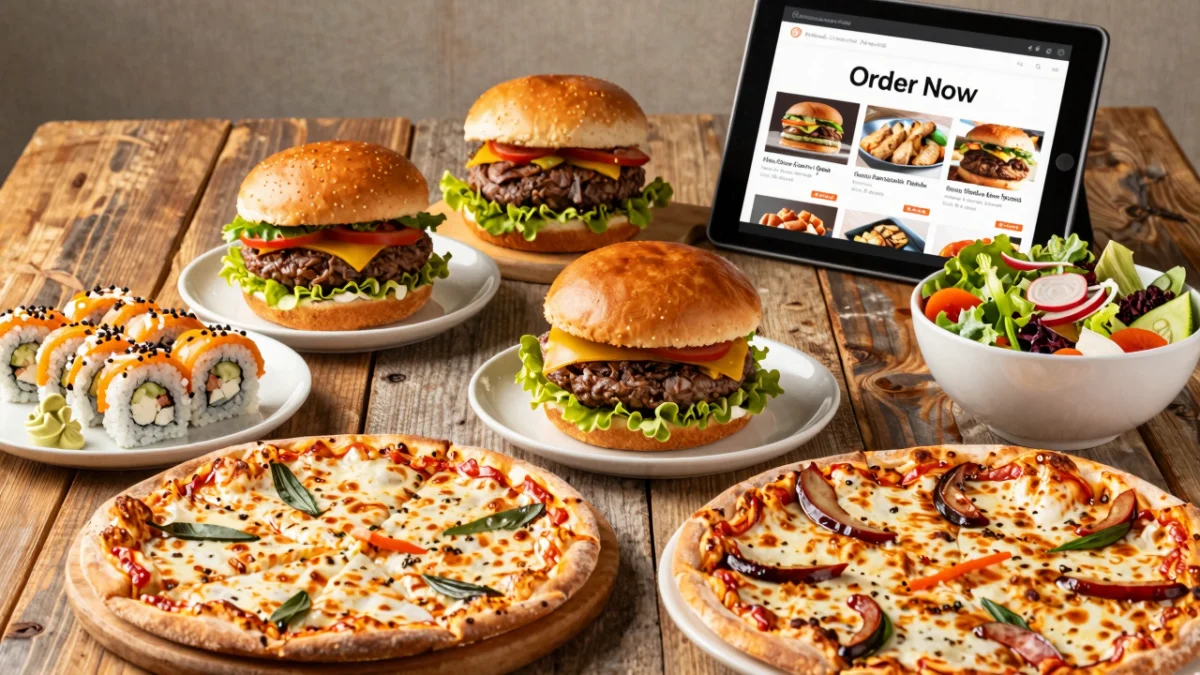
The landscape of the food franchise industry in 2026 is defined by a paradox: while consumer demand for convenience has never been higher, the threshold for what constitutes a "successful" brand has shifted toward radical product differentiation and sophisticated digital integration. As prospective franchisees evaluate their next move, the traditional "one-size-fits-all" burger-and-fry model is rapidly yielding to concepts that emphasize health-conscious ingredients, hyper-efficient kitchen technology, and deep cultural resonance.
The Evolution of the Modern Franchise: Core Pillars of Success
To thrive in the current climate, franchise owners must look beyond simple unit growth. The most resilient brands of 2026 are those that have successfully navigated the "Big Three" of modern franchising: operational agility, health-forward positioning, and digital-first connectivity.

Product Differentiation and Cultural Relevance
Consumers are no longer satisfied with generic menu offerings. Brands that have captured significant market share—such as those specializing in niche, high-engagement items like mochi donuts—demonstrate the importance of "photo-worthy" culinary trends. These products act as organic marketing engines, driving social media engagement and fostering intense brand loyalty among younger demographics.
The Scalability Mandate
Scalability remains the lifeblood of the industry. In 2026, this requires more than just capital; it necessitates robust supply chain management and standardized, high-speed training programs. The winners are those that maintain a consistent customer experience across 500+ locations while keeping the "small-shop" feel that initially fueled their growth.

Chronology of Market Shifts: From Convenience to Curation
The trajectory of the food franchise sector has undergone a seismic shift over the past two years:
- 2024 (The Foundation): The industry saw a massive surge in "Average Unit Volume" (AUV) for specialized quick-service restaurants (QSRs), with brands like Raising Cane’s setting benchmarks for operational efficiency.
- 2025 (The Digital Pivot): Q3 2025 marked the solidification of the "digital-first" era, with companies like Wingstop generating over $175 million in revenue purely through digital channels, proving that mobile-integrated dining is no longer optional.
- 2026 (The Era of Curation): We have entered a phase where health-conscious, nutrient-dense, and sustainable menus—epitomized by the meteoric rise of brands like Breadless—are the primary drivers of investment capital.
Supporting Data: Efficiency and Profitability Metrics
The financial health of a franchise is often tied directly to its technological adoption. As evidenced by recent market data, the transition to "chefless" kitchens and automated ordering systems has fundamentally altered the profit-and-loss statements for the modern operator.

| Brand Concept | Innovation Driver | Impact on Bottom Line |
|---|---|---|
| Breadless | Chefless Kitchen | 7–10 week build-out; lower overhead |
| Wingstop | Digital-First | Optimized labor; increased delivery volume |
| Raising Cane’s | Specialized Menu | $6.6M AUV; high operational consistency |
| Chipotle | Global Scalability | Economies of scale in international markets |
Breadless: Redefining Health-Focused Fast Food
Perhaps no brand captures the 2026 zeitgeist as effectively as Breadless. By replacing traditional carbohydrates with nutrient-dense supergreens—earning an impressive 1,000 on the ANDI (Aggregate Nutrient Density Index) scale—the brand has tapped into a massive, underserved demographic.
The "Chefless" Operational Model
The Breadless model is a masterclass in efficiency. By utilizing a chefless kitchen, the brand significantly lowers labor costs and accelerates the time-to-market for new franchisees. This efficiency allows for build-outs in as little as seven to ten weeks. With over 50 qualified franchisees currently in the pipeline, the brand is capitalizing on a first-mover advantage in the "nutritious fast-casual" space. Its Whole30-approved status serves as a powerful marketing lever, ensuring consistent repeat visits from health-conscious consumers.

Jersey Mike’s: Navigating the Saturation Paradox
As Jersey Mike’s continues its aggressive expansion, it serves as a case study for managing market saturation. Rapid growth, while profitable, invites the risk of "cannibalization"—where new locations dilute the customer base of existing ones.
Strategic Adjustments
To combat saturation, the brand is pivoting toward:

- Underserved Territories: Utilizing financial backing from entities like Blackstone to penetrate secondary markets where the density of sandwich chains is lower.
- Menu Innovation: Introducing limited-time offers and localized menu items to keep the brand fresh and engaging, even in long-established territories.
- Community Integration: Moving beyond national marketing to focus on hyper-local partnerships, ensuring that every store feels like a neighborhood staple rather than just another corporate outlet.
Wingstop: The Digital-First Blueprint
Wingstop has successfully transitioned from a standard wing shop into a technology-driven delivery powerhouse. Their Q3 2025 performance underscores the efficacy of a model that prioritizes the "digital customer journey."
The Three Pillars of Digital Success
- Online Ordering Ecosystem: By removing friction from the ordering process, Wingstop has significantly increased the average order size.
- Delivery-Centric Logistics: The brand optimized its kitchen layouts specifically for the high volume of off-premise dining, reducing wait times for delivery drivers and customers alike.
- Operational Efficiency: Through AI-driven inventory management and streamlined prep-lines, the company maintains high margins despite the logistical complexities of the delivery business.
Global Expansion: The Chipotle Strategy
Chipotle’s ambition to open 3,500 new international locations by the end of the decade marks a significant shift in the global food landscape. The strategy is built on the premise that "high-quality, sustainable ingredients" have universal appeal.

Implications for Investors
For the prospective investor, Chipotle represents the "gold standard" of global brand recognition. However, the initial capital outlay—ranging from $1.2 million to $2.2 million—requires a long-term commitment to operational standards. Success in international markets requires not just a replication of the U.S. model, but a subtle adaptation to local culinary preferences, a process that Chipotle is navigating with high-level precision.
Raising Cane’s: Performance vs. Availability
Raising Cane’s remains a juggernaut in the industry, boasting an average unit volume (AUV) of $6.6 million as of 2024. Its success is rooted in the "less is more" philosophy—a simplified, high-quality menu that reduces kitchen complexity.

However, the brand presents a unique challenge for the individual entrepreneur: limited franchise availability. Unlike brands that offer open access to prospective owners, Raising Cane’s maintains strict control over its network. For those who cannot secure a direct franchise, the lesson remains: consistency in quality and operational focus is the primary driver of high-volume profitability in the QSR space.
Frequently Asked Questions: Navigating the Investment Landscape
Q: Can I start a successful franchise with only $10,000?
A: While $10,000 is a low entry point, it is possible for specific concepts. Brands like Breadless or Graze Craze offer lower barrier-to-entry models, but you must factor in working capital, marketing, and the rigorous application process required by franchisors.

Q: Is Chick-fil-A a viable option for a small-time investor?
A: Chick-fil-A is a unique model. While the franchise fee is famously low, the total investment is substantial, and the company retains strict control over ownership. You are essentially an operator rather than a traditional business owner, and the selection process is highly competitive.
Q: What is the current "fastest-growing" chain?
A: MOD Pizza continues to lead in U.S. sales growth, with a 44.7% increase year-over-year. Blaze Pizza and First Watch are also performing exceptionally well, indicating a broader consumer shift toward customizable, high-quality fast-casual dining.

Final Implications: The Path Forward
The 2026 food franchise industry rewards those who balance the traditional virtues of hard work and operational discipline with the modern necessities of digital proficiency and health-conscious menu design. Whether you are looking at the efficiency of a "chefless" kitchen or the global reach of a massive international brand, the core advice remains the same: Focus on the consumer experience.
As you analyze the data, remember that the most successful franchises of the next decade will be those that view their business not just as a restaurant, but as a technology and experience company. By staying agile, monitoring market saturation, and leaning into the trends of sustainability and convenience, you can navigate this competitive landscape and secure a lasting foothold in the industry.