








The B2B landscape is undergoing a tectonic shift. Gone are the days when wholesale transactions were conducted exclusively through face-to-face meetings, physical catalogs, and protracted manual negotiations. As we move through 2026, the B2B e-commerce sector has evolved into a sophisticated, digital-first ecosystem that mirrors the convenience and speed of the B2C experience. For businesses looking to maintain a competitive edge, the challenge is no longer about whether to adopt digital tools, but how to integrate them into a cohesive, customer-centric strategy.
The Shift Toward Digital-First Buying Journeys
The modern B2B buyer is no longer waiting for a sales representative to initiate contact. Instead, they are conducting independent research, comparing specifications, and vetting suppliers through digital channels long before they reach out for a quote. Recent industry data suggests that buyers now engage with an average of ten different channels during their procurement journey.
To thrive in this environment, companies must transition from a reactive sales model to a proactive, digital-first strategy. This requires the implementation of robust B2B marketplace software that serves as a central hub for all transactions. By providing an intuitive, transparent, and user-friendly portal, businesses can accommodate the "Amazon Effect"—the expectation that B2B procurement should be as seamless, fast, and personalized as shopping on a consumer retail site.

Chronology of the Digital Transformation
The path to this digital maturity has not been overnight. It began with the digitization of simple product catalogs in the early 2010s, progressed through the development of secure online portals for existing clients, and has now arrived at the era of fully autonomous, AI-driven marketplaces. This trajectory highlights a permanent move away from traditional offline sales methods, which are rapidly losing their effectiveness as buyers prioritize self-service and on-demand accessibility.
Supporting Data: The Case for Self-Service
The demand for autonomy in the buying process is not merely anecdotal; it is backed by substantial data. Currently, 34% of all B2B online sales are completed through self-service platforms, and this number is expected to climb as interfaces become more sophisticated.
Why Buyers Prefer Self-Service
- Efficiency: 61% of buyers express a clear preference for rep-free experiences.
- Availability: 24/7 access allows for global procurement regardless of time zones.
- Accuracy: Automated systems reduce human error in order entry and fulfillment.
By implementing platforms that allow for customizable product catalogs, automated order processing, and integrated payment gateways, companies can lower their cost-per-acquisition while simultaneously increasing customer satisfaction scores.

AI as the Engine of Sales Automation
Artificial Intelligence (AI) has emerged as the definitive force multiplier in B2B sales. By automating the repetitive, manual tasks that traditionally bogged down sales teams, AI empowers human employees to focus on high-level relationship management and strategic growth.
Enhanced Lead Scoring through Predictive Analytics
AI algorithms analyze vast troves of behavioral data to distinguish high-intent leads from casual researchers. Rather than relying on gut instinct, sales teams can now use predictive analytics to prioritize outreach. According to recent performance metrics, 66% of B2B revenue teams report achieving a positive return on investment (ROI) within the first 12 months of implementing AI-driven sales tools.
Streamlining the Order Cycle
The integration of AI extends well beyond lead generation. Modern B2B e-commerce platforms now utilize:

- AI Chatbots: These handle instant inquiries and provide technical specifications, freeing up human representatives for complex contract negotiations.
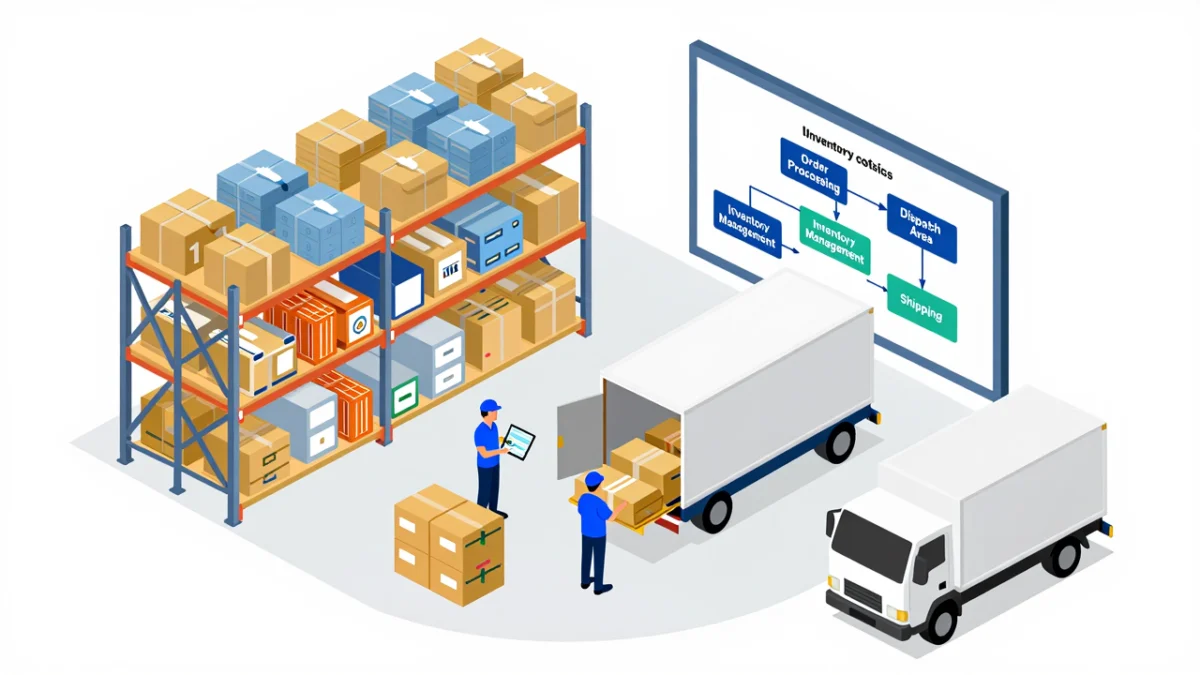
- Real-Time Inventory Management: AI-managed inventory systems ensure that customers receive accurate fulfillment data, reducing backorders and shipping errors.
- Automated Reordering: For wholesale buyers, predictive reordering software simplifies the supply chain, cutting operational costs and tightening the purchasing cycle.
Personalization: The Key to Customer Loyalty
In the B2B sector, personalization is not a luxury; it is a retention strategy. Buyers expect their digital experiences to reflect their existing relationship with a supplier, including contract-specific pricing and past order history.
Tailored Buying Experiences
Personalization starts at the login. When a verified account holder accesses your portal, the interface should immediately display account-based pricing, personalized product recommendations based on previous purchases, and a dashboard that highlights relevant reorder opportunities.
Industry studies show that 70% of B2B buyers are significantly more likely to return to a supplier that provides a customized, frictionless experience. By leveraging real-time insights provided by AI, businesses can deliver dynamic content that resonates with the specific needs of each client, thereby fostering long-term brand loyalty.

Omnichannel Integration: Connecting the Dots
A seamless omnichannel strategy is the hallmark of a mature B2B e-commerce organization. Customers may begin their research on a mobile device during a commute, review a quote on a desktop at the office, and finalize the purchase through a procurement platform.
To support this, your business must have a unified data system. This infrastructure must ensure that whether a customer is interacting with a sales representative, a physical branch, or your e-commerce portal, the data remains consistent. With digital channels projected to handle 83% of all B2B transactions by 2024, those who fail to bridge the gap between their digital and physical touchpoints risk obsolescence.
Mobile Optimization: The New Standard
The "mobile-first" mindset has officially permeated the B2B space. With over 60% of B2B buyers using smartphones or tablets for product research, a non-responsive website is essentially a closed door.

Requirements for a Mobile-Ready Strategy:
- Responsive Design: Websites must automatically adjust to any screen size without losing functionality.
- Fast Loading Times: B2B buyers are time-poor; slow-loading pages lead to high bounce rates.
- Dedicated Applications: For high-volume wholesale clients, a mobile app can simplify reordering and provide push notifications for order status updates.
Data Governance and Strategic Growth
As B2B organizations lean into data-driven selling, the importance of data governance cannot be overstated. High-maturity suppliers—those that effectively use data to inform their strategy—have been shown to outperform their low-maturity counterparts by as much as 110% in achieving annual sales goals.
Data governance involves more than just collecting information; it involves cleaning, organizing, and securing that data to ensure it is actionable. By identifying which products are trending and which customer segments are showing signs of churn, businesses can pivot their strategies in real-time, moving from a static annual plan to an agile, data-led growth cycle.
Implications for the Future of B2B
The implications of this digital shift are profound. Small and mid-sized enterprises (SMEs) that adopt these technologies are no longer disadvantaged by their size. In fact, the scalability of cloud-based B2B e-commerce platforms allows smaller firms to compete with industry giants by offering superior digital experiences and faster fulfillment.

However, this transition requires a commitment to security. As transactions move online, businesses must prioritize:
- SSL Encryption: To protect sensitive financial data.
- Multi-Factor Authentication (MFA): To safeguard against unauthorized account access.
- Regulatory Compliance: Ensuring that data collection practices align with global privacy laws, such as GDPR or local consumer rights regulations.
Conclusion: Taking the Next Step
The B2B e-commerce landscape of 2026 is defined by agility, personalization, and integration. For businesses that have yet to fully embrace these shifts, the path forward is clear: start by optimizing the mobile experience, implement self-service tools, and integrate AI to automate the mundane.
The goal is to move beyond mere transaction processing and toward a holistic relationship management model. By leveraging data-driven insights and fostering an omnichannel environment, you position your business not just to survive in the digital-first era, but to lead it. The question is no longer whether these trends will impact your industry—they already have. The real question is: what is your next step to ensure you remain the supplier of choice?