








The dream of business ownership is increasingly manifesting through the structured, time-tested model of franchising. In 2026, the economic environment presents a unique blend of challenges and opportunities for aspiring entrepreneurs. Franchising has evolved from a simple retail strategy into a sophisticated ecosystem that balances brand recognition with localized operational autonomy. For those looking to transition from employee to business owner, understanding the nuances of this sector is the first step toward long-term profitability.
The Mechanics of Modern Franchising: Core Advantages
At its foundation, franchising is the art of "business in a box." It provides a shortcut through the volatile startup phase by offering a proven blueprint. When you purchase a franchise, you are not merely buying a brand; you are investing in a system.

Brand Recognition and Operational Support
The primary value proposition of a franchise remains its brand equity. When a consumer sees a familiar logo, they carry an immediate expectation of quality and consistency. For the franchisee, this translates into a lower customer acquisition cost. Furthermore, the operational support provided by franchisors—ranging from proprietary software to supply chain management—mitigates the risk of common startup failures.
The Regulatory Framework: The FDD
Before any capital is exchanged, potential investors must navigate the Franchise Disclosure Document (FDD). This legal document is the bedrock of the franchisor-franchisee relationship. It outlines the specific fees (initial, royalty, and marketing), the scope of territorial rights, and the legal obligations of both parties. The "7-Day Rule" serves as a critical consumer protection measure, mandating that the franchisor provide this document at least one week prior to the execution of any agreement. This cooling-off period is essential for performing due diligence.

Chronology of the 2026 Franchise Market
The first half of 2026 has been marked by a distinct shift toward service-based and essential-needs business models. As economic conditions fluctuate, investors are retreating from high-overhead, speculative retail ventures in favor of businesses that provide "inelastic" services—those that consumers require regardless of the economic climate.
- Q1 2026: Surge in home services demand. As residential real estate ages, the need for maintenance, plumbing, and HVAC support skyrocketed, pushing brands like Mr. Rooter to the forefront of investment interest.
- Q2 2026: The "Pet Humanization" trend reached a saturation point, creating massive opportunities for specialized pet care franchises like Woof Gang Bakery.
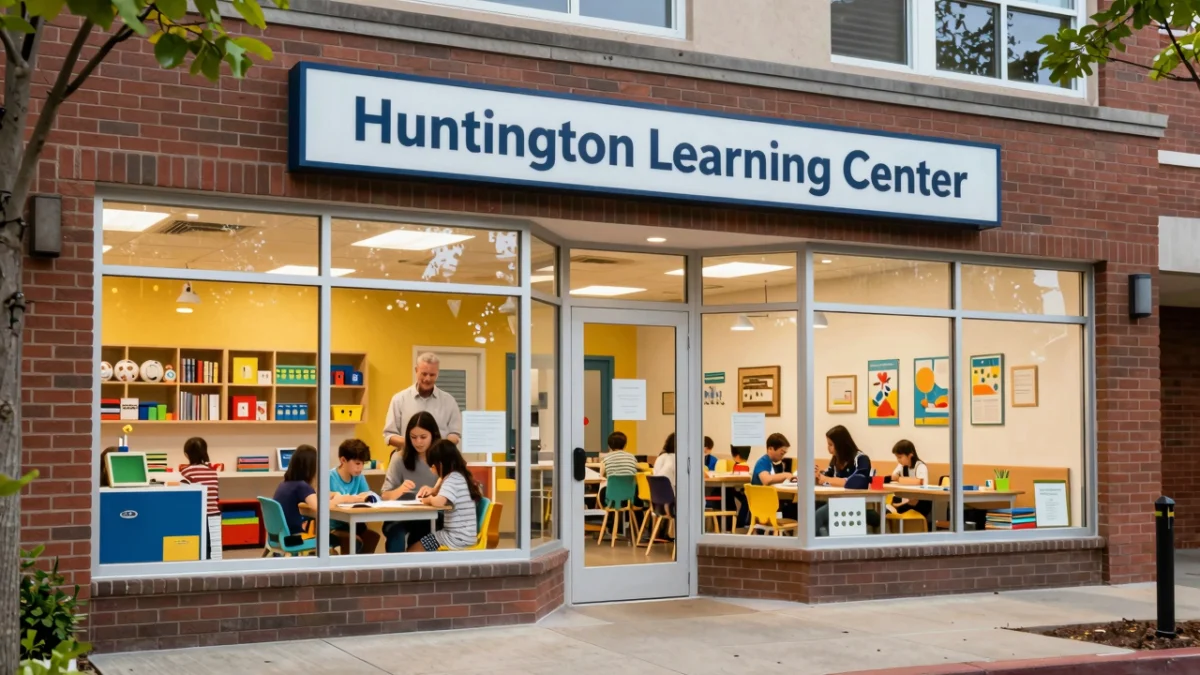
- Mid-2026: The education and travel sectors began to recover, with Huntington Learning Center and Dream Vacations reporting record-high interest from new franchisees seeking flexible, high-impact business models.
Supporting Data: Key Sectors for Growth
The current market data suggests that success is increasingly tied to sectors that offer either high-frequency interaction or deep, value-added services.

The Home Services Dominance
Mr. Rooter exemplifies the success of the essential services model. With the aging of residential infrastructure in suburban markets, the demand for reliable plumbing services has become a recession-resistant anchor. Franchisees benefit from centralized call centers and national branding, allowing them to focus on local execution and customer satisfaction.
The "Pet Economy" Boom
The pet care industry is currently experiencing a double-digit growth trajectory. Woof Gang Bakery & Grooming has capitalized on this by blending retail (gourmet treats) with service (grooming). The data indicates that pet owners are increasingly willing to pay a premium for high-touch, personalized care for their animals, making this a high-margin sector for franchisees who prioritize community engagement.

Education and Flexibility
Educational franchises, such as the Huntington Learning Center, cater to a growing parental demand for academic enrichment. Simultaneously, the travel industry, represented by models like Dream Vacations, has evolved to cater to the digital nomad and "work-from-anywhere" entrepreneur, providing low-overhead opportunities that can be managed from a home office.
Official Perspectives: Navigating the Investment
Experts in the franchise sector emphasize that the "best" franchise is not necessarily the most expensive or the most famous; it is the one that aligns with the owner’s operational capacity.

Assessing Financial Capacity
A common pitfall for new franchisees is undercapitalization. Experts warn that the initial franchise fee is only the "entry ticket." Potential owners must account for:
- Working Capital: Sufficient liquidity to cover 6–12 months of operations.
- Royalty Structures: A percentage of gross revenue that can impact net profit margins.
- Marketing Fund Contributions: Required payments to support the national or regional brand image.
Operational Commitment
Franchisors often categorize opportunities into "manager-run" and "owner-operator" models. Brands like Chick-fil-A have historically leaned toward the owner-operator model, requiring deep personal involvement in daily business activities. Conversely, many home-service franchises allow for a semi-absentee model once the team is trained and established.

Implications for the Aspiring Entrepreneur
The implications of these trends are clear: the era of the "passive" franchise investor is waning, replaced by a need for active, data-driven management.
Emerging Trends for 2026 and Beyond
- Data-Driven Support: Franchisors are increasingly using performance analytics to help franchisees optimize their local marketing and inventory levels.
- Sustainability: Consumers are demanding eco-friendly practices. Franchisees who implement energy-efficient operations or sustainable supply chains are seeing higher customer retention.
- Community-Centric Growth: The most successful franchises in 2026 are those that operate as local hubs. Whether through pet grooming events or educational workshops, physical presence is being augmented by community-building activities.
The Path to Success: A Step-by-Step Approach
To ensure a successful entry into the franchise market, the following framework is recommended:

- Self-Assessment: Define your risk tolerance, capital availability, and preferred daily lifestyle. Are you looking to manage staff, or do you prefer a solitary, home-based business?
- Market Research: Look beyond national trends. Investigate the local market saturation for the specific brand you are considering. Is there an unmet need for these services in your neighborhood?
- The "Discovery" Phase: Attend "Discovery Days" offered by franchisors. This is your chance to interview corporate leadership and ask pointed questions about support, marketing, and the average time to break-even.
- Validation: Contact existing franchisees—not just the ones recommended by the franchisor. Ask them about their biggest challenges, their relationship with the corporate office, and whether they would choose the same brand again.
- Legal Review: Never sign an FDD without the oversight of a franchise attorney. They will identify potential red flags in the contract that you might overlook.
Conclusion
The franchise model remains one of the most effective ways for individuals to leverage the power of a brand while maintaining the spirit of independent business ownership. As we look toward the remainder of 2026, the landscape favors those who are disciplined, research-oriented, and community-focused. Whether you are drawn to the reliability of home services, the passion of the pet care industry, or the educational impact of tutoring, the key to success lies in the synergy between the franchisor’s support system and your local execution.
By treating the acquisition of a franchise as a rigorous professional endeavor rather than a passive investment, you position yourself to navigate the complexities of the modern market and achieve sustainable, long-term success. The opportunity is not just in the brand you choose, but in the dedication you bring to the business every day.