





As the landscape of higher education financing undergoes its most radical transformation in decades, a new and alarming threat is capturing the attention of consumer advocates. While students and families have long navigated the binary choice between federal loans and private commercial lenders, a third, insidious category has quietly expanded: state-based student loans.
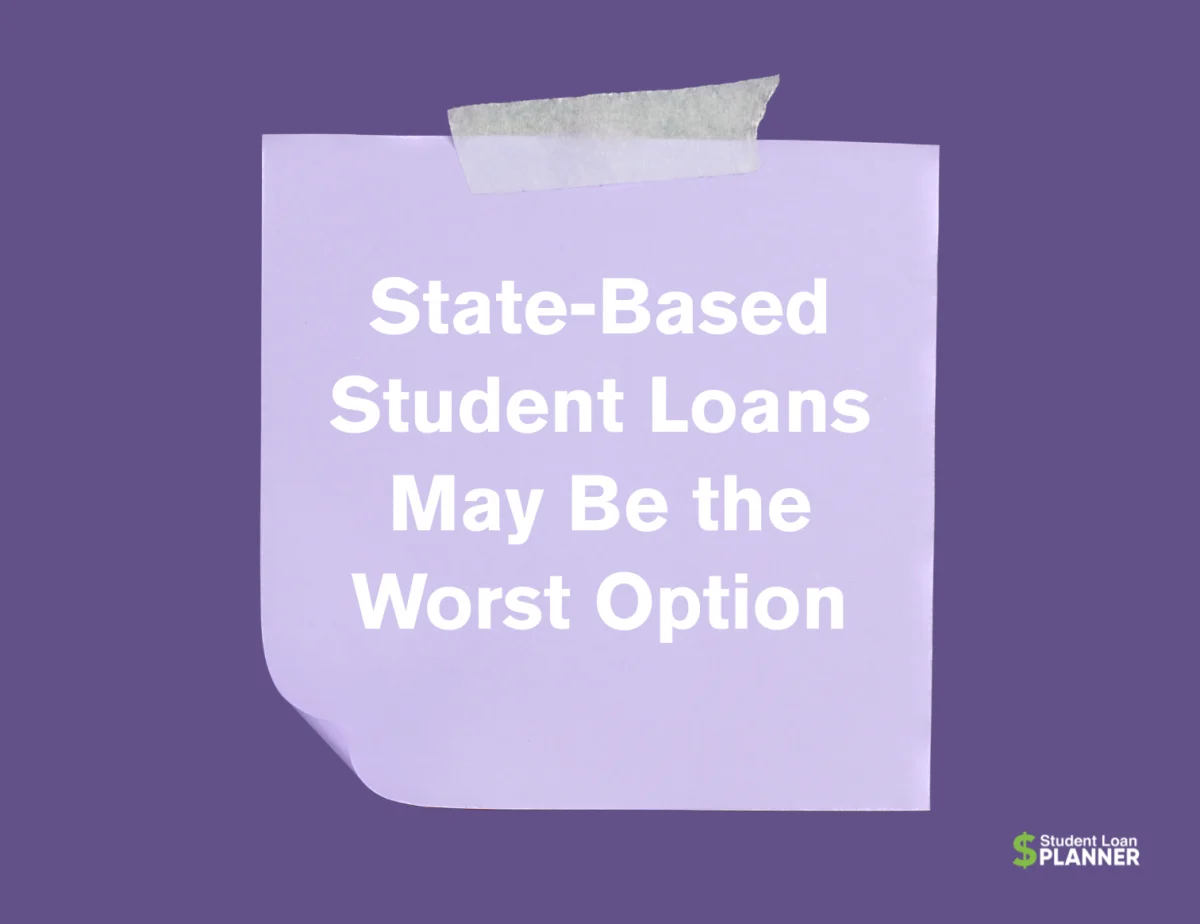
A comprehensive investigative report released in late August by the borrower advocacy organization Protect Borrowers has thrust these quasi-governmental financing options into the spotlight. Titled "The Worst of Both Worlds," the report warns that state-backed student loans combine the harshest, least flexible terms of private commercial lending with the terrifyingly aggressive debt-collection powers typically reserved for governments—all while stripping away the critical consumer protections built into federal student aid.
With the recent passage of federal legislation severely capping traditional borrowing limits, experts warn that state-based student loans are primed for explosive growth, potentially trapping an entirely new generation of vulnerable borrowers in a cycle of inescapable debt.
Chronology of a Crisis: How We Got Here
To understand the current panic surrounding state-based loans, one must trace the timeline of higher education policy shifts and the systemic gaps they have created over the years.
- Pre-2025 Landscape: For decades, the student loan market operated on a relatively clear dichotomy. Federal loans—such as Stafford, Graduate PLUS, and Parent PLUS loans—offered statutory consumer protections, fixed interest rates, income-driven repayment (IDR) plans, and pathways to forgiveness. Meanwhile, private loans offered by commercial banks filled funding gaps but carried variable interest rates, strict repayment terms, and virtually no safety nets. State-based agencies existed quietly in the background, issuing loans in over half of U.S. states, largely operating under the radar.
- Early 2025: Congress passes the sweeping One Big Beautiful Bill Act (OBBBA). Designed to fundamentally reshape federal spending and entitlement programs, the legislation introduces aggressive reforms to higher education funding. The law initiates a complete phase-out of the Graduate PLUS loan program, institutes rigid new borrowing caps on Parent PLUS loans, and tightens limits on undergraduate Stafford loans.
- August 2025: Sensing an impending rush toward alternative financing, the advocacy group Protect Borrowers publishes its landmark report. The investigation exposes the predatory nature of state-backed lenders, noting how they market themselves as benevolent, community-driven alternatives to Wall Street while wielding predatory terms.
- Late 2025 and Beyond: State-based lending authorities, such as the Massachusetts Educational Financing Authority (MEFA), begin publicly positioning themselves to absorb the market demand left dry by federal cuts. Simultaneously, borrower advocates sound the alarm, predicting that millions of families will unknowingly walk into a financial trap.
Supporting Data: The Anatomy of State-Based Loans
The Protect Borrowers report sheds light on a sector that has largely escaped rigorous academic and regulatory scrutiny. According to the investigation, over half of all U.S. states feature some form of state agency, legislature-created nonprofit, or quasi-governmental entity that issues education loans directly to students and their families.
The data compiled in the report underscores a profound mismatch between public perception and commercial reality:
- The Marketing Illusion: State-backed lenders frequently advertise their products as "trusted," "secure," and inherently superior to predatory private loans because they are tied to state institutions.
- The Terms: Despite their public branding, these loans frequently feature high, variable interest rates, strict co-signer requirements, and rigid repayment structures. They completely lack access to federal safety nets such as Public Service Loan Forgiveness (PSLF), federal IDR plans, or loan rehabilitation programs.
- The Collections Arsenal: Unlike traditional private lenders—who must navigate standard judicial constraints to recover defaulted debt—state-backed agencies often possess extraordinary statutory powers. These include administrative wage garnishment, the seizure of state tax refunds, and, in some jurisdictions, the revoking of professional and occupational licenses.
- Legal Immunity: Because these lenders are public or quasi-public entities, they frequently assert doctrines like sovereign immunity. This shields them from standard state and federal consumer protection laws, exempts them from standard statutes of limitations on debt, and makes it remarkably difficult for victimized borrowers to sue them in court.
Official Responses and Industry Reactions
The release of the Protect Borrowers report has triggered a sharp war of words between consumer advocates and state-backed lending authorities, highlighting a fundamental disagreement over transparency and borrower welfare.
The Advocacy Perspective: "The Worst of Both Worlds"
Sophie Laing, a research fellow at Protect Borrowers and the primary author of the investigative report, did not mince words when describing the predatory nature of these programs.
"Too often, state-based programs saddle students and families with loans featuring the worst features of both traditional for-profit private loans and federal loans," Laing stated. "These loans can lack critical rights and protections like the ability to tie your monthly bill to your income, and access pathways for debt relief like Public Service Loan Forgiveness or discharge in the case of death or permanent disability."
Laing further emphasized the uniquely coercive position of state lenders: "State-based lenders wield some of the most aggressive debt collection powers in the industry—similar to those in the federal student loan program—and have been found engaging in abusive practices when borrowers fall behind. State-backed private loans can be the worst of both worlds, and students, families, and policymakers should beware."
The State Lenders’ Perspective: Filling a Necessary Void
Conversely, state-backed lending authorities maintain that they are stepping up to solve a crisis engineered by federal lawmakers, offering a responsible lifeline to students abandoned by Washington.
In a formal statement responding to the OBBBA legislation and subsequent criticisms, the Massachusetts Educational Financing Authority (MEFA) defended its operational model:
"With new restrictions on federal loans, more students and their families are turning to state-based education loan providers, such as MEFA, for reliable, trustworthy, and transparent options for financing their educational goals."
State lenders argue that their profits—unlike those of Wall Street banks—are typically reinvested into local educational initiatives, scholarship programs, or financial literacy workshops, rendering them fundamentally distinct from predatory commercial entities.
Broader Implications: A Dangerous Horizon for Borrowers
The convergence of the OBBBA’s federal spending caps and the unchecked expansion of state-based lending creates a precarious economic forecast for American families.
1. Filling the Federal Funding Gap
As the cost of higher education continues to outpace inflation, the federal government’s decision to restrict Stafford, Graduate PLUS, and Parent PLUS loans leaves a massive financial vacuum. Families faced with a five-figure tuition shortfall cannot simply walk away from their education; instead, they are forced to look elsewhere. Because private commercial lenders have tightening credit requirements, many families will naturally gravitate toward state agencies, comforted by the state seal of approval.
2. The Erosion of Consumer Protections
The steady erosion of federal safety nets means that modern borrowers are increasingly flying without a net. If a borrower loses their job, suffers a medical emergency, or experiences a permanent disability, state-based loans offer virtually none of the mandatory deferment, forbearance, or discharge options historically guaranteed by the federal government.
3. State-Sanctioned Coercion
Perhaps the most chilling implication of the Protect Borrowers report is the weaponization of state power against distressed debtors. When a private lender sues a borrower, they must operate within consumer credit frameworks. When a state-backed agency pursues a default, the machinery of the state—tax bureaus, licensing boards, and judicial systems—can be leveraged simultaneously to crush the borrower financially, threatening their livelihood by stripping away professional credentials and intercepting tax refunds meant for basic survival.
4. Policy Recommendations and the Path Forward
In light of these findings, Protect Borrowers has issued an urgent call to action for state legislatures and lending authorities. The organization is demanding that state-based lenders voluntarily—or via legislative mandate—adopt borrower-friendly reforms:
- Implementing income-sensitive repayment options.
- Expanding hardship forbearances and health-related disability discharges.
- Abandoning predatory collection tactics such as professional license revocation and the seizure of state tax refunds.
However, until states choose to amend the laws governing these quasi-governmental entities, borrowers remain entirely at the mercy of institutions that possess both the profit motive of private lenders and the sovereign immunity of the state.
As families prepare for upcoming academic semesters under the shadow of the OBBBA, the warning from consumer advocates remains clear: read the fine print, look past the government branding, and beware of the deceptive dangers lurking within state-based student loans.