For every homeowner, the American dream of property ownership comes with a silent, relentless partner: home maintenance. While the appeal of decorating and customizing living spaces often takes center stage, the true longevity and safety of a house rely heavily on unglamorous, routine upkeep. Neglecting minor issues—such as a sluggish drain, a flickering light switch, or a slightly warped roof shingle—can lead to a domino effect of structural failures and exorbitant repair bills.
Industry experts recommend budgeting between 1% and 3% of a home’s total market value annually to cover routine tasks and unforeseen emergencies. By adopting a proactive mindset, homeowners can transform erratic, high-stress repair bills into manageable, predictable preventative care. This comprehensive guide breaks down the essential facts, timelines, data points, professional insights, and long-term implications of maintaining a residential property in top-tier condition.
1. Main Facts: The Core Pillars of Home Maintenance
At its core, effective home maintenance is broken down into a series of predictable, recurring responsibilities. These tasks span multiple domestic systems, requiring a balance of DIY (Do-It-Yourself) readiness and professional oversight.
Essential DIY Tasks
Every homeowner should cultivate a baseline set of practical skills to handle minor household issues before they escalate:
Drain Management: Clearing minor clogs using a traditional plunger or a natural chemical reaction of baking soda and vinegar prevents wastewater backups and pipe stress.
HVAC Efficiency: Replacing air filters every 30 days reduces the strain on heating and cooling systems, directly translating to lower monthly utility bills and better indoor air quality.
Cosmetic Repairs: Patching small nail holes or wall abrasions with quick-drying spackle keeps drywall stable and preserves aesthetic value.
Emergency Preparedness: Knowing the exact location of the main water supply shut-off valve is non-negotiable; in the event of a burst pipe, shutting off the water within seconds can prevent thousands of dollars in indoor flooding damage.
Systemic Inspections
Beyond quick fixes, major home infrastructure—namely plumbing, electrical, and HVAC networks—requires systematic evaluations. Catching early warning signs, such as microscopic pipe corrosion, flickering outlets, or strange mechanical hums, saves property owners both time and financial strain. When these systems are maintained properly, they operate at peak energy efficiency, extending their operational lifespans by years.
2. Chronology: The Home Maintenance Calendar
To keep a property in pristine condition, homeowners must organize their tasks chronologically. Establishing a strict schedule ensures that no critical system falls through the cracks.
[MONTHLY] ──> Test Smoke/CO Detectors, Change HVAC Filters
   │
[QUARTERLY] ──> Inspect Plumbing for Leaks, Check Electrical Panels
   │
[BI-ANNUALLY] ──> Clean Gutters & Downspouts (Spring & Fall)
   │
[TRIENNIALLY] ──> Professional Roof Inspection for Shingle Integrity
Monthly Checklists
Safety Devices: Test all smoke and carbon monoxide detectors by pressing the test button. Replace batteries at least once a year.
Air Filters: Check and replace HVAC air filters every 30 days, particularly in households with pets or allergy sufferers.
Quarterly Reviews
Plumbing Checks: Visually inspect all accessible pipes, under-sink areas, and toilet bases for signs of moisture, rust, or slow leaks.
HVAC Assessment: Monitor heating and cooling units for unusual noises, and clear any debris away from outdoor condenser units.
Bi-Annual Maintenance (Spring and Fall)
Gutter Cleaning: Clean gutters and downspouts two to three times a year, with a heavy focus on late autumn after leaves have fallen. This guarantees proper water diversion away from the foundation.
Weatherization: Seal drafty windows and doors, and winterize exterior plumbing lines before freezing temperatures set in.
Multi-Year Milestones
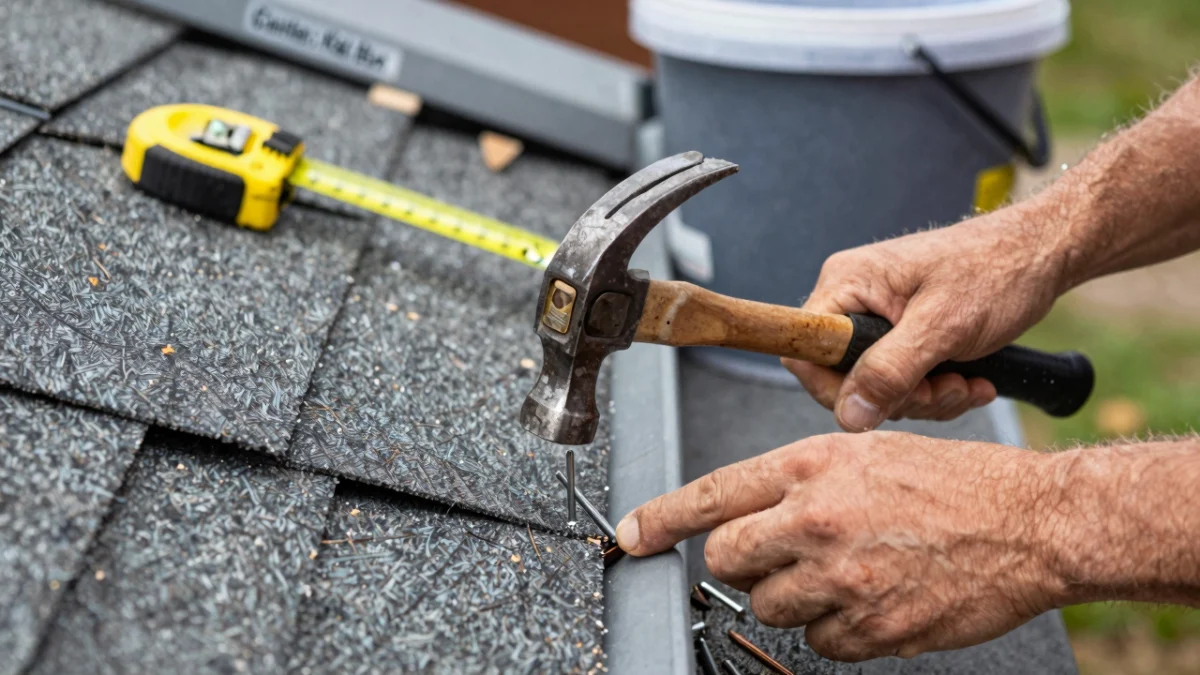
Roof Integrity Audits: Conduct a comprehensive roof inspection every three years—or hire a licensed building maintenance contractor—to catch missing shingles, deteriorated flashing around chimneys, and structural water damage early.
3. Supporting Data and Financial Implications
The financial reality of homeownership is clear: preventative maintenance is drastically cheaper than reactive repair. According to real estate and property management data, ignoring minor issues is the leading cause of premature home devaluation.
Maintenance Area
Neglected Outcome
Average Repair/Replacement Cost
Preventative Cost
Gutters & Drainage
Foundation erosion & basement flooding
$10,000+
$150 – $300 annually
Roof Flashing
Sub-roof rotting and interior ceiling collapse
$3,000 – $7,000
Free (Self-inspection) or minor flashing seal
HVAC Filters
Complete system burnout / high electric bills
$3,500 – $7,000 (New Unit)
$15 – $30 per month
Plumbing Leaks
Mold remediation and structural wood rot
$2,000 – $5,000
Routine valve/gasket checks
Furthermore, homes that boast a documented history of professional maintenance sell significantly faster and command higher market valuations. Buyers and home inspectors view detailed maintenance records as a sign of respect and attentive stewardship, minimizing negotiation friction during real estate transactions.
4. Official Responses and Industry Insights
Real estate professionals, general contractors, and home inspector associations universally advocate for a shift toward subscription-based or scheduled property maintenance models.
The Rise of Preventative Maintenance Services
In recent years, the market has seen an explosion in home maintenance subscription services and local handyman networks. Industry specialists note that homeowners are increasingly overwhelmed by the sheer volume of upkeep required for modern properties.
"When homeowners attempt to handle everything retroactively, they burn out, and their homes suffer," notes a leading residential maintenance contractor. "Investing in a preventative maintenance plan or partnering with licensed handyman services allows individuals to budget accurately while preserving the structural integrity of their investment."
Trade associations emphasize that hiring certified professionals for complex electrical, plumbing, and HVAC tasks also ensures compliance with local building codes, protecting homeowners from liability issues and voided insurance policies.
5. Implications: Safety, Efficiency, and Long-Term Value
The repercussions of establishing a disciplined maintenance routine extend far beyond financial savings.
Enhanced Safety and Peace of Mind
A home should be a sanctuary, free from hidden dangers. Regularly testing smoke alarms, monitoring carbon monoxide detectors, checking electrical wiring, and securing loose handrails directly mitigates the risk of catastrophic domestic accidents. Knowing how to immediately cut off a home’s main water supply or electrical grid provides an invaluable psychological safety net during emergencies.
Environmental Impact and Energy Efficiency
Energy efficiency is deeply intertwined with routine upkeep. Clean HVAC filters, well-sealed windows, and properly insulated roofs require significantly less energy to heat and cool a home. By optimizing these systems, homeowners lower their carbon footprint, conserving natural resources while enjoying drastically reduced monthly utility expenditures.
Preserving Generational Wealth
For many families, a primary residence is their single largest financial asset. Treating a home with the same rigorous care applied to a commercial enterprise ensures that this asset appreciates securely over time. Whether the goal is to pass the home down to future generations or to maximize return on investment upon a future sale, proactive maintenance serves as the ultimate safeguard for generational wealth.
Conclusion
Routine home maintenance is not merely an aesthetic chore list; it is a foundational pillar of secure homeownership. By systematically inspecting plumbing, electrical, and HVAC systems, keeping a vigilant eye on roofs and gutters, mastering basic DIY repairs, and leveraging professional maintenance services when necessary, homeowners can insulate themselves from devastating financial surprises.
Start today by auditing your home’s safety devices, swapping out your HVAC filter, or scheduling that long-overdue roof check. A proactive approach today guarantees a safe, comfortable, and valuable home tomorrow.