








For short-term rental (STR) investors, the summer months represent the "golden quarter." Occupancy rates climb, nightly premiums spike, and calendars fill with long-term bookings that justify the initial acquisition costs. However, this peak season also brings a significant, often overlooked risk: the "water amenity trap."
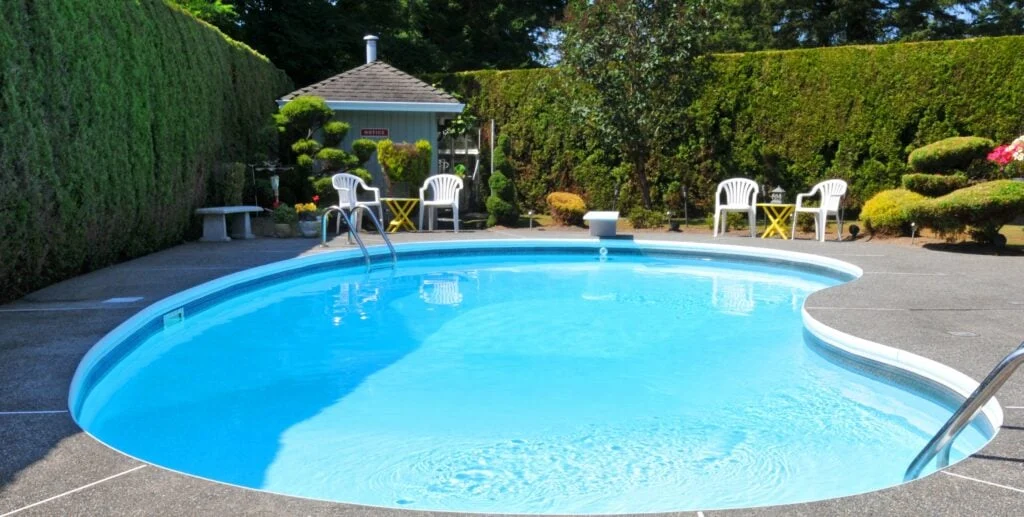
Whether it is a shimmering swimming pool, a bubbling hot tub, or a sleek wet deck, these features are powerful revenue drivers. Yet, they are also potential epicenters for six-figure legal disasters. For the unwary host, these amenities can transform a profitable investment into a catastrophic financial burden faster than a guest can post a negative review.
This article explores the sobering reality of premises liability in the STR sector, the legal implications of the "attractive nuisance" doctrine, and why your standard homeowner’s insurance policy is likely failing to protect your business.
The Data: A Sobering Reality Check
To understand the risk, one must look at the data provided by public health institutions. The Centers for Disease Control and Prevention (CDC) estimates that more than 4,000 fatal unintentional drownings occur annually in the United States. That averages out to 11 lives lost every single day. Furthermore, for every fatal drowning, there are two non-fatal incidents requiring emergency medical intervention, totaling roughly 8,000 cases per year.
For families, the statistics are even more harrowing. Drowning remains the leading cause of death for children ages 1 to 4 and the second-leading cause of unintentional injury for children ages 5 to 14.
Crucially, the vast majority of these incidents do not occur at public water parks or municipal facilities. According to data from Pool Guard USA, approximately 81% of fatal child pool and spa drownings occur in residential settings. When you list your property on platforms like Airbnb or Vrbo, you are essentially operating a private residential water facility that functions like a public amenity. During the peak summer months of May through August, your exposure to these risks increases exponentially as booking frequency reaches its zenith.
The "Hot Tub Fallacy": Why Size Doesn’t Equal Safety
A dangerous misconception among STR hosts is the belief that hot tubs are "safer" than full-sized swimming pools due to their smaller footprint and shallower water. Industry data compiled from the Consumer Product Safety Commission (CPSC) paints a different picture.
More than 300 people die from hot-tub-related accidents annually in the United States. Children under the age of 5 account for nearly 20% of these fatalities. Furthermore, hot tubs present unique hazards that swimming pools do not:
- Slip and Fall Risks: Roughly 50% of hot tub-related injuries are attributed to slips and falls on slick surfaces surrounding the unit.
- Heat Overexposure: Approximately 10% of reported injuries involve heat-related illness, which can be particularly dangerous for vulnerable guests.
- Entrapment Hazards: Mechanical failure or improper maintenance of drain covers can lead to entrapment, where a child’s hair or limb becomes stuck by the suction of the filtration system.
These hazards are not merely "bad luck"—they are specific, actionable liabilities that attorneys target in wrongful death and premises liability lawsuits. If a drain cover has not been inspected, or if a guest has not been properly warned of the water temperature, the host is often found negligent.
The Cost of Negligence: What a Claim Really Looks Like
While there is no singular "average" payout for a drowning at a vacation rental, legal analysts look to broader premises liability and wrongful death trends to determine financial exposure.
In the event of a wrongful death lawsuit, settlements for clear negligence frequently land in the high-six-figure to seven-figure range. A review of nearly 1,000 wrongful death cases revealed a mean settlement of approximately $973,000. In cases involving gross negligence or substantial loss of future earnings, these figures can easily climb into the multi-million-dollar category.
Even "minor" accidents carry significant weight. The average residential slip-and-fall settlement on private property is roughly $105,000. However, if that fall occurs on your property and leads to severe, long-term injury, costs can escalate to $500,000 or more.
For an investor, these costs are often uninsured. Many hosts mistakenly believe their standard homeowner’s policy provides sufficient coverage, unaware that these policies are designed for personal living, not commercial enterprise.
The Insurance Gap: Why Your Policy Is Likely Inadequate
Insurance industry standards classify residential pools as an "attractive nuisance." This legal concept holds property owners responsible for children who may be lured onto the property by the amenity, regardless of whether they were invited.
Standard homeowner’s policies typically include clauses that exclude or strictly limit coverage for business activities. If you are renting your home to strangers on a recurring basis, you are operating a business. If a catastrophic incident occurs and your insurer discovers the property was being used as an STR, they may deny the claim entirely. In the worst-case scenarios, the carrier may cancel the policy or decline to renew it, leaving you personally liable for damages.
To mitigate this, investors must transition to a dedicated short-term rental or commercial landlord policy. Unlike standard homeowner’s insurance, these policies are tailored to the risk profile of an investment property, accounting for the higher turnover of guests, the presence of amenities like pools and hot tubs, and the legal requirements for commercial liability.
Operational Best Practices: A Pre-Season Checklist
Insurance is your final line of defense, but proactive operations are your first. Before the first guest of the summer checks in, operators should ensure the following safety measures are implemented:
- Physical Barriers: Ensure all pools and hot tubs are enclosed by a fence that is at least four feet high, with a self-closing, self-latching gate.
- Clear Signage: Post visible, permanent signs stating the depth of the water, the maximum occupancy, and explicit warnings regarding alcohol consumption and adult supervision for children.
- Regular Inspections: Document all maintenance, particularly regarding drain covers, chemical balances, and lighting around the pool area.
- Anti-Slip Surfaces: Ensure the area immediately surrounding the water has adequate slip-resistant materials, such as non-slip mats or textured decking.
- Emergency Communication: Place a landline or a clearly marked emergency phone near the pool area, and provide a comprehensive, printed safety guide in the guest welcome manual.
Implications for the Future of STR Investing
The short-term rental industry is maturing, and with that maturity comes increased regulatory and legal scrutiny. Amenities like pools and hot tubs remain, without question, the most effective drivers of revenue. Listings featuring hot tubs can see occupancy increases of up to 13%, and they command significantly higher nightly rates than comparable properties.
However, the "premium" earned from these amenities must be reinvested into the property’s safety and insurance profile. Operators who succeed in this space do not view insurance as an overhead cost to be minimized, but as a core component of their business strategy. They understand the specific limitations of their policies, they maintain their physical assets to professional standards, and they communicate risks clearly to their guests.
Conclusion: Don’t Be Caught Exposed
Summer is the most lucrative time for an STR investor, but it is not the time to be reckless with your assets. The gap between your current coverage and a million-dollar liability claim is often much larger than the cost of a comprehensive, STR-specific insurance policy.
Before the peak season hits, take the time to audit your property. Use tools like the BiggerPockets landlord insurance calculator to determine what adequate coverage for your specific property actually costs. Compare your current protection against the reality of your risk.
Your pool or hot tub should be a source of profit and guest satisfaction, not a source of long-term legal and financial ruin. By treating your rental property with the professional rigor it demands, you can ensure that your summer is defined by successful bookings, not legal briefings.
Disclaimer: This article is intended for informational purposes only and does not constitute legal or financial advice. Always consult with a licensed insurance professional or attorney to discuss the specifics of your investment property.