









For many parents, the decision of how to divide an estate is guided by a simple, deeply held principle: fairness. The most common manifestation of this is the "equal split"—dividing assets down the middle among children to avoid accusations of favoritism and maintain domestic peace. It is, on the surface, the path of least resistance. However, estate planning experts and financial psychologists warn that equating "equality" with "fairness" is a dangerous fallacy that can lead to unintended tax burdens, deep-seated resentment, and, in the worst cases, the permanent fracture of family relationships.
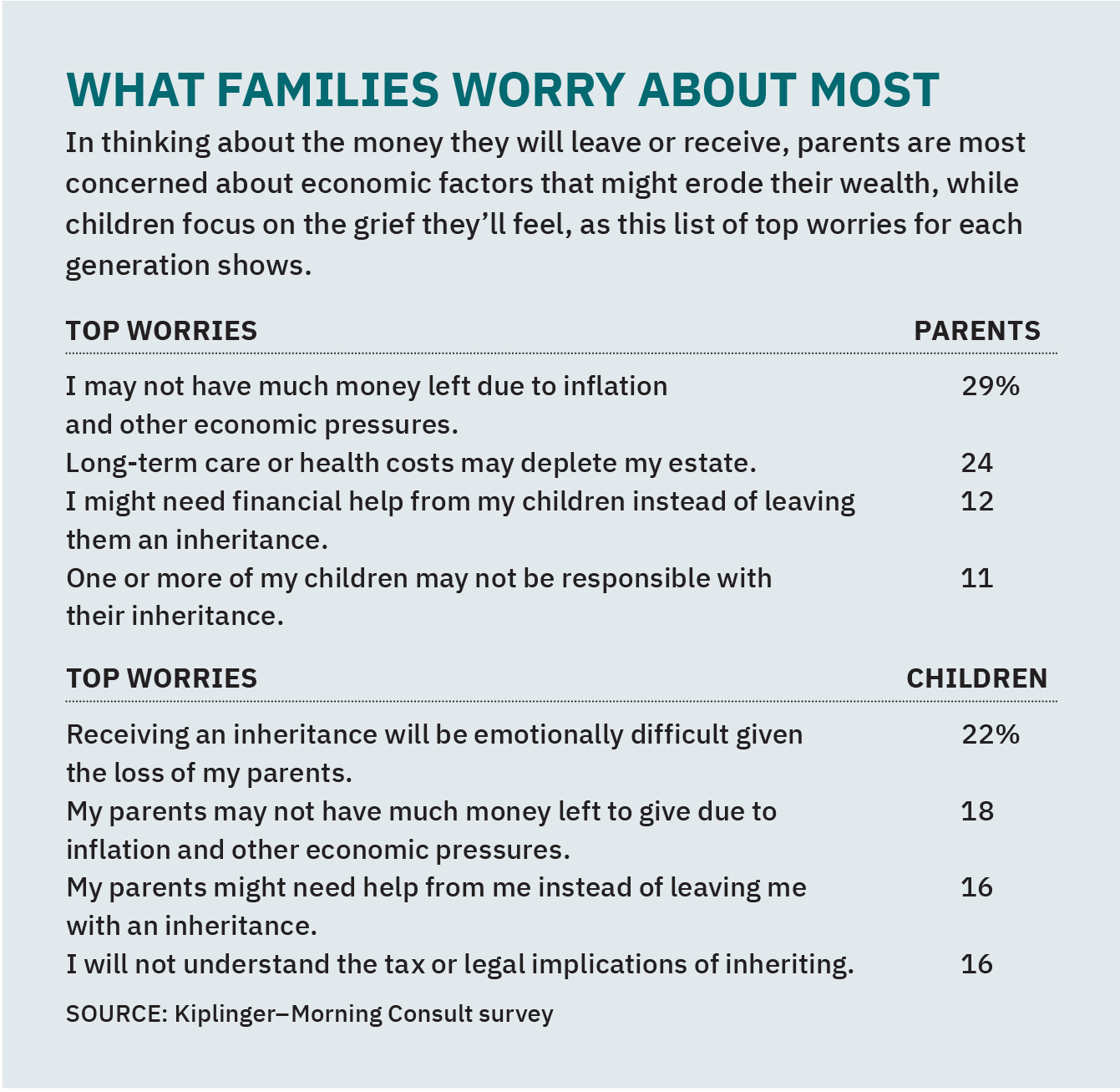
As the United States prepares for the "Great Wealth Transfer"—a projected $100 trillion movement of assets from older generations to younger ones over the next two decades—the stakes have never been higher. Yet, a new Kiplinger-Morning Consult survey highlights a concerning reality: two in five families have never held a formal discussion regarding inheritance, and nearly one-third of parents currently have no estate plan in place.
The Core Conflict: Equality vs. Equity
At the heart of the debate is the distinction between distributing assets equally and distributing them equitably. Ryan Skinner, president of Apex Retirement Services, argues that while equality is the standard starting point, it is not always the most responsible choice.
"Successful children should not be punished for their achievements, and children who have made poor decisions should not automatically be rewarded for their failures," Skinner notes. This perspective suggests that an estate plan should be a reflection of the unique life circumstances of each beneficiary rather than a rigid, mathematical formula.

Phil Reed, an estate and asset protection attorney at Reed Law, PLC, echoes this sentiment. He emphasizes that while the desire for equality is understandable, it often fails to account for the "invisible" contributions of heirs. "When a child has served as a primary caregiver for an aging parent, that child has often sacrificed years of their own career progression and personal time," Reed explains. "Simply splitting an estate down the middle ignores that sacrifice. Similarly, if one child has been instrumental in the growth of a family business, an equal split may force a sale that destroys the livelihood of the very child who sustained the company."
A Chronology of Inheritance: From Planning to Probate
The lifecycle of an estate plan often begins with the assumption that things will "work themselves out." However, the lack of a structured, communicated plan often leads to a predictable, often painful, chronology of events:
- The Silent Years: Parents avoid discussing their finances or wishes with their children, often out of a desire for privacy or a fear of creating conflict.
- The "Lived Experience" Gap: Throughout their lives, parents may provide disparate levels of support to their children—covering college tuition for one, a house down payment for another, or medical bills for a third. Without a "hotchpot clause"—a legal mechanism that accounts for lifetime gifts during the final distribution—these inequalities remain unaddressed.
- The Trigger Event: Upon the death of the parents, the estate plan (or lack thereof) is revealed. If the distribution is strictly equal but ignores past support, the "neglected" child often feels a sense of rejection.
- The Legal Struggle: In the absence of clear communication, the perception of unfairness can lead to expensive, emotionally draining litigation.
- The Final Accounting: If the estate is intestate—meaning there is no valid will—state laws dictate distribution. This rarely aligns with the parents’ actual wishes and can result in assets being divided in ways that trigger unnecessary tax events or force the liquidation of family homes.
Supporting Data: The Disconnect in Expectations
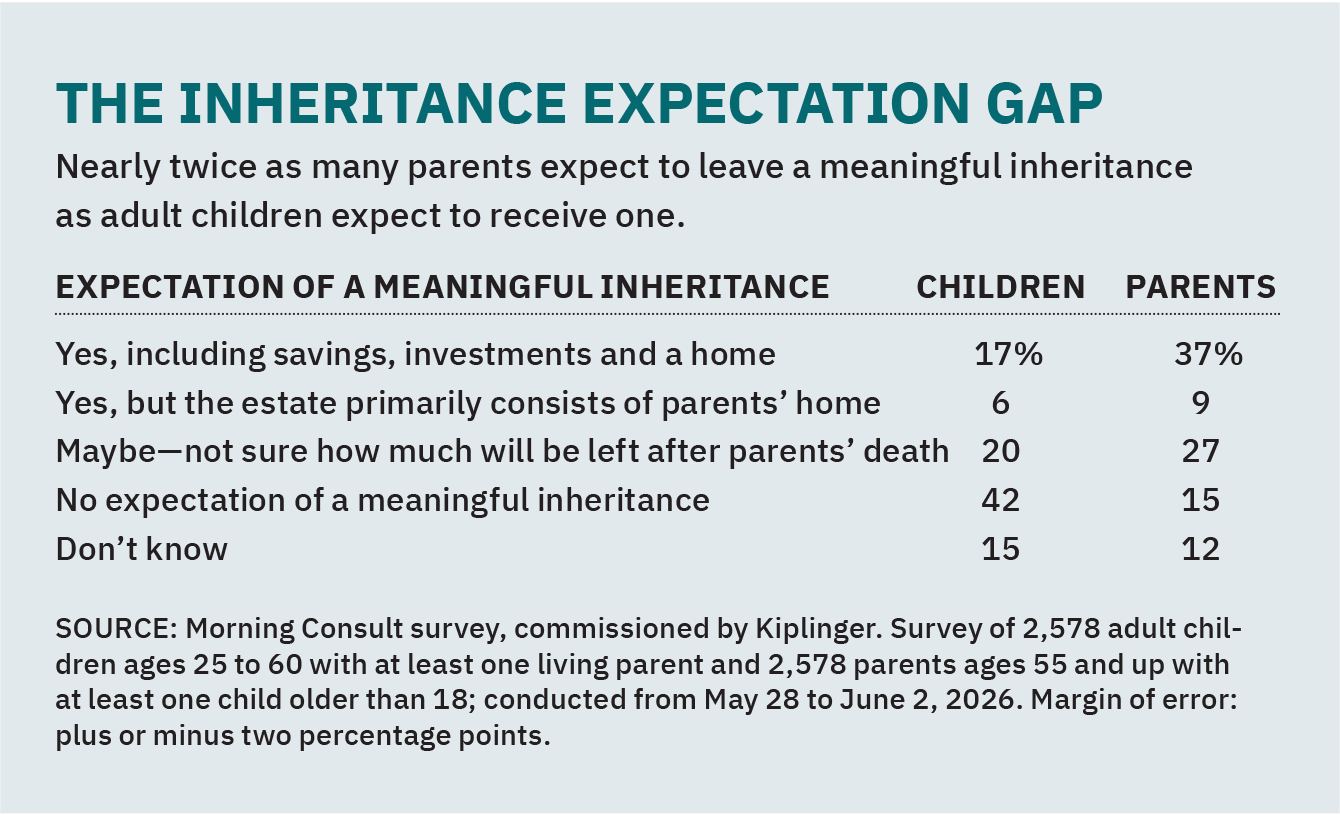
The Kiplinger-Morning Consult survey reveals a significant "expectation gap" between generations. While 70% of adult children and 67% of parents feel "ready" to manage an inheritance, their definitions of what is "fair" diverge sharply.
- The Preference for Fairness: The survey found that children are 21 percentage points more likely to favor "fairness" (accounting for individual needs) over "equality" (pure mathematical splitting) than their parents.
- The Communication Void: A significant portion of families are walking into the Great Wealth Transfer completely blind. Without open dialogues, children are left to guess their parents’ intentions, leading to assumptions that the parents "loved the other sibling more."
- Asset Complexity: Many families fail to realize that even if a total dollar amount is split equally, the after-tax value of that inheritance varies wildly depending on whether the child receives cash, a retirement account (taxable), or a life insurance payout (often tax-free).
Official Responses and Professional Perspectives
Financial experts argue that the modern estate plan must be a "customized toolkit." Brian Gately, managing partner at Anchyra Partners, suggests that the goal of an estate plan should be to support each child in their specific "calling."
"By using modern trust structures, you can ensure that your less financially-inclined children are protected with spendthrift provisions, while your public-service-minded children are supported in their career choices," Gately says. "This is not about favoritism; it is about stewardship."
Legal experts like Phil Reed advocate for the use of a "Letter of Intent." This document is not legally binding in the same way as a will, but it is an invaluable tool for explaining the "why" behind the "what." A letter of intent allows parents to articulate their reasoning—for example, "I am leaving more to Child A because they acted as my primary caregiver for five years"—which can significantly reduce the likelihood of family members feeling slighted.
Implications: Building a Legacy of Harmony
The implications of failing to communicate an estate plan extend far beyond the bank balance. When inheritance is viewed as a substitute for parental love, an "equal" plan that fails to account for life circumstances can feel like a final, cold rejection.
1. The Danger of "Poison"
As Warren Buffett and Charlie Munger have noted, treating heirs unequally without explanation can be "poison" to a family unit. However, the converse—ignoring reality in favor of a lazy "equal split"—can be just as destructive. When siblings feel the division is fundamentally unfair, the resulting lawsuits are rarely about the money; they are about the perceived history of the family.
2. The Burden of Illiquid Assets
The family home or a family business are common sources of conflict. If children inherit these assets as "tenants in common," they are forced to make decisions together. If one wants to sell and the other wants to hold, the resulting deadlock can last for years, with the property falling into disrepair while property taxes and maintenance costs accrue. Proper entity structuring—such as creating a Limited Liability Company (LLC) or a trust to govern these assets—is essential to prevent this.
3. The Need for Proactive Governance
Professional trustees can play a vital role in high-conflict or high-net-worth scenarios. By acting as a neutral third party, a professional trustee can enforce the terms of a trust without the emotional baggage that accompanies a sibling acting as executor.
Conclusion: The Path Forward
The "Great Wealth Transfer" represents a massive opportunity to provide security for the next generation, but it also represents a massive risk to family unity. To navigate this, parents must move beyond the simplicity of "fair equals equal."
The most effective approach involves three pillars:
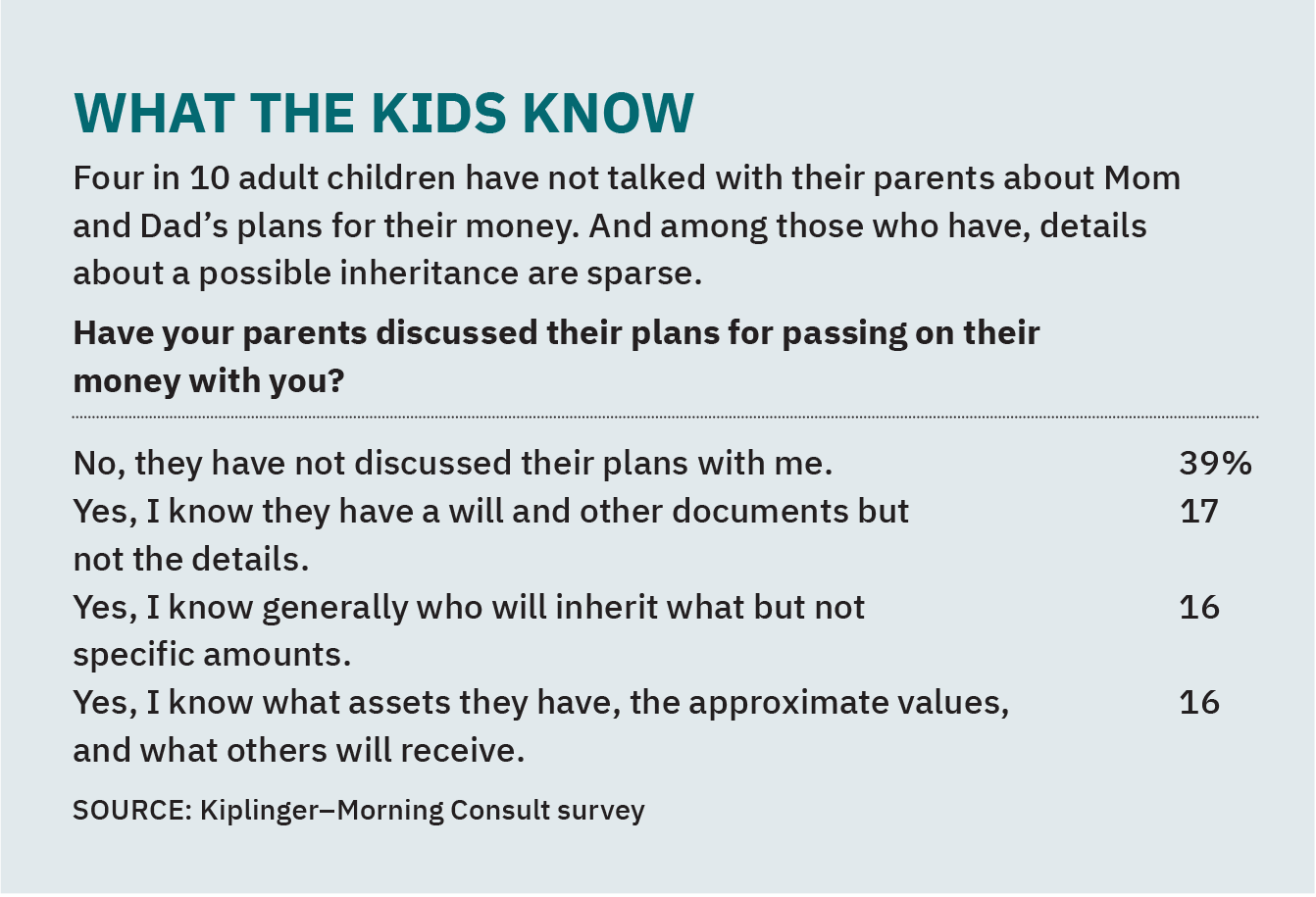
- Transparency: Discuss the estate plan while you are alive. Explain the reasoning behind your choices.
- Customization: Use legal tools like trusts, spendthrift clauses, and letters of intent to address the specific needs and past contributions of each child.
- Professional Guidance: Work with an attorney who specializes in estate planning to ensure that your plans are not just emotionally sound, but also tax-efficient and legally robust.
Ultimately, an inheritance is more than just money; it is the final message a parent leaves to their children. By choosing intentional, equitable planning over the hollow comfort of simple equality, families can ensure that their legacy is one of support and unity rather than resentment and division.