









“My goal is not to buy one property. My goal is to build a machine that continuously funds future acquisitions.”
For most aspiring real estate investors, the journey begins in the "audience." They spend months, or even years, lurking on forums, listening to podcasts, and consuming endless hours of YouTube content. They analyze deals, calculate potential returns, and dream of financial freedom. Yet, the vast majority remain paralyzed by the gap between theory and execution.
Osama, a Detroit-based investor, was once one of those spectators. Today, he manages a portfolio of nearly 30 units, all accumulated in just over a year. His secret isn’t a secret at all—it’s a shift in perspective. By moving away from vanity metrics like high After-Repair Value (ARV) and focusing exclusively on the mechanics of the BRRRR (Buy, Rehab, Rent, Refinance, Repeat) method, he has turned real estate into a scalable engine for wealth.
The Catalyst: From Spectator to Operator
Osama’s origin story is rooted in a simple, frustrated realization: "There was no amount of podcasts, books, YouTube videos, or courses that could replace taking action."
Despite having an impressive academic background and a resume that signaled high capability, Osama found himself stagnant. He realized that the gap between his peers—who were already closing deals—and himself wasn’t intelligence or capital; it was the willingness to step into the arena.
"The difference was they started, and I didn’t," he admits. By partnering with Julia, a specialist from the FIRE Realty Team in Detroit, Osama began to treat his real estate journey not as a hobby, but as a business venture. He adopted a narrow "buy box": single-family homes in stable Detroit neighborhoods priced at $120,000 or less. The goal was simple: buy cheap, renovate, secure high-quality tenants, and—most importantly—ensure the refinance would return enough capital to fund the next deal.
Chronology of a Decision: The Three-House Dilemma
To understand how Osama scales, one must look at his decision-making process. Recently, he was faced with three potential acquisitions. On paper, the comparison seemed straightforward, but Osama has learned that "paper" is often a mirage.

The Contenders
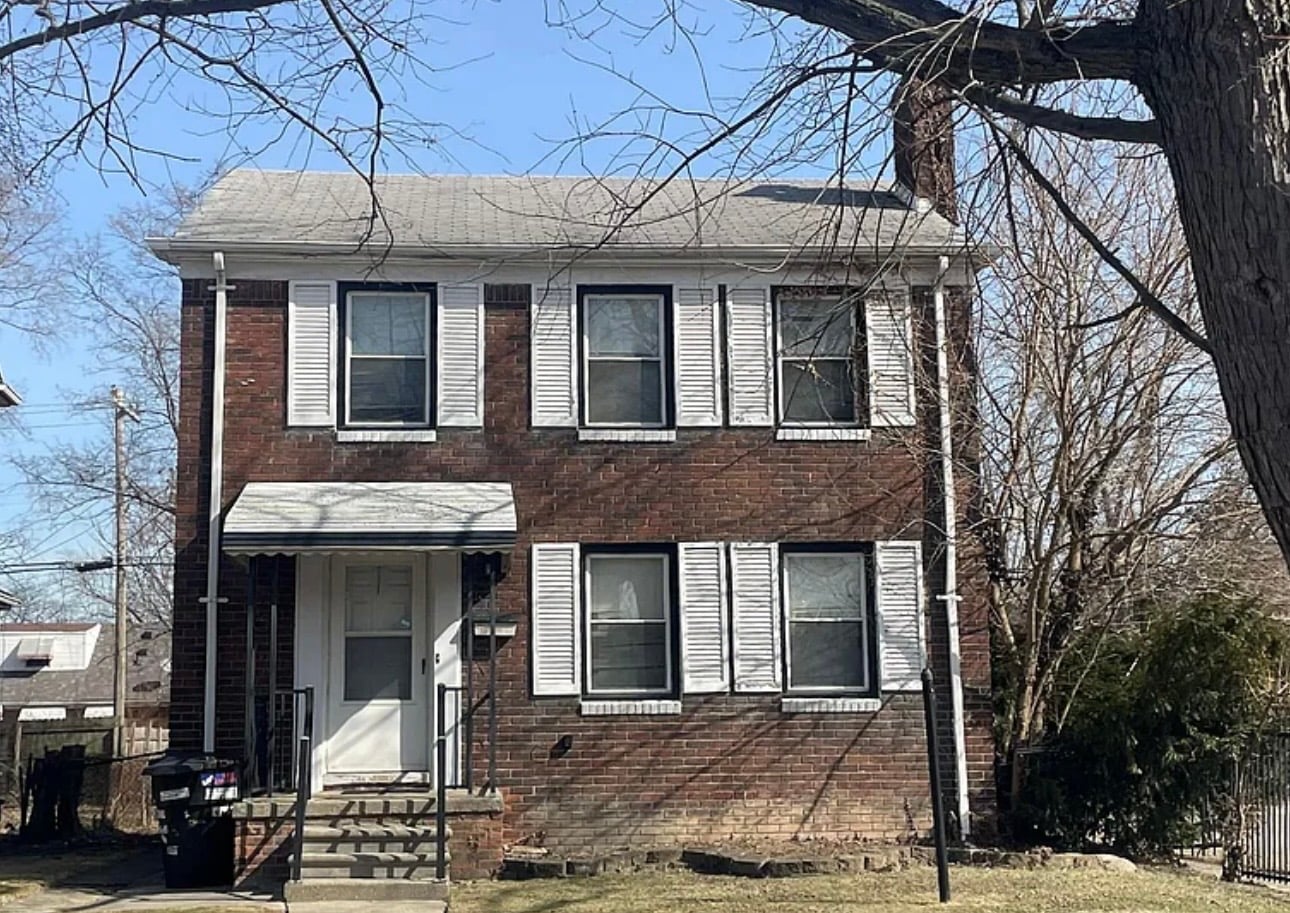
- Option 1: The East-Side Colonial. A 1,600-square-foot home in the Morningside neighborhood. With an ARV of $200,000 and a list price of $90,000, it looked like a classic home run. However, the rental yield was tepid, and previous experiences with "furnace theft" in the area raised concerns about long-term maintenance costs.
- Option 2: The Morningside Twin. Another colonial, this one 1,500 square feet, listed at $80,000 with a similar $200,000 ARV. While cheaper, the refinance potential was lackluster. It was a good deal, but it failed to move the needle on his "capital recycling" goal.
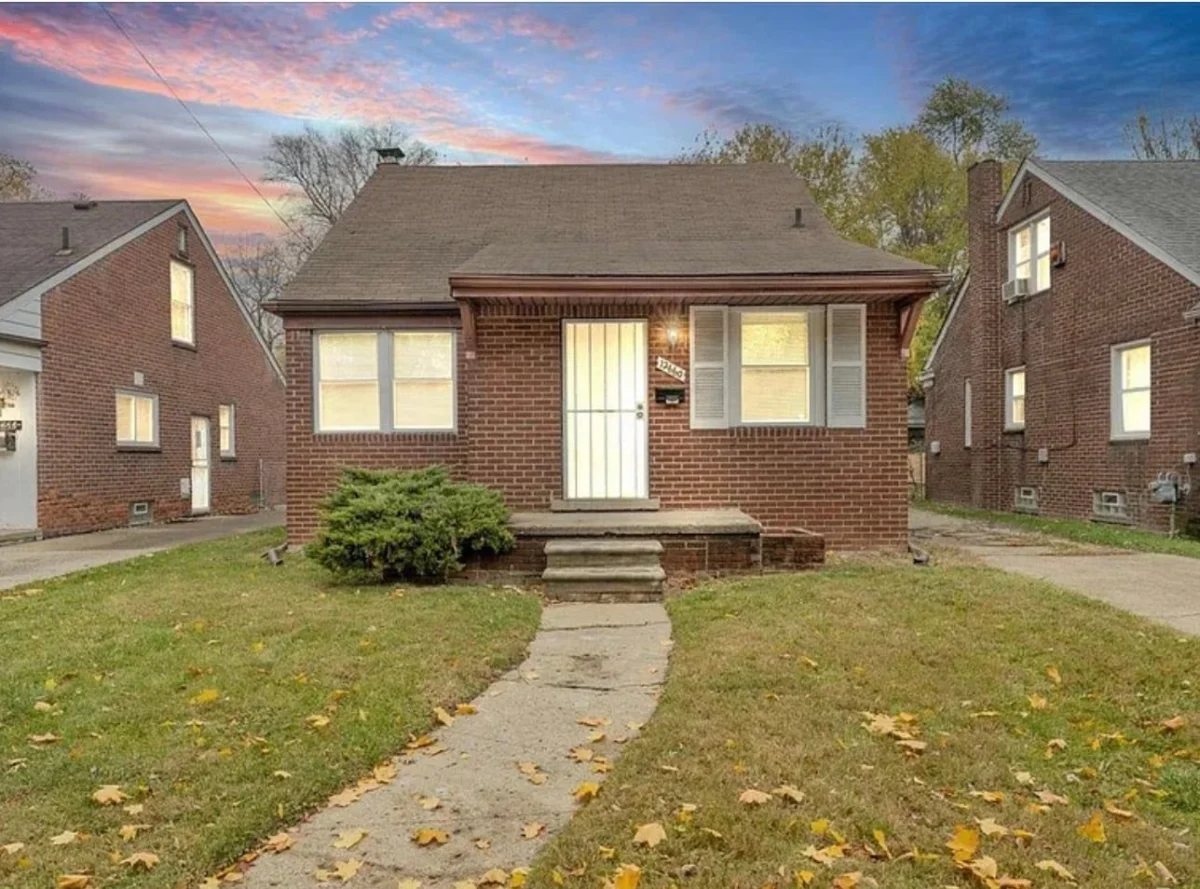
- Option 3: The West-Side Bungalow. A 1,300-square-foot property listed at $105,000. On paper, it was the weakest of the bunch, with an ARV of only $145,000. However, the west-side market offered significantly stronger rental demand, which is the lifeblood of a successful BRRRR strategy.
Supporting Data: Why Cash Flow Trumps ARV
Many investors fall into the trap of "Equity Blindness." They fixate on the difference between their all-in cost and the appraised value. While this creates a high net worth on a balance sheet, it does little for an investor looking to scale.
"ARV alone does not pay the bills," Osama explains. "Equity you cannot pull back out is just a number you quote at parties."
Osama’s logic is rooted in the mathematics of velocity. If a property appraises for $200,000 but only rents for a low amount, a bank will limit the cash-out refinance to a percentage of that lower rent-based value. Conversely, if a property appraises for $145,000 but generates robust cash flow, the bank is more likely to provide a favorable refinance, allowing the investor to pull back their initial capital.
In the case of the west-side bungalow, Osama identified that the "weak" ARV was a distraction. He negotiated the seller down from $105,000 to $80,000. This $25,000 price cut shifted his basis significantly, turning a "weak" deal into a high-velocity machine.
Official Perspective: The Strategic Risk-Taker
Julia, Osama’s agent, provides an expert’s insight into why he succeeds where others fail. "I would call Osama a strategic risk-taker," she says. "A lot of investors never get skin in the game because they are too paralyzed by the risk and work involved. The most successful real estate investors are the ones in the arena rolling with the punches."
Julia emphasizes that the market is currently rewarding those who look past the obvious, vanity-driven listings. The "pretty" houses with the high ARVs often come with hidden costs or neighborhood dynamics that don’t appear in a Zillow search. By focusing on rental demand and refinance potential, Osama is effectively hedging against market volatility.
Implications for the Modern Investor
The implications of Osama’s approach are profound for anyone looking to enter the market or break out of a "one-and-done" cycle.
1. Re-evaluating the "Good Deal"
Investors must stop asking, "Is this a good house?" and start asking, "Is this a good machine?" If a property doesn’t allow for a capital-neutral refinance, it is an asset that ties up your liquidity, effectively ending your ability to grow.
2. The Power of Negotiation
Osama’s decision to move on the west-side bungalow was predicated on his ability to negotiate the price down to $80,000. Had he paid the asking price, the deal might have been mediocre. By mastering the art of the offer, he created his own margin of safety.
3. The Psychology of Scaling
Building a 30-unit portfolio in a year is not just a feat of finance; it is a feat of psychology. It requires the discipline to walk away from "flashy" deals that don’t fit the model and the courage to commit to "ugly" deals that mathematically secure the future.
Conclusion: Building the Machine
Osama’s journey serves as a blueprint for the modern, efficiency-minded investor. He does not buy properties to collect trophies; he buys them to generate the cash flow necessary to fuel the next acquisition.
Every time he successfully completes a BRRRR, he isn’t just adding a unit to his portfolio—he is securing the down payment for his next investment. This compounding effect is what differentiates the hobbyist from the mogul.
If you are currently sitting on the sidelines, waiting for the "perfect" deal with the highest ARV, consider the lesson from Detroit: The best deal isn’t the one that looks best on paper; it’s the one that puts the most cash back in your pocket to start the cycle all over again. As Osama puts it, "I do not buy properties to say I own them. I buy properties to create profit, generate cash flow, and build momentum."
In a world where many investors are paralyzed by analysis, the true competitive advantage is the ability to run the numbers, trust the process, and—most importantly—take the first step. The machine is waiting to be built; the only question is whether you are ready to start.