







In a chilling demonstration of the vulnerabilities inherent in modern digital identity verification, a sophisticated dark web service known as "Nexus" recently surfaced, offering for sale high-resolution digital scans of more than 153 million driver’s licenses. The breach, which includes sensitive personal identification from residents across the United States and Canada, has triggered an urgent federal investigation and ignited a firestorm regarding the systemic risks posed by third-party identity aggregators.
The scale of the data set is staggering. Beyond the 153 million driver’s licenses, the repository reportedly contains millions of international travel documents, state-issued identification cards, and even medical marijuana dispensary credentials. For millions of citizens, the compromise is absolute: the data includes not just basic demographic information, but infrared and ultraviolet scans of official government documents—the very "gold standard" images used by banks, law enforcement, and border agencies to verify human identity.
The Chronology of a Digital Heist
The discovery began on August 31, when a source alerted investigative security researchers to a new user on "Exploit," a notorious Russian-language cybercrime forum. The threat actor, operating under the brand "Nexus," had established a searchable database that allowed potential buyers to preview redacted versions of identity documents before purchase.
The service appeared to be a professional-grade operation. In its initial launch thread, the proprietor offered a "free sample" of the researcher’s own Virginia driver’s license. A forensic analysis of the record revealed six distinct image files: standard front-and-back scans, as well as specialized infrared and ultraviolet captures. These images, complete with precise date and time stamps, painted a clear picture of how the data was harvested.

By early September, the situation escalated. As researchers and privacy advocates began verifying the integrity of the data, they discovered that high-ranking U.S. government officials, including U.S. Defense Secretary Pete Hegseth, had their personal identification documents listed for sale. By September 2, the FBI’s New Orleans field office had formally launched a probe into the source of the leak, prompted by evidence that the breach originated from a Louisiana-based identity verification provider, IDScan.net. Shortly after the public disclosure of the breach, the Nexus portal abruptly went offline, leaving behind a laconic message: "This service is no longer available."
Tracing the Source: The "Hertz-Dispensary" Connection
To understand how 153 million records were exfiltrated, investigators engaged in a crowdsourced analysis of the timestamps embedded in the stolen files. By matching the metadata on the stolen licenses with the real-world activities of the victims, a pattern emerged.
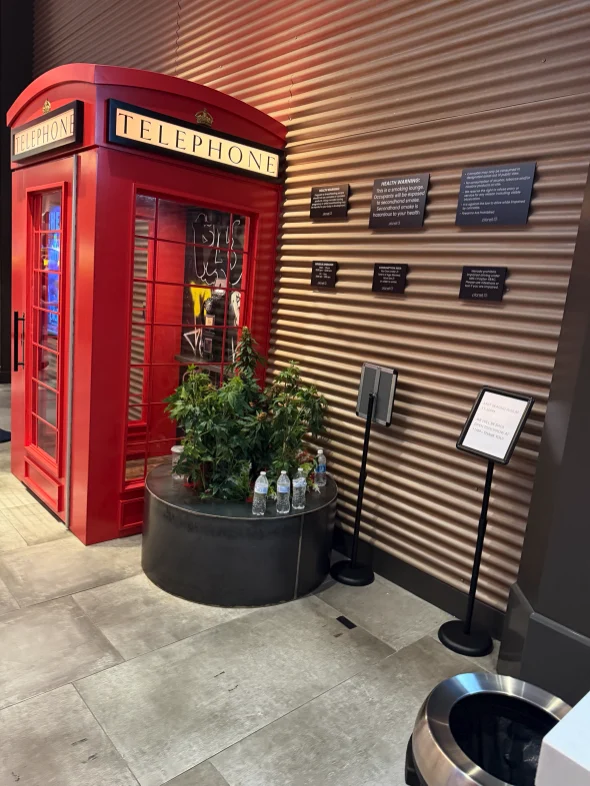
Researchers found that individuals whose licenses appeared in the Nexus database had one common experience: they had recently presented their identification to be scanned at specific commercial locations. The most prominent links were found with major rental car companies like Hertz and high-traffic marijuana dispensaries, such as the Planet13 chain in Las Vegas.
IDScan.net, the company identified as the likely source of the breach, provides the technology that powers these identity checks. Their "VeriScan" software is designed to perform instantaneous authentication, scanning IDs with advanced light spectrums to prevent forgery. According to the company’s own promotional materials, their systems process over 21 million verifications every month at more than 20,000 locations worldwide.

The investigation suggests that the breach was not a singular event but a continuous, long-term exfiltration. "We have been continuously exfiltrating new data for over a year into our private database," the threat actors boasted on the Exploit forum. The efficacy of their operation was evidenced by the rapid growth of the database; in a single 24-hour period, the service added nearly 400,000 new, freshly harvested records.
Supporting Data and Technical Scope
The technical footprint of the Nexus database suggests a high level of sophistication. The inclusion of "source" tags in the metadata—such as "CDL" (Commercial Driver’s License) and "CAC" (Common Access Card)—indicates that the stolen data originated from a centralized repository rather than a fragmented set of local breaches.
The sheer volume of records confirms the legitimacy of the threat. A blank search of the Nexus portal yielded approximately 11.5 million pages of results, with 15 records per page. While the majority of the data pertains to American citizens, the breach also impacted over a million Canadian residents, with a significant concentration in Ontario.
The inclusion of "CAC" cards is particularly alarming. Common Access Cards are used to grant physical and digital access to the most secure U.S. government facilities. If these cards were processed through the same compromised infrastructure, it implies that the security of federal buildings may have been indirectly undermined by a private sector vendor’s failure to secure its data pipelines.

Official Responses and Corporate Accountability
As the news broke, the response from the implicated entities was swift but shrouded in damage control. IDScan.net eventually acknowledged the incident, stating that an "unauthorized third party may have accessed and/or copied certain customer information." The company began the process of notifying affected individuals and offering credit protection services, though critics argue that credit monitoring is insufficient when the stolen data includes biometric-adjacent images that can be used to bypass advanced identity verification systems.
Other companies linked to IDScan.net moved to distance themselves. A spokesperson for Caesars Entertainment, which was listed as a partner on the IDScan.net website, issued a clarification stating that the company had not used VeriScan services since February 2025 and had not authorized the retention of their customer data by the vendor. This statement highlights a growing concern in the cybersecurity industry: the "data retention" problem. Even when companies cease using a vendor, their customers’ sensitive data often remains in the vendor’s possession, vulnerable to future breaches.
Broader Implications: The Crisis of "Identity Bloat"
The Nexus breach is not merely a story about a single company; it is an indictment of the modern digital economy’s obsession with "identity bloat." In the name of security, compliance, and age verification, corporations are demanding the collection of high-resolution, government-issued identification for services that previously required nothing more than a credit card or a simple visual check.
The Erosion of Privacy
Security researcher Zach Edwards, who discovered his own license for sale on the site, argues that this episode should serve as a wake-up call. "These systems are putting sensitive data into more and more third-party vendors, and we don’t have nearly the oversight to ensure they are safe," Edwards noted. The requirement to present a driver’s license to enter a store or rent a vehicle creates a honey pot for hackers—a centralized database that is worth billions to the right buyer on the dark web.

The Threat to Vulnerable Populations
The implications for personal safety are profound. Larry Baldwin, a principal intelligence researcher at Cybera, points out that while the average consumer faces the risk of credit fraud, the risks for others are life-threatening. Individuals fleeing domestic violence or those in witness protection programs rely on the integrity of their documentation. When an AI-based identity verification system is compromised, those who cannot "change their appearance" to fool modern scanners find themselves uniquely exposed.
A Call for Regulatory Reform
The Nexus incident highlights the disconnect between the rapid adoption of biometric and digital ID scanning technologies and the slow, often non-existent, regulatory oversight of the companies that aggregate this data. As the FBI continues its inquiry, the question remains: How many more "major identity verification companies" are currently serving as unintentional data brokers for the world’s most sophisticated cybercriminal syndicates?
Until legislators mandate strict data minimization policies—requiring companies to delete sensitive scans immediately after verification—the Nexus breach will likely be remembered as a precursor to even larger, more devastating compromises of the fundamental digital identities of North American citizens. The era of "trust but verify" has been replaced by a reality where the very tools used to prove who we are have become the instruments of our digital undoing.