








In an era where the retail landscape is defined by rapid digital transformation and shifting consumer expectations, the traditional storefront must evolve into a dynamic, data-responsive environment. Achieving consistent sales growth is no longer just about inventory; it is about orchestrating a symphony of customer insights, strategic staffing, and technological integration. For the modern retail owner, the path to profitability requires a transition from reactive management to proactive, data-driven excellence.
Main Facts: The Pillars of Retail Success
The core of a high-performing retail business rests on four fundamental pillars: customer intelligence, in-store optimization, financial incentives, and employee engagement.

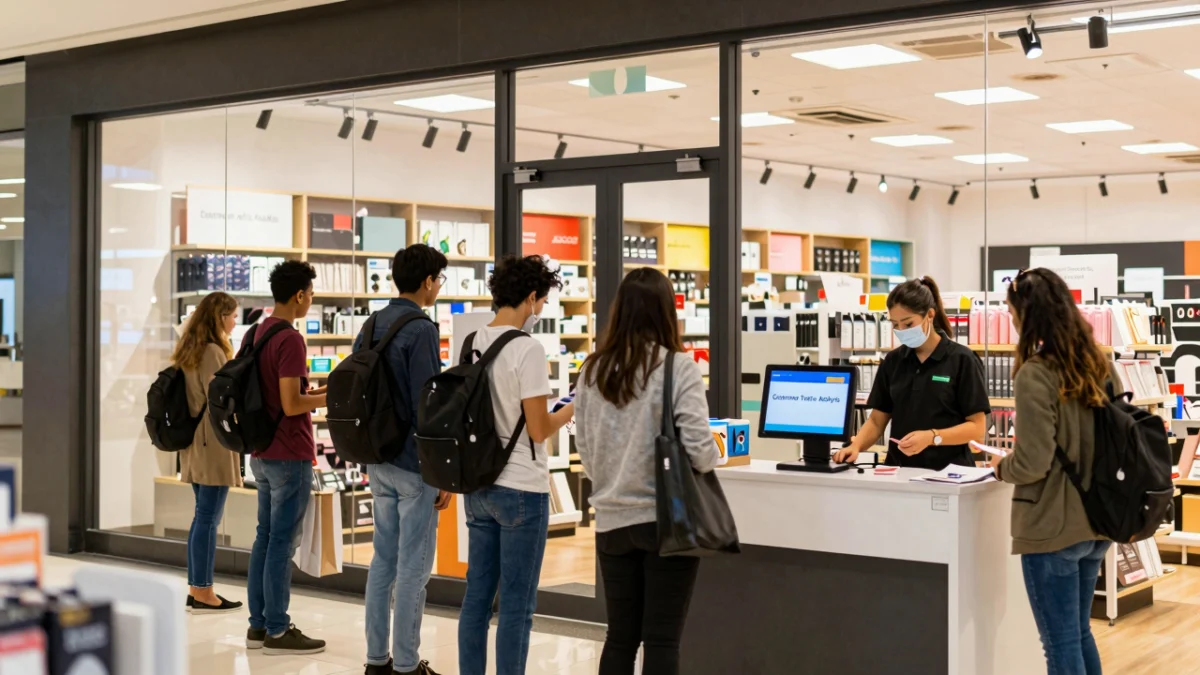
Recent industry analysis confirms that retailers who leverage Point-of-Sale (POS) data to understand purchasing patterns outperform their competitors by a significant margin. By segmenting customers—not just by demographics, but by behavioral habits—businesses can craft personalized marketing campaigns that convert browsers into buyers. Furthermore, the physical environment remains a critical touchpoint. Strategic product placement, combined with a frictionless checkout process, remains the most reliable method for capturing impulse sales and maximizing the Average Transaction Value (ATV).
Chronology of Retail Transformation
The evolution of the modern retail strategy has unfolded in three distinct phases over the last decade:

- The Digitization Phase (2015–2019): Retailers began integrating basic POS systems to track inventory and sales, moving away from manual ledger management.
- The Customer-Centric Pivot (2020–2023): Faced with the challenges of global supply chain disruptions and shifting shopping habits, businesses shifted focus toward personalized loyalty programs and omnichannel communication.
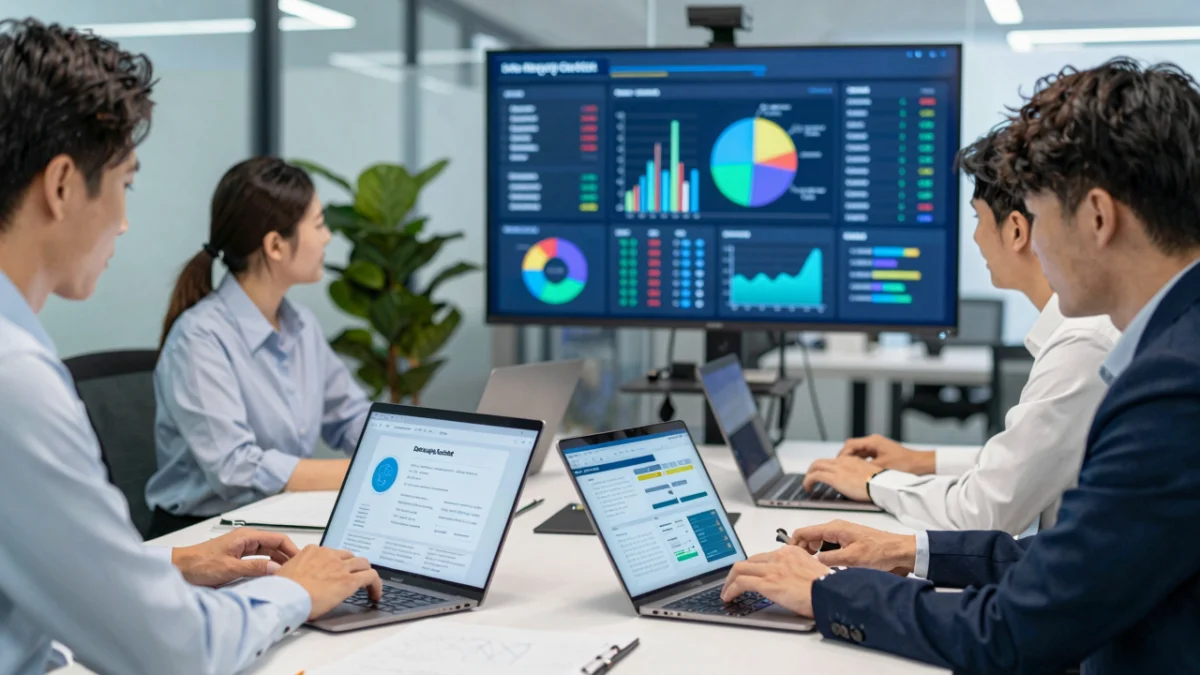
- The Real-Time Intelligence Era (2024–Present): Today, successful retailers utilize real-time analytics dashboards. Decision-making is no longer based on monthly reports but on live data feeds that allow for instant adjustments to staffing, pricing, and promotional displays.
Supporting Data and Market Analysis
The necessity of this strategic shift is backed by compelling industry data. Statistics show that when retailers utilize "gap checks" to maintain stock levels of high-demand items, they reduce lost sales by an average of 15%. Furthermore, the implementation of structured recognition programs for staff has been shown to increase productivity by 14% and customer satisfaction by 12%.
Perhaps most telling is the shift in consumer sentiment regarding loyalty. With 62% of Americans expressing that they rarely feel rewarded for their brand loyalty, there is a massive opportunity for businesses that implement meaningful cash-back incentives and exclusive, invitation-only events. Additionally, 71% of consumers prioritize long-term savings over speed of service, suggesting that clearance events and value-based promotions are more effective than ever for driving foot traffic.

Official Industry Perspectives: The Human Element
While technology provides the roadmap, retail experts emphasize that the "human element" remains the primary driver of brand differentiation. Training staff to move beyond simple transaction processing—and into the realm of consultative selling—is essential.
Industry leaders suggest that empowerment programs that allow staff to suggest relevant product add-ons at checkout can increase total transaction size by nearly 20%. When employees are treated as stakeholders—through peer recognition and collaborative goal setting—turnover rates drop, and the quality of the in-store experience rises. As one retail analyst noted, "Technology provides the data, but the sales associate provides the emotional connection that cements a customer’s decision to return."

Implications for the Future of Retail
The implications of these findings are clear: the "one-size-fits-all" retail model is dead. The future belongs to businesses that can integrate three specific areas of operation:
1. Data-Driven Personalization
Retailers must move beyond generic mass-market advertising. By leveraging buyer personas derived from POS data, businesses can deliver hyper-targeted promotions. If a customer consistently purchases high-end footwear, they should receive exclusive offers on related accessories, not generic coupons for unrelated departments.

2. Operational Agility
The ability to pivot is now a core competency. Real-time metrics allow managers to identify when a particular display is underperforming or when the checkout queue is exceeding acceptable wait times. By aligning staffing schedules with these specific traffic patterns, businesses minimize overhead costs while maximizing conversion rates during peak hours.
3. The Experience Economy
The modern store is a stage. Immersive displays that allow customers to visualize products in their own lives create a "sticky" environment that encourages longer dwell times. Retailers who successfully merge the physical and the experiential—through workshops, community events, and interactive product demonstrations—are the ones building the most resilient brands.

Strategic Implementation: A Roadmap for Growth
Optimizing the In-Store Experience
Visibility is the silent salesman. By placing high-margin items at eye level and utilizing endcaps for bestsellers, retailers create a "path of least resistance" for the consumer. Furthermore, visible queue management—such as clearly marked lines or the deployment of staff to self-checkout kiosks during rushes—prevents the "abandonment fatigue" that occurs when customers perceive a checkout process to be too cumbersome.
Leveraging Cash-Back and Incentives
Cash-back programs are not merely discounts; they are acquisition tools. By utilizing social media to promote limited-time cash-back offers during off-peak hours, a store can effectively "level out" its revenue stream, turning slow Tuesday afternoons into productive sales periods.

The Power of Technology
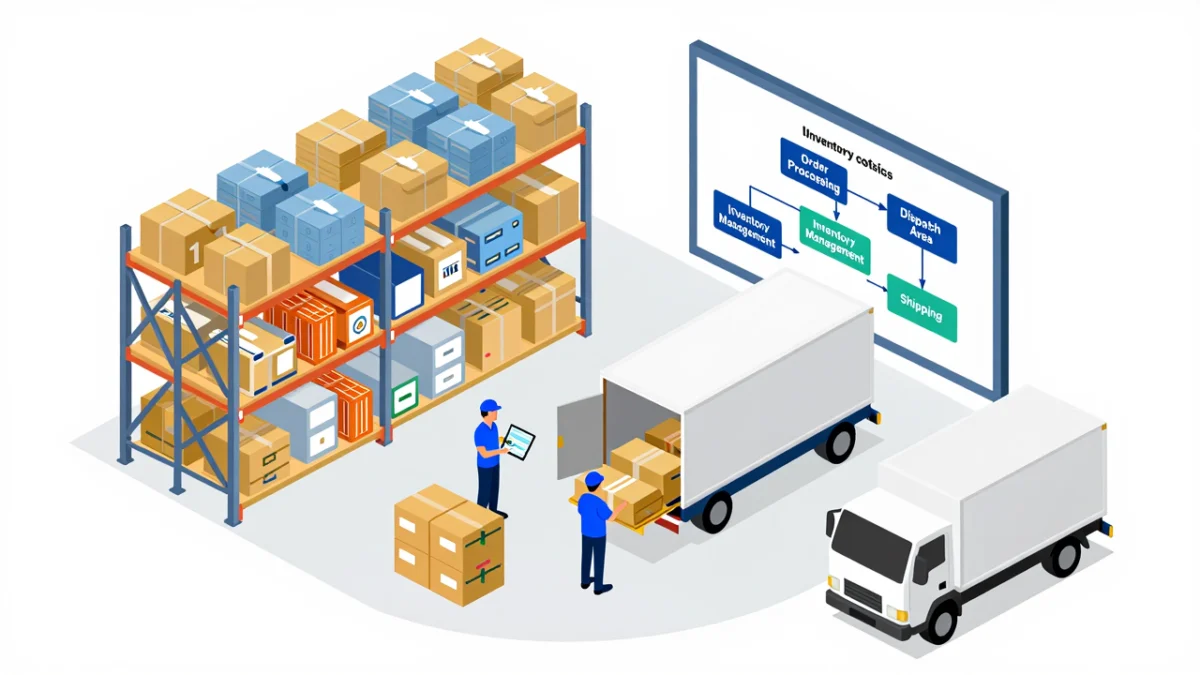
The transition to real-time analytics is non-negotiable. Mobile technology for staff—allowing them to access product info, check inventory in the back room, or finalize sales from the floor—eliminates the "go-to-the-register" barrier. Automated reporting systems that alert managers to missed sales targets or low-stock alerts allow for a proactive management style that is essential in a competitive market.
Conclusion: Adapting for Long-Term Viability
The path to increased retail sales is a continuous loop of analysis, action, and adjustment. There is no finish line in the retail sector; there is only the ongoing process of refining the customer journey. By integrating technological tools with a deep understanding of human behavior, retailers can move beyond the struggle of daily operations and into a phase of sustainable, profitable growth.

As we look toward the remainder of the decade, those who prioritize the customer experience, empower their workforce, and listen to the story told by their own data will be the ones who define the future of the retail landscape. The tools are available, the strategies are proven, and the opportunity for growth is significant—it is simply a matter of execution.