









By PYMNTS | July 13, 2026
The global smartphone industry is facing its most significant structural crisis in over a decade. According to a report released Monday by Counterpoint Research, global smartphone shipments plummeted in the second quarter of 2026, reaching their lowest level for any second quarter since 2013. This 11% year-over-year decline is not merely a symptom of cooling consumer interest, but the direct result of a tectonic shift in the global semiconductor supply chain—a shift fueled by the insatiable appetite of the artificial intelligence (AI) sector.
The Anatomy of the Decline: A Multi-Front Crisis
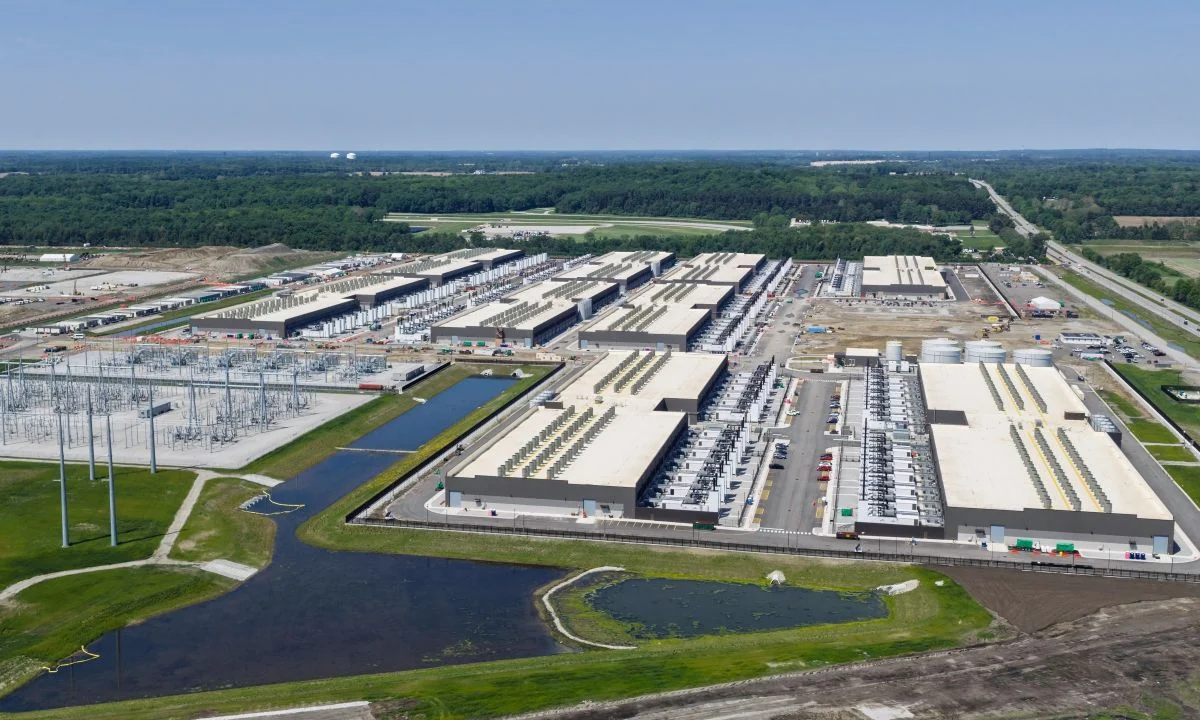
The smartphone market, once the undisputed king of consumer electronics, is currently being starved of its most critical components: high-performance memory chips. As manufacturers scramble to source the DRAM and NAND flash memory necessary for modern mobile devices, they find themselves competing against the deep pockets of data center operators and hyperscalers building the infrastructure for the generative AI boom.
This supply-side constriction has forced manufacturers to pass surging costs directly to the consumer. For the price-sensitive mid-tier and entry-level markets—which represent the vast majority of global volume—the result has been a catastrophic loss of affordability.
“The global memory crisis has now overtaken every other factor as the single biggest drag on the smartphone industry,” said Shilpi Jain, Senior Analyst at Counterpoint Research. “What started as a components issue last year is now a full-blown demand issue. Entry and mid-tier devices, which are the most exposed to Bill of Materials (BOM) economics, have become structurally unfeasible at their previous price points.”
Beyond the silicon shortage, the market is battling a perfect storm of macroeconomic headwinds. Geopolitical tensions, particularly in the Middle East, have disrupted logistics and spiked manufacturing costs. When layered atop persistent global inflation, slower economic growth, and record-low consumer sentiment, the barrier to purchasing a new device has reached an all-time high.
Chronology of a Tech Bottleneck
The current predicament did not manifest overnight. It is the culmination of a multi-year shift in capital allocation within the semiconductor industry.
- Early 2026: Reports surfaced in January indicating that the generative AI expansion was fundamentally altering the economics of consumer tech. Supply chains that previously funneled memory components into smartphones and gaming hardware were increasingly diverted to serve large-scale AI systems under lucrative, long-term supply agreements.
- March 2026 (MWC Barcelona): The industry’s flagship event served as a clarion call. Mobile executives and analysts identified two conflicting trends: the desperate need to integrate AI features into new handsets to remain competitive, and the simultaneous inability to secure the memory chips required to power those very features.
- June 2026: Apple signaled the severity of the component crunch by raising prices on its Mac and iPad lines. While the company held the line on iPhone pricing, the move highlighted that even the most robust supply chains in the world were being forced to pass on the surging costs of specialized components.
- July 2026: The release of the Q2 data confirmed the worst fears of the industry: shipment volumes have reached a 13-year low, signaling that the "AI squeeze" is no longer a looming threat but a present reality.
The Apple Exception: Strategy in a Supply-Constrained World
Amid the widespread decline, one outlier stands as a case study in supply chain management and brand loyalty: Apple. While the broader market saw manufacturers hike prices and suffer corresponding drops in volume, Apple reported a 3% increase in shipments during the same period.
Apple’s success can be attributed to its unique positioning. By opting not to raise iPhone prices despite the rising BOM costs, the company successfully leveraged the continued popularity of its iPhone 17 series to capture market share from competitors forced to retreat into higher price brackets. This strategy demonstrates the company’s ability to absorb margins in the short term, betting on ecosystem lock-in and long-term customer acquisition over immediate, component-driven price hikes.
However, even Apple is not immune to the broader macro trends. While their Q2 performance is impressive, the sustainability of this strategy remains in question as the memory shortage shows no signs of immediate abatement.
Data and Projections: The Road Ahead
The numbers provided by Counterpoint Research paint a grim picture for the remainder of the year. With a projected 14% decline in total shipments for 2026, the industry is bracing for a prolonged contraction.
The core issue remains the "memory supply-demand gap." As long as memory suppliers prioritize the high-margin contracts offered by AI data centers—where demand is driven by massive investment in LLMs (Large Language Models) and infrastructure—consumer electronics will remain a secondary priority.
Counterpoint Research explicitly states that an "overall demand recovery is unlikely until memory supply conditions improve substantially." Given current expansion plans for data centers globally, analysts anticipate the memory shortage will persist well into 2027, creating a multi-year window of instability for the mobile sector.
The Economic Implications: A Shift in Value
The implications of this crisis extend far beyond individual hardware sales. We are witnessing a fundamental recalibration of what a smartphone represents in the modern economy.
- The End of the Budget Smartphone: As Jain noted, entry-level devices are becoming "structurally unfeasible." This suggests that the democratization of mobile technology—a defining trend of the last decade—may be stalling. As costs rise, the "affordable" tier of smartphones may disappear entirely, replaced by refurbished units or older-generation hardware, effectively widening the digital divide.
- The AI Paradox: Consumers are being asked to pay more for devices that are increasingly marketed as "AI-ready." Yet, the very AI revolution that justifies these new features is the reason those devices are becoming harder and more expensive to manufacture. This creates a difficult value proposition for the average consumer, who may choose to hold onto their current device for longer, further suppressing replacement cycles.
- Consolidation of Power: The shift toward long-term supply agreements for AI infrastructure favors the largest manufacturers. Smaller, independent handset makers, who lack the massive capital reserves to lock in memory supply, may find themselves unable to compete, potentially leading to a market consolidation where only the largest players can afford to operate at scale.
Conclusion: A Market in Transition
The second quarter of 2026 will likely be remembered as the moment the smartphone industry reached a tipping point. The era of cheap, ubiquitous, and rapidly upgrading consumer hardware is being challenged by the immense physical and financial demands of the AI infrastructure race.
As the industry looks toward the second half of 2026 and into 2027, the focus will shift from innovation in features to innovation in supply chain resilience. Manufacturers who can navigate the memory shortage, optimize their Bill of Materials, and maintain price stability without compromising product quality will be the only ones to emerge from this "silicon squeeze" intact.
For now, the message from the market is clear: the AI boom is rewriting the rules of the tech industry, and the smartphone—the world’s most personal computer—is currently paying the highest price. As Counterpoint Research suggests, until the global memory supply finds a new equilibrium, the industry must prepare for a prolonged period of caution, high costs, and diminished expectations.