









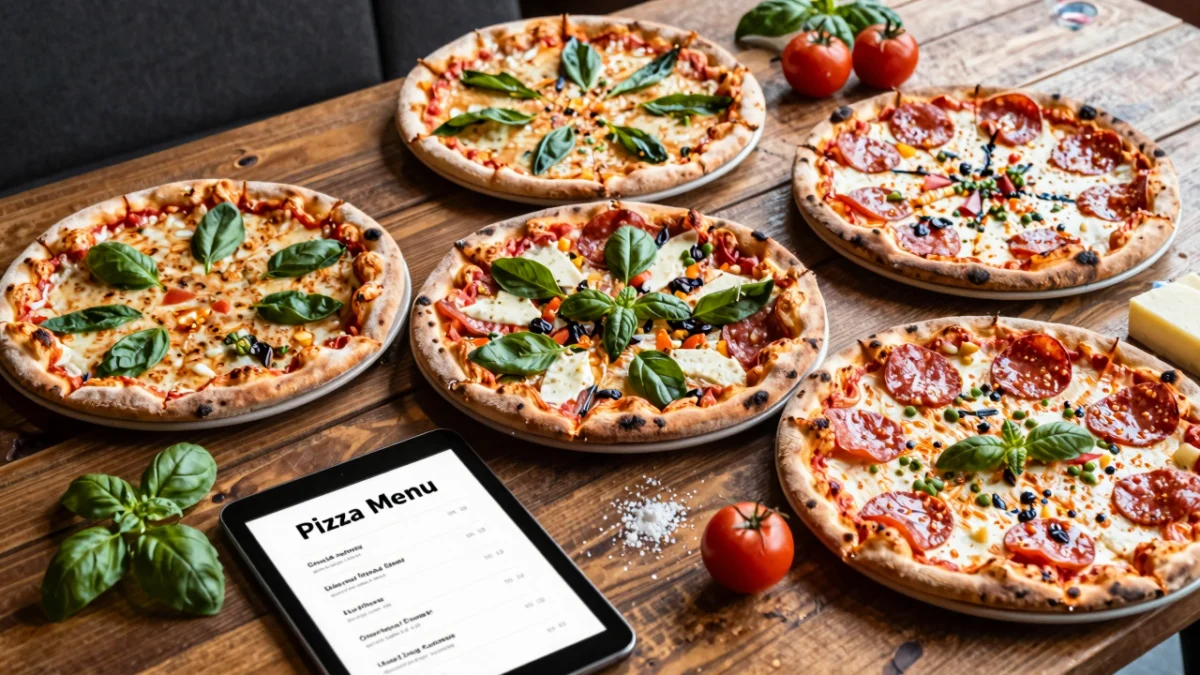
The landscape of the modern food industry is undergoing a seismic shift, transforming from a simple service sector into a complex ecosystem of technological integration, health-conscious consumerism, and optimized operational efficiency. For the aspiring entrepreneur, a food franchise represents a unique "business-in-a-box" opportunity, blending the stability of established branding with the autonomy of small business ownership. With the U.S. food sector accounting for nearly 30% of all franchise establishments, the entry points are vast—ranging from low-capital vending operations to premium brick-and-mortar dining experiences.
Main Facts: The Anatomy of a Food Franchise Investment
At its core, a food franchise is a contractual relationship where an investor (the franchisee) pays a fee and ongoing royalties to a parent company (the franchisor) for the right to operate under an established brand name and business model.

The financial spectrum for these investments is wide. Aspiring owners can find opportunities starting as low as $53,000 for specialized vending concepts like Healthier 4U Vending, while more comprehensive, full-service restaurant models, such as The Great Greek Mediterranean Grill, can require capital investments exceeding $300,000.
Beyond the raw numbers, the primary appeal of franchising is the mitigation of risk. Start-ups often fail due to a lack of operational systems or brand recognition. Franchises, conversely, offer a "proven path." When you buy into a franchise, you are not just purchasing a logo; you are acquiring:

- Operational Manuals: Standardized workflows for every aspect of the business.
- Supply Chain Networks: Established relationships with vendors that lower inventory costs.
- Marketing Support: Pre-designed campaigns and national advertising power.
- Training Programs: Intensive guidance to ensure that even a novice operator can achieve professional standards.
A Chronological Perspective: Evolution of the Sector
The trajectory of the food franchise industry has been defined by rapid expansion and adaptation. Since the year 2000, sales within the food franchise sector have doubled, ballooning to a staggering $800 billion annual industry.
The Early Expansion (2000–2010)
In the early 21st century, the focus was primarily on scale and convenience. Quick-Service Restaurants (QSRs) dominated, prioritizing speed and standardized menus. This period established the "Pizza and Burger" hegemony, where brand consistency was the ultimate metric of success.

The Technological and Health Pivot (2010–2020)
As consumer health awareness grew, so did the demand for transparency. Franchisors began shifting their menus toward "better-for-you" options. Simultaneously, the integration of POS (Point of Sale) systems and digital inventory management became mandatory for any franchise hoping to remain competitive.
The Modern Era (2020–Present)
Today, the industry is defined by the "delivery-first" mindset. The post-pandemic shift has forced brands to optimize their footprints. We are seeing a move away from massive dining rooms toward "express" models, ghost kitchens, and tech-forward vending, which minimize labor costs while maximizing geographic reach.

Supporting Data: Why the Food Sector Remains Resilient
Data from industry analysts consistently highlights why the food sector remains the "gold standard" for franchise investment.
| Franchise Category | Typical Minimum Investment | Key Driver |
|---|---|---|
| Health-Focused Vending | $53,000 | Low overhead, high-traffic placement |
| Breakfast/Snack Concepts | $80,000 | High daily frequency, repeat business |
| Pizza Franchises | $125,000 | Deep market penetration, delivery stability |
| Beverage & Dessert | $180,000 | Experience-based, high-margin items |
The stability of this sector is underpinned by the essential nature of food. Even during economic downturns, consumers shift their habits—perhaps trading down from fine dining to quick-service—but they rarely stop eating out or ordering in. This "recession-resistant" quality makes the food franchise an attractive anchor for a diversified investment portfolio.

Official Perspectives and Operational Reality
Success in this field is rarely accidental; it is the result of strict adherence to the franchisor’s guidelines combined with local market agility. We spoke with industry experts and reviewed documentation from top-tier franchisors to distill what "operational support" actually looks like.
The Role of the Franchisor
A reputable franchisor acts as a silent partner. Their role is to provide:

- Site Selection Assistance: Using demographic mapping to identify locations with high foot traffic.
- Continuous R&D: Developing new menu items that keep the brand relevant against emerging culinary trends.
- Regulatory Navigation: Ensuring that the franchise complies with local health codes and employment laws, which can be daunting for an independent owner.
The Responsibility of the Franchisee
The common trap for new franchisees is the assumption that the brand will do the work for them. In reality, the franchisee is responsible for:
- Local Community Engagement: Building relationships with local schools, offices, and neighborhood groups.
- Staff Retention: Managing the human element of the business, which is often the most significant variable in customer satisfaction.
- Data Analysis: Monitoring sales trends to adjust inventory levels and minimize waste.
Implications for the Future Investor
If you are currently evaluating your options, the path forward requires a methodical approach. The implications of your choices today will ripple through your financial future for the next decade or more.

Avoiding Common Pitfalls
Many investors falter by failing to conduct adequate "due diligence." It is vital to:
- Validate the Franchise Disclosure Document (FDD): This legal document contains essential data on lawsuits, bankruptcy history, and actual earnings of current locations.
- Interview Existing Franchisees: Don’t just talk to the brand’s sales team. Contact current owners to ask about their actual labor costs, relationship with corporate, and speed of ROI (Return on Investment).
- Understand the "Total Investment": The sticker price is rarely the final cost. Factor in the "hidden" expenses: grand opening marketing, local permit fees, insurance, and initial working capital.
The Impact of Emerging Trends
The future of the food franchise lies in specialization. We are seeing a rise in "niche" concepts—such as gluten-free bakeries, protein-heavy smoothie bars, and automated robotic kiosks. As you assess your goals, consider whether you want a "legacy brand" (like a major pizza chain) or a "growth brand" (a smaller, trend-driven concept). Legacy brands offer safety, while growth brands offer the potential for higher market disruption.

Financial Planning and ROI
A realistic ROI in the food sector typically manifests within two to three years. However, this is contingent on your ability to manage prime costs (food and labor). The most successful franchisees are those who treat their business as a science, constantly iterating their processes based on daily performance data.
Conclusion: Crafting Your Legacy
Investing in a food franchise is a significant commitment that balances the security of a proven system with the rewards of entrepreneurship. Whether you choose the accessible, tech-forward path of health-focused vending or the high-volume, community-centric model of a breakfast or pizza concept, the fundamental keys to success remain constant: research, dedication, and a commitment to the brand’s operational standards.

By aligning your budget, interests, and local market needs with the right franchise partner, you are not merely buying a job—you are building an asset. As the $800 billion food industry continues to evolve, the owners who remain flexible, tech-savvy, and community-engaged will be the ones who define the next generation of culinary business success.
Take the time to evaluate the financial breakdowns, speak with current operators, and ensure that the franchisor’s culture aligns with your own. With rigorous planning, your journey into the world of food franchising can be a transformative step toward long-term financial independence.