










Capital One has long established itself as a titan in the travel rewards credit card industry. Known for simplifying the often-complex world of points and miles, the bank’s "Venture" lineup has become a staple for both casual globetrotters and frequent flyers. With three distinct iterations—the VentureOne, the Venture, and the premium Venture X—navigating which card best suits your lifestyle requires a deep dive into the math behind the annual fees, earning structures, and travel-centric perks.
Whether you are a budget-conscious spender or a luxury-focused traveler, understanding the nuances of these three products is essential to maximizing your financial return.
Main Facts: The Capital One Venture Landscape
The Capital One Venture portfolio is designed to accommodate different levels of consumer spending and travel frequency. At the core of all three cards is the "Capital One Mile," a flexible currency that can be redeemed for travel purchases at a rate of one cent per mile, or transferred to a variety of airline and hotel partners for potentially outsized value.

The Three Pillars of the Venture Lineup
- Capital One VentureOne Rewards Credit Card: The entry-level, no-annual-fee option. It is designed for those who want to earn travel rewards without the pressure of an annual fee.
- Capital One Venture Rewards Credit Card: The "sweet spot" for many, offering a robust 2x miles on every purchase for a modest $95 annual fee.
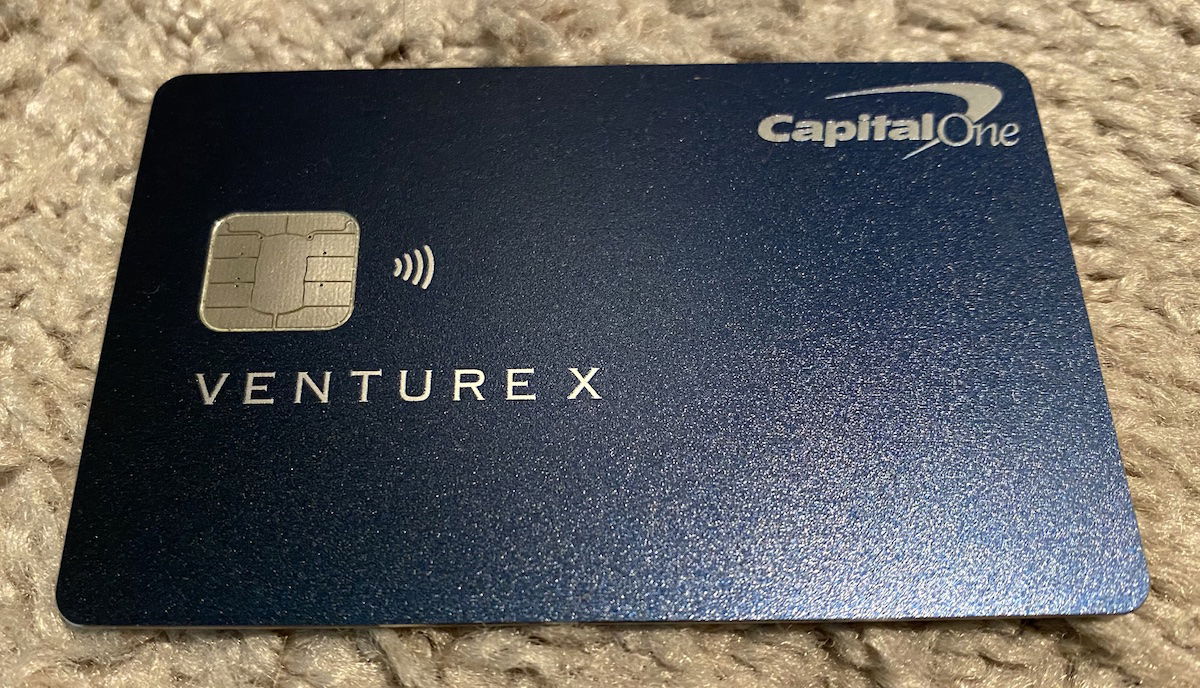
- Capital One Venture X Rewards Credit Card: The premium tier. With a $395 annual fee, it is packed with high-end travel benefits, including airport lounge access and significant annual travel credits.
While all three cards offer the ability to transfer miles to airline partners, the differences in earning rates, welcome bonuses, and statement credits create a wide gap in long-term value.
Chronology: The Evolution of the Venture Portfolio
The evolution of these cards reflects a broader shift in the travel credit card market, where issuers are moving toward more premium, "benefit-heavy" offerings.
- The Early Days: The original Venture card set the standard for "flat-rate" earning, rewarding users with 2x miles on every single purchase. This was revolutionary at a time when most cards required tracking complex categories.
- The Introduction of VentureOne: Capital One introduced the VentureOne to capture the market of consumers who are debt-averse or hesitant to pay an annual fee but still desire a pathway to travel rewards.
- The Venture X Disruption: In 2021, Capital One shocked the industry by launching the Venture X. With an annual fee of $395—significantly lower than competitors like the Amex Platinum or Chase Sapphire Reserve—the card was an immediate success, effectively "paying for itself" through its annual $300 travel credit and 10,000-mile anniversary bonus.
Supporting Data: By the Numbers
To determine which card is the "winner," one must look at the quantitative data. Below is a breakdown of how these cards compare when held side-by-side.

| Feature | VentureOne | Venture | Venture X |
|---|---|---|---|
| Annual Fee | $0 | $95 | $395 |
| Everyday Rewards | 1.25x | 2x | 2x |
| Travel Credits | None | $300 (Ltd Time) | $300/year |
| Lounge Access | None | None | Priority Pass + Capital One Lounges |
| Anniversary Bonus | None | None | 10,000 miles |
The Math of the "Breakeven"
If you spend $20,000 annually on everyday purchases, the difference between the VentureOne (1.25x) and the Venture (2x) is 15,000 miles. At a conservative valuation of 1.5 cents per mile, that extra 0.75x earn rate generates $225 in additional value, which easily covers the $95 annual fee.
The Venture X, meanwhile, relies on its "offsetting" math. By providing a $300 travel credit and 10,000 anniversary miles (worth at least $100), the $395 annual fee is effectively recouped before you even account for lounge access, travel insurance, or cell phone protection.
Strategic Implications: How to Build Your Portfolio
A common misconception is that you must choose one card and stick with it. In reality, the Capital One ecosystem allows for a strategic approach to credit card management.

The "Double-Dip" and "Upgrade" Strategies
Capital One allows consumers to hold multiple cards in the Venture family. For those looking to maximize their rewards, the most common strategy is to start with a card like the Venture, and later upgrade to the Venture X if your travel habits increase.
Eligibility Rules: It is vital to note that Capital One has strict rules regarding welcome bonuses. You are generally only eligible for a new cardmember bonus on a Venture card if you have not received one in the past 48 months. However, holding one card does not typically prevent you from applying for another, provided you meet the internal credit criteria.
The "Downgrade" Safety Net
If you apply for the Venture X, pay the $395 fee, and realize a year later that you aren’t traveling as much, you are not trapped. Capital One allows for "product changes," meaning you can move from a premium card back to the $0 VentureOne card, preserving your credit history and account age while eliminating the annual fee.

Professional Analysis: Which Card is for You?
For the Casual Traveler: The VentureOne
If your primary goal is to keep your finances simple and you only take one or two trips a year, the VentureOne is a reliable choice. It offers the benefit of no foreign transaction fees and the ability to transfer points to airlines, which is a massive upgrade over standard cash-back cards.
For the Consistent Spender: The Venture
The $95 Venture card is the "workhorse" of the industry. Because it earns 2x miles on every purchase, you never have to worry about whether you are using the "right" card for groceries, gas, or dining. It is the perfect set-it-and-forget-it card for someone who wants to fund a vacation through daily, non-categorical spending.
For the Frequent Flyer: The Venture X
The Venture X is arguably one of the most valuable cards on the market today. It provides a level of luxury—airport lounge access, TSA PreCheck credits, and premium rental car status—that usually costs upwards of $550–$695 on competing cards. If you travel at least twice a year, the math overwhelmingly favors the Venture X.

Frequently Asked Questions
Is the Venture X actually "free" to hold?
While you must pay the $395 upfront, the $300 annual travel credit and the 10,000-mile anniversary bonus (which effectively covers $100+ in travel) bring the net cost to zero or even a net profit.
Does my credit score suffer if I have multiple Venture cards?
Applying for multiple cards will result in multiple hard inquiries on your credit report. However, if you are a responsible borrower, the long-term impact on your credit score is usually negligible, provided you maintain a low credit utilization ratio.
Can I transfer my miles between accounts?
Yes, Capital One makes it easy to combine your miles from different Venture cards into a single account, allowing you to pool your rewards for a larger redemption.
The Bottom Line
The decision between the Capital One VentureOne, Venture, and Venture X boils down to your willingness to pay an annual fee in exchange for specific, high-value perks.
For the vast majority of travelers, the Capital One Venture offers the best balance of simplicity and reward. However, if you are a frequent flyer who appreciates the comfort of an airport lounge and the value of annual credits, the Capital One Venture X is not just a credit card; it is a financial tool that pays for itself.
Before you apply, assess your annual spending and travel frequency. If you can justify the "sticker price" of the premium tiers, you will find that the value of the rewards and perks far outweighs the initial investment. In the world of travel rewards, the best card is the one that aligns with your lifestyle, and fortunately, the Venture portfolio has an option for everyone.