






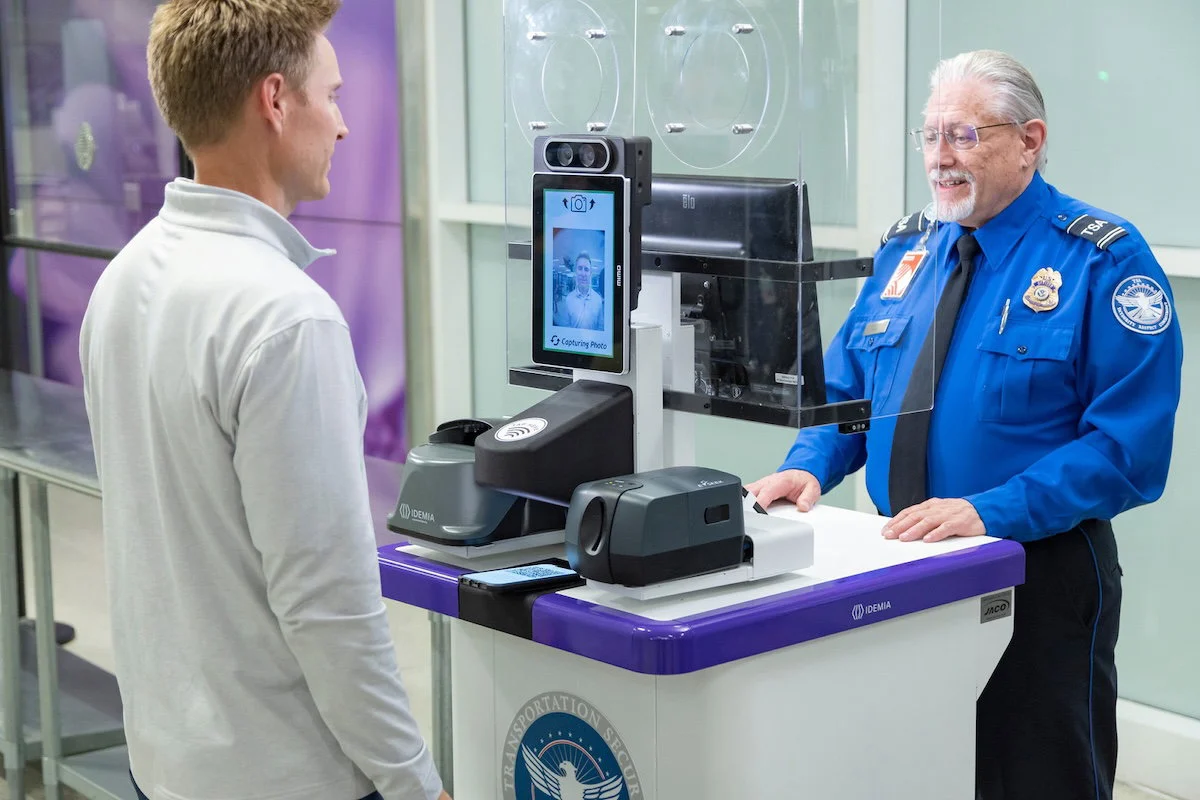
The Transportation Security Administration (TSA) has ignited a firestorm of controversy following a sudden, nationwide policy shift that prohibits officers from using chairs while performing identification verification duties at airport security checkpoints. The directive, which effectively removes seating for agents tasked with the first line of passenger screening, has been framed by agency leadership as a strategic move to bolster national security and enhance the "hospitality" experience for travelers.
However, the decision has drawn sharp rebuke from the American Federation of Government Employees (AFGE), the labor union representing thousands of TSA screeners. The conflict highlights a deepening divide between administrative mandates and the daily realities of the frontline workforce, raising critical questions about workplace ergonomics, the definition of professional hospitality, and the true efficacy of these measures in a high-stress security environment.
The Chronology of the Mandate
The policy change was implemented abruptly late last week, catching many frontline officers and union representatives off guard. Without prior formal consultation or a phased rollout period, local TSA management across the country began the physical removal of chairs from the ID check podiums.
For the average traveler, the ID check is the first point of contact in the security process. Historically, these stations were equipped with stools or chairs, allowing officers to maintain a seated position for the duration of their rotation. Given that checkpoint officers frequently rotate through various stations—many of which involve standing or walking on concrete floors for the entirety of a shift—these chairs provided a vital, if brief, reprieve. The sudden disappearance of this equipment has left many officers struggling to adjust to a grueling, full-shift standing requirement.
Official Justification: Security and Hospitality
In a formal statement addressing the controversy, a TSA spokesperson defended the initiative as a necessary evolution of the agency’s operational standards. According to the agency, the removal of seating is intended to improve the "security posture" of the checkpoint and project a more professional image to the public.
"This welcome change reinforces both our security posture and our commitment to hospitality by having these officers on their feet and alert," the statement noted. "All officers must meet fitness for duty requirements to be capable of performing their vital national security function while simultaneously creating a welcoming and professional environment for travelers."
The agency argues that a standing officer is inherently more engaged and observant than one who is seated. By equating a standing position with heightened alertness, the TSA is attempting to rebrand the checkpoint experience as a service-oriented interaction, aiming to align its appearance more closely with private-sector hospitality standards.
The Union’s Rebuttal: Ergonomics and Employee Rights
The AFGE has responded with significant indignation, characterizing the move as a tone-deaf administrative overreach that ignores the physical well-being of the workforce. The union emphasizes that the lack of prior consultation is a breach of professional courtesy and a disregard for labor relations.
"These chairs serve as basic ergonomic and safety support for officers that stand and walk on hard surfaces all day," an AFGE representative stated. "TSA is treating this matter like it is a privilege—it is not; it is basic safety and common decency for the workforce. This disregard for employee rights and safety is an example of a broad pattern of TSA’s true consideration of the employees who keep our nation safe."
The union has advised local leaders to escalate their grievances by contacting their congressional representatives, signaling that this dispute is unlikely to be resolved through internal agency channels alone. The core of the union’s argument is that the "security posture" excuse masks a lack of respect for the physical toll that checkpoint work takes on the human body.

The Physical Toll of Airport Security
To understand the frustration of the workforce, one must consider the environment of a modern airport checkpoint. TSA officers are not static; they are expected to be mobile, vigilant, and ready to pivot to emergency situations. However, even in high-intensity roles, human physiology has limits.
Working on hard, industrial flooring for eight to ten hours a day—often while wearing heavy equipment or standing in specific, non-ergonomic postures—leads to chronic musculoskeletal issues. For years, the use of a chair at the ID station served as a tactical "reset" for officers, allowing them to briefly offload the weight from their lower extremities before rotating to more physically demanding posts, such as the baggage screening area or the physical pat-down stations.
By removing the ability to sit, the agency is increasing the cumulative physical stress on its staff. Critics of the policy point out that there is little empirical evidence to suggest that standing versus sitting at a computer terminal significantly improves the detection of fraudulent identification. ID verification is a task requiring intense cognitive focus, pattern recognition, and data comparison—tasks that are arguably more efficiently performed when an officer is comfortable and not distracted by the physical pain of prolonged standing.
Hospitality vs. Security: A False Dichotomy?
The TSA’s invocation of "hospitality" as a reason for this policy is perhaps the most contentious aspect of the directive. There is a fundamental disconnect between the high-stress, high-security environment of a federal checkpoint and the customer service standards of the hospitality industry.
In a luxury hotel or a high-end concierge desk, staff stand to greet guests because the interaction is designed to be personalized, leisurely, and welcoming. An airport checkpoint, by contrast, is a high-volume, efficiency-driven environment where the objective is to process thousands of passengers per hour. Attempting to force a "hospitality" aesthetic onto a security process that is inherently adversarial—in the sense that it involves screening for threats—feels incongruous to many observers.
Furthermore, professionalism is not defined by one’s posture. A highly trained, alert officer provides security regardless of whether they are seated or standing. If the agency’s goal is truly to improve the "security posture," many security experts argue that focus should be directed toward improved technology, better training, and higher pay to reduce turnover, rather than focusing on the seating arrangements of the staff.
Implications for the Future
The long-term implications of this policy change remain to be seen. If the TSA maintains its stance, the agency may face a wave of grievances and potential labor shortages if officers find the new requirements untenable. Chronic pain and fatigue are significant contributors to employee burnout and turnover, both of which are already persistent challenges for the TSA.
Moreover, the lack of communication from the agency to the union suggests a strained relationship between the Biden administration-appointed leadership and the rank-and-file workers. In the coming weeks, we can expect to see:
- Congressional Scrutiny: As the AFGE mobilizes its members, lawmakers are likely to hold hearings or send formal inquiries to the TSA regarding the scientific basis for the "standing-only" policy.
- Labor Actions: If no compromise is reached, the union may seek legal injunctions or file formal complaints regarding workplace safety standards, citing the lack of ergonomic support.
- Impact on Morale: The optics of this decision have already created a sense of resentment among the frontline staff. An agency that already struggles with public perception may find it increasingly difficult to recruit and retain top-tier talent if employees feel that their basic needs are being sacrificed for the sake of "optics."
Conclusion: A Misguided Priority
Ultimately, the decision to remove chairs from TSA checkpoints appears to be an initiative in search of a problem. If the goal is truly to increase alertness, there are countless ways to achieve this—ranging from better shift rotations to improved mental health support—that do not involve subjecting employees to unnecessary physical strain.
When an organization prioritizes a superficial aesthetic of "hospitality" over the genuine, ergonomic needs of the people tasked with protecting the nation’s air travel infrastructure, it risks alienating its most valuable asset: its people. The TSA’s mandate is not just about chairs; it is about the fundamental disconnect between those who set policies in offices and those who stand at the front lines of national security. Until the agency can provide concrete evidence that this change significantly improves security outcomes, it will likely be viewed as an arbitrary, and perhaps even spiteful, administrative decision that serves neither the public nor the officers themselves.