









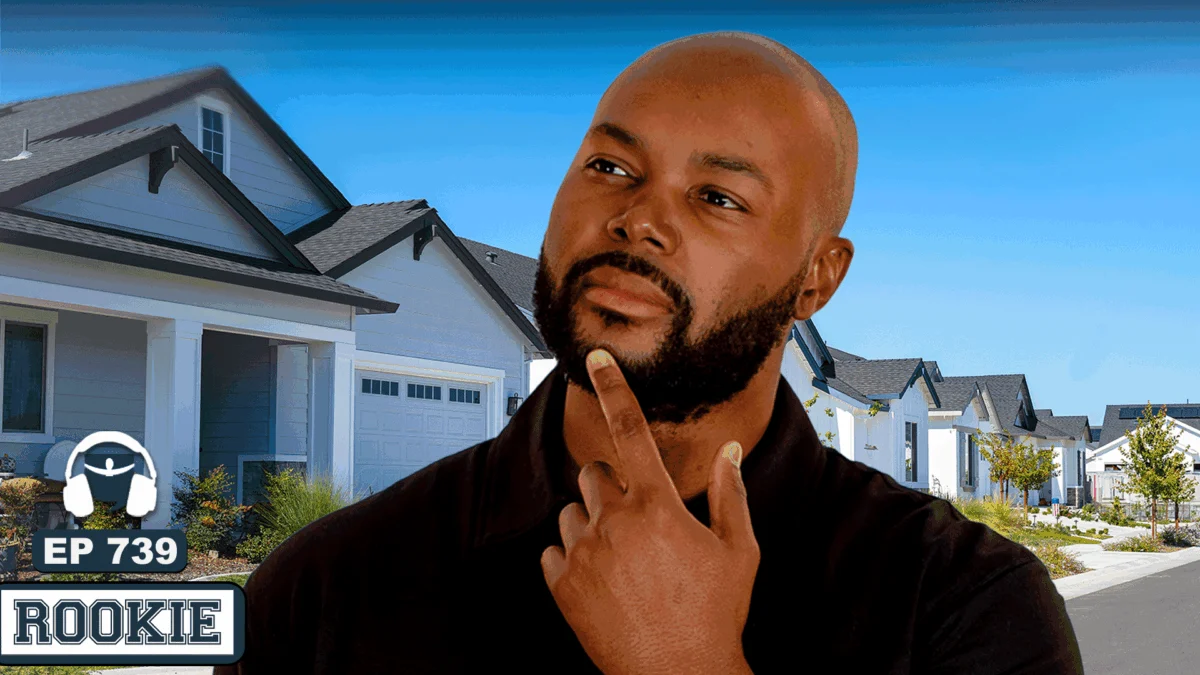
In the current real estate market, investors are facing a paradox: property values are high, interest rates have fluctuated, and traditional rental models are often struggling to keep pace with rising operational costs. For many, the dream of passive income feels stalled by the reality of thin margins. However, a growing cohort of savvy investors is discovering that the key to financial freedom isn’t necessarily buying more property—it’s maximizing the potential of the assets they already own.
In a recent episode of the Real Estate Rookie Podcast, hosts Ashley Kehr and Tony J. Robinson tackled the most pressing questions from the BiggerPockets community. From the rise of "co-living" to the nuances of residential assisted living, the discussion centered on a singular theme: moving beyond the "buy-and-hold" status quo to unlock 2x or 3x the cash flow from standard single-family homes.
The Strategic Shift: Rethinking Rental Models
The traditional single-family rental model—renting an entire home to one family—is the bedrock of residential investing. Yet, it is also the most inefficient in terms of revenue density. As market demand for affordable housing continues to outstrip supply, investors are increasingly turning to specialized niches that leverage the property’s existing footprint to serve high-demand demographics.
Co-Living: The "Rent-by-the-Room" Revolution
The concept of co-living has migrated from urban professional hubs to suburban neighborhoods across the country. Instead of a single lease for an entire house, the landlord segments the property by the room.
- The Math: A three-bedroom home renting for $1,600 as a single unit might generate $600 to $700 per bedroom in a co-living model. This shift can effectively double the gross monthly revenue without the need for structural expansion.
- The Demographic: This model appeals to young professionals, traveling nurses, and individuals in transitional life stages who require flexibility and affordability.
- The Operational Reality: The primary hurdle is not construction, but management. Investors must decide who manages utilities, common area cleaning, and tenant conflict resolution. Many successful operators use platforms like PadSplit to source tenants and manage listings, mitigating the increased workload of managing multiple leases.
Breaking the Barrier to Entry: How to Start with Limited Capital
A frequent concern among aspiring investors is the "down payment trap." With many properties requiring significant liquidity, young investors often feel sidelined. However, the expert panel emphasized that capital constraints are rarely an insurmountable barrier for those willing to utilize creative financing and strategic loan products.
Leveraging Specialized Loan Products
For those looking to enter the market with minimal savings, the following strategies were highlighted:
- The NACA Loan: The Neighborhood Assistance Corporation of America (NACA) offers a powerful tool for house hackers. With 0% down and zero closing costs, this nonprofit-backed loan program provides interest rates often a full percentage point below prevailing market rates. While there are residency requirements—typically necessitating the owner to live in the property for two to three years—it remains one of the most cost-effective paths to homeownership.
- FHA Loans: For those willing to live in a two-to-four-unit property, an FHA loan allows for as little as 3.5% down. This "house hacking" strategy allows the owner to live in one unit while the remaining units cover the mortgage.
- Seller Financing: In cases where bank lending is inaccessible, negotiating directly with a seller can be a game-changer. By holding the mortgage, the seller effectively acts as the bank, allowing for more flexible down payment and interest rate negotiations.
Increasing Earning Potential
When traditional financing isn’t an option, the most sustainable path to a down payment is aggressive income expansion. Rather than cutting expenses to the bone, the panel suggested leveraging the "side-hustle economy." With the rise of AI-driven tools and digital consulting, increasing one’s primary income—even by $500 to $1,000 per month—can drastically shorten the timeline to a down payment.
Residential Assisted Living: The High-Margin Niche
Perhaps the most compelling strategy discussed was the conversion of single-family homes into residential assisted living (RAL) facilities. This model, which can generate $8,000 to $12,000 per month from a standard home, represents a significant departure from traditional real estate, blurring the lines between property management and the hospitality/healthcare sector.
Beyond the Healthcare Myth
A common misconception is that an investor needs a medical degree to operate an assisted living home. In reality, these facilities provide "assistance" rather than "nursing care." Residents may need help with meals, dressing, or mobility, but they do not require 24/7 medical intervention. Operators hire staff to handle daily tasks, effectively acting as a high-touch hospitality provider.
The Risks and Rewards
While the cash flow potential is exceptional, the barriers to entry are higher than in traditional rentals:
- Licensing and Compliance: Every state and county has specific regulations for residential care. Investors must navigate a rigorous licensing process, which includes building inspections and staff certifications.
- The "Runway" Factor: Unlike a standard rental, which can be filled in weeks, an RAL facility requires a longer lead time. Investors should ideally have 12 months of holding costs in reserve to cover the period of renovation, licensing, and lease-up.
- Operational Intensity: This is a hospitality-based business. Success depends on customer service, staff reliability, and maintaining a waiting list through high-quality care.
Implications for the Future of Investing
The transition from "passive landlord" to "active operator" is the defining trend for the next generation of real estate investors. As market conditions tighten, the ability to pivot—to treat a house as a co-living space, a house-hackable asset, or an assisted living facility—will separate those who thrive from those who merely survive.
Key Takeaways for Investors:
- Operational Rigor: Whether managing a room-by-room rental or an assisted living home, the work shifts from maintenance to operations. Success requires strong systems, clear lease terms, and effective communication.
- Know Your Market: Before converting any property, validate the demand. If local one-bedroom apartments are priced low, a room-by-room strategy may struggle. Research is the insurance policy for any investment.
- Think Long-Term: While the "get-rich-quick" temptation is strong, sustainable wealth in real estate is built through the accumulation of assets that serve real, enduring needs—whether that is affordable housing, senior care, or stable, long-term rentals.
Conclusion
The "Real Estate Rookie" conversation serves as a potent reminder that the real estate landscape is far more flexible than it appears. The properties are the same; the difference lies in the strategy. By applying creative financing to get into the game and implementing high-cash-flow models to stay in the game, investors can achieve levels of income that were previously thought to be impossible with single-family holdings.
Whether you are just starting with $8,000 in savings or looking to optimize a portfolio you’ve held for years, the path forward is clear: identify the market’s pain points, provide the necessary housing solutions, and manage your assets with the precision of a business owner. The "hidden" potential of your property is waiting to be unlocked—it only requires the courage to rethink the traditional rules of the game.