









By Financial Correspondent
In the modern economic landscape, the metrics of a successful life are often measured in percentages and points. While February is traditionally synonymous with romantic gestures and emotional connections, financial experts are increasingly advocating for a different kind of "heart-to-heart": a deep dive into one’s credit health. As consumer debt reaches record highs and interest rates remain a pivotal concern for households, the relationship an individual maintains with their credit report has become a defining factor in their long-term stability and relational harmony.
The following report examines the critical intersection of personal finance and emotional well-being, providing a comprehensive roadmap for consumers to rehabilitate, maintain, and flourish through strategic credit management.
1. Main Facts: The Current State of Consumer Credit and Financial Wellness
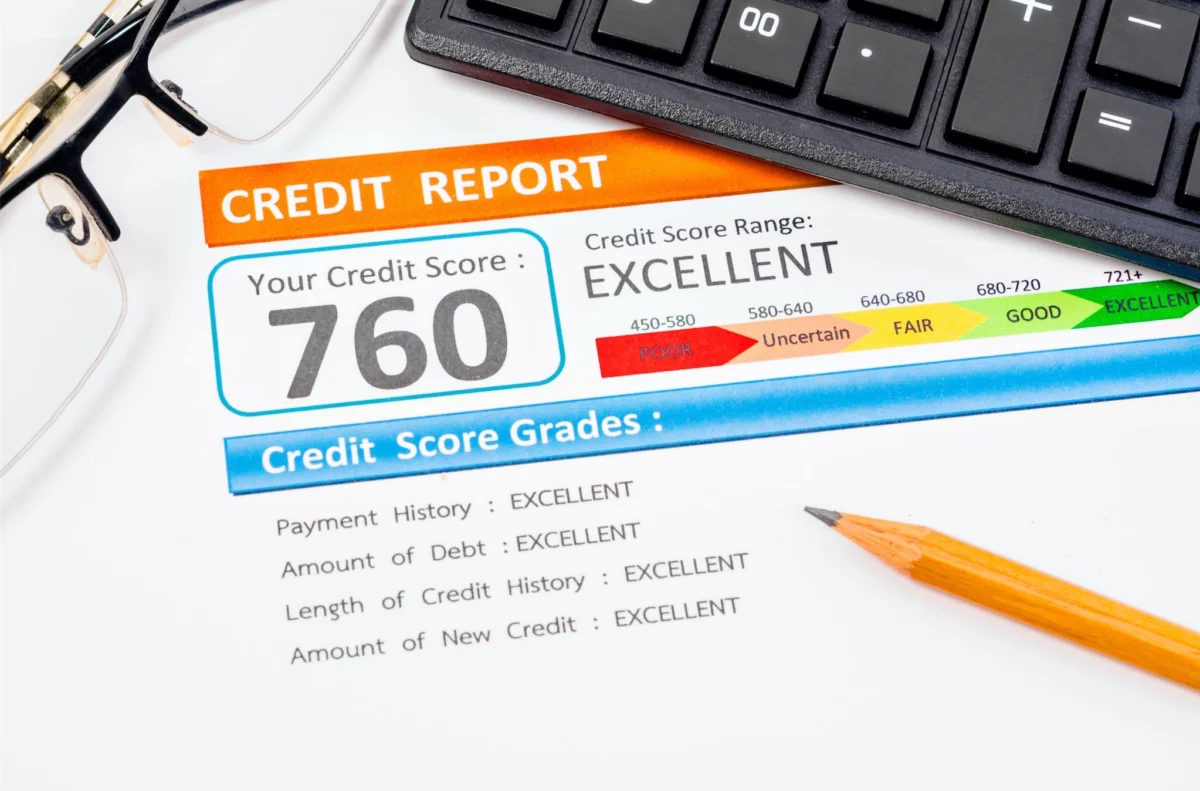
The contemporary financial environment is one of complexity and volatility. According to recent data from the Federal Reserve, total household debt in the United States has surpassed $17 trillion. Within this context, a credit score is no longer just a number used for occasional loan applications; it is a "financial resume" that influences everything from insurance premiums and apartment rentals to employment opportunities.
Credit health is built upon five primary pillars: payment history, credit utilization, length of credit history, credit mix, and new credit inquiries. For many, these pillars are under strain due to inflationary pressures and the rising cost of living. However, the psychological component of debt is equally significant. "Financial infidelity"—the act of hiding debt or spending from a partner—remains a leading cause of relationship dissolution. Therefore, prioritizing credit is both a fiscal necessity and a foundational element of interpersonal trust.
2. Chronology: The Lifecycle of Credit Health
Understanding credit requires viewing it as an evolving entity rather than a static figure. The "chronology" of credit health can be broken down into four distinct phases:
Phase I: The Establishment (Ages 18–25)
This period is defined by the creation of a credit footprint. For many, this begins with student loans or a first "starter" credit card. The primary challenge here is the "thin file" problem, where a lack of history results in lower scores despite a lack of negative marks.
Phase II: The Accumulation and Expansion (Ages 26–45)
During these years, consumers typically take on more significant debt: mortgages, auto loans, and family-related expenses. This is the "high-risk" zone where credit utilization often peaks, and the importance of a "money date" with a partner becomes paramount to prevent debt from spiraling.
Phase III: The Maturity and Optimization (Ages 46–65)
In this phase, the focus shifts to maintaining high scores to access the lowest possible interest rates for refinancing or downsizing. The length of credit history becomes a significant asset, and the strategic preservation of old accounts is vital.
Phase IV: The Legacy and Protection (Age 66+)
The final phase involves protecting the established score from fraud and ensuring that credit remains available for medical emergencies or estate planning, while potentially helping younger generations through "authorized user" status.
3. Supporting Data: 14 Strategic Interventions for Credit Enhancement
To navigate these phases, financial advocates suggest a 14-point framework designed to foster a "healthy relationship" with one’s finances.

I. The Quarterly Audit
Journalistic investigations into consumer rights highlight the Fair Credit Reporting Act (FCRA), which mandates that consumers have access to their reports. Regularly reviewing reports from Equifax, Experian, and TransUnion is the first line of defense against identity theft and clerical errors.
II. The "Money Date" and Budgetary Alignment
Setting a recurring appointment to review finances removes the stigma of "the talk." Experts suggest the 50/30/20 rule: 50% of income to needs, 30% to wants, and 20% to savings and debt repayment.
III. The Primacy of On-Time Payments
Payment history accounts for 35% of a FICO score. Data shows that a single 30-day delinquency can drop a high credit score by as much as 100 points. Autopay systems are the most effective technological hedge against this risk.
IV. The 30% Utilization Threshold
Credit utilization—the ratio of your credit card balances to your limits—accounts for 30% of your score. Maintaining a ratio below 30% is standard advice, but "super-prime" scorers often keep theirs below 10%.
V. Preserving Financial Longevity
The age of your oldest account contributes 15% to your score. Closing an old, unused card might seem like "cleaning up," but it can inadvertently shorten your credit age and decrease your total available credit, harming your score.
VI. Behavioral Economics: Unsubscribing from Temptation
Digital marketing is designed to trigger impulsive neurological responses. By unsubscribing from retail newsletters, consumers create a "friction" that allows the rational brain to override the impulse to spend.
VII. The Liquidity Buffer (Emergency Funds)
A study by FINRA found that individuals with at least three months of emergency savings are significantly less likely to carry high-interest credit card debt. Even a $500 buffer can prevent a minor car repair from becoming a long-term credit burden.
VIII. Positive Reinforcement
Behavioral psychology suggests that celebrating small wins—like paying off a $200 balance—creates a dopamine loop that encourages long-term fiscal discipline.
IX. Radical Transparency in Partnerships
Financial honesty is a prerequisite for joint stability. Discussing "credit baggage" early in a relationship prevents future legal and financial shocks.
X. The Risks of Co-Signing
Journalistic case studies often highlight the dangers of joint accounts. When you co-sign, you are 100% liable for the debt. If the other party defaults, your credit suffers equally.
XI. Diversifying the Credit Mix
Lenders want to see that you can handle different types of debt. A mix of revolving credit (cards) and installment loans (auto, mortgage) accounts for 10% of the score.

XII. Exercising Statutory Rights
If a report contains inaccuracies, consumers have the legal right to dispute them. The "Focus on Fairness" movement emphasizes that consumers should not be penalized for "zombie debts" or errors made by reporting agencies.
XIII. Low-Impact Social Experiences
Financial health does not require social isolation. Shifting the focus from "expensive consumption" to "meaningful experiences" reduces the reliance on credit for social validation.
XIV. Professional Advocacy
When credit damage is extensive, seeking professional credit repair or non-profit credit counseling can provide the structural support needed to navigate complex legal disputes with creditors.
4. Official Responses: The Regulatory and Expert Perspective
The Consumer Financial Protection Bureau (CFPB) has repeatedly emphasized that "credit invisibility" is a major hurdle for millions of Americans. In response, many financial institutions have begun integrating "alternative data"—such as rent and utility payments—into credit modeling to provide a more holistic view of a consumer’s reliability.
"Credit is a tool, not a trap," says a senior analyst at a leading credit advocacy firm. "The goal of the industry is shifting toward transparency. We want consumers to understand that they have the power to ‘divorce’ bad habits and ‘marry’ a strategy that works for their future."
Furthermore, the Fair Credit Reporting Act continues to be the "Bill of Rights" for consumers, ensuring that any information reported by the bureaus is 100% accurate, entirely fair, and fully substantiated.
5. Implications: The Long-Term Impact of Fiscal Fidelity
The implications of ignoring credit health are far-reaching. On a micro-level, a low credit score can cost a consumer hundreds of thousands of dollars in excess interest over a lifetime. For example, on a $300,000 mortgage, the difference between a "Fair" score and an "Excellent" score can result in a monthly payment difference of over $500.
On a macro-level, a society with healthier credit profiles is more resilient to economic downturns. When individuals manage their debt effectively, they possess greater purchasing power and higher levels of psychological security.
The Relational Dividend
Beyond the numbers, the ultimate implication of "loving your credit" is the peace of mind it brings to a household. Financial stress is cited as a top contributor to divorce. By treating credit management as a shared goal or a disciplined act of self-love, individuals remove a primary source of anxiety, allowing for a more profound focus on personal and professional growth.
Final Thoughts: A Call to Action
As we move through the year, the message from financial experts is clear: do not wait for a crisis to check in on your credit. By implementing these 14 strategies, consumers can transform their relationship with money from one of fear and avoidance to one of empowerment and trust. Whether you are navigating the world as a single individual or building a life with a partner, the most enduring gift you can provide is the security of a well-managed financial foundation. Show your credit some love today, and it will undoubtedly return the favor in the years to come.