









In an increasingly digitized economy, a credit score is more than just a number; it is a financial passport. It dictates the terms of one’s lifestyle, influencing everything from the interest rates on a first home to the ability to secure a competitive insurance premium or even land a specific job. As Credit Awareness Month brings these issues to the forefront, financial experts emphasize that credit health is not a matter of luck, but a result of disciplined habits and a deep understanding of consumer rights.
Improving a credit profile is a journey of consistency. While many seek "quick fixes," the reality of the American credit system—dominated by models like FICO and VantageScore—is built on long-term reliability. By focusing on five core pillars—payment punctuality, utilization ratios, inquiry management, regular monitoring, and temporal consistency—consumers can navigate the complexities of the financial landscape with renewed confidence.
Main Facts: The Five Pillars of Credit Health
The architecture of a credit score is governed by specific behavioral data points. To move the needle on a score, one must address the following fundamental areas:
1. The Primacy of Payment History
Payment history is the single most influential factor in credit scoring models, typically accounting for 35% of a FICO score. A single payment that is 30 days or more overdue can cause a significant and immediate drop in a score, and the "stain" of that delinquency can remain on a credit report for up to seven years. Maintaining a flawless record of on-time payments is the cornerstone of a high credit score.
2. Strategic Credit Utilization
Credit utilization refers to the ratio of your outstanding balances to your total available credit limits. Financial experts generally recommend keeping this ratio below 30%, though those with the highest scores often maintain utilization in the single digits. High utilization signals to lenders that a consumer may be overextended, even if they are making their minimum payments.
3. The Impact of New Credit Inquiries
Every time a consumer applies for a loan or a new credit card, a "hard inquiry" is generated. While a single inquiry might only lower a score by a few points for a temporary period, a cluster of inquiries in a short timeframe can signal financial distress to lenders. Strategic planning regarding when and how often to apply for new credit is essential for maintaining stability.
4. The Necessity of Vigilant Monitoring
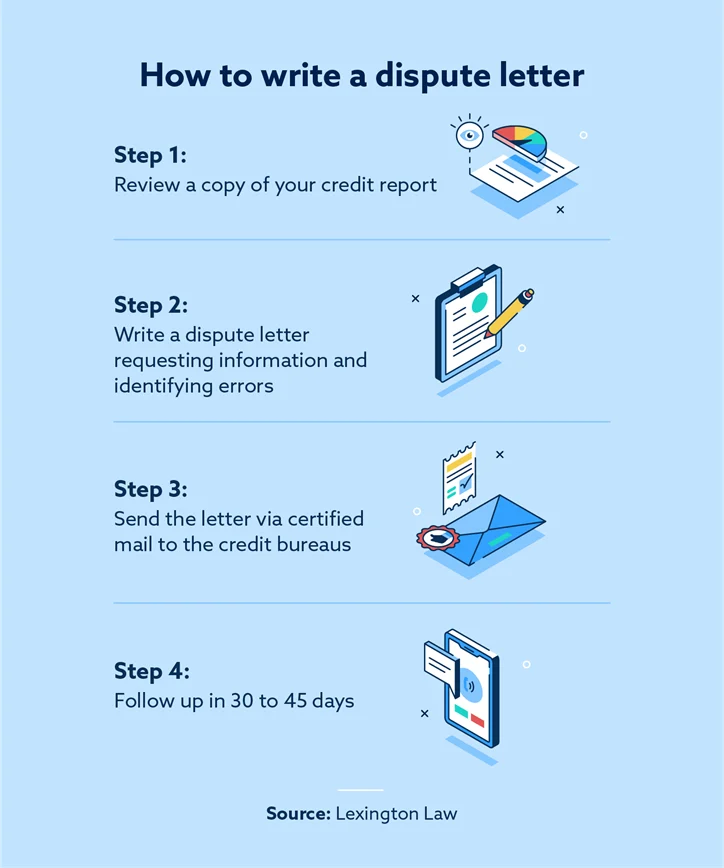
The credit reporting system is not infallible. Errors ranging from misspelled names to incorrectly reported late payments or even fraudulent accounts created through identity theft are common. Reviewing reports from the three major bureaus—Equifax, Experian, and TransUnion—is the only way to ensure the data being used to calculate one’s score is accurate.
5. The Value of Account Longevity
The age of a credit file matters. Lenders look for a proven track record of managing debt over many years. This is why closing old accounts can sometimes be counterproductive, as it shortens the average age of the credit history and may reduce the total available credit, thereby negatively impacting the utilization ratio.
Chronology: The Lifecycle of Credit Improvement
Credit improvement is not an overnight phenomenon; it is a chronological process that unfolds over months and years. Understanding this timeline helps consumers manage expectations.
- The Immediate Phase (1–30 Days): This phase focuses on "stopping the bleed." Consumers should establish autopayments for all current obligations to prevent new late payments. This is also the period for requesting initial credit reports via AnnualCreditReport.com to identify immediate errors.
- The Short-Term Phase (1–6 Months): During this window, the effects of paying down high revolving balances begin to manifest. As balances drop, the credit utilization ratio improves, often resulting in a score increase within one or two billing cycles. This is also when consumers might begin the process of disputing inaccuracies found in their initial report review.
- The Mid-Term Phase (6–12 Months): After half a year of consistent behavior, the impact of older "hard inquiries" begins to fade. The "payment history" section of the report starts to show a solid block of positive data, which begins to outweigh older, negative entries.
- The Long-Term Phase (1 Year and Beyond): This is the stage of "credit seasoning." As accounts age and the history of responsible use grows, the consumer moves into higher "score cards" within the credit bureaus’ algorithms. This long-term stability is what eventually unlocks the lowest possible interest rates and the highest credit limits.
Supporting Data: The Mechanics of the Score
To understand why certain habits matter more than others, one must look at the data-driven weighting systems used by major scoring models like FICO.

| Category | Weight (FICO) | Why it Matters |
|---|---|---|
| Payment History | 35% | Demonstrates the likelihood of a borrower repaying a debt. |
| Amounts Owed | 30% | Measures the "utilization" of available credit; high debt-to-limit ratios suggest risk. |
| Length of History | 15% | Longer histories provide more data points for more accurate risk assessment. |
| Credit Mix | 10% | Shows the ability to manage different types of credit (retail, installment, mortgage). |
| New Credit | 10% | Frequent applications can indicate a sudden need for cash or financial instability. |
According to industry data, the difference between a "Fair" score (580–669) and an "Exceptional" score (800–850) can translate into hundreds of thousands of dollars in saved interest over the life of a 30-year mortgage. Furthermore, a report by the Federal Trade Commission (FTC) previously found that one in five consumers had an error on at least one of their three credit reports that was corrected after it was contested. This underscores the statistical necessity of regular credit report audits.
Official Responses and Regulatory Context
The landscape of credit reporting is governed by federal law, most notably the Fair Credit Reporting Act (FCRA). This legislation dictates that consumers have the right to an accurate, fair, and substantiated credit report.
Official entities like the Consumer Financial Protection Bureau (CFPB) emphasize that credit bureaus and "furnishers" (the banks and lenders providing the data) are legally obligated to investigate disputes regarding inaccurate information. When a consumer identifies a discrepancy, the bureau generally has 30 days to investigate and rectify the error if it cannot be verified.
Professional advocacy groups, such as Lexington Law, play a role in this ecosystem by helping consumers navigate these legal protections. "Understanding your credit is more than a financial task; it affects opportunities throughout your life," the firm notes. Their focus during Credit Awareness Month is to bridge the gap between complex federal laws and the average consumer’s ability to advocate for themselves. By leveraging the FCRA, consumers can ensure that their credit reports reflect their true financial behavior rather than clerical errors or the remnants of identity fraud.
Implications: The Future of Financial Opportunity
The implications of a well-managed credit score extend far beyond the walls of a bank. As we move further into a "reputation-based" economy, the score acts as a proxy for personal responsibility and financial stability.
The Cost of Borrowing
The most direct implication is the cost of capital. In a high-interest-rate environment, a high credit score is the only tool a consumer has to mitigate the rising cost of borrowing. Those with "prime" scores are often eligible for 0% APR introductory offers on credit cards or significantly lower APRs on auto loans, which can save thousands of dollars in interest.
Employment and Housing
In many states, employers are permitted to check a modified version of a job applicant’s credit report (with consent) for roles involving financial responsibility. Similarly, in competitive rental markets, a high credit score is often a prerequisite for securing a lease. For many, a poor credit score is not just a financial hurdle, but a barrier to better living conditions and career advancement.
Psychological and Emotional Health
There is a documented link between financial health and mental well-being. The "credit anxiety" felt by many Americans often stems from a lack of transparency and a feeling of powerlessness against the large credit bureaus. By engaging in proactive credit management—checking reports, understanding utilization, and practicing patience—consumers can shift from a defensive posture to an offensive one, gaining a sense of agency over their financial destiny.
Conclusion: Building Confidence Through Awareness
As Credit Awareness Month serves as a reminder, the path to a better credit score is paved with education and persistence. There are no legitimate "shortcuts" that can bypass the fundamental requirements of time and responsibility. However, by understanding the mechanics of how scores are calculated and the legal rights afforded by the FCRA, consumers can take control of their profiles.
Whether it is through setting up autopayments to ensure a perfect payment history, or seeking professional assistance to challenge inaccuracies on a report, every step taken today is an investment in a more secure financial tomorrow. Improving your credit is not merely about a number; it is about building the confidence to pursue the life opportunities that a strong financial reputation makes possible.