







Main Facts: The Economic Reality of the Winter Wanderlust
As the winter solstice approaches, the travel industry prepares for its most lucrative and chaotic period of the year. For millions of households, the season represents a dual-edged sword: the emotional necessity of gathering with loved ones and the looming shadow of significant financial strain. While the "magic" of winter travel is frequently marketed through idyllic imagery of snow-capped mountains and festive cityscapes, the underlying economic reality is far more complex.
Current market data indicates that winter travel costs have reached a historic inflection point. Driven by a combination of high demand, fluctuating fuel prices, and the industry-wide adoption of dynamic pricing algorithms, the cost of a standard holiday getaway has outpaced general inflation in several key sectors. Airfare during the peak weeks of December can surge by as much as 40% to 60% compared to off-peak periods, while hotel rates in "festive hubs" like New York City, Orlando, or Aspen often triple.
The financial risk is not merely in the upfront costs. The modern travel landscape is increasingly defined by "ancillary revenue" models—a polite industry term for hidden fees. From baggage charges and seat selection fees to the controversial "resort fees" that can add $50 or more to a nightly hotel bill, the cost of travel is no longer transparent. For the average consumer, these expenses often result in "debt creep," where a trip that was intended to cost $2,000 ends up totaling $3,500, with the difference frequently landing on high-interest credit cards.
Chronology: The Lifecycle of a Financial Travel Crisis
To understand how winter travel impacts long-term financial health, one must examine the chronological progression from the initial booking to the eventual arrival of the January statement.
The Anticipation Phase (September – October):
The cycle typically begins in early autumn. Social pressures and "Early Bird" marketing campaigns create a sense of urgency. Consumers, influenced by the psychological phenomenon of "FOMO" (fear of missing out), often book flights and accommodations without a comprehensive budget in place. At this stage, the focus is on availability rather than affordability.
The Booking Surge (November):
As the holidays approach, the remaining inventory of affordable flights and hotels evaporates. This is the period of "panic booking," where consumers, realizing prices are rising daily, commit to expenses that exceed their comfortable spending limits. Many travelers rely on "Buy Now, Pay Later" (BNPL) services at checkout, which can obscure the total debt being incurred.
The Execution Phase (December):
During the trip itself, "vacation brain" often sets in. This psychological state leads to a relaxation of financial discipline. Incidental costs—airport parking, $15 terminal sandwiches, last-minute gift-buying, and premium rideshare services—accumulate rapidly. Because these are individual, smaller transactions, their cumulative impact is rarely felt until the traveler returns home.
The Reckoning (January – March):
The final phase of the chronology is the "Holiday Hangover." As credit card statements arrive in January, the reality of the spending becomes clear. For those who did not budget, this period is marked by minimum payments and high interest accrual, often taking until the spring or summer to fully resolve the debt from a single week-long winter trip.
Supporting Data: The High Cost of the Holidays
The scale of the financial challenge is underscored by recent consumer spending reports and travel industry analytics.

- Credit Card Trends: According to recent data from the Federal Reserve, total credit card debt in the United States has surpassed $1.1 trillion. A significant portion of this growth is attributed to leisure and hospitality spending. Surveys suggest that approximately 31% of holiday travelers expect to take at least three months to pay off their winter vacation expenses.
- The "Junk Fee" Impact: A report by the Economic Policy Institute highlights that hidden fees—ranging from "service charges" at restaurants to "facility fees" at hotels—can add up to 20% to the total cost of a trip. These fees are often not included in the initial search results on travel aggregators, leading to a "sticker shock" at the end of the journey.
- Dynamic Pricing: Airlines now use sophisticated AI to adjust prices in real-time based on search volume. During the peak winter window (December 20th – January 5th), the "premium" for traveling on a Friday or Sunday versus a Tuesday or Wednesday can be as high as $300 per ticket.
- The Inflation Gap: While the Consumer Price Index (CPI) has shown signs of cooling, the "Travel Price Index" (TPI) often moves independently. In the last year, while grocery inflation stabilized, the cost of lodging away from home and motor fuel remained volatile, complicating the budgeting process for road-trippers and flyers alike.
Official Responses and Expert Insights
Financial experts and consumer advocacy groups emphasize that the solution to winter travel stress is not necessarily total abstinence from travel, but rather a shift in tactical execution.
Lexington Law, a leader in credit education and repair, notes that the protection of one’s credit score is paramount during this season. "Financial well-being doesn’t take a vacation," the firm states. "Travel often increases the risk of fraud or unexpected charges. Setting up account alerts, keeping a record of your reservations, and knowing your available credit can all help safeguard your financial health."
Industry analysts suggest several "counter-cyclical" strategies to mitigate costs:
- The "January Pivot": Travel experts recommend shifting holiday gatherings to the "dead zone" of late January or early February. "By traveling in January or February, rather than during the December holidays, you often gain access to the same destinations at a much lower cost," says one industry analyst. This approach allows travelers to enjoy winter amenities—like skiing or cozy mountain retreats—without the 300% price markup of the Christmas week.
- The Budgetary Breakdown: Financial planners advocate for a "Category-First" approach. Instead of setting a total number, travelers should allocate specific caps for airfare, lodging, food, and "incidentals." When one category exceeds the limit (e.g., a flight costs $200 more than expected), an equal amount must be cut from another category, such as choosing a hotel with a kitchen to save on dining costs.
- The Legislative Front: In response to rising consumer frustration, the Department of Transportation (DOT) and the Federal Trade Commission (FTC) have recently proposed new rules to increase fee transparency. These include mandates for airlines to disclose all fees upfront and requirements for hotels to show the "all-in" price, including resort fees, in initial search results.
Implications: The Long-Term Impact on Financial Health
The implications of unmanaged winter travel spending extend far beyond a lean January. The primary concern for financial professionals is the impact on "credit utilization" and long-term savings goals.
Credit Health and Interest Rates:
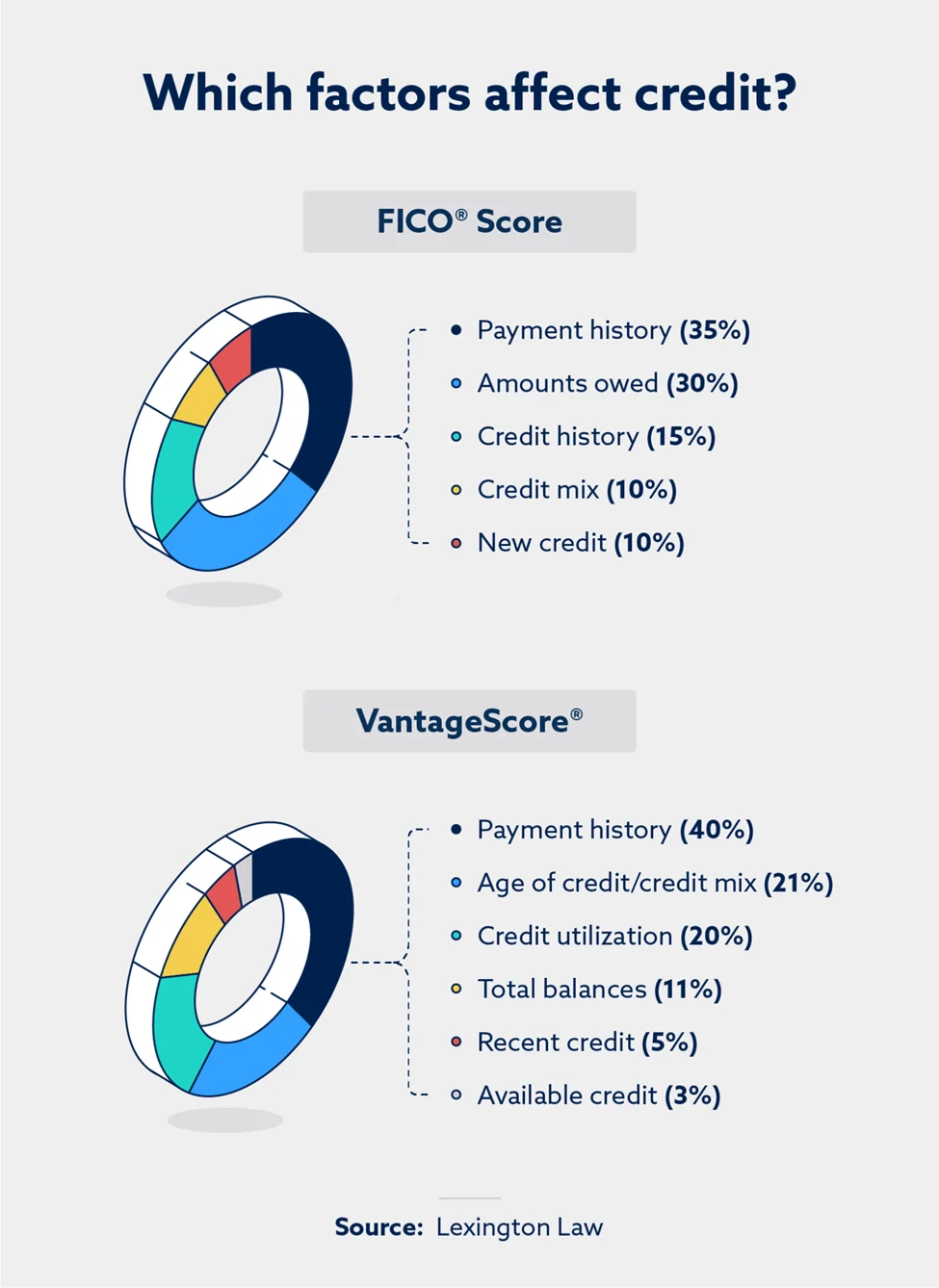
When a traveler carries a balance on a credit card with an 18% to 29% APR, the "cost" of the vacation continues to grow every month. This high utilization can also lower a consumer’s credit score, which may result in higher interest rates for future necessities, such as auto loans or mortgages. A single "magical" winter trip can, in effect, make a home purchase significantly more expensive two years down the line.
The Opportunity Cost of Savings:
Every dollar spent on high-interest debt from a winter vacation is a dollar that is not being invested in a 401(k), an Emergency Fund, or a 529 College Savings Plan. Over a decade, the "compounded cost" of annual holiday overspending can amount to tens of thousands of dollars in lost retirement wealth.
The Shift Toward Value-Based Travel:
As a result of these pressures, a new trend is emerging: Value-Based Travel. Consumers are increasingly prioritizing "meaning over magnitude." Instead of the most expensive resort, travelers are opting for "shoulder-season" trips or "staycations" that focus on quality time with family rather than high-cost activities. This shift suggests a growing awareness that the psychological benefits of a vacation are quickly erased by the stress of the debt it leaves behind.
Conclusion: The Path to Sustainable Celebration
Winter travel remains a cornerstone of cultural and familial life. However, as the economic landscape grows more complex, the "book now, worry later" mentality is becoming a recipe for financial instability.
The path forward requires a disciplined approach: setting realistic boundaries, understanding the "hidden" economy of travel fees, and protecting one’s credit profile with the same diligence one uses to pack a suitcase. By choosing timing over trends and prioritizing experiences that offer genuine value over those that offer mere status, travelers can ensure that their winter memories are defined by joy and restoration, rather than the cold reality of a depleted bank account. As Lexington Law concludes, credit health is the foundation that supports future opportunities; protecting that foundation is the best gift one can give themselves this season.