






Few issues in American governance possess the visceral power to mobilize the electorate quite like property taxes. For Florida homeowners, the annual arrival of property tax assessments is often met with anxiety, if not outright hostility. It is a sentiment that has been expertly channeled by Governor Ron DeSantis, who has made the reduction—and perhaps eventual elimination—of property taxes a cornerstone of his economic messaging over the past several years.
However, as the Sunshine State approaches a pivotal moment in its fiscal history, economists and policy analysts are sounding a note of caution. While the promise of eliminating the homestead property tax is politically alluring, the economic reality of such a move suggests that the "tax-free" dream may come with a heavy, hidden price tag.
Main Facts: The November Ballot Initiative
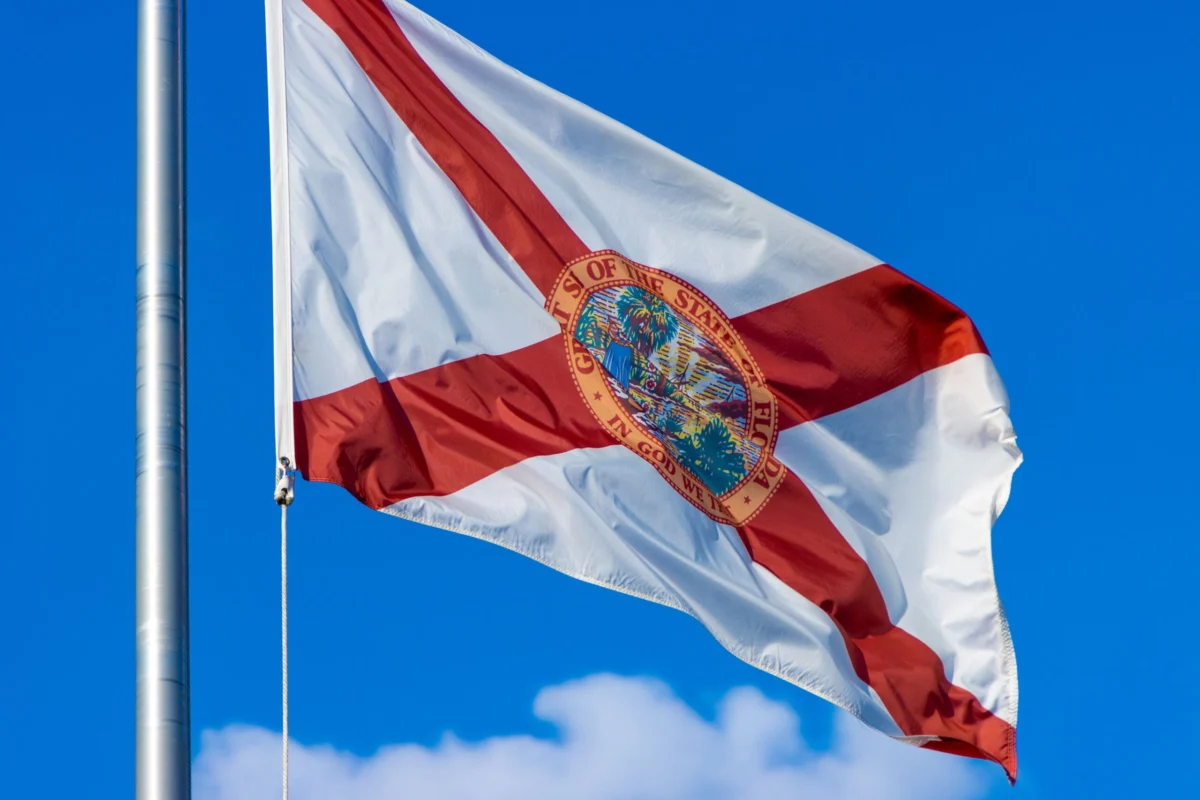
This November, Florida voters will face a consequential choice at the ballot box. A proposed constitutional amendment, which seeks to partially eliminate homestead property taxes, has officially cleared the necessary hurdles to appear before the public.
If passed, this amendment would represent one of the most significant shifts in Florida’s revenue structure in decades. Property taxes, which serve as the primary engine for local government budgets—funding essential services such as public schools, police departments, fire rescue, and road maintenance—would be fundamentally altered. Proponents argue that this is a necessary step to protect residents from the volatility of a hot real estate market. Opponents, including a growing chorus of policy experts, warn that a partial elimination could lead to a massive fiscal shortfall, necessitating either drastic cuts to public services or the introduction of new, potentially more regressive, taxes.
Chronology: The Path to the Ballot
The trajectory of this movement can be traced back to the broader national trend of tax competition, where states vie to attract residents and businesses through aggressive tax-cutting measures.
- 2021–2022: Governor DeSantis began vocalizing support for "tax relief" as a mechanism to combat inflation. While early rhetoric focused on sales tax holidays and fuel tax reductions, the focus soon shifted toward the more permanent, structural issue of property tax assessments.
- Early 2023: Initial discussions regarding the total elimination of the homestead property tax gained traction in the legislature. These discussions were fueled by record-high property values, which caused tax bills to soar even as rates remained stable.
- Late 2023: Following pushback from local municipalities concerned about funding gaps, the push for total elimination was tabled. It was replaced by a more targeted, "partial elimination" proposal aimed at capturing the populist momentum without triggering an immediate fiscal collapse.
- 2024: The proposal moved through the committee process, navigating intense lobbying from both municipal leagues and anti-tax advocacy groups.
- November 2024: The amendment is set to appear on the general ballot, marking the culmination of a multi-year effort to reshape the Florida tax code.
Supporting Data: The Mechanics of Revenue
To understand the gravity of this amendment, one must look at how Florida funds its government. In the United States, property taxes are the single largest source of state and local revenue.
According to data from the Tax Foundation, local governments in Florida rely heavily on these collections to maintain the quality of life that has attracted millions of new residents to the state. When the tax base is artificially constricted by legislative fiat, the "gap" between revenue and expenditure does not simply vanish.
The Math of the Deficit
If the state eliminates a portion of the homestead tax, it effectively reduces the revenue stream for local jurisdictions. Data analysts suggest that:
- Service Elasticity: Public education is the largest beneficiary of property tax dollars. A significant reduction in these funds would force school boards to either increase reliance on state-level funding—which is often subject to the whims of the political cycle—or face significant service degradation.
- The Shift in Burden: History in other states (such as California post-Proposition 13) shows that when property tax growth is capped or eliminated, states often compensate by increasing sales taxes or creating new, hidden fees for services that were previously covered by property taxes.
Official Responses and Political Landscape
The debate has created a fascinating divide within Florida’s political sphere.
The Proponents’ View
Supporters of the amendment, primarily aligned with the Governor’s office and various conservative think tanks, argue that the "taxation of homeownership" is a fundamental barrier to the American Dream. Their messaging focuses on the idea that homeowners should not be "priced out" of their own homes due to appreciation in market value. They argue that local governments are bloated and that a forced reduction in revenue will compel administrative efficiency.
The Opponents’ View
Conversely, the Florida League of Cities and various education advocacy groups argue that this is a "shell game." Their official stance emphasizes that public safety and education are not discretionary expenses; they are baseline requirements. By restricting the ability of local governments to collect taxes based on the actual value of property, the amendment shifts the power away from local communities and toward state-level bureaucrats. Nicole Fox, a policy analyst at the Tax Foundation, has warned that such structural changes often lead to a "hollowing out" of local services that are difficult to restore once the tax structure is compromised.
Implications: A Future at Risk?
The implications of the November vote extend far beyond the immediate financial impact on individual homeowners.
The Erosion of Local Control
If local governments can no longer rely on property taxes to fund their specific needs, they become increasingly dependent on grants and subsidies from the state capital. This centralizes power in Tallahassee, weakening the ability of local municipalities to respond to the unique needs of their own citizens.
Market Distortions
Economically, property taxes are often cited by economists as the "least harmful" tax because they are difficult to avoid and relatively stable. By providing a massive tax break to existing homeowners, the state may inadvertently discourage property turnover, potentially exacerbating the state’s already strained housing supply. When the tax benefit is tied strictly to the "homestead," it creates a "lock-in" effect where residents are disincentivized from moving, even if their housing needs change.
The Hidden Costs to Residents
Finally, the voter must consider what happens when the money runs out. If the fire department is underfunded, response times may increase. If school funding dips, private tutoring or supplemental fees may be introduced, creating a two-tiered system of education. While the property tax bill might be lower, the "cost of living" in terms of quality of services may actually rise.
Conclusion: A Call for Caution
As voters prepare to head to the polls, the choice is not merely between "high taxes" and "low taxes." It is a choice about what kind of society Floridians wish to build.
The allure of keeping more of one’s paycheck is undeniable. However, the structural integrity of a state’s fiscal policy relies on a delicate balance of revenue and responsibility. If the November amendment passes, Florida will be embarking on an experiment that has the potential to fundamentally alter the state’s fiscal landscape. As Nicole Fox and other experts suggest, it is a moment that demands deep scrutiny. Residents should ask themselves: is the short-term relief of a tax cut worth the long-term uncertainty of a compromised public infrastructure?
The answer will determine the fiscal health of the Sunshine State for generations to come. Before casting a vote, citizens are encouraged to look beyond the political slogans and examine the hard data—because in the world of tax policy, there is rarely such a thing as a free lunch.