









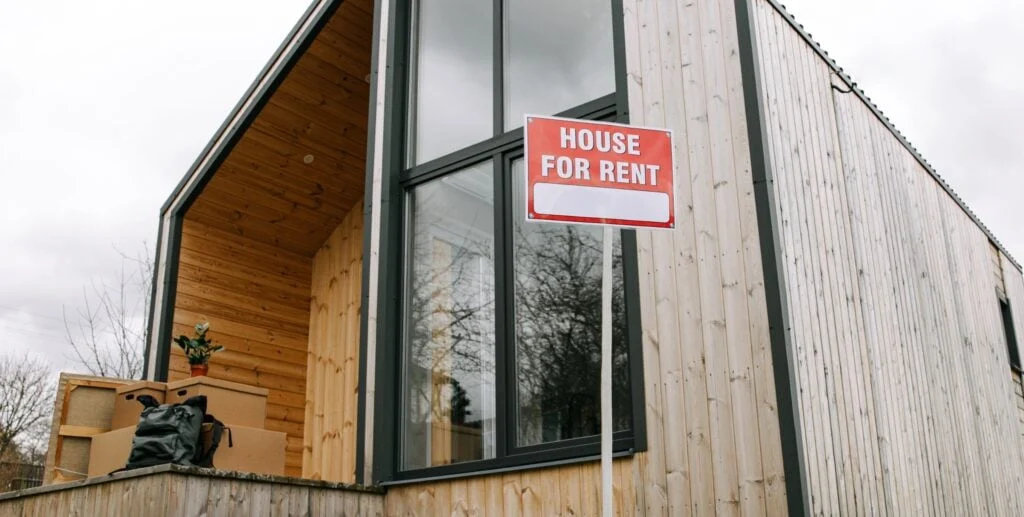
The landscape of the American rental market is undergoing a structural transformation. Driven by a historic wave of new apartment completions, tenants in major metropolitan areas—particularly across the Sunbelt and the Northeast—are finding themselves in the unfamiliar position of having significant leverage during lease negotiations. As institutional developers grapple with high vacancy rates, the prevalence of "concessions"—such as free rent, waived administrative fees, and digital gift cards—has reached record highs.
For the average mom-and-pop landlord, the scene is perplexing. While corporate giants aggressively compete to fill thousands of new units, independent property owners are left questioning whether they must follow suit or if their smaller, lower-overhead models offer a safer path through a period of rising maintenance, insurance, and tax costs.
The State of the Market: A Supply-Driven Shift
The current rental climate is defined by a massive influx of inventory. According to industry data, developers completed approximately 608,000 multifamily units in 2024, the highest volume of new supply in four decades. This aggressive building cycle, intended to solve the housing shortage, has paradoxically led to a cooling effect on rental price growth. National vacancy rates have climbed from 5.6% in 2021 to 7.3% in early 2026.
Zillow reports that nearly 40% of rental listings on its platform now include some form of concession, the highest percentage ever recorded for the spring season. For renters, this marks a departure from the "take it or leave it" environment that defined the post-pandemic years. "Renters don’t have to settle this spring," says Kara Ng, a senior economist at Zillow. "With more supply on the market than in decades, there are real choices out there—and real room to negotiate on price, perks, and terms."
Chronology of a Competitive Crisis
The shift toward a "concession-heavy" market did not happen overnight. It is the culmination of three distinct phases:
- The Pandemic Peak (2021–2022): A supply chain crisis and surging demand led to a massive backlog in construction. During this time, landlords held all the cards, and rent prices saw double-digit percentage increases.
- The Construction Boom (2023–2024): As projects stalled during the pandemic finally hit the market, supply began to outpace demand in specific growth corridors. Developers who relied on aggressive pro-formas found themselves with thousands of units to fill simultaneously.
- The Correction (2025–Present): With high interest rates keeping potential homebuyers in the rental pool, the pressure to maintain occupancy levels forced large-scale property management firms to pivot from rent growth to aggressive acquisition of tenants via incentives.
The Corporate Strategy: Padding Fees and Shifting Costs
Why are large developers so willing to offer two months of free rent? The answer lies in their balance sheets. Institutional landlords often build "concession budgets" into their operational forecasts to ensure their property portfolios maintain the high occupancy levels required by investors and lenders.
However, this strategy has come under intense public and legal scrutiny. Large developments have increasingly relied on "ancillary revenue" to protect their bottom line while keeping base rents competitive. This includes charging tenants separately for parking, high-speed internet, and access to premium common areas.
In early 2025, this practice led to a high-profile legal intervention. The Federal Trade Commission (FTC) and the Attorney General of Colorado filed a lawsuit against Greystar, the nation’s largest property management firm, alleging "deceptive advertising" regarding hidden mandatory fees. By late 2025, the firm reached a $24 million settlement to provide refunds to tenants who were misled about the true cost of their housing. "At a time when Americans are struggling to find affordable housing, the FTC is focused on monitoring the housing marketplace to ensure that competitors are meaningfully competing on price," stated Christopher Mufarrige, director of the FTC’s Bureau of Consumer Protection.
The Independent Advantage: Why Smaller Landlords Are Holding Steady
While corporate entities scramble, small-scale, independent landlords report a different reality. A recent survey from TurboTenant reveals that over 80% of independent landlords have seen no decline in demand for their units.
The disconnect between institutional and independent performance is primarily rooted in the tenant demographic. Younger renters—specifically Millennials and Gen Z—are increasingly vocal about their rejection of the "luxury amenity" trap. As John Martin of the Landlord Lens podcast notes, "They are not looking for the rooftop pool, the gym, or the yoga rooms. They are looking for three things: an in-unit washer-dryer, pet-friendly policies, and air conditioning."
Independent landlords, who generally lack the massive debt loads associated with building luxury high-rises, are often able to offer these essential features at a price point that undercuts the "all-in" cost of a luxury apartment (after factoring in those hidden technology and amenity fees).
The Reality of the Homebuying Gap
A crucial factor keeping the rental market buoyant is the ongoing affordability crisis in the housing sector. With mortgage rates remaining elevated and home prices at near-historic highs, the "American Dream" of homeownership remains out of reach for a vast segment of the population.
According to a March 2026 report from Realtor.com, 36.1% of American tenants have lived in their current rentals for five years or more. This demographic is not looking for a "luxury experience"; they are looking for stability. Institutional developers acknowledge this as well. Benjamin Schall, CEO of AvalonBay Communities, noted in an investor call that the economics of renting versus owning remain highly favorable for the rental market, as there is little incentive for established renters to transition into an overpriced and under-supplied housing market.
Regional Variations: Sunbelt vs. Northeast
Geography plays a significant role in current rent trends. The Sunbelt, which saw the most aggressive building boom, is currently experiencing a saturation point where rent growth has stalled, and concessions are becoming standard.
Conversely, the Northeast has seen a 42.1% year-over-year surge in completed apartments, yet the market remains tighter. Realtor.com economist Jiayi Xu explains that many Northeast cities have been chronically underbuilt for years. Even a significant influx of new units is merely catching up to long-standing demand, meaning independent landlords in these regions are under far less pressure to offer concessions than their counterparts in the Sunbelt.
Implications for Small-Scale Investors: How to Protect Cash Flow
For the independent landlord, the current market presents a dilemma: How do you protect your cash flow when your taxes, insurance, and maintenance costs are rising, but your tenants are being bombarded with ads for "one month free" at nearby luxury complexes?
1. Avoid the Concession Trap
Before offering a month of free rent, consider the long-term math. CNBC reports that the average concession currently amounts to roughly 10.7% of annual rent. For a small landlord, this is a significant hit to the bottom line. Unless you are facing an extended vacancy, it is often better to hold your rental rate steady.
2. Leverage Lease Terms
If you must make a concession to secure a tenant, consider an alternative: the 14- or 15-month lease. This spreads the "cost" of the concession over a longer period, reduces your turnover costs, and ensures you aren’t forced to find a new tenant during a traditionally slow season.
3. Focus on "The Big Three"
Instead of attempting to compete with the yoga studios and rooftop bars of corporate developments, focus on what independent landlords excel at: providing pet-friendly housing with reliable in-unit laundry and HVAC systems. Marketing these specific, high-value utilities is often more effective than lowering the monthly rent.
4. Optimize Operational Costs
With revenue growth constrained by market conditions, the most effective way to protect cash flow is through expense management. Refinancing at more favorable rates, auditing your insurance policies, and investing in preventative maintenance can provide a buffer that allows you to weather the current market cycle without needing to engage in a "race to the bottom" with institutional developers.
Final Thoughts
The rental market of 2026 is defined by a dichotomy: a hyper-competitive, high-concession luxury sector and a stable, high-demand independent sector. While the news of massive concessions at large apartment complexes might cause alarm, small-scale landlords must look at their own specific local data before reacting. In many cases, the best strategy is to focus on the essential needs of the modern renter and prioritize long-term stability over the short-term,, margin-eroding tactics of the corporate giants.