








United Airlines, one of the world’s most prominent carriers, has found itself in the middle of a frustrating technical saga. Its newest Boeing 787-9 Dreamliner—a flagship aircraft designed to showcase the carrier’s highly anticipated "United Elevate" interior—is currently grappling with persistent, significant maintenance hurdles. The aircraft, which represents the next chapter in United’s premium passenger experience, has spent more time on the tarmac than in the skies, raising questions about production quality, maintenance reliability, and the logistical challenges of modern aviation.
The Heart of the Problem: A Flagship Grounded
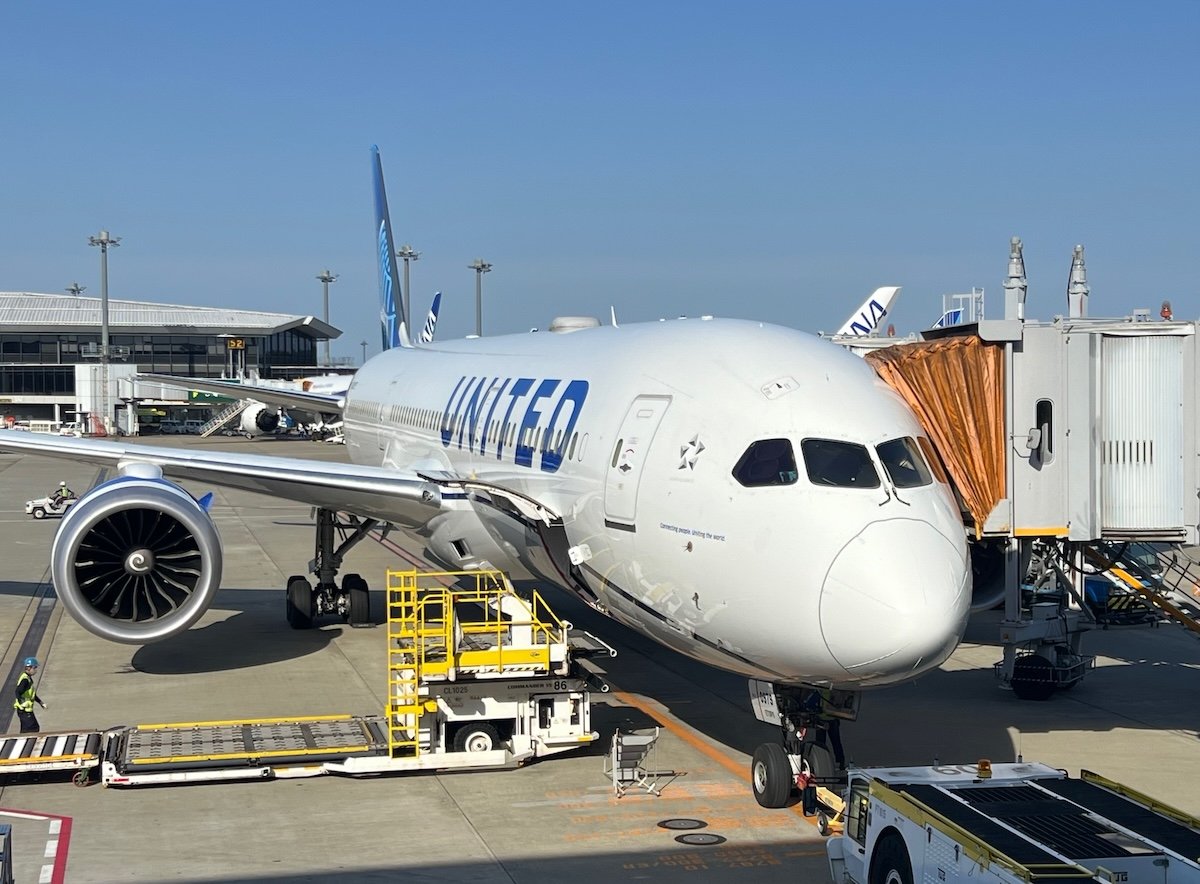
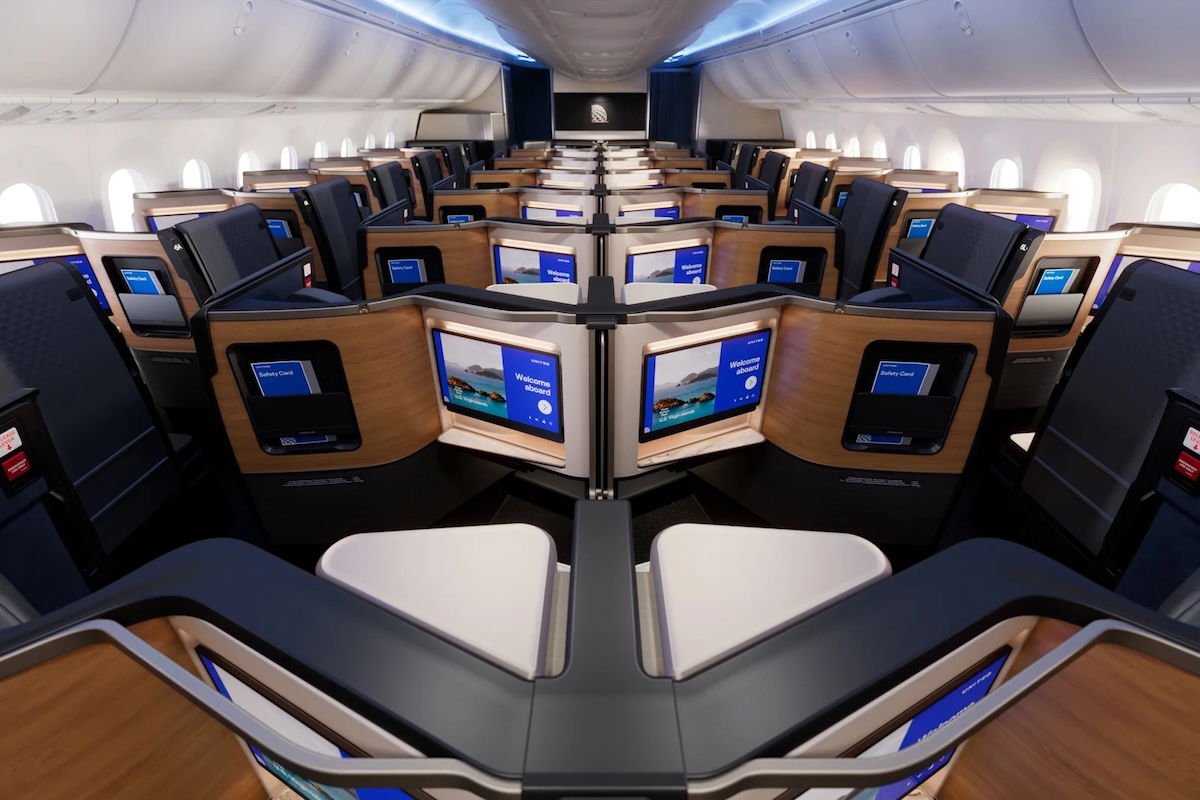
The aircraft in question, bearing the registration code N61101, is not just another addition to United’s fleet; it is a symbol of the airline’s rebranding efforts. Adorned with a special 100th-anniversary decal, the plane debuted this past spring, promising passengers a sophisticated flight experience featuring the new "United Elevate" suites in the Polaris business class cabin.
However, the reality of its service life has been far from the premium experience promised. Since its inaugural flight on April 22, 2026, between San Francisco (SFO) and Singapore (SIN), the aircraft has been plagued by a series of mechanical failures that have repeatedly forced it out of the rotation. Industry observers and aviation analysts have been monitoring the situation closely, noting that in the last two weeks alone, the aircraft has completed only a single passenger flight.
A Chronology of Mechanical Misfortune
The troubles began almost immediately upon the aircraft’s entry into service. During its maiden voyage to Singapore, the jet suffered from maintenance complications that resulted in a diverted flight, eventually forcing the aircraft to be ferried back to its base in San Francisco empty.
While that might have been dismissed as the "teething issues" common with new aircraft technology, the situation failed to improve. Shortly after being cleared for reentry into the international schedule, the aircraft suffered a secondary failure, necessitating yet another removal from service. For a period, it appeared as though United’s maintenance teams had successfully stabilized the aircraft. However, that stability proved ephemeral.
As of late June 2026, the situation has escalated. According to data provided by industry monitor JonNYC, the aircraft has been largely sidelined. Its recent flight record shows an alarming lack of activity:
- Mid-June 2026: Multiple reports indicate the aircraft remained on the ground for nearly five consecutive days.
- Late June 2026: The decision was finalized to ferry the aircraft to Moses Lake, Washington—a specialized Boeing maintenance and storage facility—suggesting that the problems are beyond the scope of routine line maintenance performed at United’s hubs.
Analyzing the Technical Scope
Aviation experts suggest that the nature of the fault is "not minor," yet it is simultaneously described as a "straightforward repair" by industry insiders familiar with the situation. This paradox—that a seemingly simple fix requires a trip back to a Boeing facility—is highly unusual.
Usually, new aircraft are serviced by the airline’s in-house maintenance, repair, and overhaul (MRO) teams. The fact that United has deemed it necessary to send N61101 to a dedicated Boeing site suggests that either the fault involves proprietary systems that require specialized OEM (Original Equipment Manufacturer) tools, or the issue is systemic and recurring, requiring a root-cause analysis that the airline is not equipped to perform on its own.
There is currently no indication that the problems are related to the "United Elevate" interior installations. While the timing of the interior upgrade coincides with the mechanical failures, most experts believe the issues lie within the core airframe or avionics systems rather than the cabin furnishings.
The "Curse" of the New Dreamliner?
The struggles of N61101 have prompted a broader conversation regarding the current state of Boeing’s production line. This is not the first time a new Dreamliner has faced a difficult start to its career.
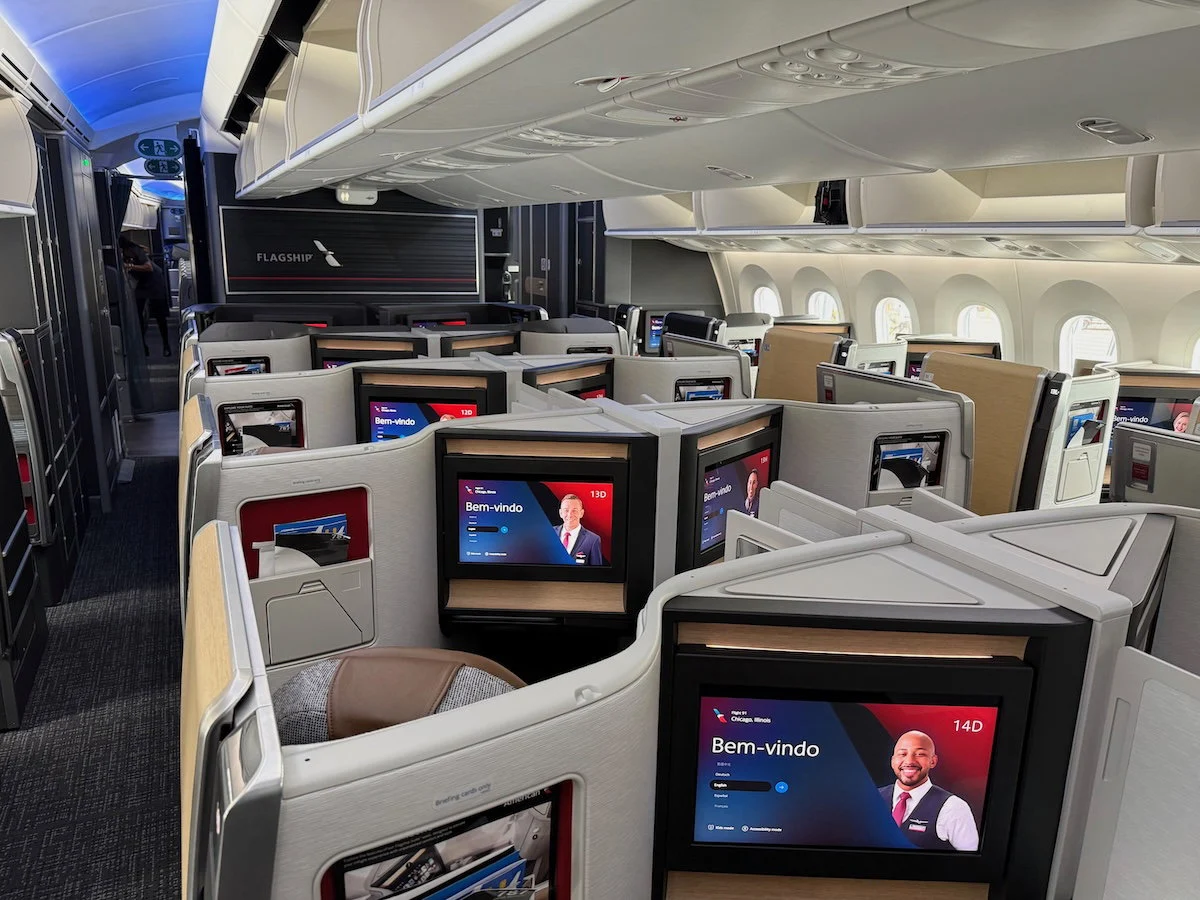
Last year, American Airlines experienced a similar, albeit equally frustrating, scenario when it inducted its own new 787-9s. For several weeks, those aircraft were sidelined by a series of maintenance alerts that hindered their entry into the premium international market.
This leads to a larger industry question: Is this a streak of bad luck for the airlines, or is there a systemic decline in the reliability of newly delivered aircraft? As Boeing continues to navigate intense scrutiny regarding its production processes and quality control, incidents like the N61101 grounding provide fuel for critics who argue that the manufacturer is struggling to maintain its historically high standards of technical consistency during the delivery phase.
Implications for Passengers and the Airline
For United Airlines, the grounding of N61101 is more than just a mechanical headache; it is a public relations and operational liability.
- Brand Reputation: The "United Elevate" interior was designed to set a new standard for luxury travel. When the aircraft carrying this product is unavailable, it forces the airline to perform last-minute equipment swaps, often resulting in "downgrades" for premium passengers who expected the new suites but are placed on older aircraft.
- Operational Efficiency: The logistics of moving a wide-body aircraft to a remote facility like Moses Lake are expensive and disruptive. Every day that a Dreamliner is out of service, the airline loses potential revenue and faces the added cost of unplanned maintenance.
- Customer Trust: Frequent flyers who book specific flights to experience the new Polaris product are increasingly frustrated. While airlines protect themselves with contract language noting that "aircraft type is subject to change," the recurring nature of these issues tests the patience of even the most loyal customers.
Official Responses and Next Steps
As of this writing, United Airlines has not released a detailed technical breakdown of the issues affecting N61101. However, the decision to involve Boeing’s facility in Moses Lake signals that this is a high-priority issue for both parties. Boeing is undoubtedly eager to rectify the situation, as the 787 Dreamliner remains a cornerstone of its global fleet and a vital revenue generator.
For now, the aviation community waits to see if this is a localized issue unique to one serial number or a broader, "straightforward" fix that will eventually be rolled out across the rest of the new 787-9 fleet. Until then, N61101 remains a cautionary tale about the complexities of integrating cutting-edge technology into a high-intensity, global airline schedule.
Conclusion: The Long Road to Reliability
The saga of United’s newest Boeing 787-9 serves as a stark reminder that even the most advanced aircraft are susceptible to the vagaries of modern manufacturing and maintenance. While the "United Elevate" interior continues to be a highly sought-after product, the plane that houses it has yet to prove its reliability.
Whether the trip to Moses Lake marks the end of these mechanical woes remains to be seen. For United, the goal is simple: return the aircraft to service and ensure that the "Elevate" experience lives up to the marketing promise. Until the wheels are turning and the cabin is full, however, the airline will continue to face the scrutiny of a watchful public and an industry eager to see if Boeing can put these "curse-like" debut issues behind it for good.